



Vintage Art Nouveau Lamp
These vintage art nouveau lamps bring flowing organic lines and characteristic floral motifs into domestic interiors through period metalwork and glass.
Vintage Art Nouveau Lamp
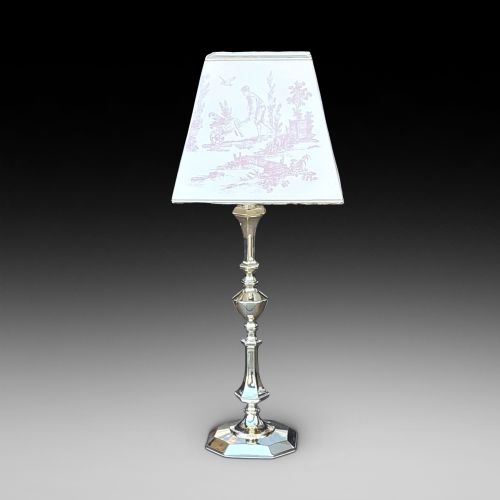
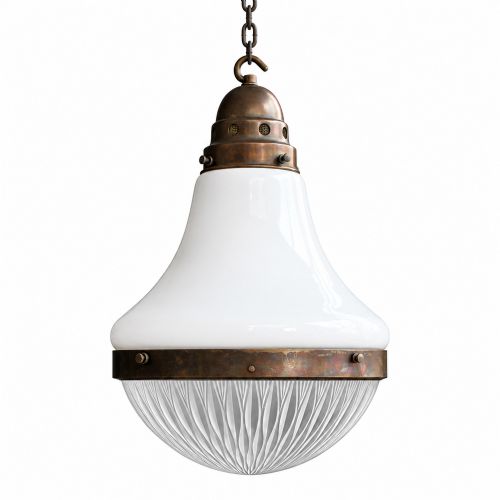
A vintage art nouveau lamp represents domestic lighting from the late nineteenth and early twentieth centuries, spanning the Victorian, Edwardian, and Secessionist periods. These pieces include table lamps, standard lamps, and hanging fixtures designed with naturalistic forms, whiplash curves, and stylised botanical motifs.
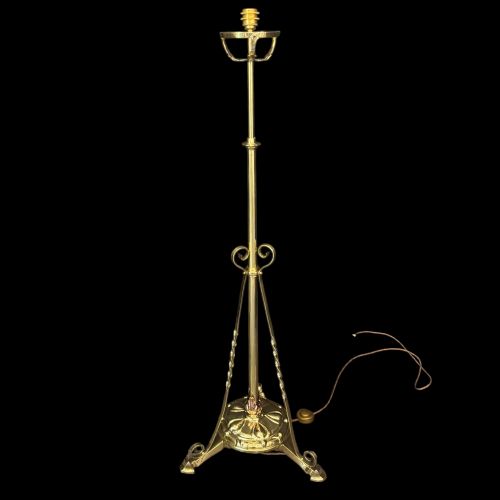
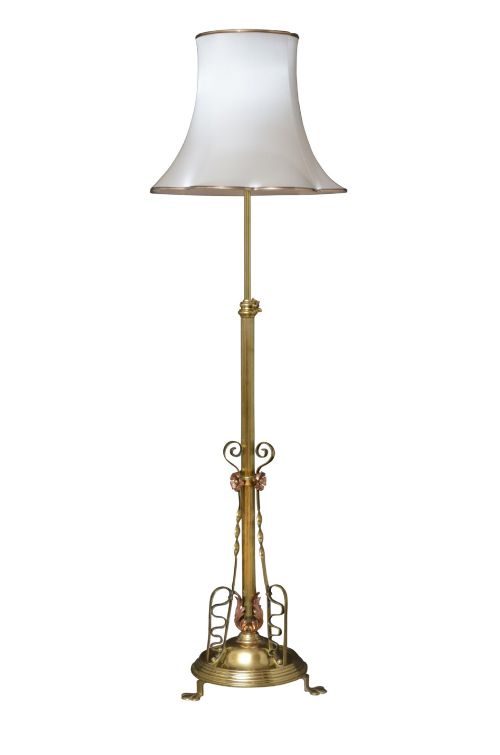
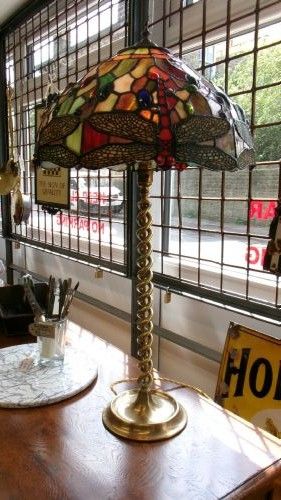
Buyers will most frequently encounter brass table lamps and standard lamps dating from around nineteen hundred to nineteen ten. These lighting forms often combine metal bases with glass shades or ceramic elements, reflecting the dominant design language of the era.
How they were made
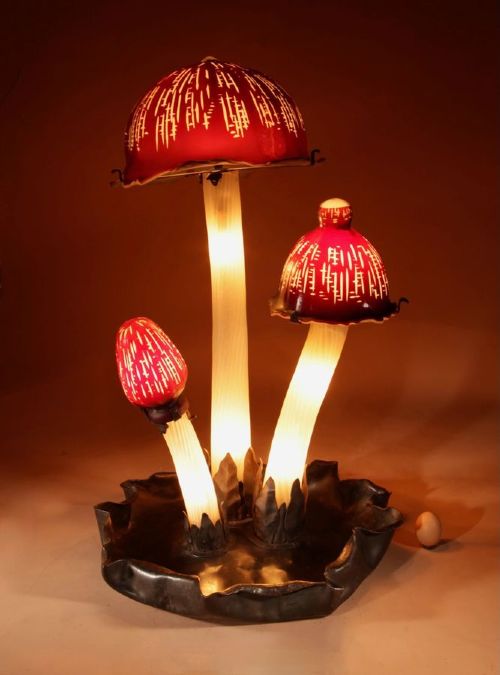
Maker's workshops utilised cast and beaten metals such as brass, copper, bronze, and ormolu to form the structural bodies and standards of these lamps. Artisans combined these metallic elements with hand-blown glass, frosted glass shades, and ceramic components to diffuse light and provide colour.
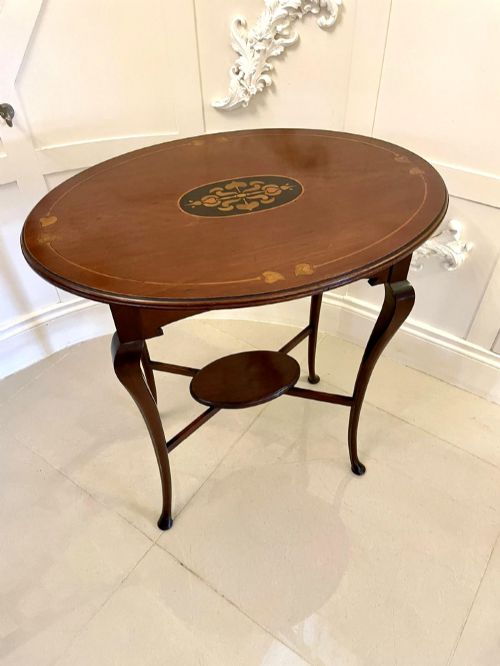
Construction techniques involved joining adjustable brass and copper components, integrating glass cabochons, and incorporating inlaid mahogany or oak woodwork on related furniture pieces. Metal surfaces were often left with beaten textures or polished finishes characteristic of the Arts and Crafts and Art Nouveau movements.
Vintage Art Nouveau Lamp Retail Price Guide 2026
Typical asking prices for vintage art nouveau lamp among the pieces listed under this phrase on Sellingantiques today, from the lower quarter to the upper quarter. They describe what is for sale here now, not the wider market.
Several brass floor lamps feature adjustable heights so previous generations could read beside their tables without straining.
What varies in quality
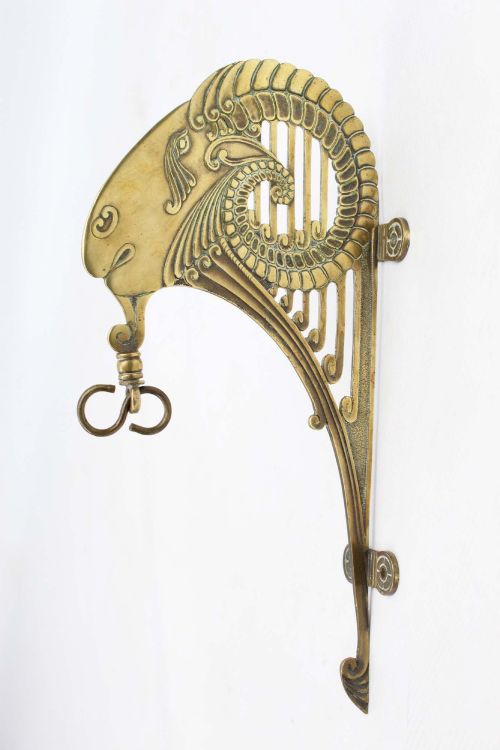
Quality in these lighting pieces rests on the weight and purity of the metal casting, the articulation of hand-beaten detailing, and the presence of signed work by notable designers or metalworkers. Superior examples demonstrate crisp definition in floral or whiplash motifs rather than soft, mass-produced stamping.
The integrity and origin of the glass shades or ceramic bodies substantially influence the standing of an item. Hand-blown glass components and marked pottery elements retain greater distinction than plain replacement shades.
Gustave Serrurier Bovy·Georges Leleu·WAS Benson·WMF
The Vintage Art Nouveau Lamp Glossary
- Art Nouveau
- A decorative style characterised by fluid, organic lines and floral motifs, popular from the late nineteenth century until the First World War.
- Secessionist
- A Central European offshoot of the Art Nouveau movement focusing on geometric austerity alongside organic forms.
- Ormolu
- Gilt bronze ornamentation applied to furniture and light fittings to provide a decorative golden finish.
- Spelter
- A zinc alloy commonly utilised as a substitute for bronze in the manufacture of figurative lamp bases and decorative metalwork.
- Standard Lamp
- A tall floor-standing lamp designed to provide ambient room illumination.
Vintage Art Nouveau Lamp: Frequently Asked Questions
How do I identify a true period lamp?
Examine the construction methods, wiring channels, and metal casting quality to determine if the piece aligns with early twentieth-century manufacturing standards. Genuine items often exhibit hand-finishing marks and period-appropriate fasteners.
Compare the motifs and materials against documented examples from the Edwardian and Victorian eras. Look for maker stamps or characteristic patination that develops over decades of age.
Were these lamps originally electrified?
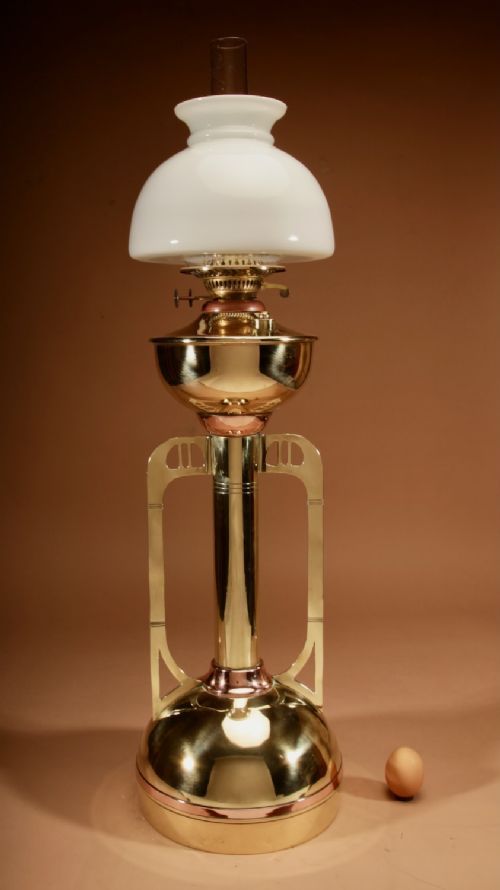
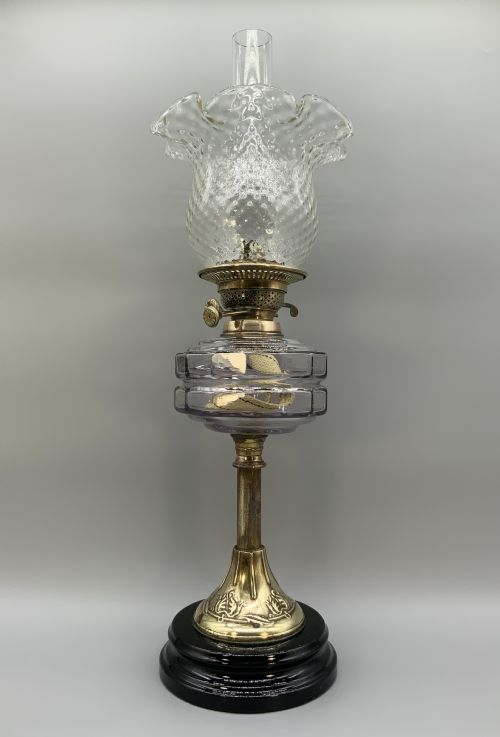
Many early pieces began as paraffin or oil lamps before undergoing conversion to electricity during subsequent decades. Tall table oil lamps and standard lamps frequently feature older burners adapted for modern wiring.
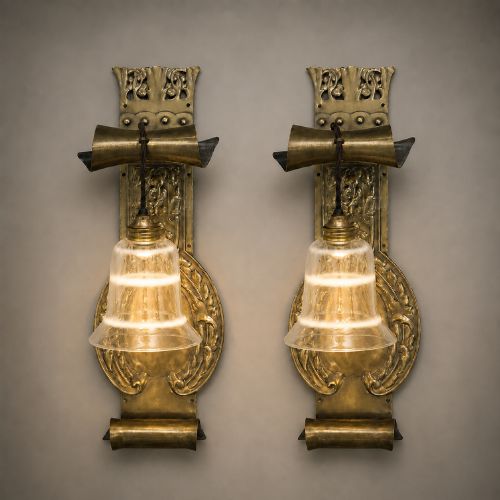
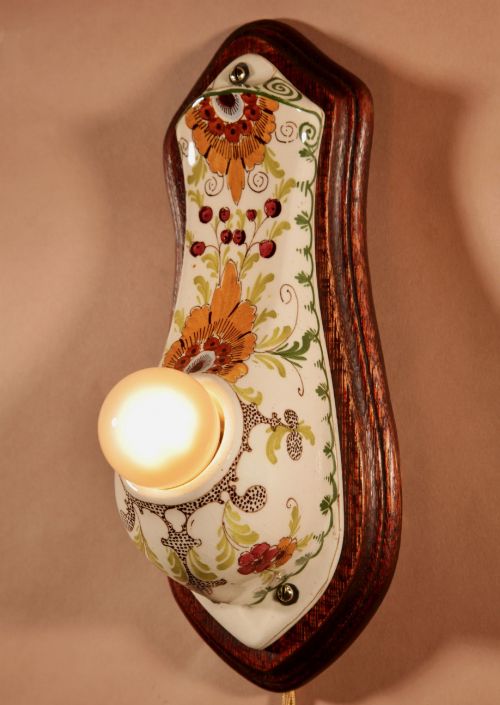
Ceiling lights and wall brackets were produced during periods of transition when gas and electric lighting coexisted in domestic properties. Professional rewiring ensures these older fixtures meet current safety standards while retaining their original brass or copper framework.
What surfaces are typical for these fittings?
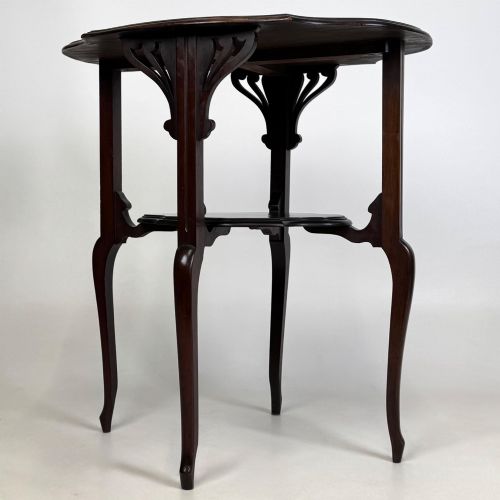
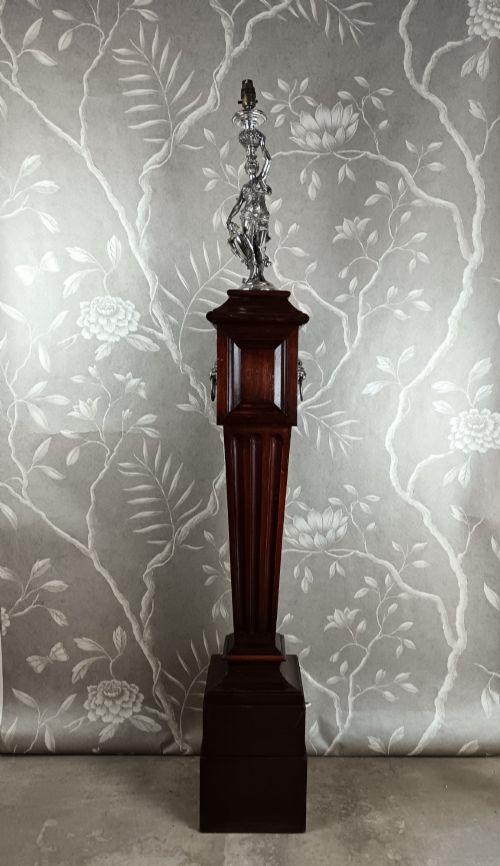
Metal components are predominantly constructed from solid brass, copper, or bronze, sometimes complemented by silver plating or ormolu finishes. Oak and mahogany also appear in associated lamp tables and pedestals.
Glass elements range from frosted bulb covers to hand-blown shades with coloured cabochons. Ceramic sections often utilise Delft or art pottery bodies.
How do art nouveau and arts and crafts styles differ?
Art Nouveau embraces flowing, asymmetrical whiplash curves inspired by natural plant forms and organic growth. The aesthetic prioritises decorative grace and sinuous lines across metal and glass.
Arts and Crafts design emphasises visible construction, honest materials, and simpler geometric forms with beaten metal textures. Both movements overlap during the Edwardian period, often appearing together in lighting fixtures.