

Vintage Art Deco Furniture
Vintage art deco furniture brings geometric lines and rich timber grains into domestic spaces, offering both striking form and practical storage.
Vintage Art Deco Furniture
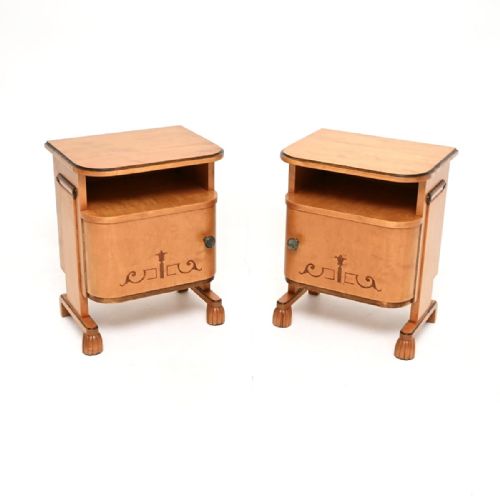
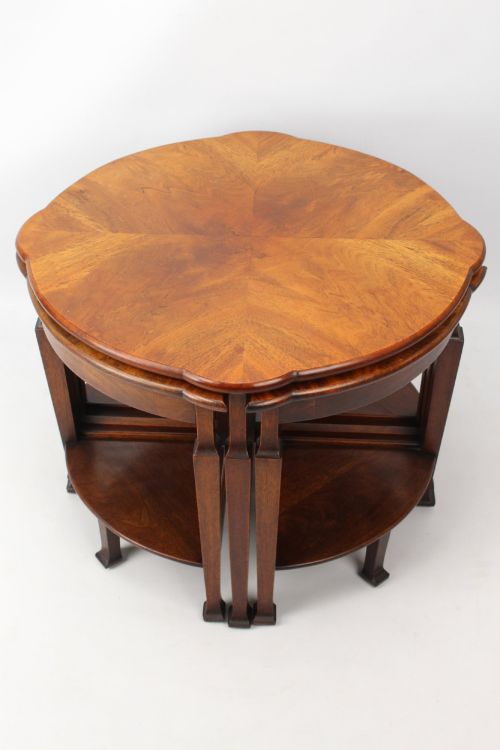
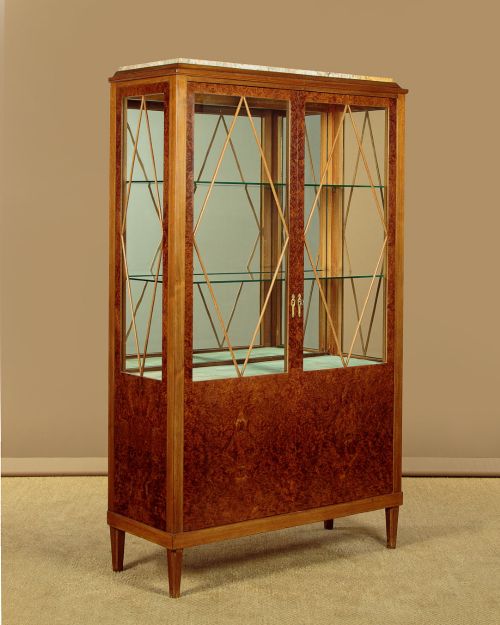
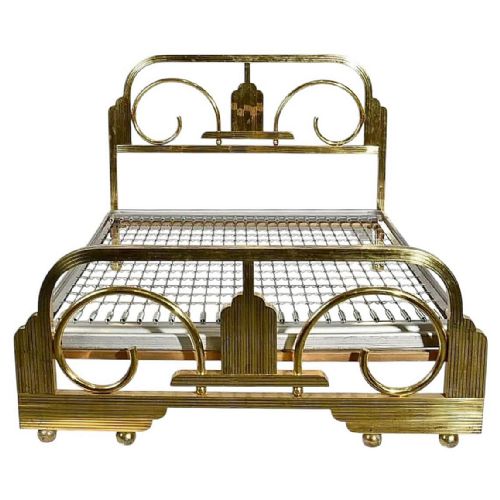
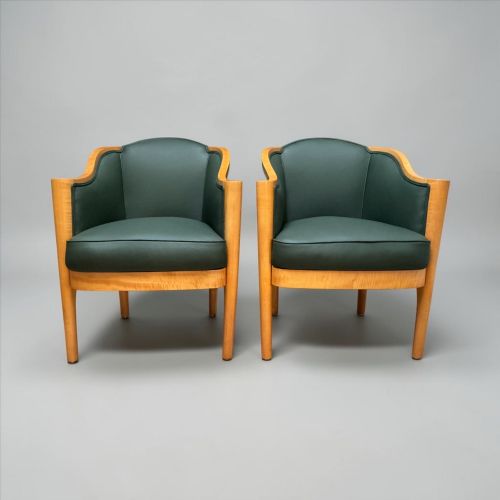
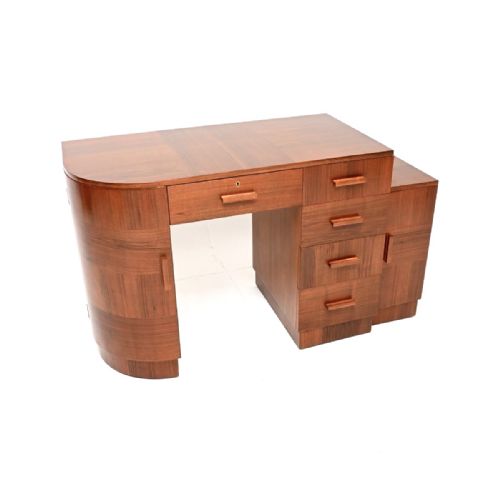
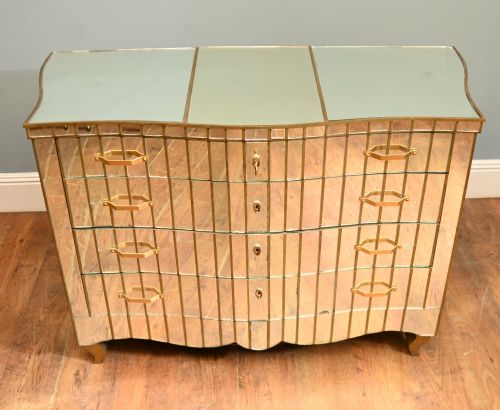
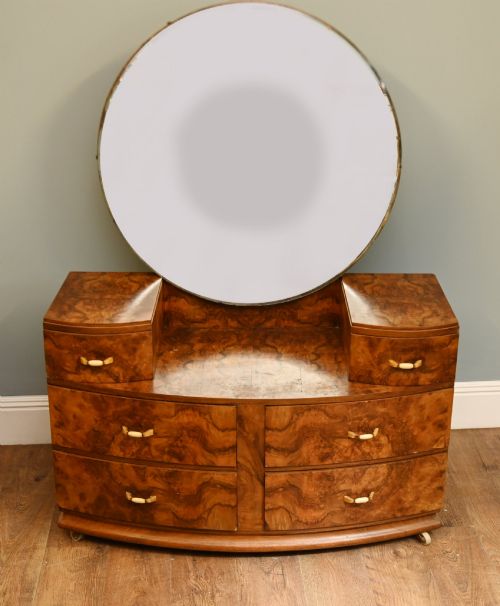
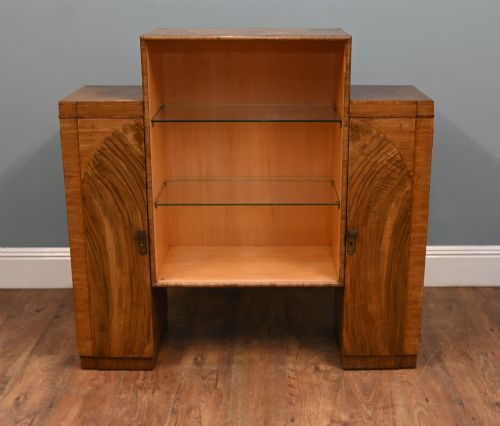
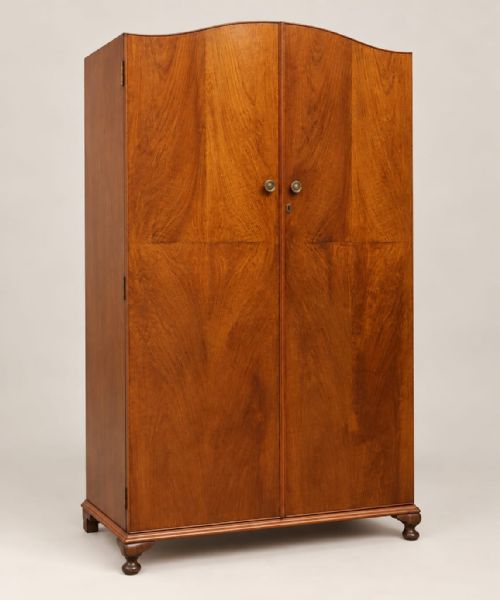
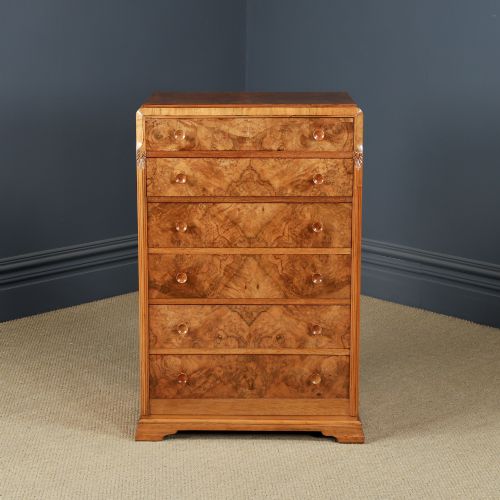
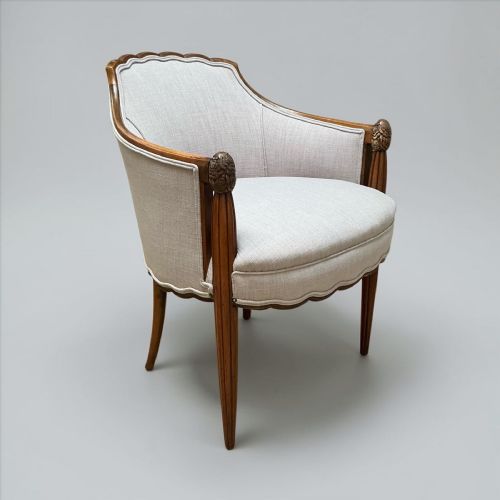
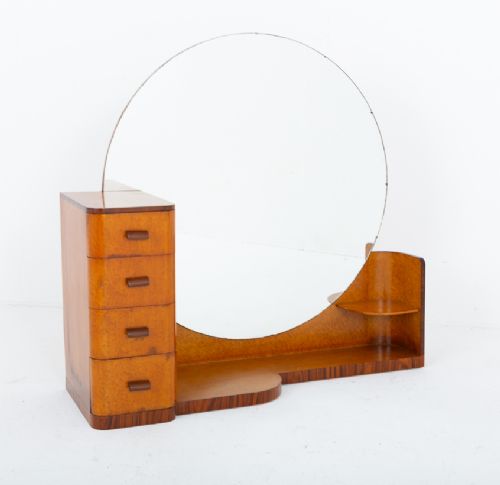
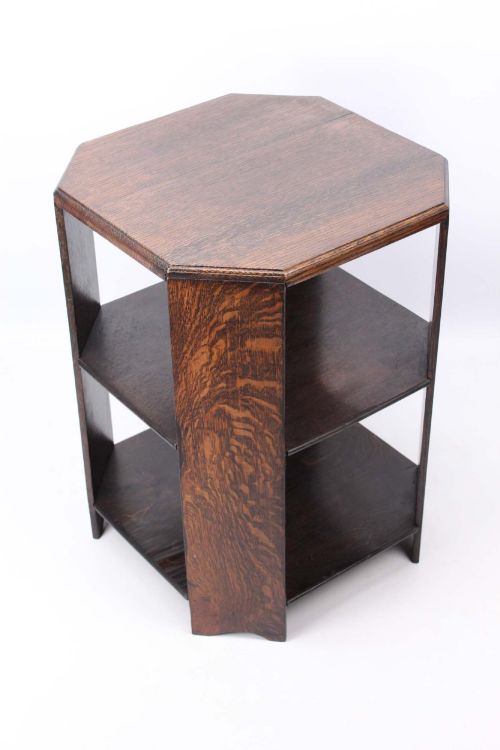
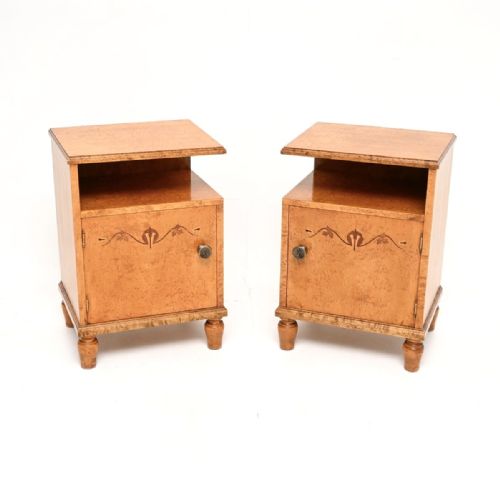
When searching for vintage art deco furniture, buyers encounter a diverse selection of practical items designed for living rooms, bedrooms and studies. The inventory spans functional forms such as chests of drawers, desks, side tables, bedside tables, bookcases, cabinets, armchairs and dining suites.
Most examples originate from the interwar period of the 1920s and 1930s, alongside occasional Edwardian and 1940s pieces. English, French and Swedish origins dominate, showcasing regional variations from British oak and walnut to Swedish birch and French rosewood.
How they were made
Maker construction relies heavily on native and exotic timbers applied as solid stock or decorative veneers. Walnut, burr walnut, oak, satin birch, rosewood and sycamore provide the primary visual surfaces, often accented with glass, metal and leather inserts.
Joinery techniques balance structural rigidity with sleek exterior surfaces, allowing figured wood grains to wrap continuously around curved corners and waterfall edges. Glazed doors, leaded glass panels and integrated mirrors complement the woodwork on cabinets, bookcases and dressing tables.
Listings feature multiple periods, spanning Edwardian, 1920, 1930 and 1940.
What varies in quality
Quality differences emerge primarily through the selection and matching of timber veneers. Symmetrical figuring and continuous grain patterns across multiple drawer fronts or cabinet doors indicate superior workshop execution.
Construction substance also separates standard production from finer output, visible in the weight of the timber, the integration of solid secondary woods, and the refinement of hardware or leather desk surfaces.
Maurice Adams·Hille·Harry and Lou Epstein·Gomme
The Vintage Art Deco Furniture Glossary
- Burr walnut
- A figured wood grain obtained from the wart-like growths on walnut trees. It creates intricate swirling patterns highly prized on cabinet doors and desk tops.
- Veneer
- A thin slice of decorative timber applied over a stable secondary wood core. This technique prevents warping while displaying expensive grain patterns.
- Satin Birch
- A pale, lustrous timber utilised extensively in Swedish modern design. It provides a bright contrast to darker woods like walnut.
- Klismos
- An ancient Greek chair shape revived by 20th-century designers with curved backrests and splayed legs. These appear in dining chair sets.
- Pedestal desk
- A freestanding writing table supported by two banks of drawers. Leather writing inserts frequently top these workspace forms.
Vintage Art Deco Furniture: Frequently Asked Questions
What defines art deco furniture?
These pieces rely on streamlined geometric shapes, symmetrical layouts, and rich surface veneers. Makers prioritized clean outlines combined with luxurious timber selections over excessive surface carving.
Design influences draw from international expositions and modernist movements of the 1920s and 1930s. The resulting forms balance decorative impact with everyday utility.
Where were these pieces made?
Production spans British, French and Swedish workshops during the interwar decades. English makers frequently utilised oak and walnut, while continental designers favoured rosewood and birch.
Regional preferences shaped the silhouette and finish of each item. British output often emphasises domestic storage, whereas French and Swedish pieces showcase lighter timbers and dramatic curves.
How do I style these items?
Mixing these wooden cabinets and desks with neutral modern interiors highlights their natural grain patterns. Pairing them with streamlined seating creates a balanced aesthetic.
Allowing sufficient space around larger sideboards or dining tables emphasises their geometric silhouettes. Leather-topped desks function effectively as contemporary workspaces.
Are older Edwardian items included?
Certain listings include Edwardian predecessors that prefigure the clean lines of the 1930s. These earlier oak and walnut pieces share utilitarian forms with later designs.
Comparing Edwardian oak chests with 1930s modernist examples reveals the transition in British manufacturing. Decoration became progressively more restrained over these decades.