





Vintage Art Deco Decor
Vintage art deco decor brings geometric precision and rich materials into a room, spanning desk accessories, figures, and mirrors from the early twentieth century.
Vintage Art Deco Decor
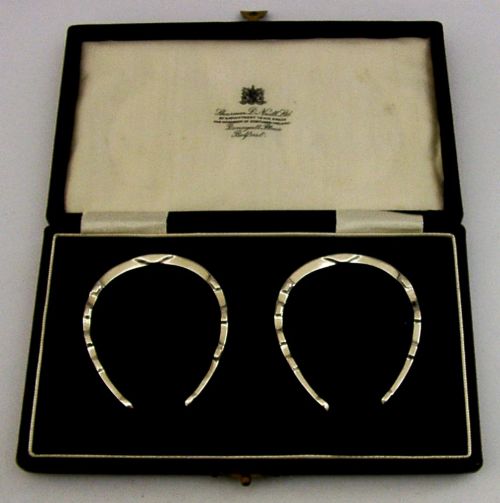
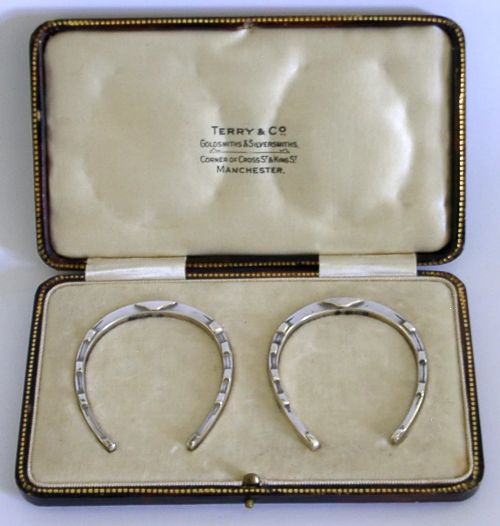
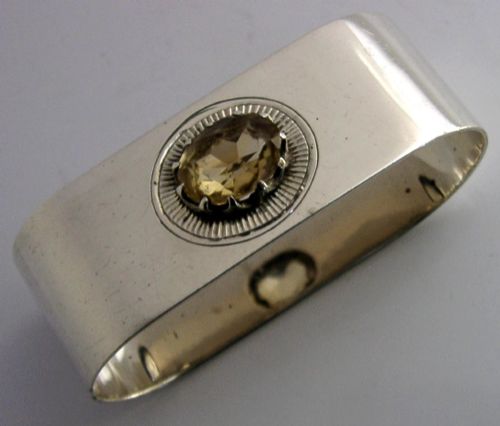
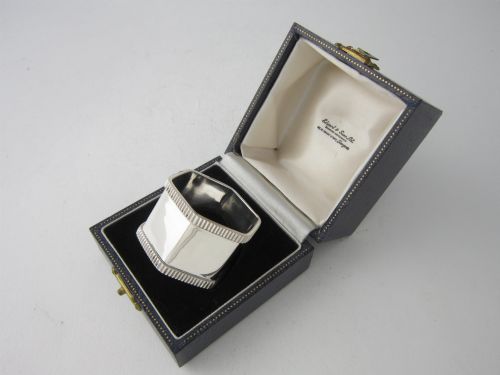
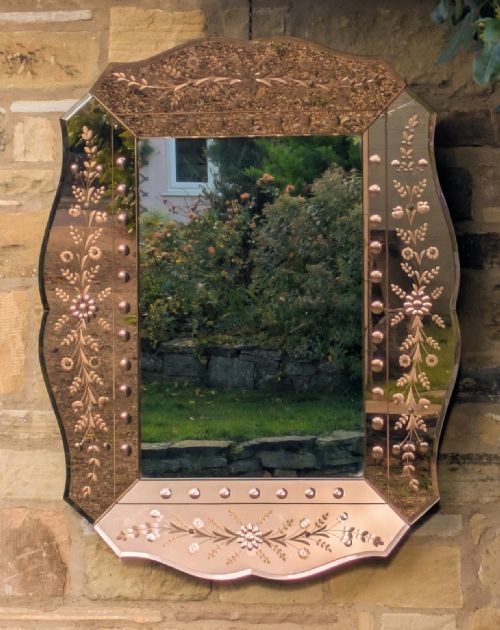
Vintage art deco decor encompasses practical items and sculptural pieces designed primarily during the 1920s, 1930s, and 1940s. These items range from sterling silver napkin rings and desk calendars to bronze animal sculptures and Venetian peach glass mirrors.
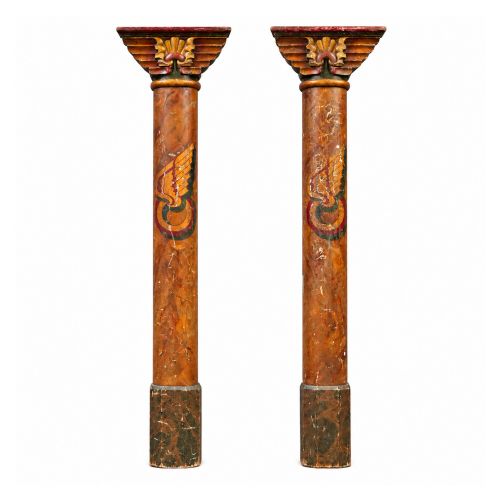
The objects reflect distinct stylistic influences, including Amsterdam School craftsmanship, maritime motifs, and Edwardian fairground columns. Buyers encounter functional desk tidies alongside decorative wall masques and ceramic tiles.
Most examples date firmly within the interwar period, utilising materials that defined modernist design. Each piece serves as both a functional item of household utility and a distinct expression of period taste.
Materials and construction methods
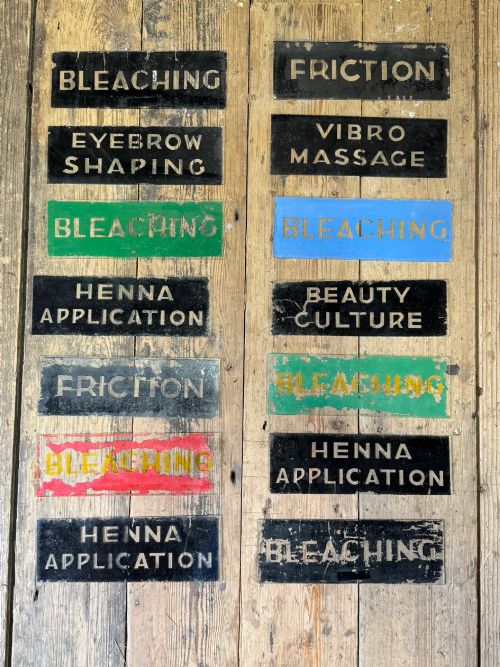
Makers utilised a combination of metals, stones, and glass, pairing sterling silver, bronze, brass, chrome, and spelter with black marble, alabaster, and tortoiseshell. Reverse-painted glass signs and guilloche enamel add vibrant colour to metal and wooden frameworks.
Sculptural forms often involved casting in bronze or spelter, sometimes mounted on solid marble bases or carved from bamboo and Madagascar ebony veneer. Glass objects incorporate cut-glass techniques alongside peach-tinted wall mirrors.
Vintage Art Deco Decor Retail Price Guide 2026
Typical asking prices for vintage art deco decor among the pieces listed under this phrase on Sellingantiques today, from the lower quarter to the upper quarter. They describe what is for sale here now, not the wider market.
Listings feature items dated across four distinct decades, spanning from 1910 through 1940.
Distinctions in craftsmanship
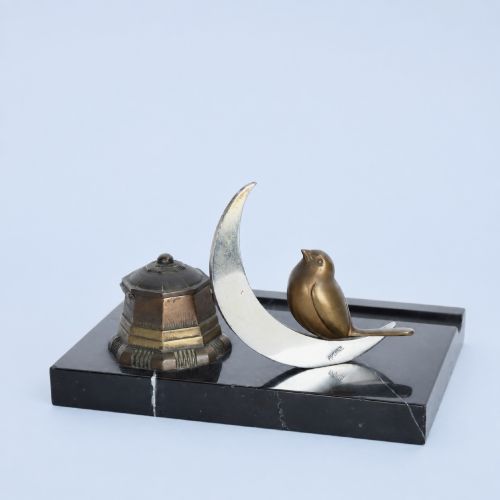
Quality rests in the precision of the casting and the clarity of detail in figurative bronzes and spelter groups, where sharper lines separate superior studios from mass production. The integration of contrasting materials, such as bronze animals mounted upon fitted marble desks tidies, dictates the sophistication of an object.
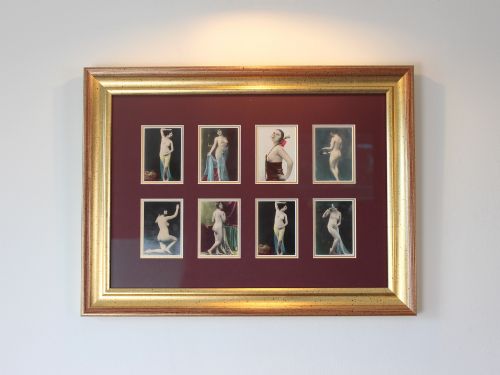
Surface finish and material purity distinguish finer items, seen in the weight of solid sterling silver hallmarks, the crisp application of guilloche enamel, and the preservation of original hand-tinted photographs or reverse-painted glass.
David Andersen·Michel Decoux·Keith Murray·Gio Ponti·Julian Mandel
The Vintage Art Deco Decor Glossary
- Spelter
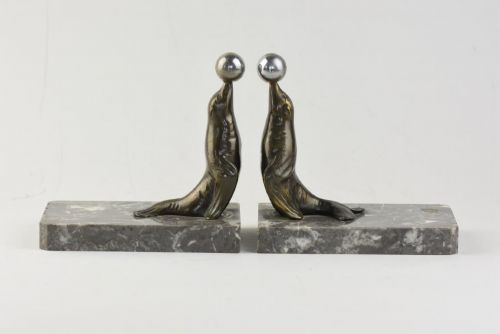
- A zinc alloy frequently utilised as a cost-effective alternative to bronze for casting decorative figures and bookends during the period. It accepts patination and metallic paint finishes readily.
- Guilloche
- A decorative engine-turning technique that etches precise geometric patterns into metal before applying translucent enamel. It appears frequently on small personal accessories and napkin rings.
- Amsterdam School
- An architectural and design movement originating in the Netherlands characterised by expressive forms, organic brickwork, and rich wood veneers. Pieces often display intricate joinery and exotic materials like Madagascar ebony.
- Desk Tidy
- A compartmentalised desktop accessory designed to hold stationery, stamps, and writing instruments. These items frequently incorporate integrated calendars, clocks, or sculptural animal mounts in marble and bronze.
- Wall Masque
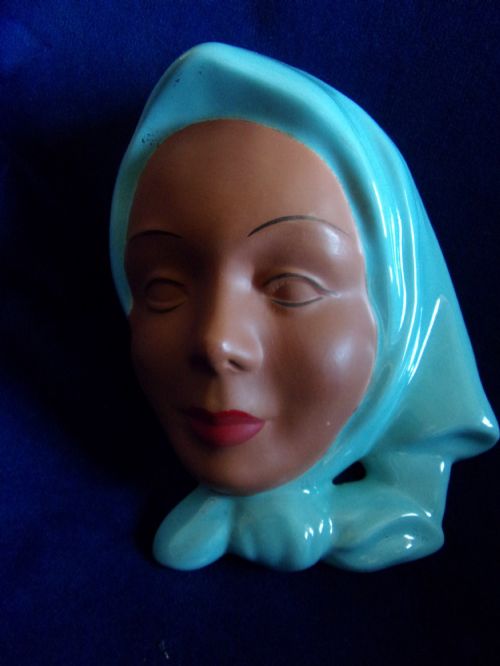
- A decorative ceramic or plaster wall plaque depicting a stylised human face or theatrical mask. They served as prominent interior ornaments within period spaces.
Vintage Art Deco Decor: Frequently Asked Questions
What defines vintage art deco decor?
These pieces originate primarily from the 1920s and 1930s, showcasing the geometric lines and streamlined motifs characteristic of the era. They include everything from silver tableware to bronze animal sculptures.
Materials range from precious metals and marble to glass and ceramics, reflecting a period of distinct modern design progression.
How do I display art deco items?
Integration works best by placing smaller objects like napkin rings, clocks, and bookends on sideboards, mantelpieces, or dedicated display shelving. Larger statement pieces, such as mirrors or framed paintings, command attention as focal points on plain walls.
Combining contrasting textures like polished silver, black marble, and coloured glass creates the layered look characteristic of the era.
How can I tell the period?
Dating relies on stylistic markers such as streamlined aerodynamic shapes, stepped geometric forms, and the specific use of materials like chrome, bakelite, and spelter. Hallmarks on silver items and maker signatures on bronzes provide definitive chronological anchors.
Design cues also point to related movements like the Amsterdam School or Edwardian survivals present in the construction.