







Vintage Apothecary Set
A vintage apothecary set brings medical and chemical history into the home through brass scales, glass jars and wooden containers.
Vintage Apothecary Set
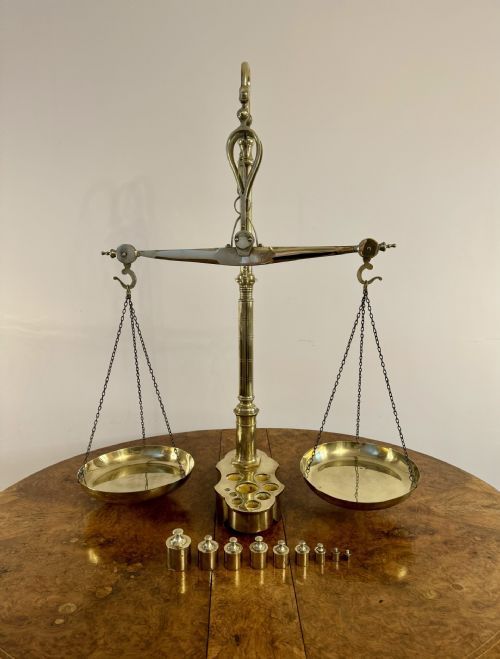
A vintage apothecary set comprises grouped items used historically for measuring, mixing and storing medicinal substances. Buyers searching for a vintage apothecary set encounter collections ranging from glass drug jars and pharmacy bottles to precision beam scales with brass weights.
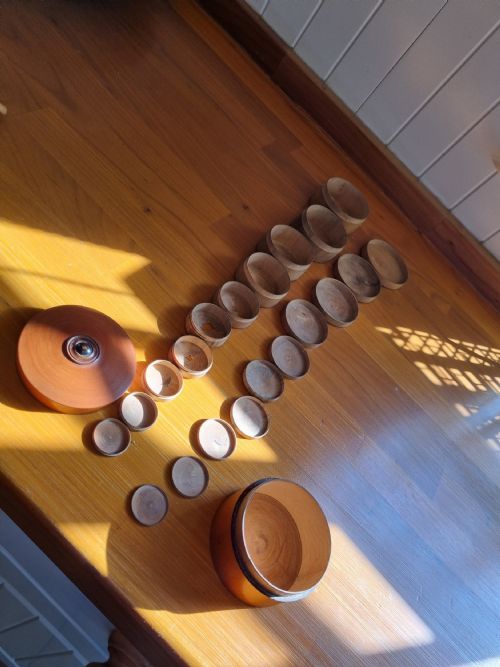
The pieces on this page span several eras, with 19th Century and Victorian examples appearing frequently alongside Edwardian, Georgian and 1930s Scandinavian variations. Forms include mortar and pestle duos, boxwood pill rounders, spice drawers and nested container sets.
Origins vary across British, French and Scandinavian workshops, reflecting the widespread utility of these scientific and medical instruments. Whether housing small paper labels or retaining original block stands, each grouping offers a distinct glimpse into historical dispensaries.
Materials and construction
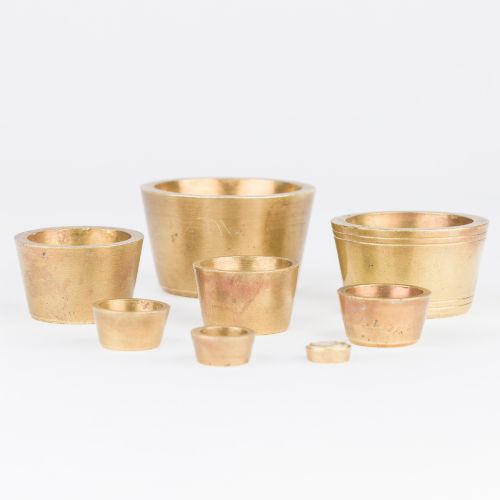
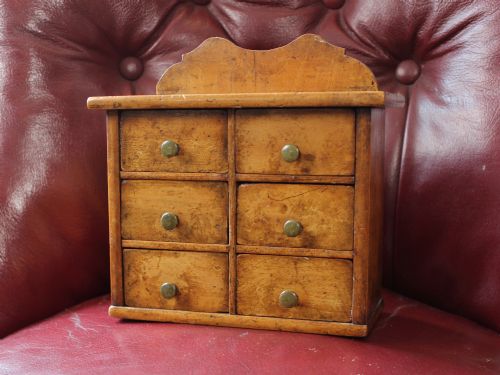
Brass and glass dominate the physical evidence, utilised heavily for beam scales, weights, pharmacy bottles and chemist jars. Bronze and fruitwood appear in grinding equipment and spice drawers, while boxwood serves for specialised items like pill rounders.
Makers shaped these sets using traditional metalcasting, glassblowing and woodworking techniques appropriate to each period. Details such as gold leaf application, paper labelling and precision calibration demonstrate the meticulous fabrication required for medical instruments.
Vintage Apothecary Set Retail Price Guide 2026
Typical asking prices for vintage apothecary set among the pieces listed under this phrase on Sellingantiques today, from the lower quarter to the upper quarter. They describe what is for sale here now, not the wider market.
Boxwood pill rounders whisper of quiet backroom pharmacies where apothecaries hand-rolled remedies one tiny sphere at a time.
Assessing quality in apothecary collections
Quality in these sets depends on the completeness of the grouping and the survival of original components such as matching weights or block stands. Sets retaining their original painted surfaces, paper labels or signed inscriptions by recognised makers hold higher distinction.
The precision of mechanical elements, including beam scales and pestle fittings, separates standard utility items from superior scientific instruments. Finer craftsmanship shows in balanced proportions, uncompromised glass clarity and the careful turning of boxwood and mahogany.
Oertling·De Grave and Co London
The Vintage Apothecary Set Glossary
- Apothecary jar
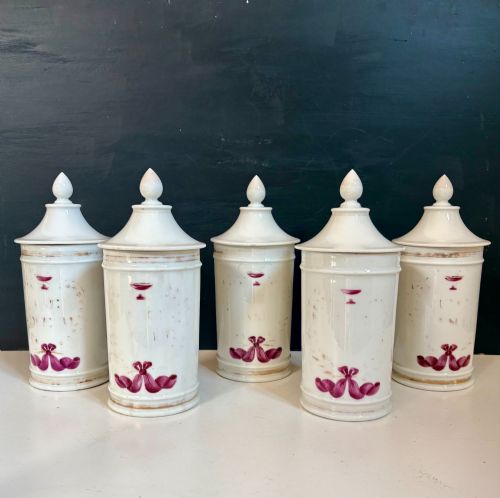
- A vessel used historically to store dry or liquid medicines in a dispensary. These containers often feature ground glass stoppers or paper labels.
- Beam scales
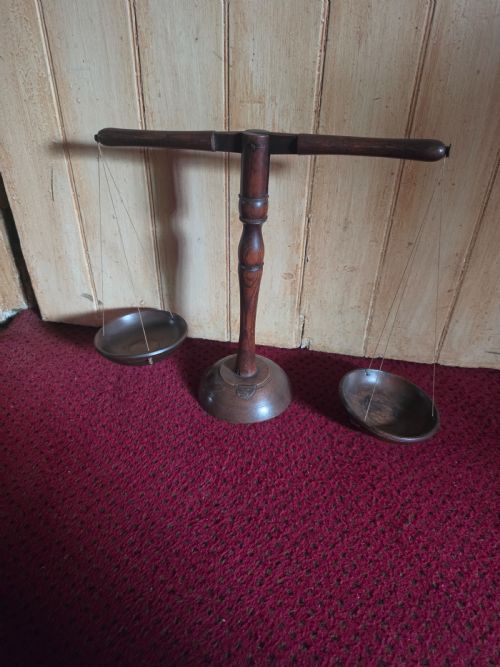
- A weighing instrument utilising a central pivot and balanced arms to determine mass. Precision versions were essential for measuring exact medicinal doses.
- Mortar and pestle
- A heavy bowl and grinding tool used to crush and mix ingredients. Examples in the evidence are cast from bronze and brass.
- Treen
- Small handmade wooden household objects and utensils. Welsh treen scales represent regional woodworking traditions.
- Troy ounce
- A unit of mass traditionally used for precious metals and medicines. Sets of brass Troy weights accompanied professional dispensing scales.
Vintage Apothecary Set: Frequently Asked Questions
What items make up an apothecary set?
These sets typically combine storage vessels like glass drug bottles and chemist jars with measuring equipment such as brass beam scales and weight blocks.
Additional components can include mortar and pestle grinders, wooden spice drawers, and specialised pill rounders made from boxwood.
How were beam scales used historically?
Apothecaries used precision beam scales to weigh exact quantities of dry powders and medicinal ingredients for individual prescriptions.
Counterweights placed on one side of the central pivot balanced the substance measured in the opposite pan.
How should I display glass pharmacy bottles?
Glass bottles and chemist jars display effectively on open shelving where natural light can pass through the green glass and coloured surfaces.
Grouping jars by period or keeping them alongside related brass weights creates a cohesive historical arrangement.
How do I identify Georgian apothecary items?
Georgian pieces often feature heavier cast bronze or brass construction in mortars, pestles and early scales.
Material choices like fruitwood and boxwood, alongside simpler utilitarian forms, distinguish these 18th-century pieces from later Victorian designs.