



Vintage Animal Landscape
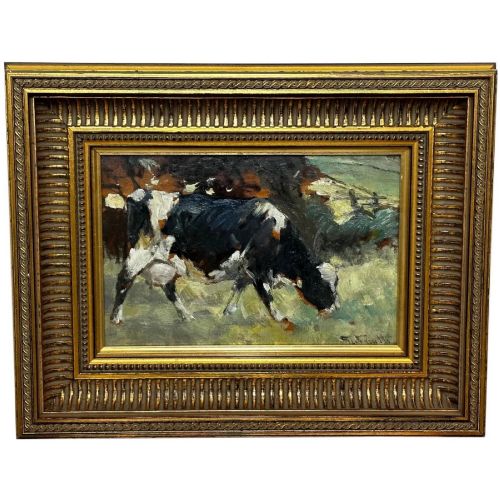
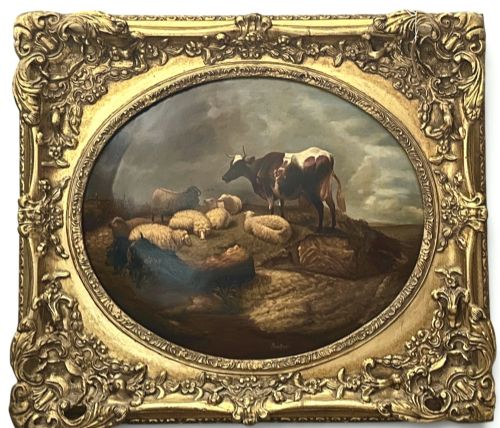
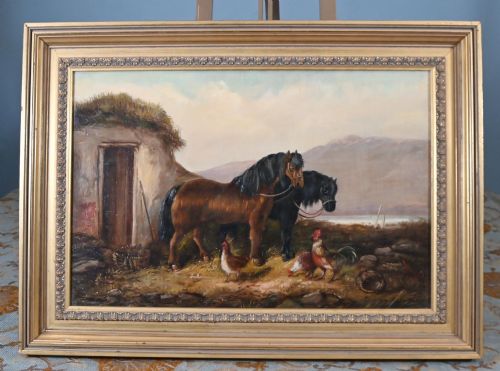
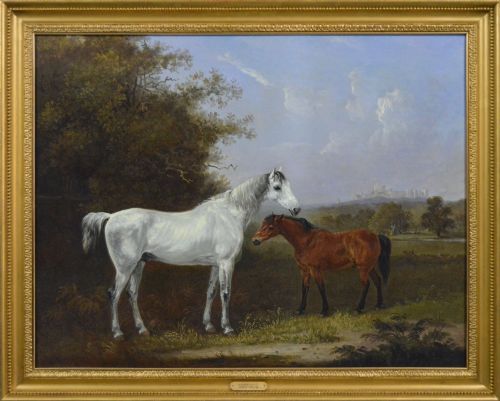
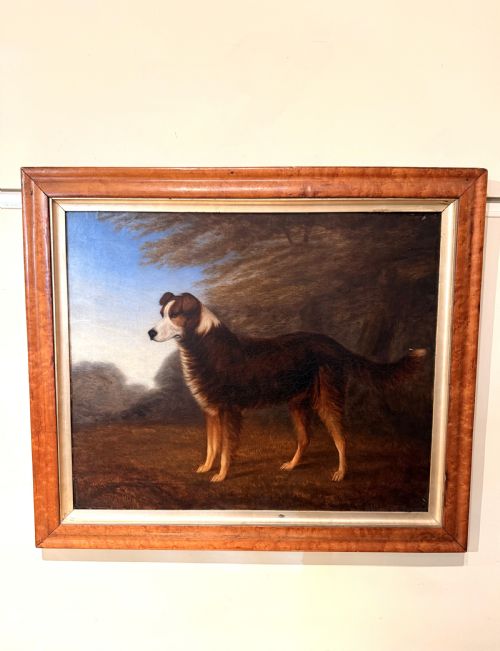
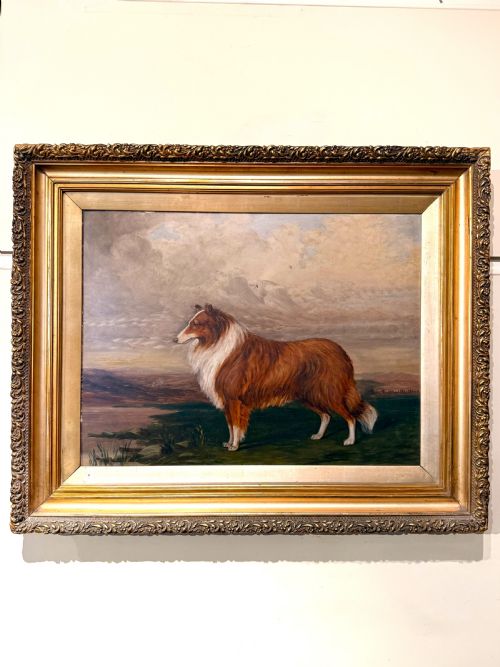
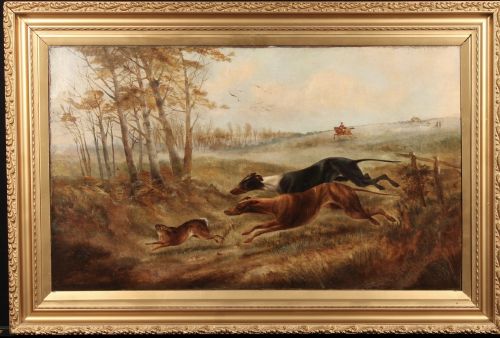
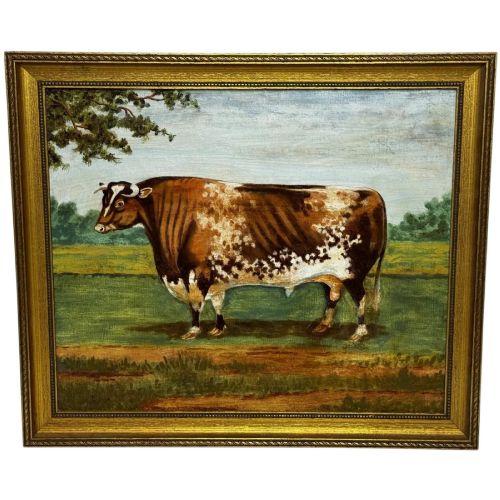
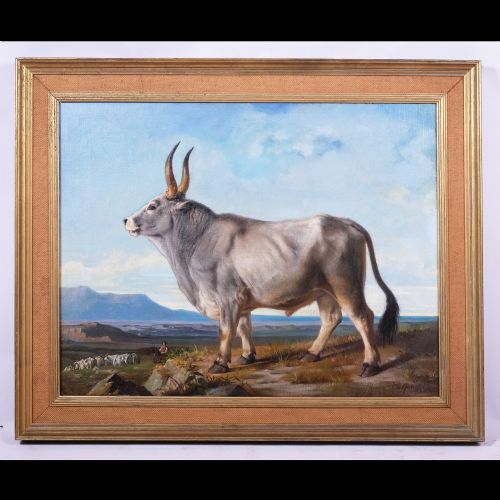
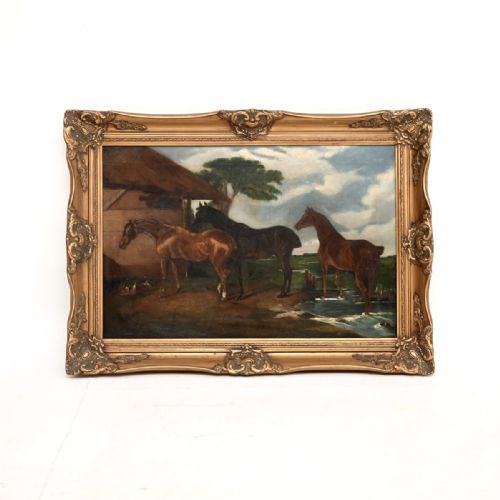
When you search for vintage animal landscape, you uncover oil paintings of dogs, cattle, and horses set within natural scenery.
Vintage Animal Landscape
A vintage animal landscape brings together domestic or farm animals and natural scenery within an oil painting, often originating from the nineteenth or early twentieth century.
The subjects on this page include sporting horses, hounds, cattle near rivers or lochs, and farmyard poultry placed firmly inside pastoral or coastal settings.
Makers and schools represented span Victorian pastoral art, nineteenth century realism, and British school painting traditions.
How they were made
Artists painted primarily with oil paint on canvas or wooden board, occasionally employing mixed media or watercolour on paper.
Finished works frequently sit within period frames finished in gilt, gesso, and gold leaf.
Vintage Animal Landscape Retail Price Guide 2026
Typical asking prices for vintage animal landscape among the pieces listed under this phrase on Sellingantiques today, from the lower quarter to the upper quarter. They describe what is for sale here now, not the wider market.
Listings span periods from the Georgian era through Victorian and Edwardian times, utilising oil paint, canvas, gesso, and giltwood.
What varies in quality
Quality rests upon the artist's ability to render the anatomy and expression of the animal with vitality against the natural background.
Execution ranges from naive folk depictions to detailed works by recorded artists working within the British and European schools.
Willem J Palman·Edmund Bristow·George Armfield·John Emms·Margaret Maitland Howard·Henry Robinson Hall·Arthur Wardle·John Frederick Herring Jnr·William Barraud·Eugene Joseph Verboeckhoven·Percival Glenfern·Claude Cardon·W.A. Clark·J L VAN Leemputten·William Sidney Cooper·James Ward·Irene Lagut·George Smith·Benedict Angell Hyland·William Crampton
The Vintage Animal Landscape Glossary
- Oil on Canvas
- A traditional painting medium where oil paint is applied to stretched woven fabric. This provides a durable surface that holds rich pigment layers over centuries.
- Giltwood
- Timber carved and coated with gold leaf or metallic powder. This material frames and elevates fine art.
- Pastoral
- A style of art depicting rural life, shepherds, and domesticated animals in open countryside. These scenes emphasise a peaceful relationship between livestock and nature.
- Realism
- An artistic movement focusing on everyday subjects and accurate depiction without idealisation. This approach ensures animals and landscapes appear true to life.
Vintage Animal Landscape: Frequently Asked Questions
What subjects appear in vintage animal landscape art?
These works feature domestic animals and livestock positioned centrally within natural topography. Common subjects include prize bulls, hunting hounds, horses near castles, and poultry in farmyards.
Surrounding scenery incorporates woodland pools, coastal streams, and Scottish lochs, framing the animals within distinct regional habitats.
How do I identify the period of a painting?
Dating relies upon examining the framing materials, canvas preparation, and stylistic markers such as nineteenth-century realism or Victorian pastoral traditions. Signatures and recorded dates on the reverse also point to specific eras.
Victorian and Edwardian works often utilise heavy gilt frames and specific pigment handling characteristic of nineteenth-century British schools.
Where should I hang these paintings at home?
These pieces suit traditional reception rooms, studies, or hallways where natural light enhances the oil pigments and gilt frames. Pair them with antique wooden furniture to echo the rural themes.
Keep canvases away from direct sunlight and damp walls to preserve the integrity of the oil paint and canvas substrate.
Are all these pieces original artworks?
The selection consists entirely of original oil paintings, watercolours, and mixed media works created by hand. Each piece represents a unique historical artwork rather than a modern reproduction.
Artists worked directly on canvas, wood, or board to capture specific rural and sporting scenes from life.