




Vintage Animal Illustration
Vintage animal illustration spans centuries of paper, ink, and watercolour capturing creatures with precise observation and character.
Vintage Animal Illustration
When you search for vintage animal illustration, you encounter works on paper, framed prints, and original paintings depicting creatures from domestic pets to exotic beasts. These pieces draw from periods ranging across the eighteenth, nineteenth, and twentieth centuries, reflecting changing tastes in natural history and artistic depiction.
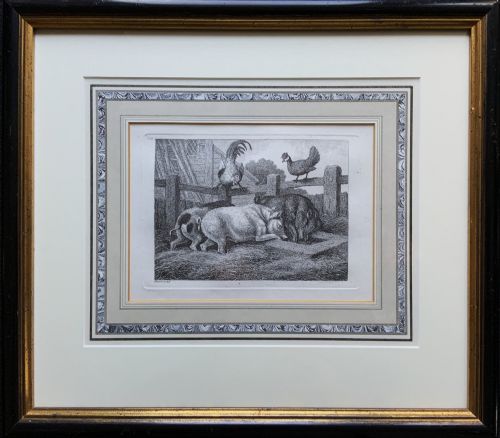
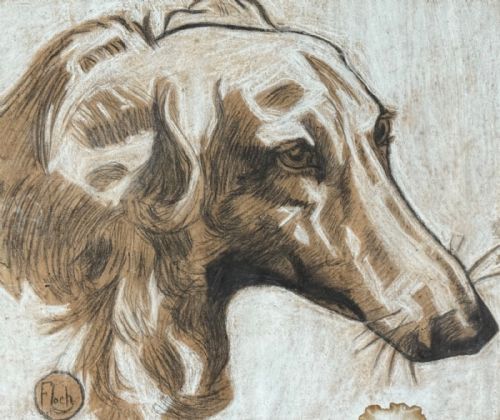
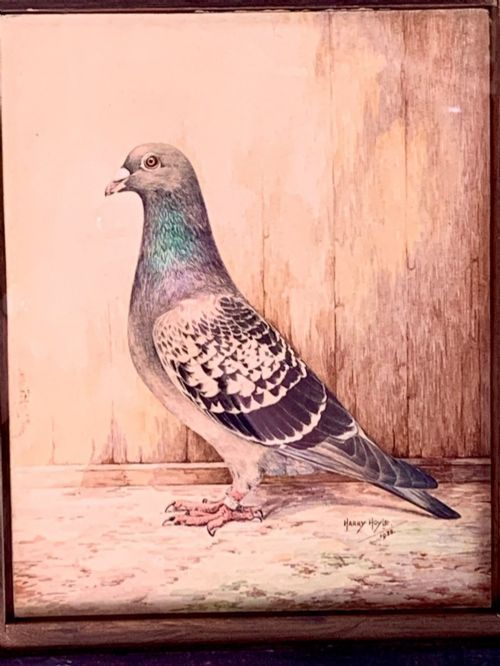
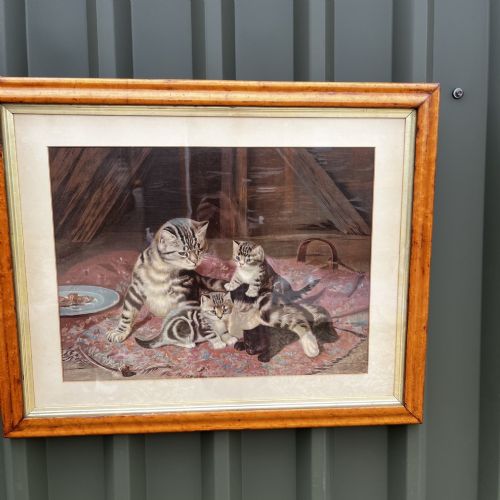
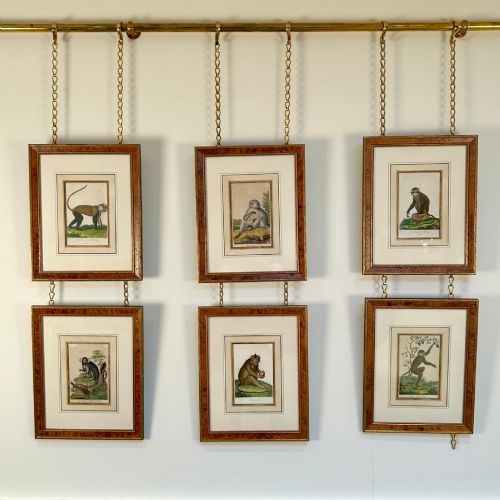
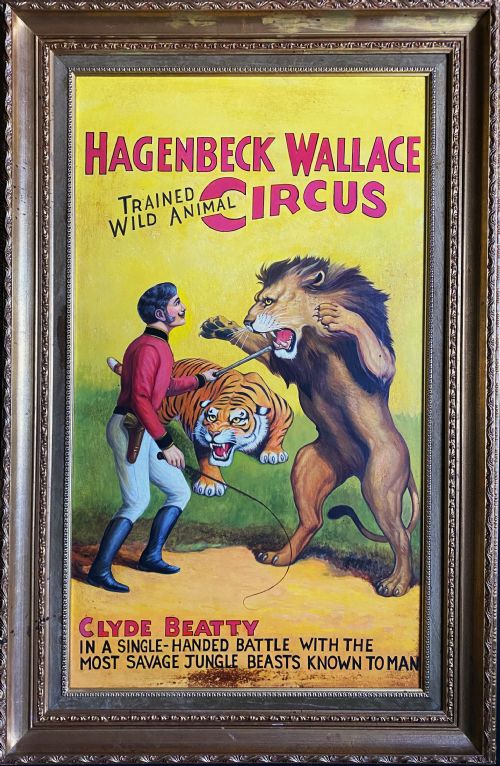
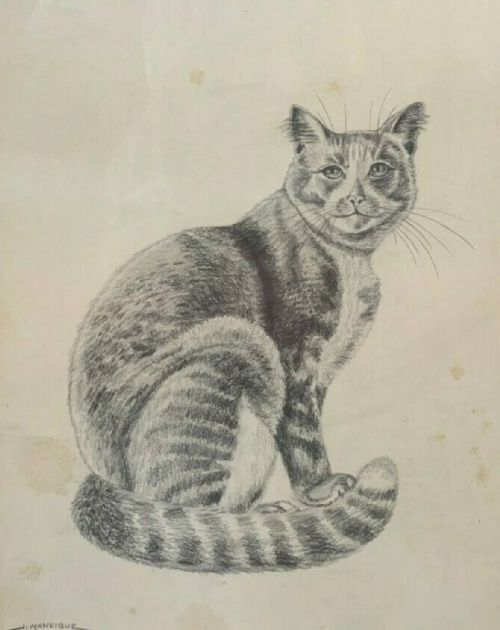
The selections on this page encompass framed artworks, etchings, engravings, and chromolithographs alongside original watercolours and pastel drawings. Domestic cats, farmyard pigs, and pedigree dogs sit alongside lions, tigers, and monkeys, presented through various historical lenses from Georgian formality to mid-century realism.
Materials and technique
The physical basis of these works relies predominantly on paper support, whether buff paper, standard drawing sheets, or book plates, paired with drawing and painting media. Artists utilised watercolour, ink, pencil, gouache, and oil pastels to build texture and tone, sometimes enhancing prints with hand-colouring.
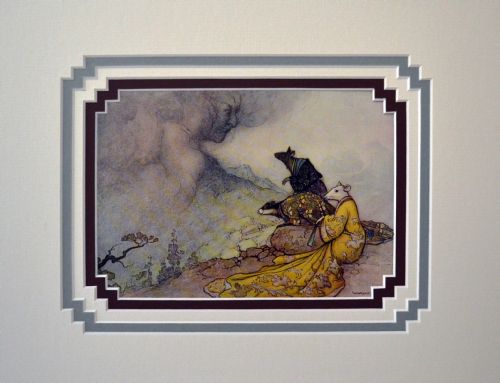
Reproduction and print techniques in the evidence include copperplate etching, steel engraving, and chromolithography, which allowed publishers to circulate detailed natural studies and fairy tale illustrations. Original compositions employ direct hand application, marking distinct boundaries between mass-produced plate work and unique studio pieces.
Vintage Animal Illustration Retail Price Guide 2026
Typical asking prices for vintage animal illustration among the pieces listed under this phrase on Sellingantiques today, from the lower quarter to the upper quarter. They describe what is for sale here now, not the wider market.
The documented styles range from Georgian and Regency through Victorian, Edwardian Art Nouveau, and Art Deco to 1930s British Realism.
Distinctions in quality
The distinction between ordinary and exceptional works rests upon the surety of the draughtsmanship and the vitality captured in the subject. Stronger pieces demonstrate anatomical precision and an understanding of posture, whereas lesser examples rely on stiff convention or generic repetition.
Material preservation and framing context further divide the range. Works retaining their original pigmentation without excessive fading, and those executed on stable paper without severe acid burn, command greater attention from collectors.
Samuel Howitt·Horatio Henry Couldrey·Warwick Goble·Louis Wain·Cuthbert Edmund Swan
The Vintage Animal Illustration Glossary
- Chromolithography
- A planographic printing process used for multicolour prints, building up hues through successive lithographic stones. It produces rich, dense colour fields seen in nineteenth-century book illustration.
- Etching
- A printmaking method where lines are bitten into a metal plate with acid before being inked and pressed onto paper. This technique yields fine, sharp linear detail.
- Gouache
- An opaque water-based paint that provides solid, matte areas of colour with greater coverage than standard watercolour. It is frequently combined with pencil or ink in twentieth-century works.
- Engraving
- A technique where an artisan cuts lines directly into a metal plate using a sharp tool called a burin. The resulting prints exhibit crisp, precise tonal lines.
Vintage Animal Illustration: Frequently Asked Questions
How do I date an animal illustration?
Dating relies on a combination of paper characteristics, printing techniques, and stylistic conventions specific to periods like the Georgian era or the Edwardian years. Signatures, inscriptions, and framing methods also offer reliable clues to origin.
Examination of the medium helps narrow the decade. Chromolithographs and hand-coloured engravings point toward the nineteenth century, while gouache on buff paper often indicates twentieth-century modernist or Art Deco approaches.
Are these works original or printed?
The listings contain both original one-off artworks, such as watercolour paintings and pastel drawings, and historical prints produced through methods like etching and engraving. Each type holds its own place in collecting.
Original pieces show brushstrokes, pencil guidelines, and direct interaction with the paper surface. Prints display uniform dot patterns or plate marks left by the printing press under pressure.
How should I frame and display paper art?
Works on paper require careful framing using acid-free mount board and conservation-grade materials to prevent yellowing and degradation over time. Keeping the glass from touching the surface of the paper is essential for ventilation.
Display locations should avoid direct sunlight and excessive humidity, both of which cause watercolours and coloured inks to fade. Controlled ambient light preserves the integrity of the pigments.
What subjects are most common?
Domestic animals such as cats, dogs, and farmyard pigs appear frequently across both nineteenth-century naturalism and twentieth-century studies. Exotic creatures including lions, tigers, monkeys, and leopards also feature prominently in historical works.
The choice of subject often reflects the artistic movement of the time, moving from scientific observation and traditional realism toward stylised character portraits in the twentieth century.