

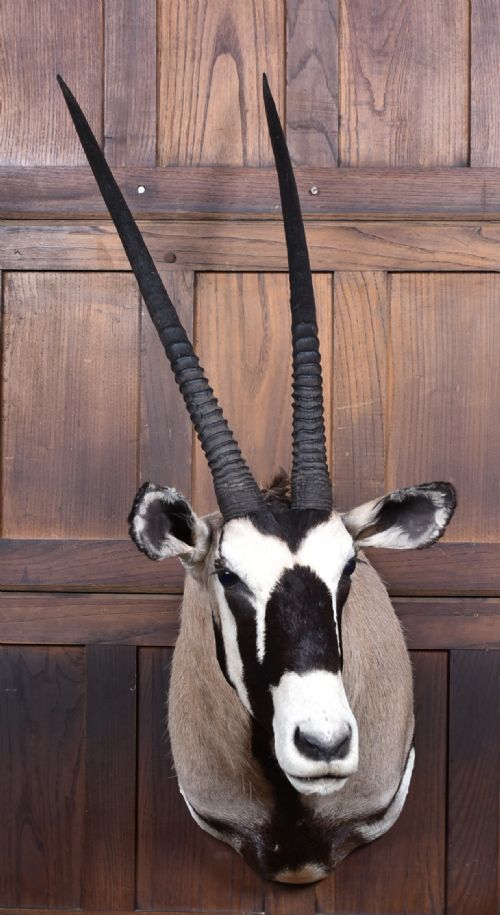
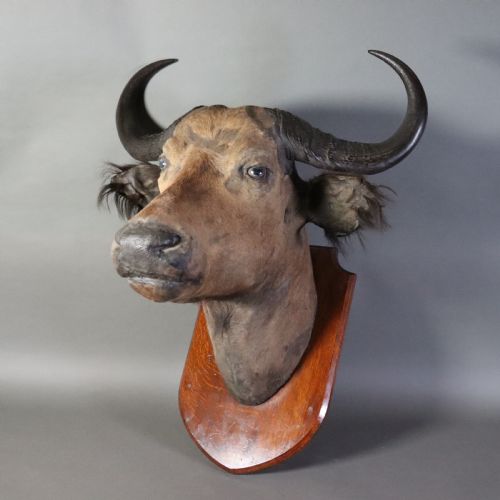
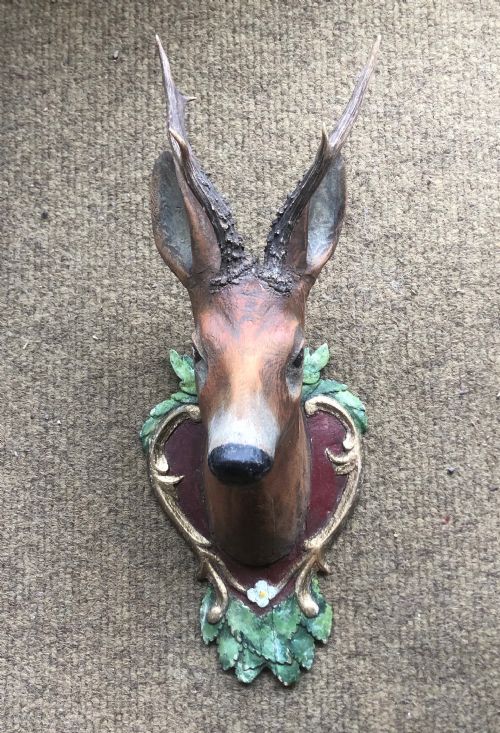


Vintage Animal Head Mount
These vintage animal head mount pieces span the Victorian, Edwardian, and Art Deco eras, offering striking forms for any interior.
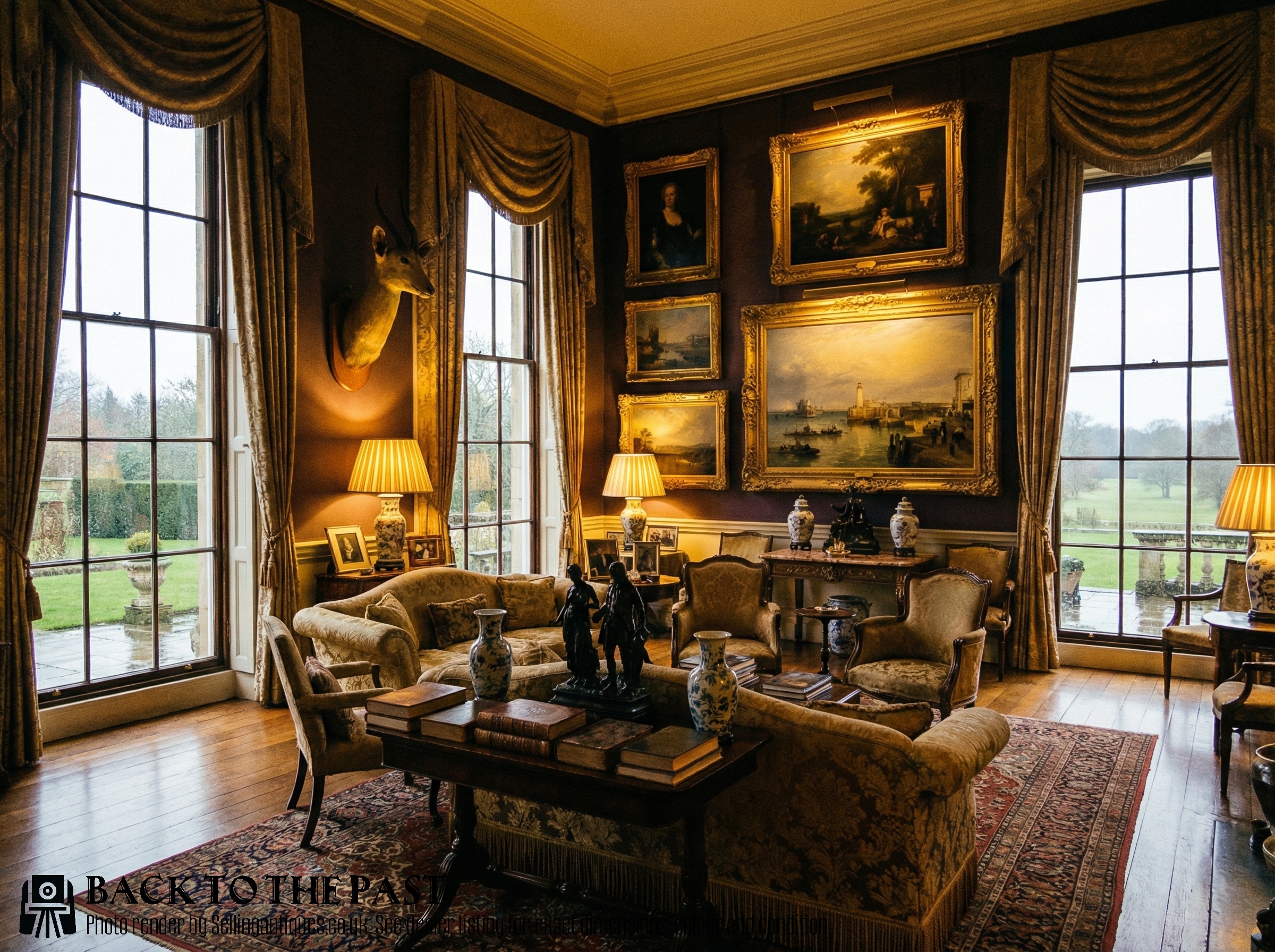
Vintage Animal Head Mount
A vintage animal head mount brings historic taxidermy and decorative sculpture into modern interiors, drawing on traditions from the nineteenth and twentieth centuries. When searching for a vintage animal head mount, buyers encounter diverse forms ranging from authentic taxidermy trophies to carved wooden sculptures and novelty walking sticks.
The pieces listed here showcase a distinct chronological spread, moving from nineteenth-century Victorian natural history specimens to Edwardian examples and later twentieth-century theatrical props. Natural animal horns, otter fur, and taxidermy hides sit alongside carved hardwoods, silver elements, and painted folk art creations.
Stylistic origins vary widely across these items, encompassing strict Victorian taxidermy, Scandinavian folk art, Neoclassical design, and Art Deco novelty items. Certain listings feature complete trophy heads such as the Nile Buffalo and Bushbuck, while others present ram horns or wall sculptures.
Materials and construction methods
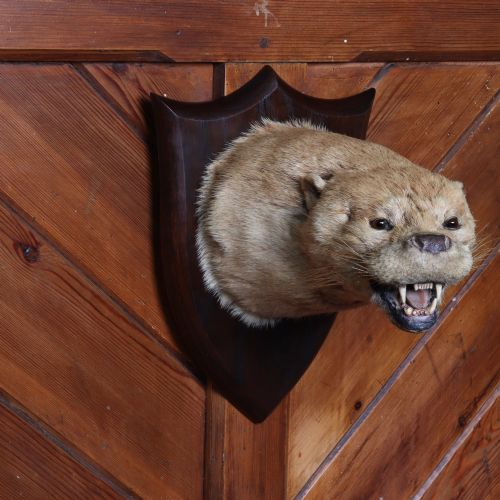
Construction relies heavily on traditional taxidermy preparation methods combined with taxidermy hide, horn, and otter fur mounted upon wooden backing boards or oak supports. Master taxidermists shaped these hides over anatomical forms to capture realistic postures and expressions.
Woodworking craftsmanship is equally prominent, utilising hardwood and oak for shield mounts, walking stick shafts, and hand-carved decorative elements. Details often incorporate cast silver components and glass eyes to enhance the lifelike appearance of the subject.
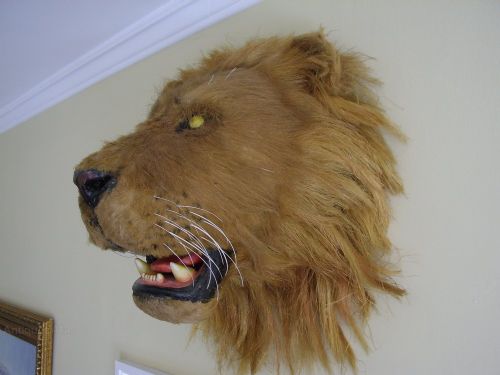
Folk art and theatrical pieces demonstrate alternative manufacturing techniques, utilising painted surfaces, theatrical prop materials, and faux taxidermy construction to achieve a specific aesthetic effect without utilising genuine animal remains.
Vintage Animal Head Mount Retail Price Guide 2026
Typical asking prices for vintage animal head mount among the pieces listed under this phrase on Sellingantiques today, from the lower quarter to the upper quarter. They describe what is for sale here now, not the wider market.
The selection includes functional walking sticks alongside wall sculptures, taxidermy mounts, and Scandinavian folk art painted deer figures.
Evaluating quality and craftsmanship
Taxidermy execution dictates the upper tier of quality, where professional preparation by established practitioners ensures the preservation of skin, hair, and horn integrity over decades. The realism of the glass eyes and the anatomical accuracy of the mounting separate standard decorative objects from superior specimens.
The quality of the secondary materials, such as solid oak shield mounts, hallmarked silver tops on walking sticks, and finely carved hardwood, contributes significantly to the overall distinction of the piece. Provenance associated with notable taxidermy firms adds further context to the craftsmanship.
Condition and original integrity remain central to the evaluation, distinguishing well-preserved antique specimens from later alterations, theatrical film props, or heavily restored examples.
Peter Spicer & Sons·Edward Gerrard & Sons·Gerrard & Sons London
The Vintage Animal Head Mount Glossary
- Taxidermy Mount
- The art of preserving, stuffing, and mounting the skin of animals with lifelike effect. These specimens form the core of historical natural history collections.
- Taxidermy Hide
- The prepared skin of an animal retaining its natural fur, hair, or hair-like covering. It requires careful chemical treatment to ensure long-term preservation.
- Folk Art
- Utilitarian or decorative objects created by self-taught or traditional artisans using local materials. Swedish painted wooden deer represent this regional aesthetic tradition.
- Novelty Walking Stick
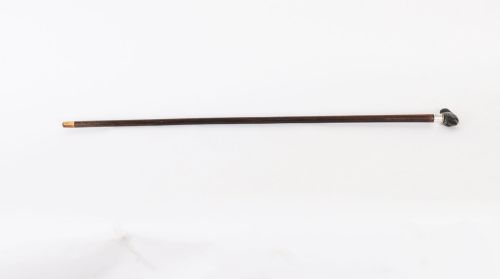
- A cane featuring an elaborately carved or cast metal handle shaped as an animal head or figure. Edwardian examples frequently paired silver tops with hardwood shafts.
- Wall Sculpture
- Three-dimensional artwork designed to be mounted directly onto a vertical surface. In this context, it includes both taxidermy trophies and carved wooden animal representations.
Vintage Animal Head Mount: Frequently Asked Questions
How do I identify a Victorian taxidermy mount?
Victorian taxidermy mounts typically feature traditional oak shield backings, glass eyes, and dense historical taxidermy hide preparation methods characteristic of the late nineteenth century.
Examination of the mounting technique and the style of the wooden backing often reveals the period origin and natural history context of the specimen.
What materials were used for these antique pieces?
Makers utilised natural horn, taxidermy hide, otter fur, oak, hardwood, and glass, frequently combining them with silver or painted finishes.
These diverse materials reflect both the natural history origins of taxidermy trophies and the decorative ambitions of folk art and Art Deco design.
Are theatrical props different from genuine antiques?
Theatrical props and faux taxidermy items are manufactured specifically for film sets or modern display, utilising alternative materials rather than historical preserved animal remains.
Genuine antiques originate from the nineteenth or early twentieth centuries and carry the distinct preparation methods of period taxidermists.
How should I care for vintage taxidermy?
Keep mounted specimens away from direct sunlight, high humidity, and extreme temperature fluctuations to protect the fragile hide, fur, and horn materials.
Gentle dusting with a soft brush helps maintain the surface without disturbing the delicate historical preparation of the specimen.