




Vintage Animal Charm
A vintage animal charm brings a miniature representation of wildlife or domestic pets to a bracelet or pendant.
Vintage Animal Charm
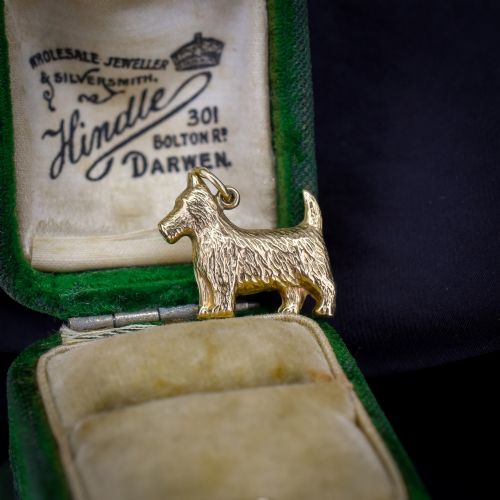
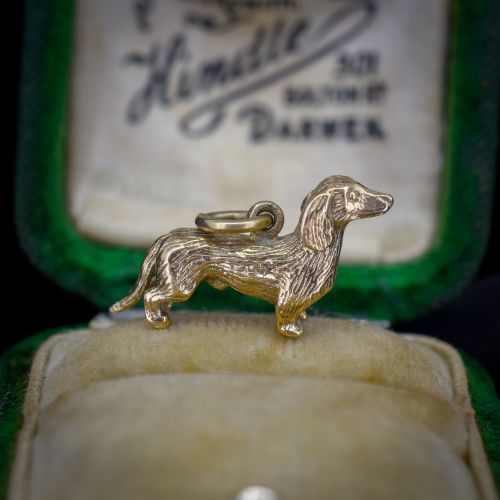
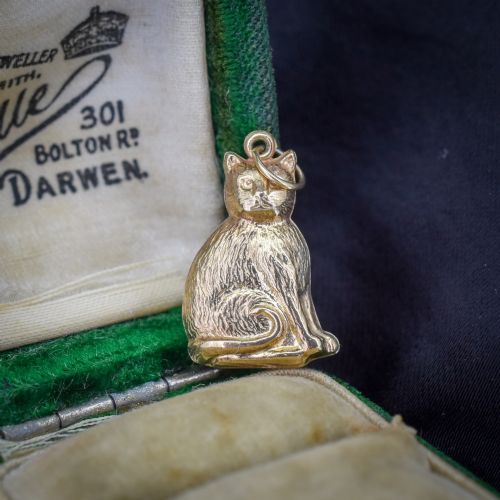
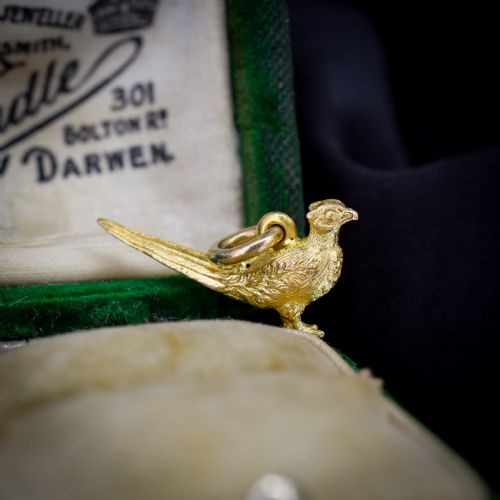
A vintage animal charm represents a creature rendered in miniature, most frequently encountered here as gold pendants and charms spanning the nineteenth to the mid twentieth century. These small objects take the form of domestic dogs, wild birds, and exotic beasts, often designed to be suspended from a bracelet or neck chain.
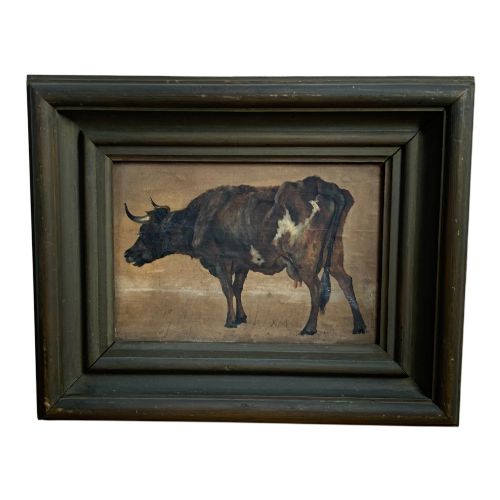
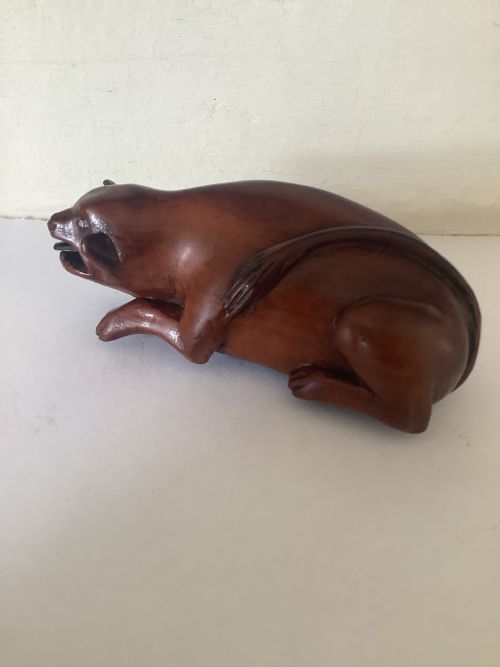
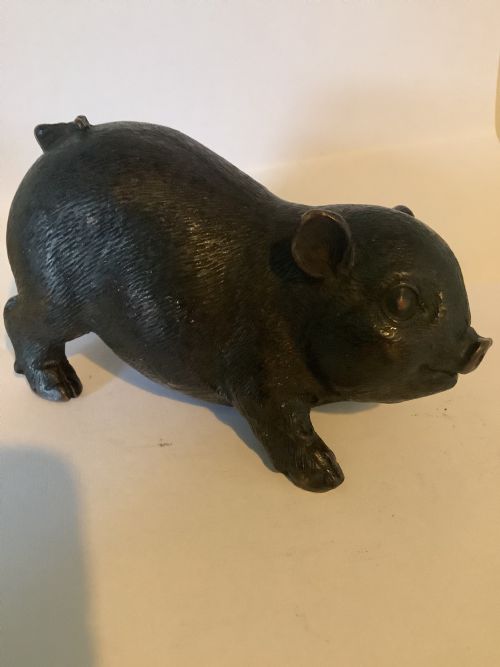
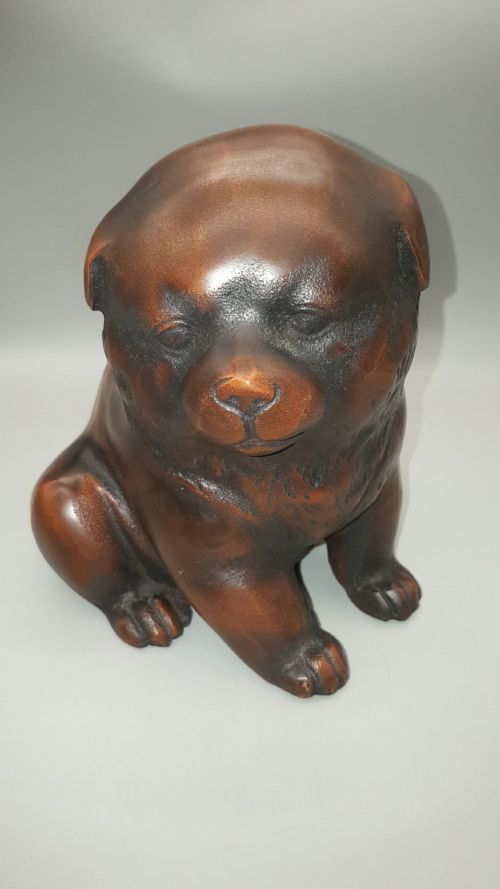
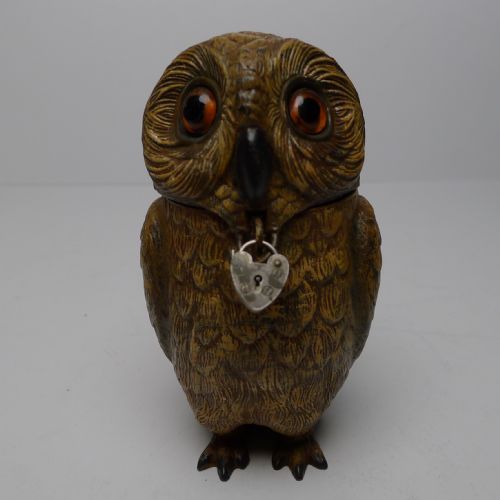
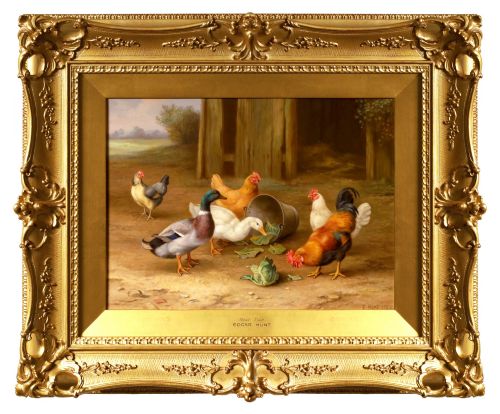
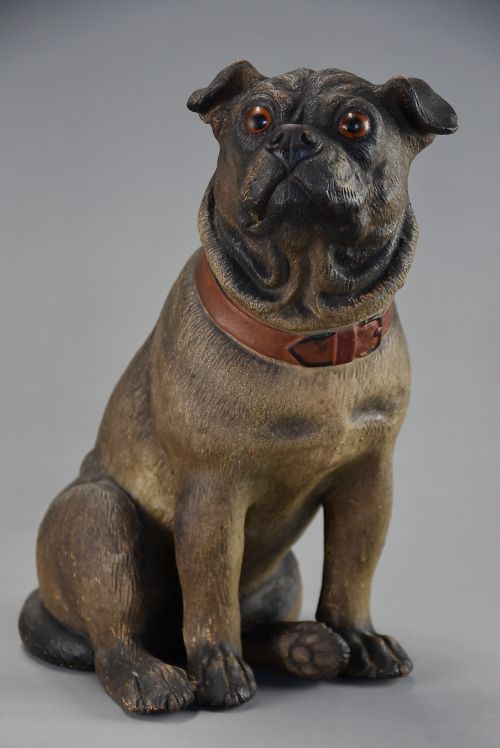
The selection extends beyond standard trinkets to encompass bronze sculptures, painted money boxes, carved wooden okimono, and framed artwork depicting animals. Buyers encounter diverse stylistic approaches ranging from the traditional realism of Victorian and Edwardian works to the cleaner lines of the mid twentieth century.
How they were made
Alternative media involve hand carved wood and terracotta, alongside pigments applied to paper, canvas, and metal surfaces. Cold painted finishes add distinct coloration to bronze figures, while enamel provides durable colour on gold and precious metal bodies.
Vintage Animal Charm Retail Price Guide 2026
Typical asking prices for vintage animal charm among the pieces listed under this phrase on Sellingantiques today, from the lower quarter to the upper quarter. They describe what is for sale here now, not the wider market.
Object forms include wearable pendants, freestanding animal sculptures, money boxes, snuff boxes, and framed paintings.
What varies in quality
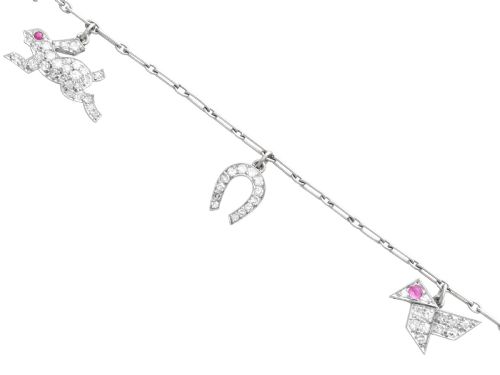
Quality rests upon the precision of the modelling and the clarity of the artisan's hand, distinguishing lively, anatomically convincing depictions from generic mass production. Finer examples display deliberate texturing of surfaces and secure integration of inset gemstones such as rubies or diamonds.
The integrity of the original material state governs overall merit, separating well preserved patinated surfaces and intact hallmarks from pieces suffering heavy wear or loss of enamel and paint. Maker signatures and legible date stamps add documentary weight to better examples.
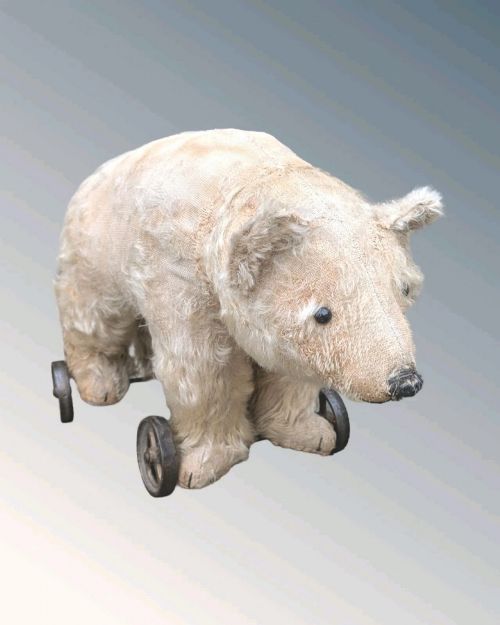
Tsunemitsu·Edgar Hunt·Steiff·P.de Soete
The Vintage Animal Charm Glossary
- Cold painted bronze
- A manufacturing method where bronze figures are painted with oil or enamel colours that are not subjected to high kiln temperatures. This technique permits vibrant coloration on small animal sculptures.
- Okimono
- A Japanese term for a decorative object intended for display on a tabletop or within a tokonoma alcove. These carved wooden figures often depict animals with intricate detail.
- Spelter
- An alloy based on zinc that mimics bronze or brass more affordably. It serves as a base for painted novelty items such as money boxes.
- Hallmark
- An official stamp applied to precious metals indicating purity and origin. These tiny marks confirm the gold or silver content of small charms.
Vintage Animal Charm: Frequently Asked Questions
How do I wear a vintage animal charm?
These pieces generally attach to a link bracelet or hang from a fine neck chain using a jump ring or split ring. Collectors often group multiple figures together to create a textured arrangement.
Heavier gold pendants function well as solitary necklace focal points, while smaller stamped metal charms suit wristwear where movement displays their details.
What periods do these charms come from?
The selection spans from the nineteenth century through the Edwardian era and into the mid twentieth century. Pieces from the Victorian period sit alongside 1920s Art Deco designs and 1960s gold creations.
Stylistic cues and metal hallmarks help distinguish earlier handmade examples from later twentieth century production.
Are these items made of solid gold?
Many of the metal charms and pendants are fashioned from solid nine carat or eighteen carat yellow gold. Some pieces incorporate gemstones like diamonds, rubies, sapphires, pearls, and emeralds.
Other listed items utilise alternative materials including bronze, silver, wood, terracotta, and painted spelter rather than precious metals.
How do I identify the age of a charm?
Dating relies upon a combination of style, manufacturing technique, and metal hallmarks stamped directly onto the piece. Edwardian and Victorian examples often feature distinct chased details and heavier casting.
Mid-century items from the 1950s and 1960s frequently carry specific year stamps alongside standard gold purity marks.