



Vintage Amber Jewellery
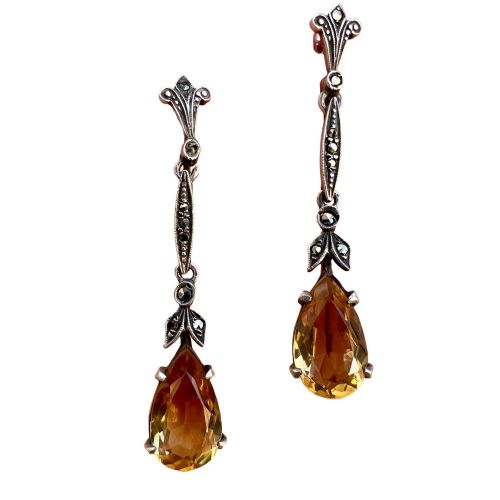
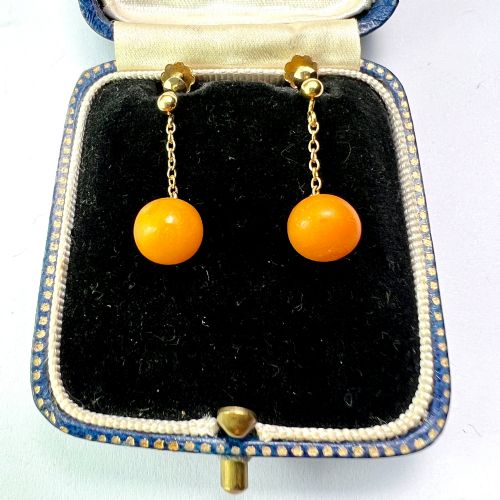
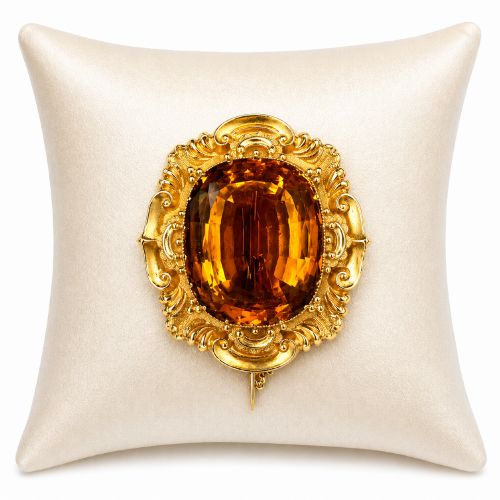
These pieces of vintage amber jewellery range from Edwardian pendants to Art Deco necklaces, offering warm organic tones and rich history.
Vintage Amber Jewellery
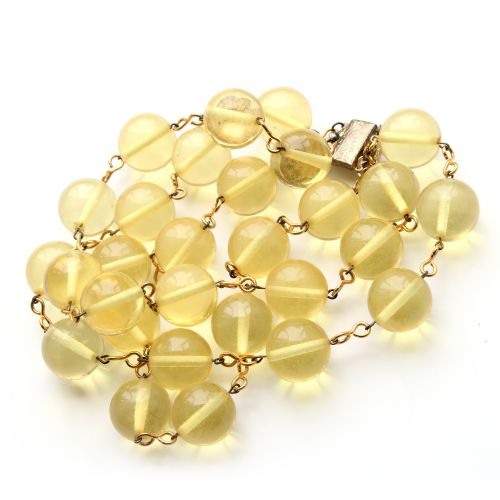
The pieces on this page lean heavily towards the 1930s and Edwardian periods, alongside mid-century examples. You will find natural Baltic amber and butterscotch beads, often paired with sterling silver or 9ct gold settings.
Assessing quality
Quality in these items rests upon the clarity and depth of the resin, the uniformity or intentional graduation of the beads, and the integrity of the metal mounts. Pieces featuring well-matched natural amber with secure silver or gold settings stand apart from simpler assemblies.
The finesse of the metalwork, whether simple sterling silver links or intricate Edwardian detailing, dictates the overall character and standard of the piece.
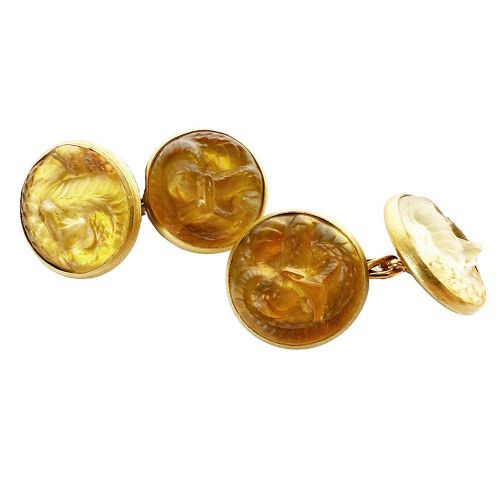
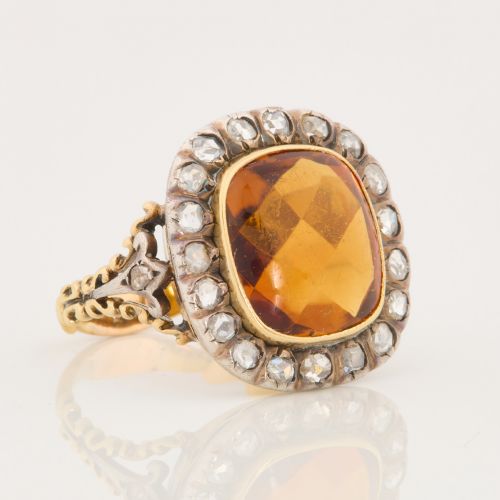
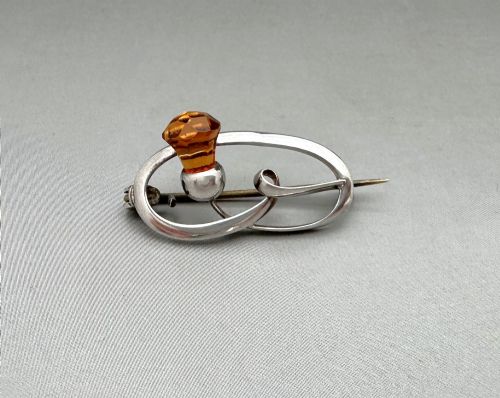
The object forms span necklaces, earrings, brooches, rings, and pendants, reflecting diverse styles from Art Nouveau to Celtic Revival.
Paris House London·R Lalique·Charles Horner·S Theeman·David-Andersen of Norway
The Vintage Amber Jewellery Glossary
- Baltic Amber
- Fossilised tree resin originating from the Baltic region, prized for its clarity and warm hues. It forms the basis of many traditional bead necklaces and pendants.
- Bakelite
- An early form of synthetic plastic utilised in twentieth-century jewellery production. It often mimics the rich colours of natural amber in vintage necklaces and bangles.
- Sterling Silver
- An alloy of silver containing parts of other metals for durability, commonly used for settings and chains in antique and vintage pieces.
- Graduated Beads
- Beads that increase incrementally in size from the clasp towards the centre of a necklace. This technique ensures a balanced drape around the neck.
- Jabot Pin
- A decorative ornamental pin historically used to secure folds of fabric on a jabot or cravat. They often feature detailed sterling silver or gold decorative heads.
Vintage Amber Jewellery: Frequently Asked Questions
How do I care for vintage amber jewellery?
Amber is a relatively soft organic resin that requires gentle handling to preserve its polished surface. Clean the stones simply with a soft, damp cloth and avoid harsh chemical cleaners or ultrasonic baths.
Store your amber pieces separately from harder gemstones or metal items to prevent scratching. Keeping them away from direct heat and perfumes will help maintain their natural lustre over time.
How can I tell natural amber from plastic?
Natural amber often displays microscopic organic inclusions, tiny air bubbles, or natural flow lines within the stone. It tends to feel warm to the touch rather than cold like glass.
Many vintage pieces also incorporate early plastics such as Bakelite, which can be identified through specialist testing methods. Examining the uniformity and weight of the beads helps determine the material.
What periods are common in amber jewellery?
The pieces available span several distinct eras, notably the Edwardian period, the 1930s Art Deco movement, and the 1950s. Each era brings specific metalworking styles and mounting techniques to the amber.
Edwardian designs often feature delicate wirework in gold or silver, while 1930s pieces frequently showcase bolder geometric or butterscotch bead arrangements.
Are these pieces suitable for daily wear?
Many of these necklaces, bracelets, and earrings are robust enough for regular use, provided they are handled with reasonable care. Items with secure sterling silver or gold settings offer reliable durability for everyday outfits.
More delicate Edwardian or Victorian pieces with intricate clasps or fine chains benefit from occasional wear and careful storage to preserve their historical condition.