


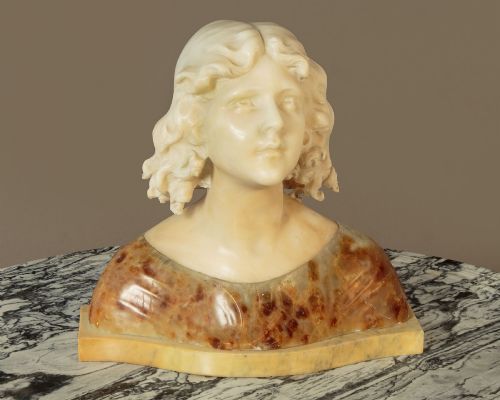


Vintage Alabaster Art
Vintage alabaster art brings carved translucency and sculptural form to interiors, ranging from lighting to figural works.
Vintage Alabaster Art
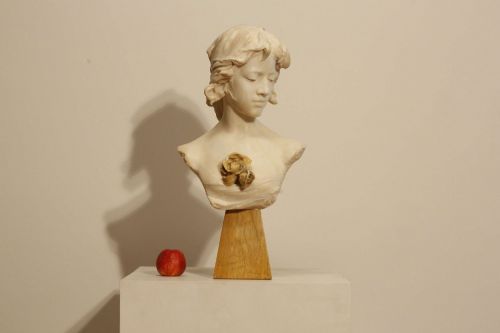
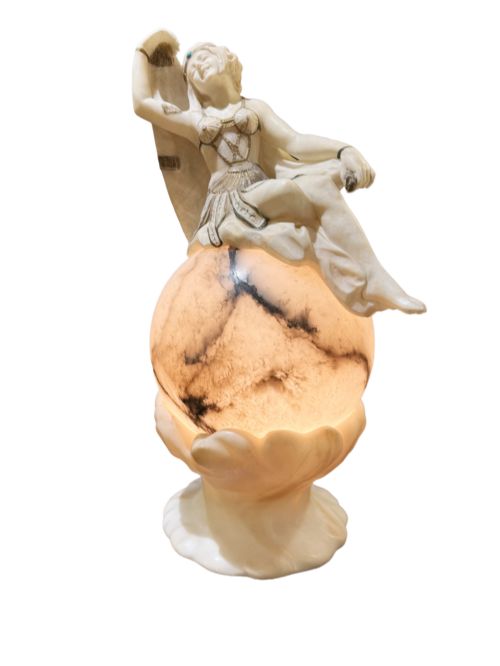
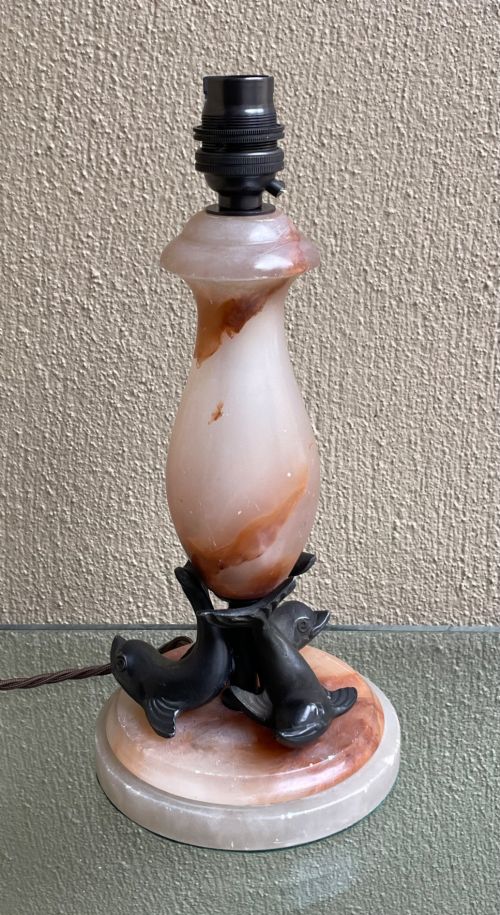
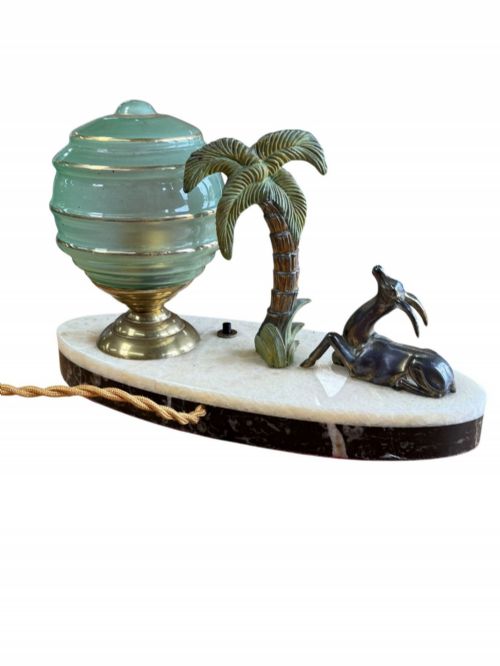
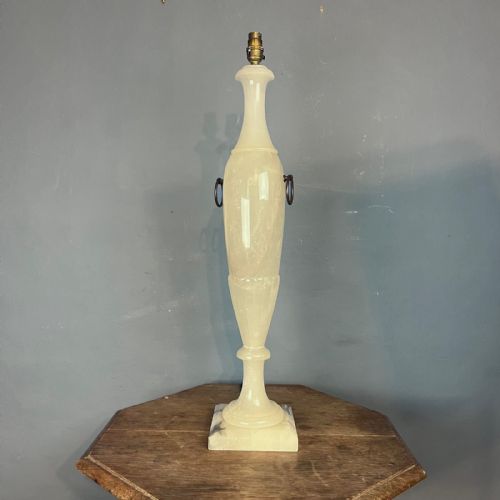
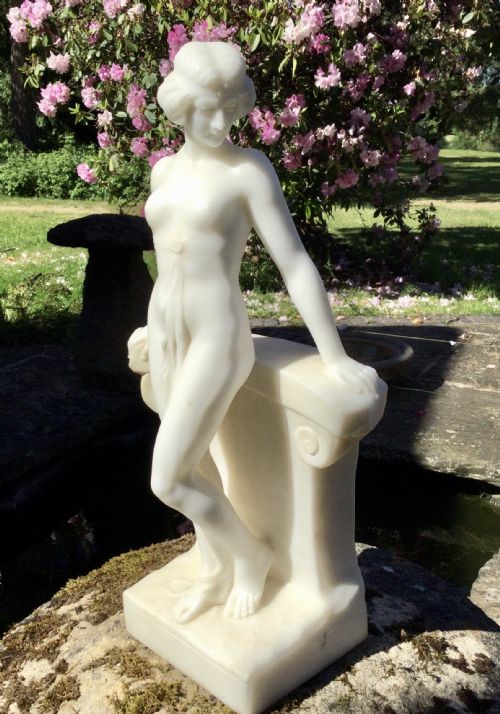
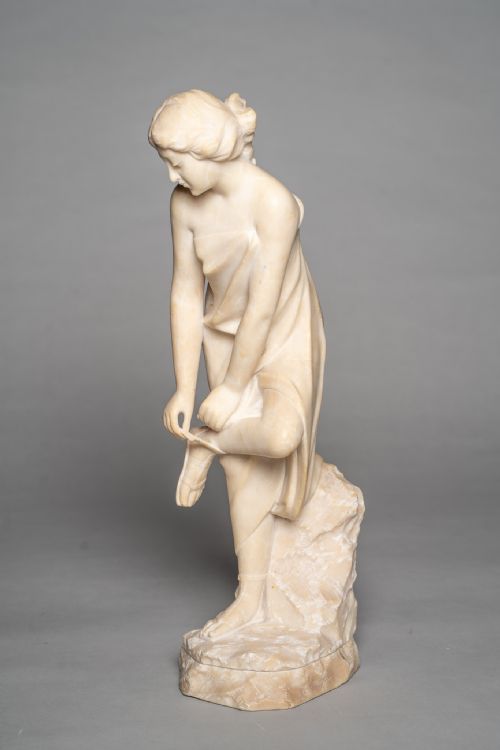
Vintage alabaster art encompasses carved decorative objects, lighting fixtures, and figural sculptures produced from the late nineteenth century through the mid twentieth century. When exploring vintage alabaster art, buyers encounter items shaped during distinct stylistic periods including Victorian, Art Nouveau, Arts and Crafts, and Art Deco movements.
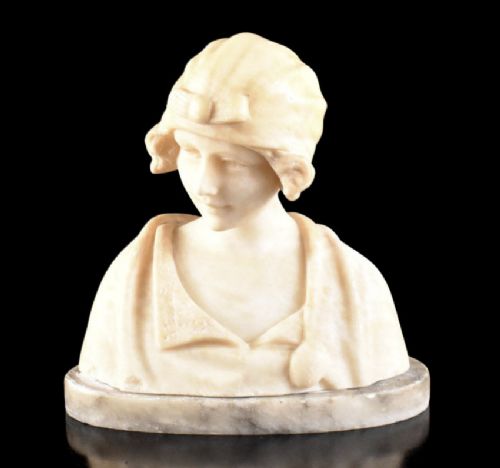
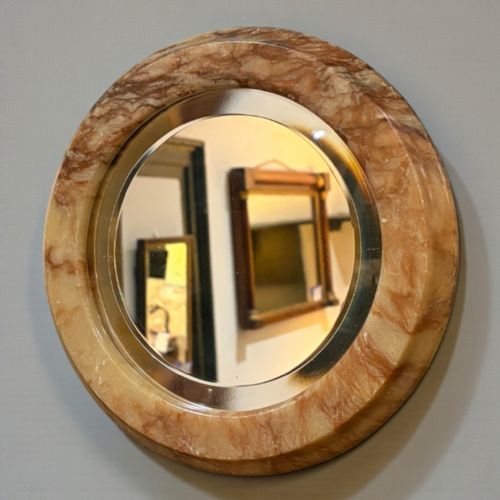
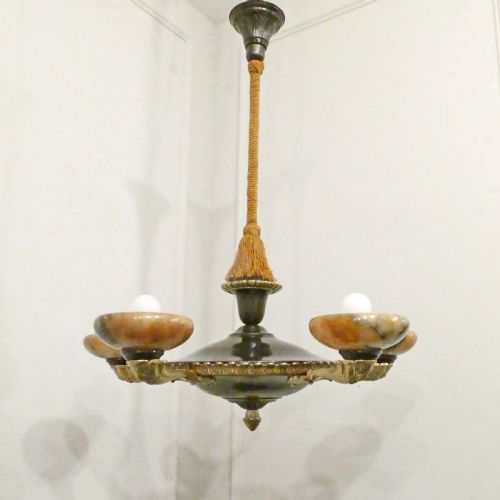
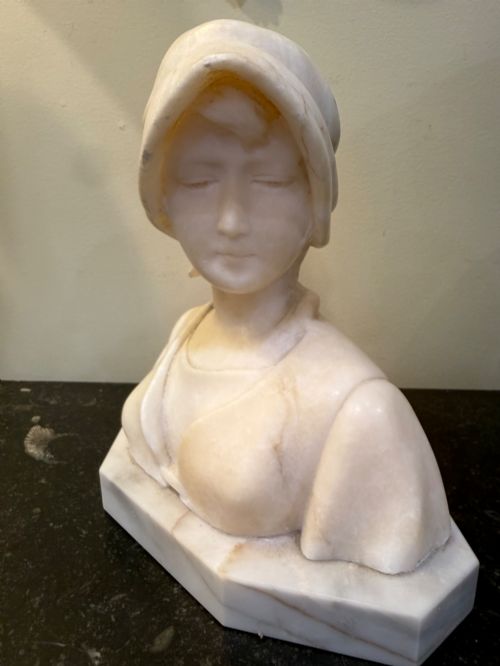
The most common forms on this page include figural busts, table lamps, ceiling lights, and bookends. Many pieces originate from Italian and French workshops, utilising the soft stone's natural ability to diffuse light and hold fine sculptural detail.
Assessing quality and craftsmanship
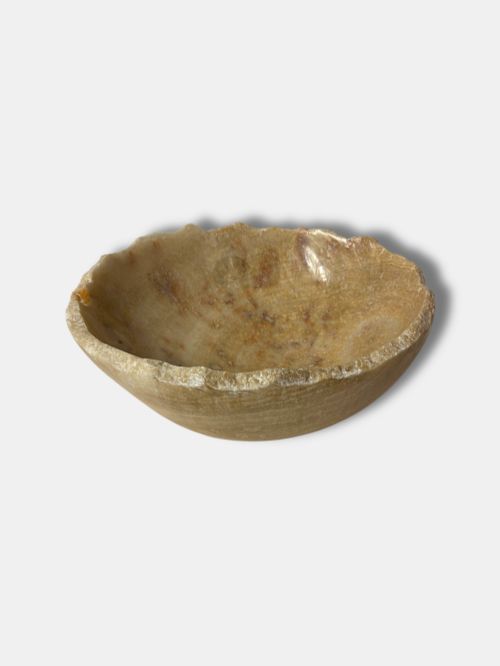
In lighting fixtures, the thickness and translucency of the stone bowl determine the quality of light diffused. Superior examples maintain structural integrity across large spans without heavy internal reinforcement.
Vintage Alabaster Art Retail Price Guide 2026
Typical asking prices for vintage alabaster art among the pieces listed under this phrase on Sellingantiques today, from the lower quarter to the upper quarter. They describe what is for sale here now, not the wider market.
A. Gamay·Pugi
The Vintage Alabaster Art Glossary
- Alabaster
- A soft, fine-grained stone used for carving sculptures and lighting bowls due to its natural translucency. It permits light to pass through its surface with a soft glow.
- Art Deco
- A design style prevalent in the 1920s and 1930s characterised by geometric symmetry, stylised figures, and streamlined forms. This aesthetic heavily influences the lighting and figural sculptures of the period.
- Spelter
- An alloy of zinc and lead used for casting decorative figures, frequently mounted onto stone bases. It provides a metallic contrast to carved alabaster.
- Bust
- A sculpted representation of a person's head, shoulders, and chest. These serve as prominent decorative objects in nineteenth-century and early twentieth-century interiors.
Vintage Alabaster Art: Frequently Asked Questions
How do I clean vintage alabaster?
Alabaster is a soft and porous stone that absorbs liquids easily. Use a dry, soft cloth to remove dust, avoiding water and chemical cleaning agents.
Moisture can permanently stain or dissolve the surface. Keep carved pieces away from damp environments and direct water exposure.
How do I rewire vintage alabaster lamps?
Consult a qualified electrician to replace old fabric cords and internal components with modern wiring standards. Retaining the original metal fittings preserves the historical integrity of the piece while ensuring electrical safety.
Ensure the weight of the stone shade is properly supported by the new hardware. Professional installation prevents damage to fragile carved sections.
What is the difference between alabaster and marble?
Alabaster is significantly softer than marble and possesses a natural translucency that allows light to pass just beneath the surface. Marble is harder, denser, and generally opaque with distinct veining patterns.
Sculptors favoured alabaster for interior vessels and lamps because of its light-diffusing properties. Marble was more commonly selected for heavy architectural elements and durable exterior or floor-standing monuments.
How do I date vintage alabaster lighting?
Examine the stylistic indicators of the metal mounts, such as geometric patterns characteristic of the 1920s and 1930s Art Deco period. Earlier Victorian and Arts and Crafts pieces feature more ornate or hand-hammered details.
Inspect the wiring channels and suspension fixings for manufacturing clues. Original fabric cords and patinated brass fixtures often corroborate the era of production.