

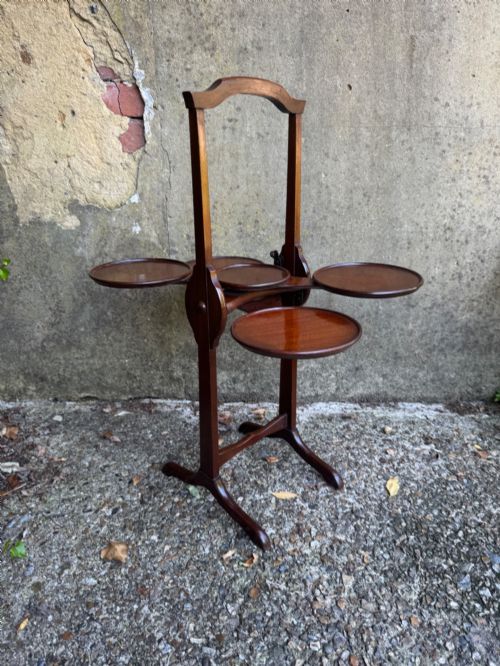
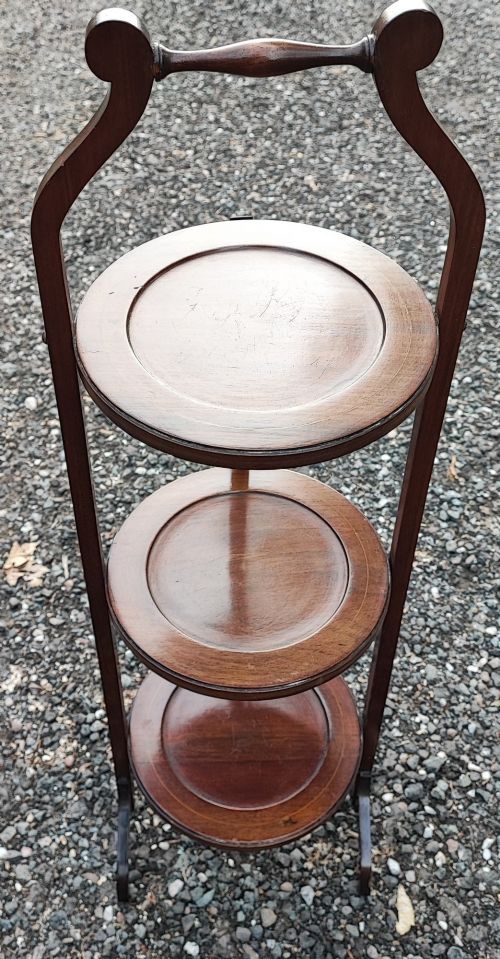


Vintage Afternoon Tea Stand
A vintage afternoon tea stand brings tiered elegance to a room, offering practical display space through folding wooden and metal designs.
Vintage Afternoon Tea Stand
When you search for a vintage afternoon tea stand, you encounter tiered wooden furniture designed for serving cakes and light refreshments. The selection on this page centres primarily on Edwardian pieces alongside examples from nineteen hundred up to nineteen sixty.
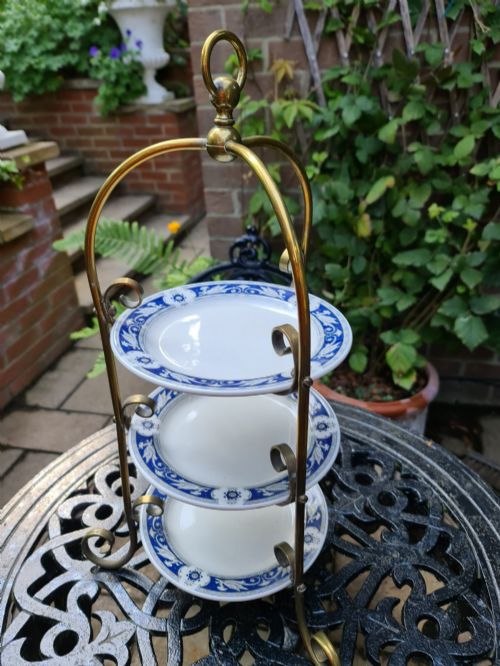
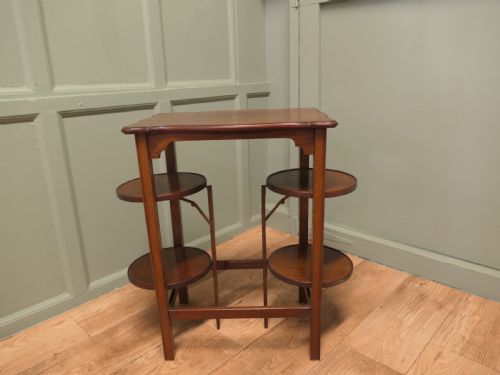
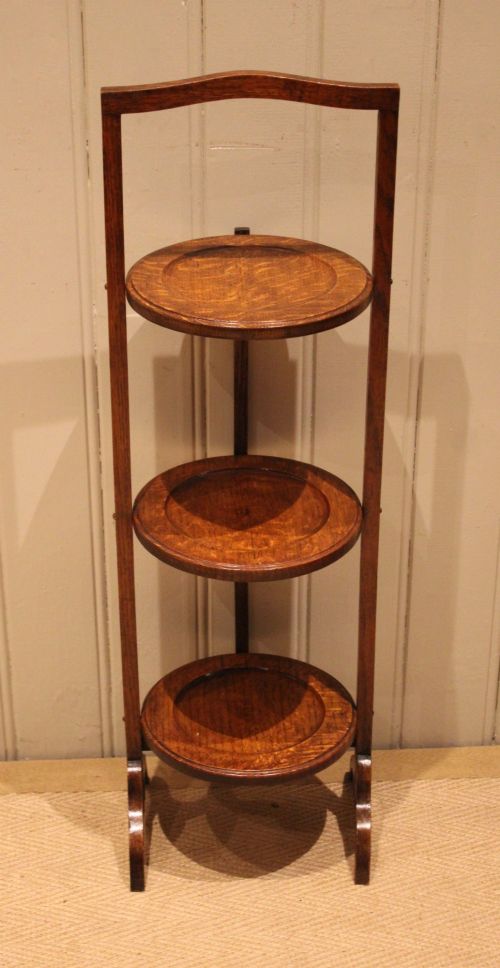
Most items take the form of folding cake stands with two or three tiers, alongside occasional side table combinations and french toleware gueridon designs. Oak and mahogany dominate the material list, frequently enhanced by boxwood inlay and brass fittings.
The assortment ranges from simple daily utility pieces to sheraton revival items with decorative inlays. You will also find rarer variants like the monoplane folding tea table alongside standard three tier models.
Materials and construction
Makers utilised solid timbers like oak and mahogany to build the structural framework for these tiered stands. Boxwood inlay provides delicate decorative contrast on specific Edwardian and sheraton revival examples.
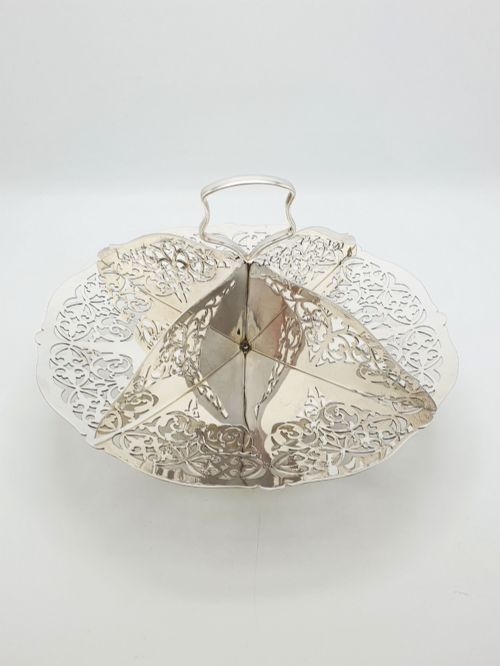
Many pieces incorporate folding mechanisms designed for compact storage when not in use for tea service. Metal components such as brass hardware appear alongside ceramic elements and painted toleware on mid century items.
Vintage Afternoon Tea Stand Retail Price Guide 2026
Typical asking prices for vintage afternoon tea stand among the pieces listed under this phrase on Sellingantiques today, from the lower quarter to the upper quarter. They describe what is for sale here now, not the wider market.
Some Edwardian stands fold up so neatly you might mistake them for a small wooden accordion until tea time arrives.
Judging the range
Differentiation across these stands rests upon timber selection and decorative detail rather than basic utility. Plain oak or mahogany models serve a functional purpose, whereas sheraton revival pieces display refined boxwood inlay and superior cabinet work.
The complexity of the mechanism also influences distinction, moving from simple static side tables to intricate folding tier arrangements. Unusual forms like the monoplane design or french toleware gueridon stand apart from standard production models.
The Vintage Afternoon Tea Stand Glossary
- Edwardian
- Pertaining to the reign of King Edward the Seventh, spanning from nineteen hundred to nineteen ten, known for lighter and more graceful furniture designs than the preceding Victorian era.
- Sheraton Revival
- A late nineteenth and early twentieth century style drawing inspiration from the neoclassical furniture designs of Thomas Sheraton, typically featuring satinwood, mahogany, and fine inlay.
- Toleware
- Metalware painted and lacquered in decorative finishes, originating in France and frequently seen on mid twentieth century serving items.
- Boxwood Inlay
- Contrasting light wood inserted into recesses within a darker timber surface to create decorative borders or motifs.
- Gueridon
- A small French table, often circular with multiple tiers or a central column, used for display or serving.
Vintage Afternoon Tea Stand: Frequently Asked Questions
What is a vintage afternoon tea stand?
A vintage afternoon tea stand is a tiered piece of furniture historically used for presenting cakes and light refreshments during afternoon tea. These items typically feature folding tiers made from timbers such as mahogany or oak.
They offer a practical way to display items while taking up minimal floor space when collapsed. Most examples date from the Edwardian period or the early twentieth century.
How do you use a tiered cake stand?
These stands serve as decorative display surfaces in living spaces or dining rooms. You can place plants, books, or decorative objects across the multiple levels.
Many versions fold flat, allowing you to store them away easily when not in use. They suit corners or smaller spaces where extra surface area is beneficial.
How do I identify an Edwardian tea stand?
Edwardian tea stands often feature lighter woods like mahogany and frequently incorporate boxwood inlay for decoration. The construction tends to be graceful and less heavy than Victorian furniture.
Date attributions for these pieces generally cluster around nineteen hundred to nineteen ten. Many examples rely on folding mechanisms that allow the tiers to swing or collapse together.
What is the difference between oak and mahogany stands?
Oak stands generally present a pronounced grain pattern with a sturdier, rustic appearance suited to traditional interiors. Mahogany versions often display a smoother, reddish-brown finish and frequently carry finer details such as inlay.
Both timbers provide the durability required for multiple tiers. Choice between them depends purely on the surrounding wood tones in your room.