

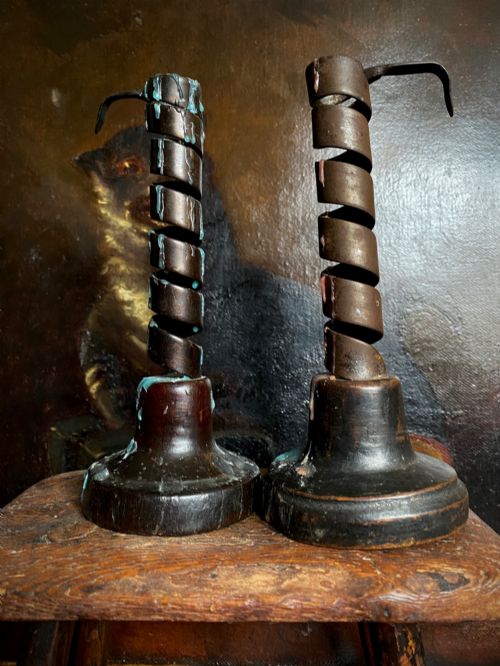
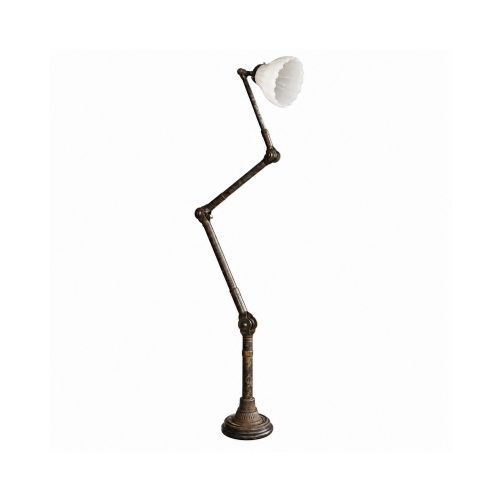
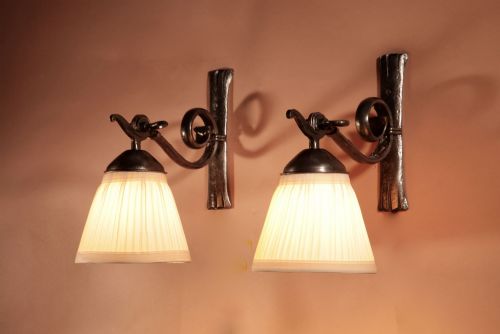
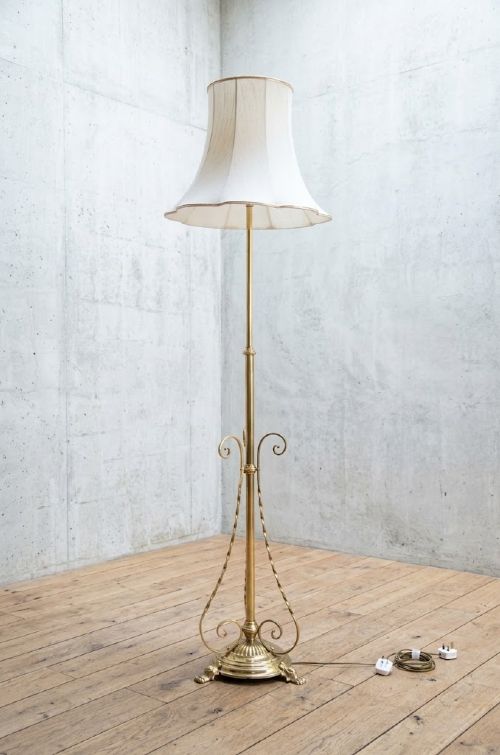
Vintage Adjustable Light
A vintage adjustable light offers mechanical ingenuity and directional illumination, combining period craftsmanship with movable arms, stems, or shades.
Vintage Adjustable Light
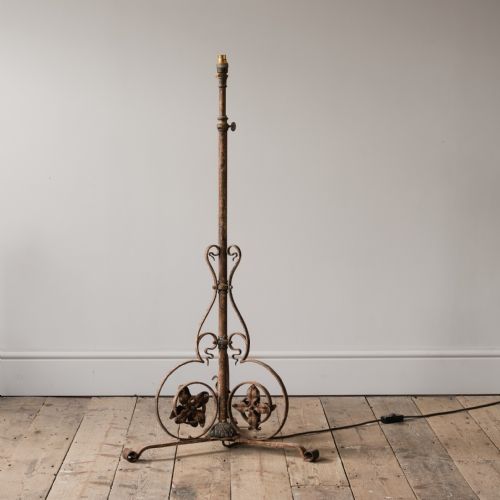
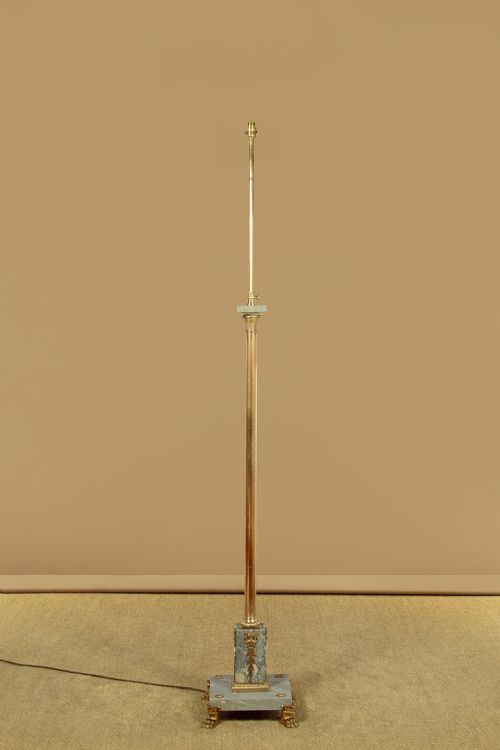
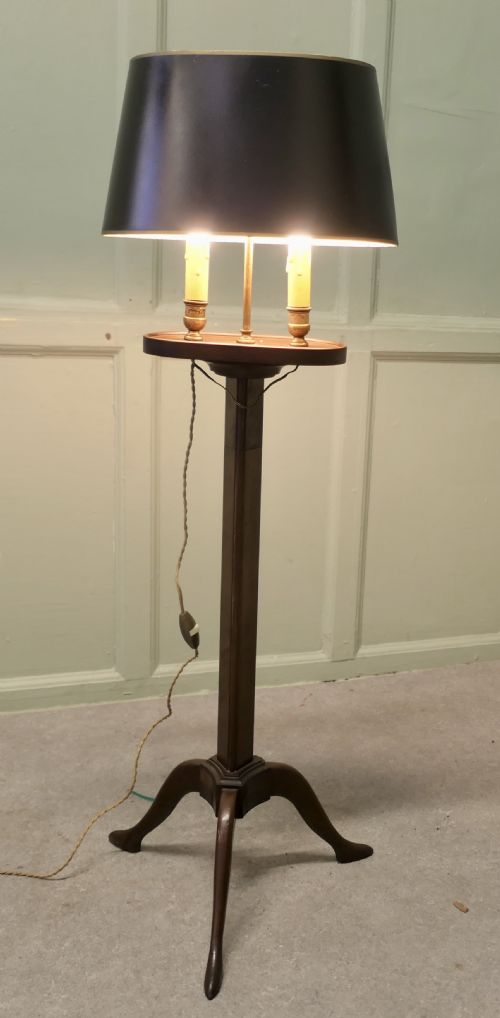
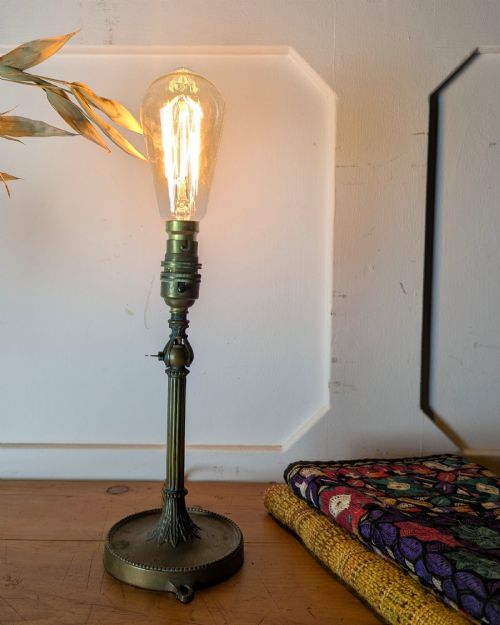
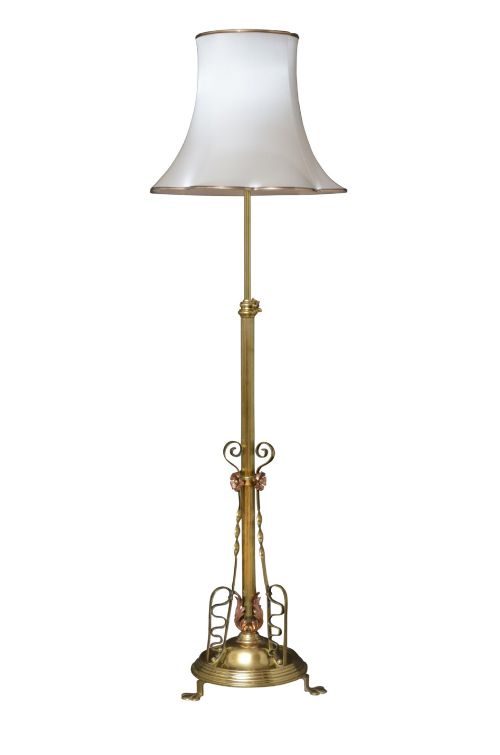
When you search for a vintage adjustable light, you encounter a wide selection of period task and ambient fixtures designed to move and direct illumination precisely where required. The options span floor lamps, desk lamps, wall lights, and standard lamps originating from the nineteenth century through the mid-twentieth century.
Brass is the predominant metal across these pieces, frequently accompanied by wrought iron, chrome, steel, and copper. Styles range from Victorian and Edwardian to Art Deco and Arts and Crafts, reflecting the functional shifts in domestic and workspace lighting over successive decades.
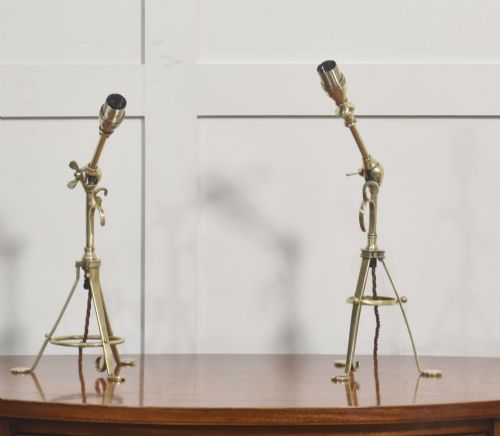
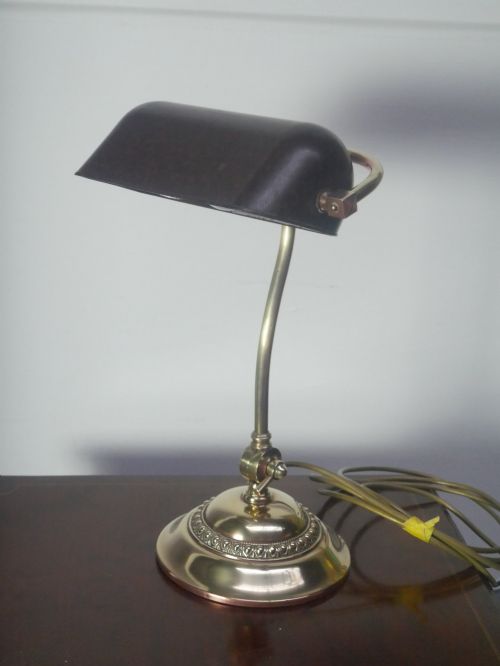
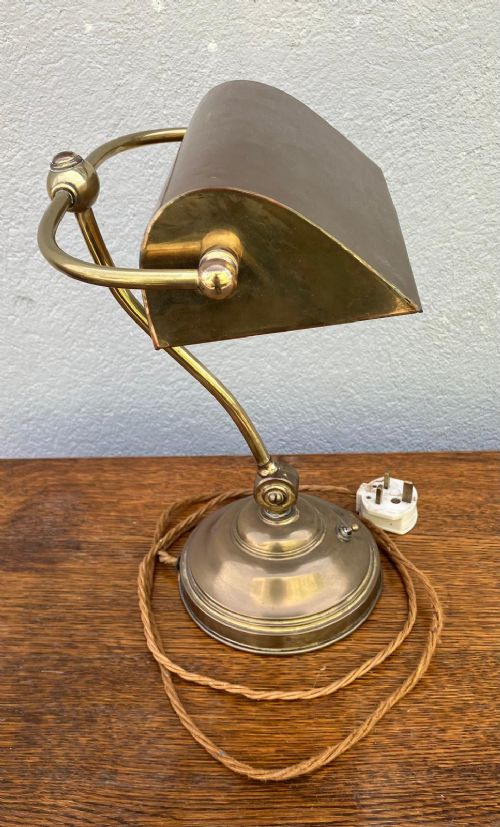
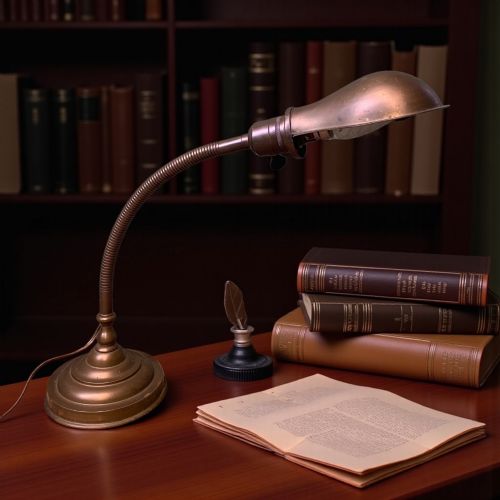
You are most likely to meet standard floor lamps and desk models utilising articulated joints, rise and fall mechanisms, or pivoting arms. These designs serve both utilitarian and decorative purposes in period interiors.
How they were made
Makers utilised heavy cast and spun brass, alongside hand-hammered wrought iron and steel, to build rigid frames capable of supporting movable arms and weighted bases. Joints were articulated using threaded screws, counterweights, and sliding stems that allowed smooth height and angle adjustments.
Wiring and electrical components were integrated into older conversions originally designed for oil, gas, or candles, while specialised mechanical fittings like rise and fall pulleys relied on internal cords and balancing weights.
Vintage Adjustable Light Retail Price Guide 2026
Typical asking prices for vintage adjustable light among the pieces listed under this phrase on Sellingantiques today, from the lower quarter to the upper quarter. They describe what is for sale here now, not the wider market.
Listings feature structural materials spanning brass, wrought iron, copper, chrome, and steel across Victorian, Edwardian, and Art Deco styles.
What varies in quality
The distinction between standard examples and the finest work lies in the precision of the mechanical joints and the robustness of the gauge of metal used. Superior pieces retain smooth, balanced movement in their arms and stems without requiring excessive tightening of screws.
Casting definition in decorative bases and the presence of original makers' elements, such as specialised switches or counterweights, separate mass-produced utility items from workshop-produced designs.
Dugdill Lamp·W.A.S. Benson·Herbert Terry·Wild and Wessel·M Pillischer of London
The Vintage Adjustable Light Glossary
- Rise and fall
- A mechanical pulley system allowing a pendant or wall light to be adjusted vertically. This configuration was common in Edwardian interiors for dining tables and reading areas.
- Articulated
- A jointed construction allowing parts of the lamp arm to bend or pivot. This design facilitates directional control of the beam.
- Toleware
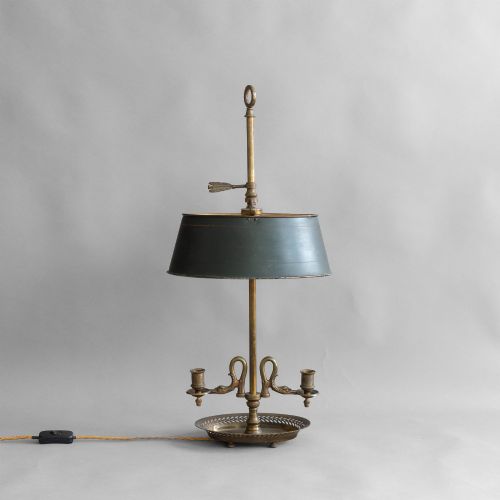
- Painted or lacquered metalware, frequently tin, used for decorative lamp shades and canisters. It provides colour and contrast against polished brass or iron.
- Standard lamp
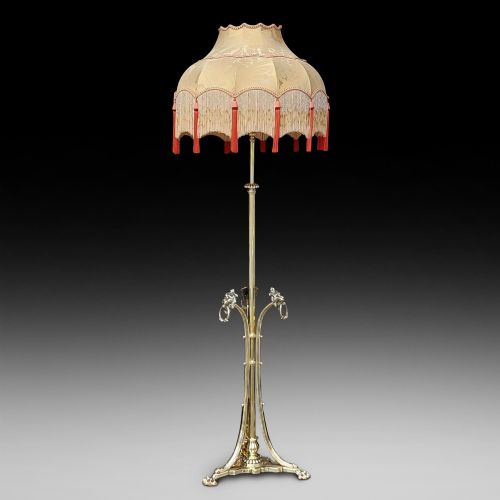
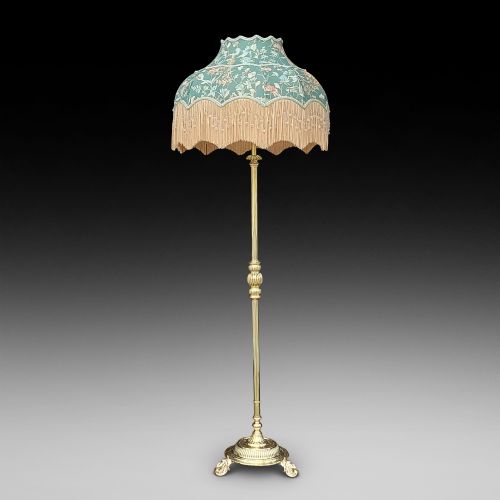
- A free-standing floor lamp designed to illuminate a room from a fixed base position. These often feature telescopic or adjustable height stems.
- Gimbal
- A pivoted ring mounting that allows a lamp to remain horizontal despite the motion of a ship or train. It prevents tipping in transit.
Vintage Adjustable Light: Frequently Asked Questions
How do I adjust the height safely?
Most pieces utilise a thumbscrew, sliding collar, or counterweight pulley system to alter the elevation of the shade. Loosen the retaining mechanism gently before moving the stem to prevent stressing the internal wiring.
Support the upper arm with one hand while adjusting the position, then secure the fastener firmly once the desired height is reached.
Were these originally electric?
Many early examples started life as oil lamps, gas fixtures, or candle holders before being converted to electricity during subsequent decades. Some retained their original oil burners or candle sockets alongside later wiring additions.
Industrial and desk models from the early twentieth century onward were frequently manufactured specifically for electrical use, incorporating switches and braided flex.
How do I clean brass parts?
Dust the metal surfaces regularly with a soft, dry cloth to prevent the accumulation of grime in the articulated joints and decorative chasing. Avoid harsh chemical polishes that strip away the aged patina accumulated over decades.
If deeper cleaning is necessary, use a mild soapy solution on a damp cloth, drying thoroughly immediately afterward to protect the finish.