
Vintage Accent Lamps
Vintage accent lamps bring focused light and period character to dark corners, drawing together brass, glass and fine woodwork.
Vintage Accent Lamps
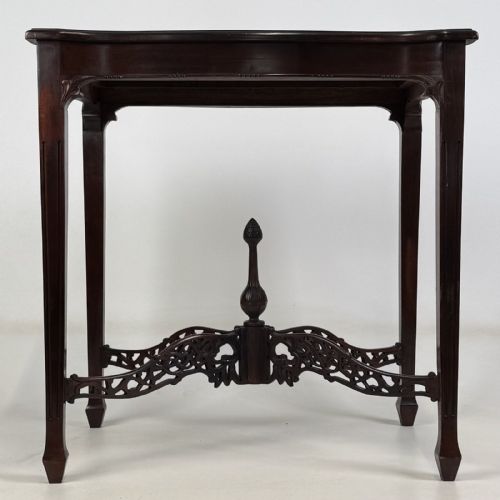
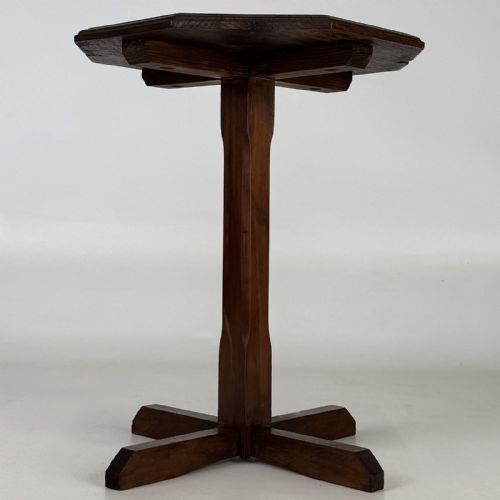
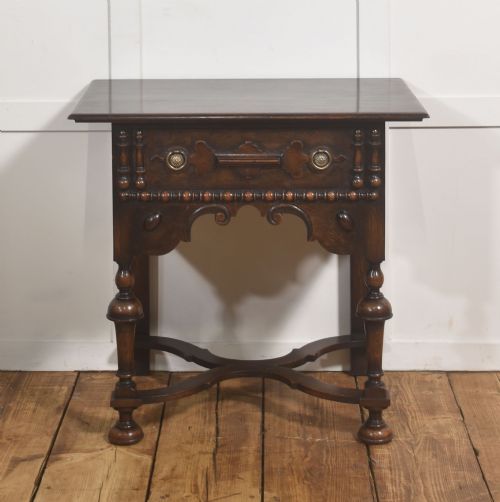
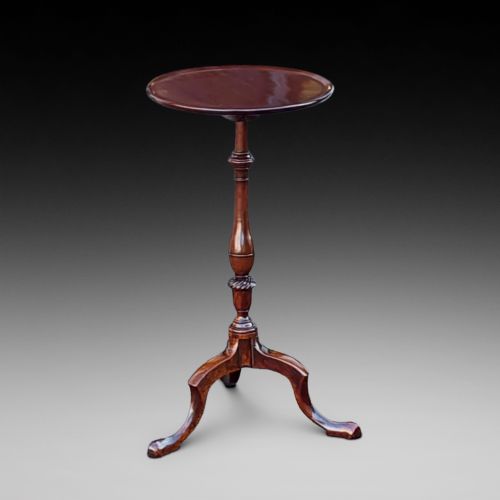
Vintage accent lamps and associated small tables form a varied group intended to provide targeted illumination and surface space within domestic rooms. These pieces span periods from the Victorian era through the Edwardian years and into the Art Deco style of the 1930s.
Buyers encountering this selection will frequently find smaller support pieces such as lamp tables alongside dedicated brass and glass lighting fixtures. The materials reflect traditional cabinet making and metalworking traditions across these decades.
Makers utilised woods like oak, walnut, mahogany and yew alongside brass and glass to construct pieces that served both practical and decorative functions in period interiors. Forms range from simple occasional tables to elaborate inlaid centre tables and figural lamps.
How they were made
Constructors worked with solid timbers including oak, walnut, mahogany and yew, often applying veneers and marquetry inlay for decorative surface effect. Joinery methods relied on traditional techniques appropriate to each period, from Victorian carving to Edwardian turning.
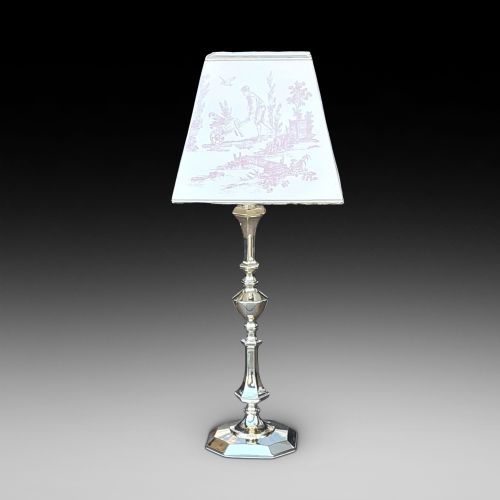
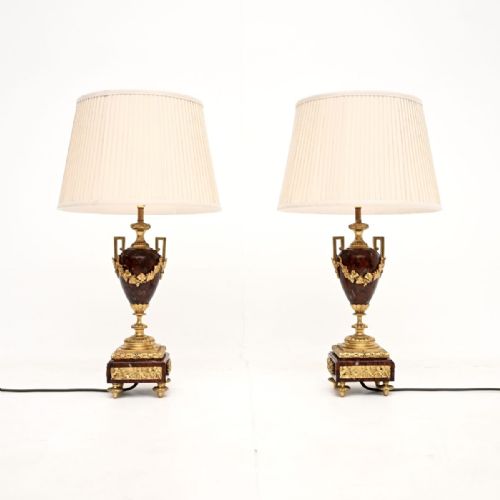
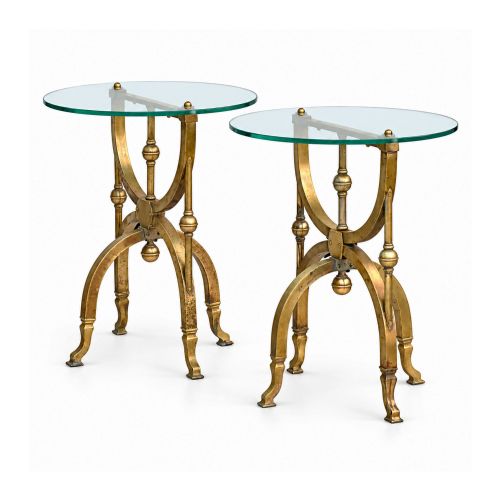
Metal components involved cast brass and silver plating, sometimes shaped into hexagonal baluster forms or Pullman wall brackets. Glass elements utilised in shades and bodies included large mushroom formations and decorative moulded sections.
Listings incorporate items spanning the Victorian era, Edwardian period, and 1930s Art Deco style, utilising oak, walnut, brass, and glass.
What varies in quality
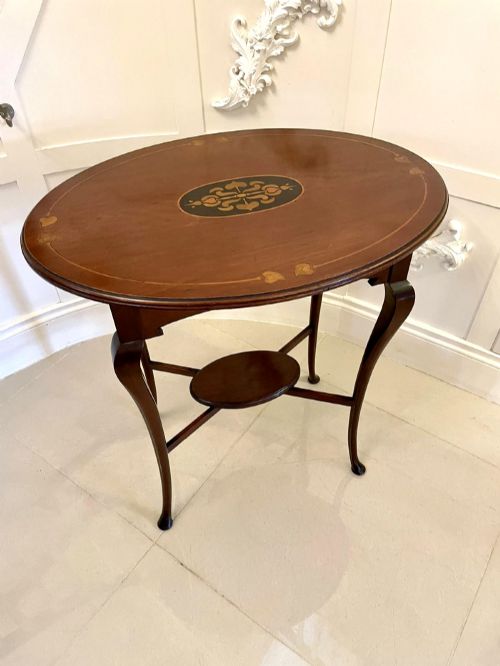
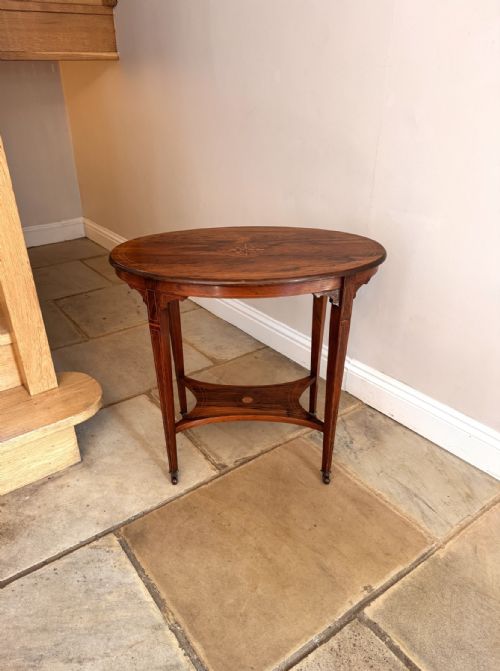
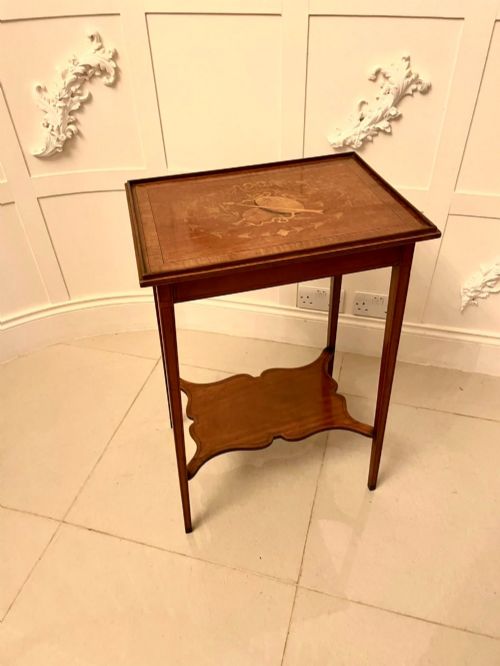
The standard of craftsmanship shows in the selection of timber, where burr walnut, rosewood and figured mahogany indicate a higher grade of manufacture. Subtle details like hand-carved ornamentation, marquetry inlay and painted floral decoration distinguish finer examples from plain utility pieces.
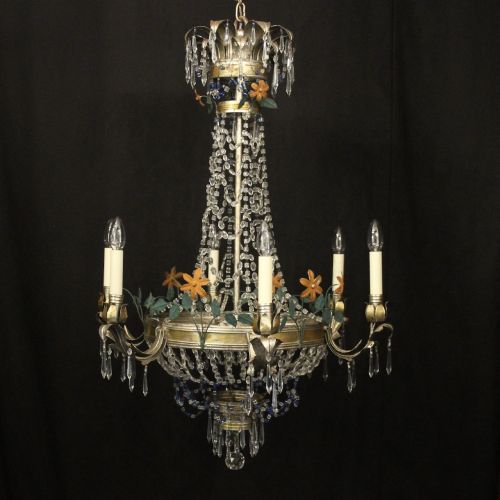
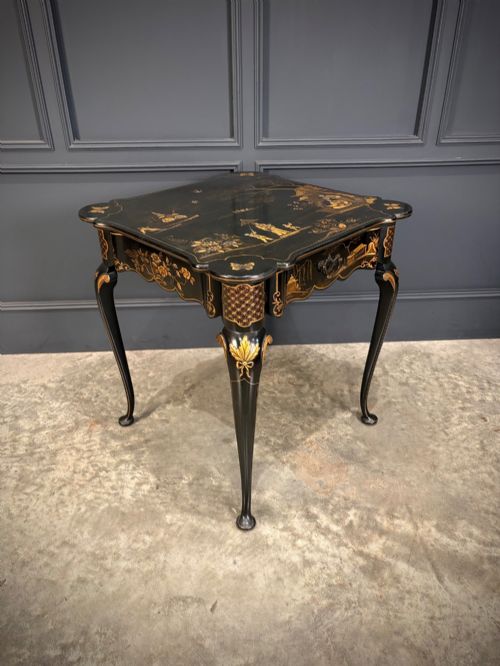
Material combination also elevates a piece, such as the pairing of marble tops with gilded brass and lacquered Chinoiserie finishes. The integrity of structural joints and the weight and finish of metal parts determine the overall caliber of surviving examples.
The Vintage Accent Lamps Glossary
- Marquetry
- Decorative inlay work where pieces of wood veneer are fitted together to form geometric or floral patterns on a furniture surface. This technique adds considerable visual richness to tabletops.
- Baluster
- An architectural term describing a moulded shaft or pillar with a swelling lower portion, often seen in the stems of brass table lamps. It provides a stable and visually balanced base.
- Occasional table
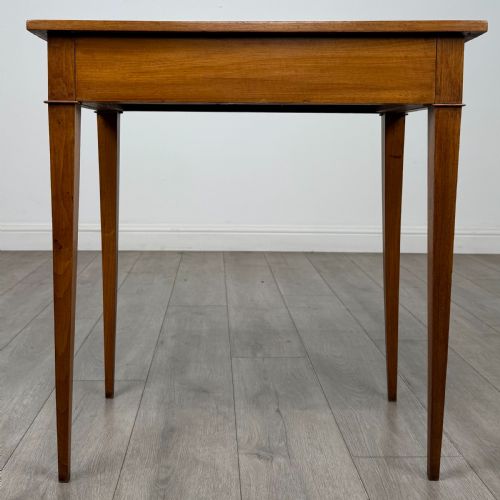
- A small, light table designed to be moved easily around a room as needed for holding drinks, books or lamps. They appear frequently in Edwardian and Victorian interiors.
- Chinoiserie
- European decorative style influenced by Chinese artistic traditions, featuring lacquered surfaces and painted motifs. It was popular in Victorian and early twentieth-century high-status items.
- Tripod table
- A small freestanding table supported by three legs radiating from a central pillar. They offer stable placement on uneven floors.
Vintage Accent Lamps: Frequently Asked Questions
Where should I place a lamp table?
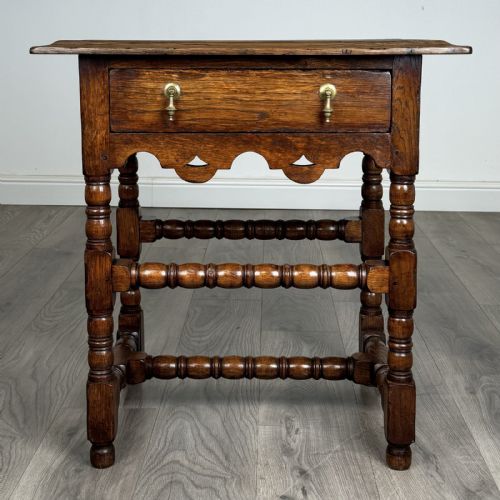
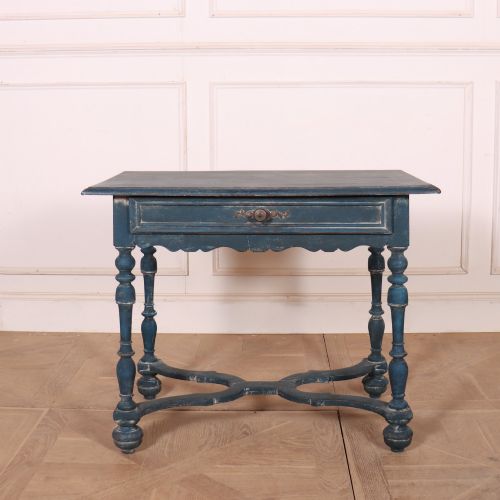
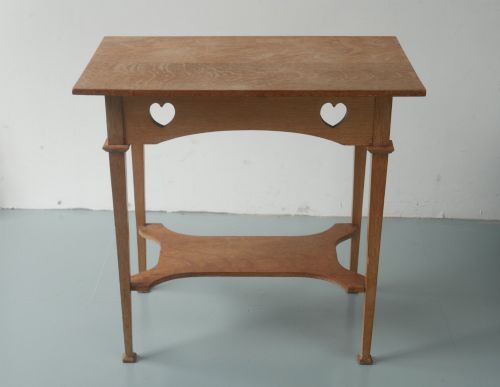
These compact tables suit corners, beside armchairs or flanking a sofa where they provide convenient surface space for reading lamps and small objects.
Their restrained scale allows them to fit into tight architectural spaces without cluttering the room.
How do I identify Edwardian lighting?
Edwardian pieces often combine traditional hardwood frames like oak and mahogany with simpler, lighter proportions than their Victorian predecessors.
Look for refined turned legs, barley twist supports and understated brass or silver-plated metalwork.
What is an occasional table used for?
Occasional tables were historically moved about the drawing room or parlour to serve shifting activities such as tea, reading or needlework.
Today they function flexibly as plant stands, lamp supports or bedside surfaces.
How do Art Deco lamps differ?
Art Deco lighting from the 1930s prioritises geometric forms, stylised figures such as lady lamps and distinctive glass components.
These designs move away from historic revival styles toward clean, modern silhouettes.