



Vintage 3 Seater Sofa
A vintage 3 seater sofa brings generous proportions and enduring character to a room, drawing on decades of craftsmanship from the nineteenth century onward.
Vintage 3 Seater Sofa
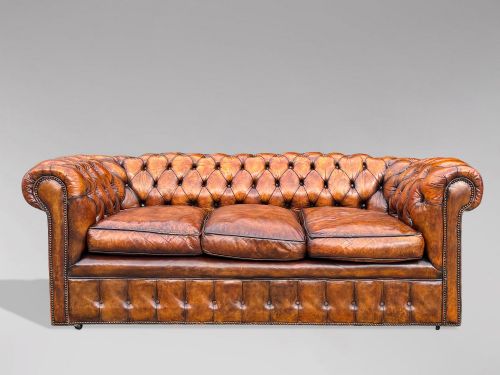
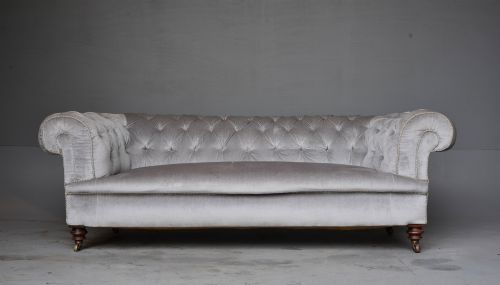
When searching for a vintage 3 seater sofa, buyers encounter an array of forms spanning the nineteenth century through the 1930s. The selection includes deep-seated Chesterfield designs, Edwardian couches, and walnut frames built in the Queen Anne style.
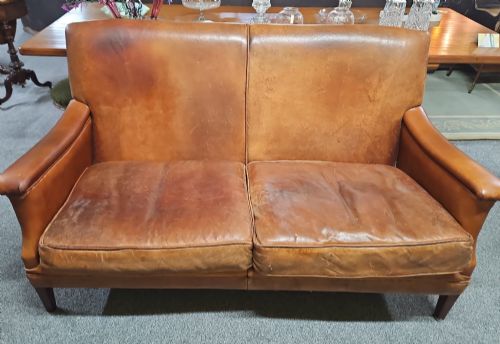
The most common examples on this page are substantial nineteenth century leather Chesterfields and early twentieth century country house pieces. These longer settees provide ample seating while retaining the specific decorative traits of their original periods.
Materials and construction methods
Frames rely principally on timber foundations of mahogany, walnut, and plain wood to ensure structural stability over generations. Wood is frequently carved, ebonised, or inlaid, particularly in French and Edwardian examples.
Vintage 3 Seater Sofa Retail Price Guide 2026
Typical asking prices for vintage 3 seater sofa among the pieces listed under this phrase on Sellingantiques today, from the lower quarter to the upper quarter. They describe what is for sale here now, not the wider market.
Several pieces arrive ready for total transformation, awaiting an ambitious buyer with a penchant for reupholstering tired fabric.
Distinguishing quality across pieces
The standard of a piece rests heavily on the integrity of the timber frame and the precision of the joinery. Carved mahogany and walnut frames show meticulous hand-tooling that separates standard utility seating from finer workshop outputs.
Upholstery execution and material grade also dictate the tier of the piece. Fine cane work, premium leather hides, and traditional stuffing methods elevate an item above simpler fabric coverings.
Howard And Sons·Harry And Lou Epstein·Hampton And Sons·Thonet
The Vintage 3 Seater Sofa Glossary
- Chesterfield
- A traditional couch style characterised by deep button tufting and rolled arms of equal height. This form appears frequently in nineteenth century brown leather iterations.
- Canework
- Woven cane panels utilised on the backs or sides of settees. This technique is especially common on French and Edwardian pieces.
- Camel back
- A sofa back featuring a undulating serpentine contour that rises in a gentle curve. Originating in earlier periods, this profile persists into the nineteenth and twentieth centuries.
- Drop arm
- A movable arm mechanism on a settee that can be lowered for reclining. It offers functional versatility in Edwardian and later seating.
- Parcel gilt
- A decorative technique where specific carved details of a wooden frame are partially gilded with gold leaf. It is seen on ebonised nineteenth century French seating.
Vintage 3 Seater Sofa: Frequently Asked Questions
How do I spot an authentic vintage Chesterfield sofa?
Authentic nineteenth century Chesterfields typically display heavy leather upholstery, hand-tied springs, and traditional button tufting.
Inspect the overall weight and the timber beneath to confirm the period construction methods used by period cabinet makers.
Are these sofas suitable for daily family use?
Many larger settee styles are built on robust mahogany or walnut frames designed for enduring resilience.
Pieces requiring reupholstery allow buyers to select modern interior padding while preserving the historic exterior frame.
What is the difference between a settee and a sofa?
Historically, settee referred to an upholstered wooden bench with a back and arms, while sofa denoted a larger, fully upholstered lounging piece.
Over time these terms became interchangeable within nineteenth and twentieth century furniture classifications.
How do I care for antique leather upholstery?
Historic leather benefits from regular dusting and occasional treatment with appropriate conservation balms to maintain flexibility.
Keep these pieces away from direct sunlight and heat sources to prevent the hide from drying and cracking.