

Victorian Yellow Gold
Victorian yellow gold encompasses rings, chains, and brooches forged in rich warm metal alloy during the nineteenth and early twentieth centuries.
Victorian Yellow Gold
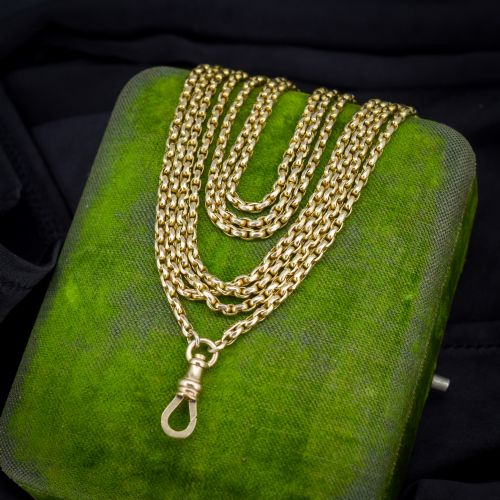
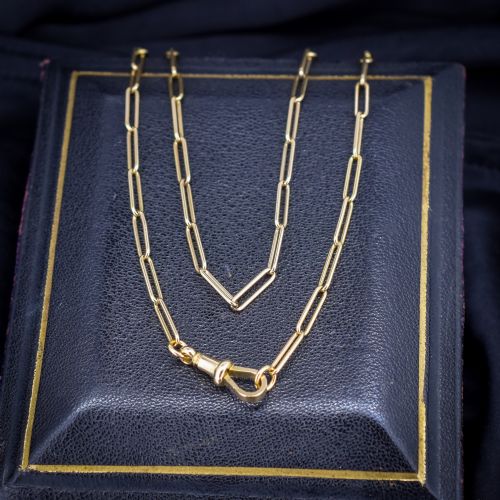
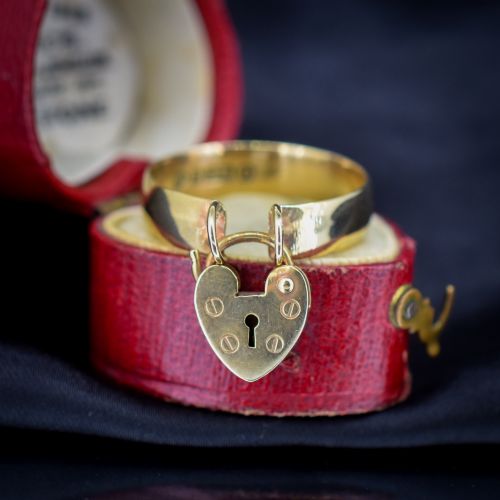
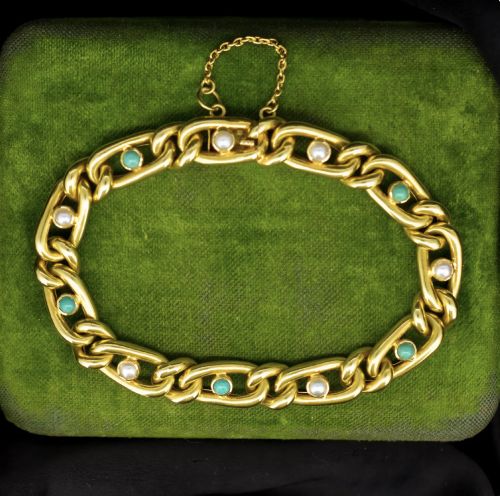
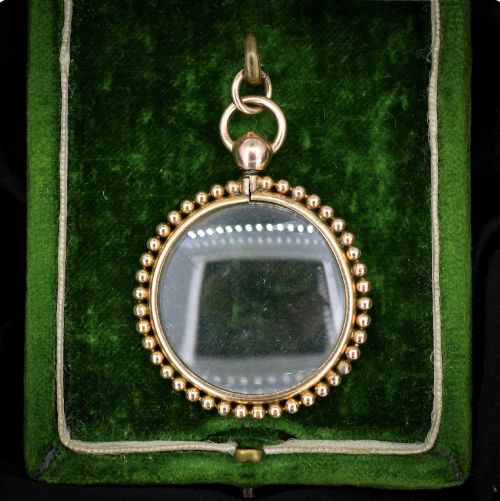
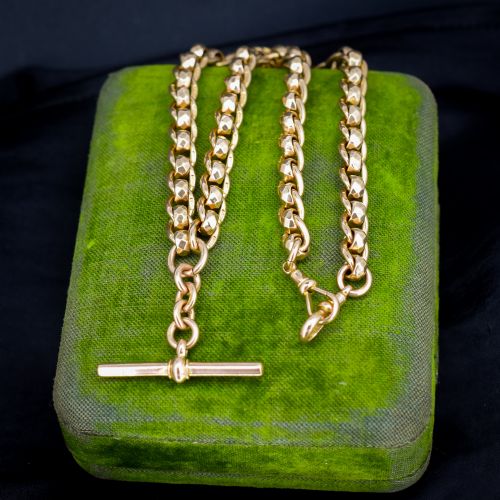
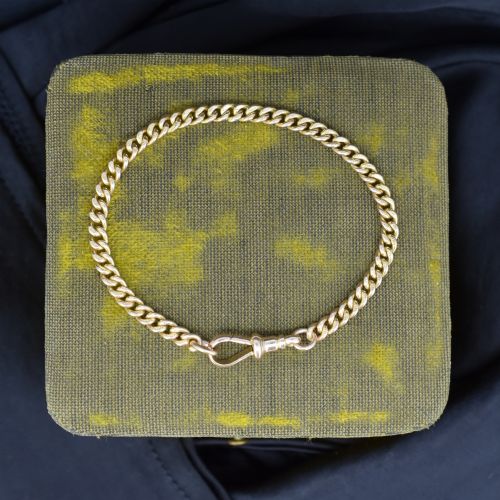
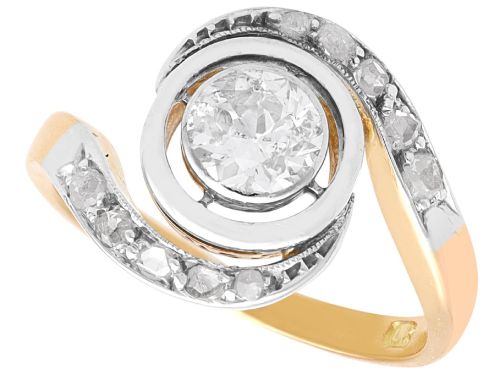
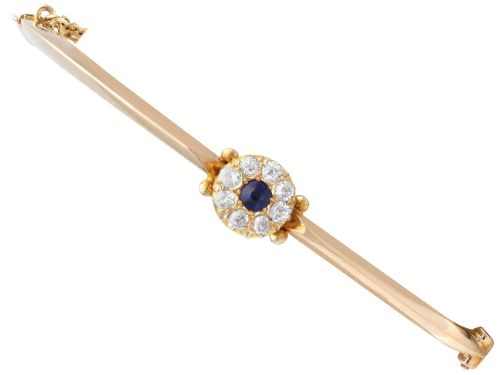
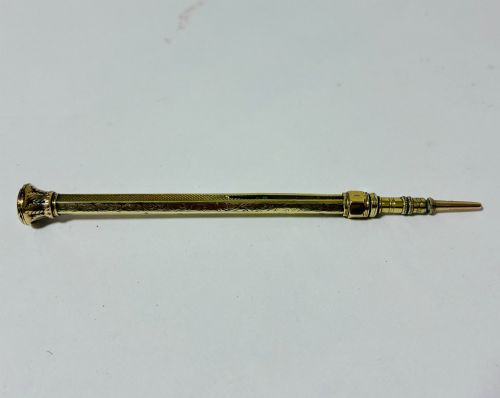
Victorian yellow gold pieces span personal adornments including rings, bracelets, necklaces, brooches, and pendants originating across the nineteenth century and into the Edwardian era. Buyers encounter everything from delicate garnet cluster rings to heavy curb link dog clip bracelets and intricate gemstone bird brooches.
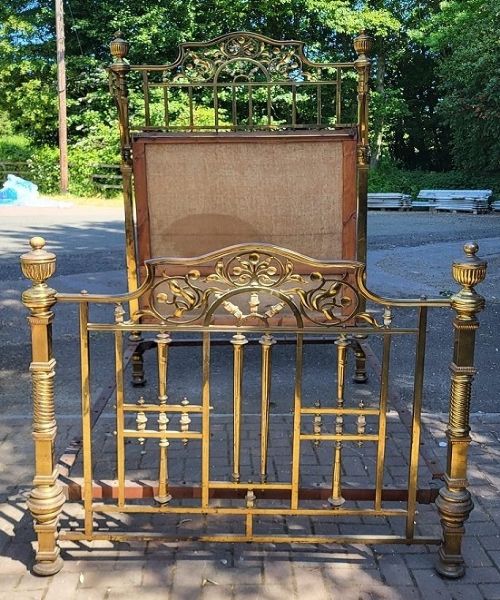
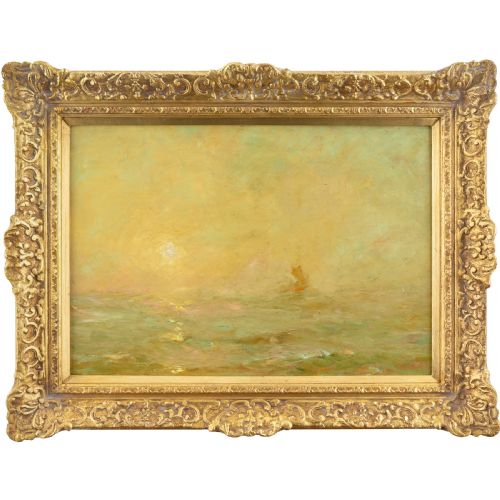
The selection frequently includes pocket watch chains, fringe necklaces, and symbolic love knot bracelets. Armchairs and oil paintings also appear, demonstrating the diverse application of the Victorian designation across furnishings and fine art.
Most items cluster around the late Victorian and Edwardian periods, utilising varied carats of gold alongside diamonds, pearls, sapphires, and enamel.
Materials and Techniques
Items are constructed from various purities of gold, predominantly nine carat, fifteen carat, and eighteen carat yellow gold, alongside rolled gold and occasionally higher or lower purities. Goldsmiths shaped these metals into robust chains, delicate wirework settings, and solid cast bands.
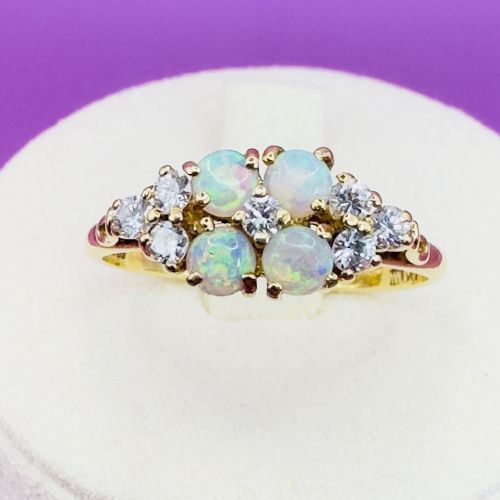
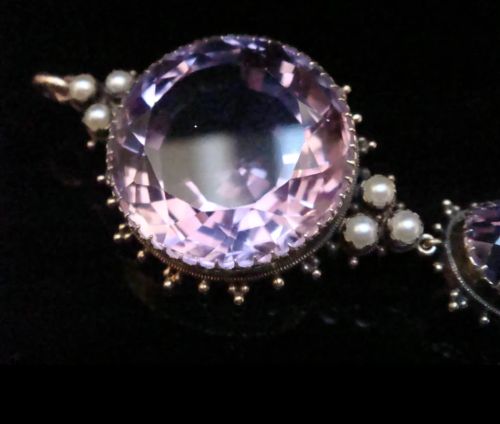
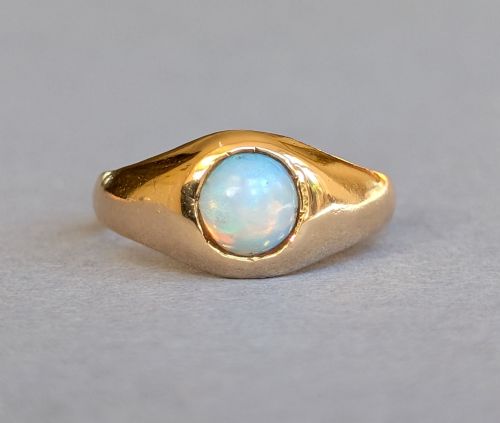
Gemstones such as old mine cut diamonds, rubies, sapphires, garnets, and opals are integrated into clusters, star motifs, and gypsy settings. Enamel work and natural pearls frequently complement the metallic framework, adding polychrome contrast and organic texture.
Victorian Yellow Gold Retail Price Guide 2026
Typical asking prices for victorian yellow gold among the pieces listed under this phrase on Sellingantiques today, from the lower quarter to the upper quarter. They describe what is for sale here now, not the wider market.
Materials paired with the gold include diamonds, rubies, garnets, enamel, and natural saltwater pearls across diverse forms.
Craftsmanship and Survival
Quality rests in the precision of the goldsmith's hand, visible in secure stone settings, crisp chasing on mounts, and the structural integrity of complex links. Superior examples retain their original clasps, hallmarks, and structural geometry without undue thinning from wear.
The choice and matching of gemstones also dictate distinction, where well-matched old cut diamonds or vibrant natural sapphires elevate an object above standard production pieces. Preservation of delicate elements like enamel work and fine pearl stringing marks the difference between average survival and exceptional preservation.
The Victorian Yellow Gold Glossary
- T-bar
- A transverse bar attached to the centre of a watch chain, used to secure the chain through a waistcoat buttonhole.
- Dog clip
- A spring-loaded swivel fastening commonly found on nineteenth-century watch chains and charm bracelets.
- Old mine cut
- An early diamond cut featuring a roughly square or cushion outline with a high crown and small table, shaped by hand.
- Gypsy setting
- A mounting style where the gemstone is flush-set directly into the thick gold band, typical of the late nineteenth century.
- Rolled gold
- A material formed by fusing a thin sheet of gold to a base metal core, offering durability without solid gold weight.
Victorian Yellow Gold: Frequently Asked Questions
What is victorian yellow gold jewellery?
It is jewellery forged from gold during the Victorian and Edwardian eras, known for its warm hue and distinct craftsmanship.
Pieces range from everyday rings and charm bracelets to elaborate diamond and sapphire cluster brooches.
How do I care for antique gold?
Clean these items gently with warm soapy water and a soft brush, avoiding harsh chemical dips that harm soft gems.
Store separate pieces in soft pouches to prevent scratching among softer stones like opals and pearls.
What carats of gold were used?
Nineteenth-century makers commonly utilised nine carat, fifteen carat, and eighteen carat yellow gold alloys for their creations.
Different carats offer varying shades of yellow and distinct durability suited to specific jewellery types.
How do I identify the period?
Examine the construction methods, gemstone cuts such as old mine cuts, and any visible hallmarks or stamps.
Stylistic motifs like Etruscan Revival work or mourning elements also point directly to specific decades.