

Victorian Yellow Gold Necklace
A victorian yellow gold necklace brings together warm alloy tones and period craftsmanship, offering wearable history for the modern collector.
Victorian Yellow Gold Necklace
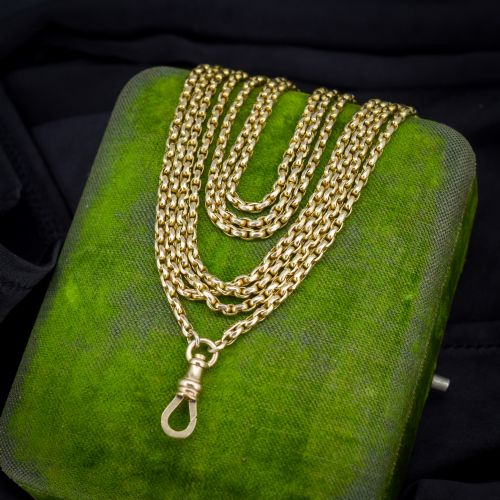
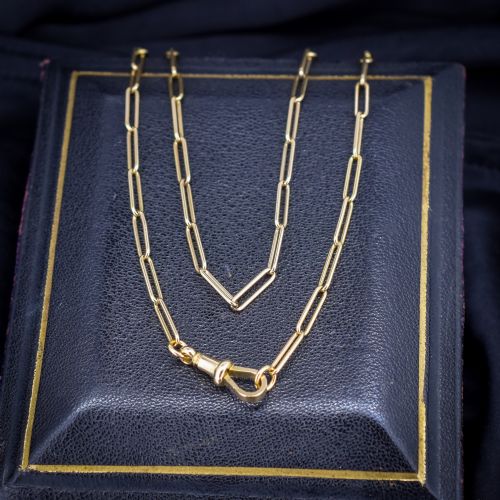
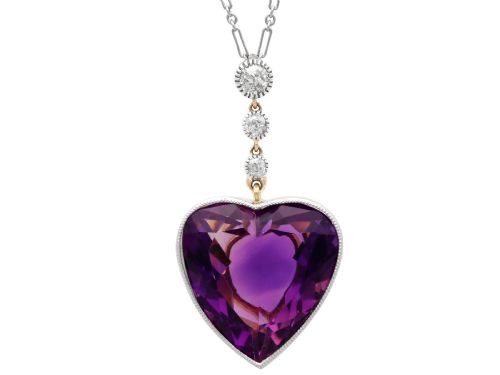
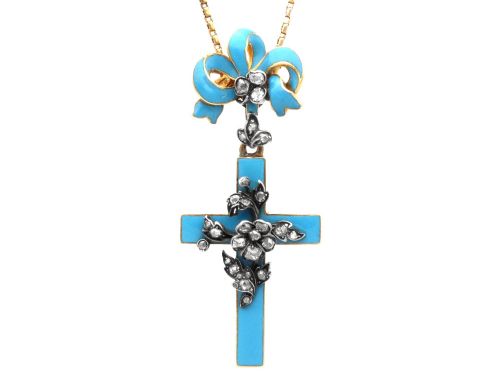
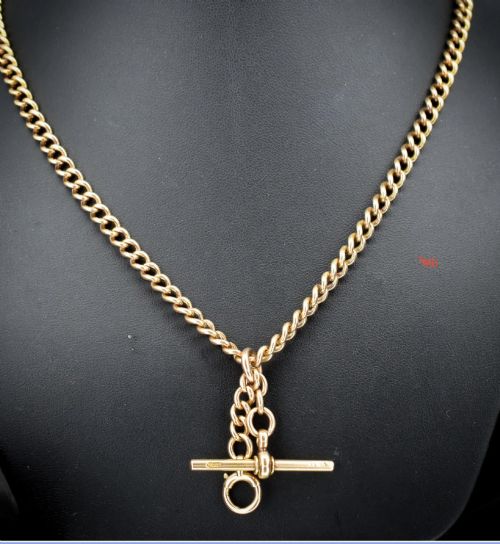
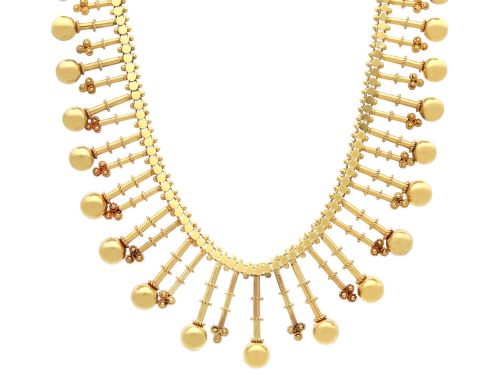
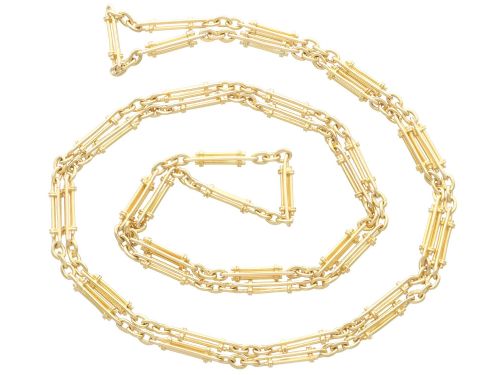
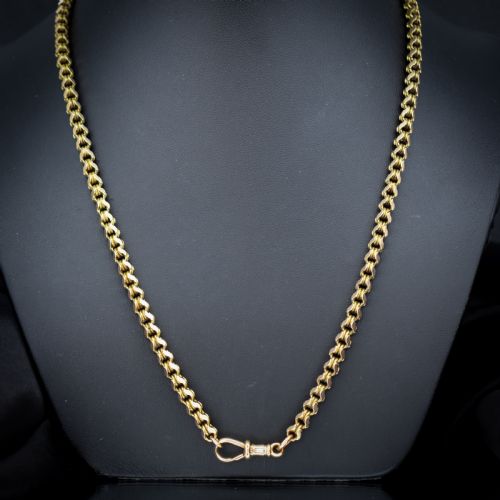
A victorian yellow gold necklace encompasses a diverse range of historic neckwear, spanning substantial watch chains, long guard chains, and delicate jewelled pendants. Buyers searching this phrase typically encounter substantial gold links fitted with dog clips, alongside ornate lockets and gemstone-set drops.
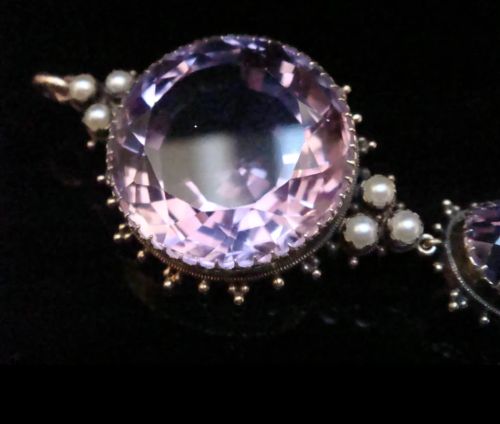
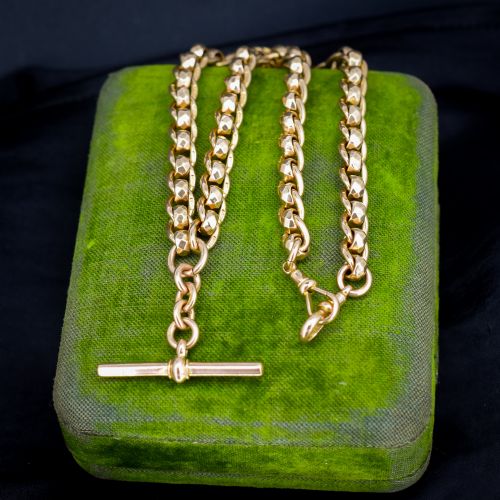
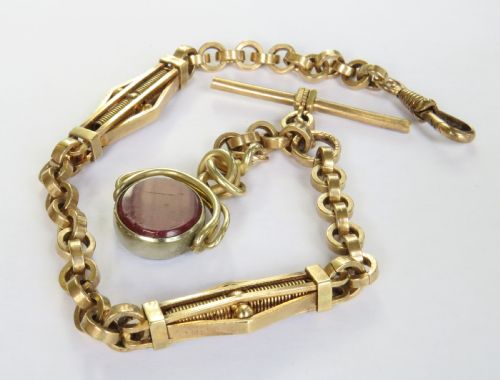
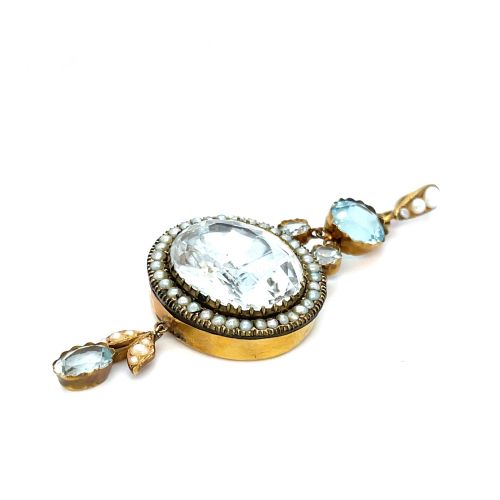
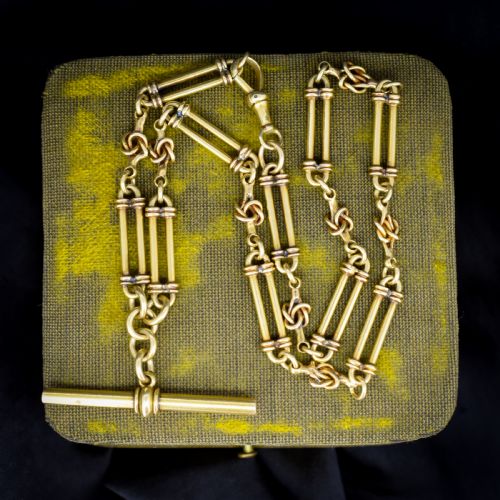
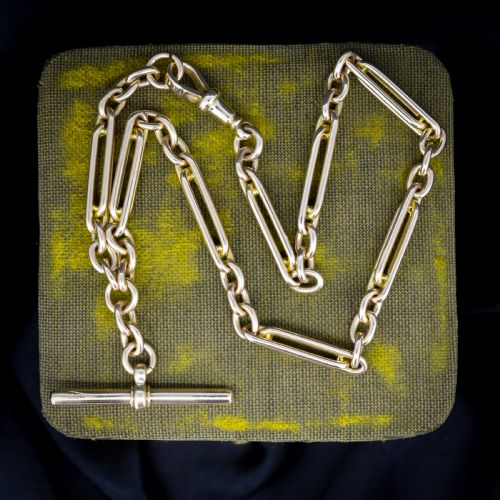
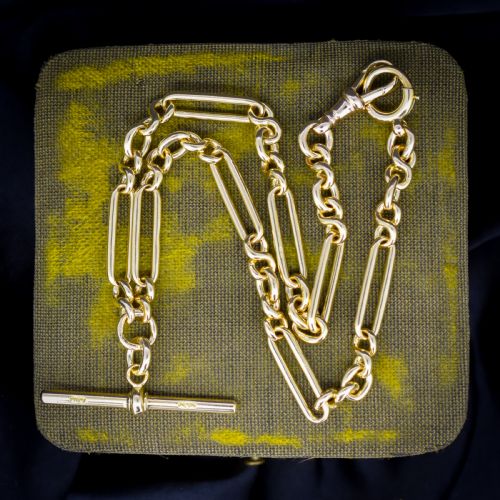
The selections on this page lean heavily toward nineteenth-century forms, including trombone and curb link watch chains designed to secure pocket timepieces. Alongside these functional chains, the offerings feature pearl and gemstone pendants fashioned during the late Victorian and Edwardian eras.
Materials and construction
Goldsmiths of the period primarily utilised nine carat, fifteen carat, and eighteen carat yellow gold, alloys that yield a characteristic warm hue distinct from modern metal mixtures. These metals were shaped into hollow or solid links, hand-assembled, and paired with functional closures such as swivel dog clips and spring rings.
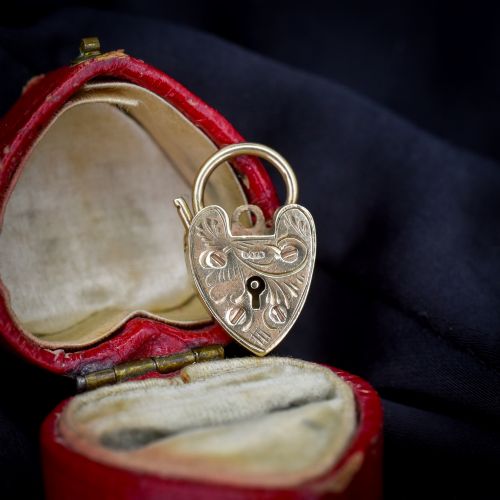
Gemstone setting relied on hand-cut stones including seed pearls, turquoise, aquamarine, and foil-backed pastes secured in low-profile bezels or claw settings. Engraving and chasing techniques added surface detail to lockets, crosses, and heart-shaped padlock charms.
Victorian Yellow Gold Necklace Retail Price Guide 2026
Typical asking prices for victorian yellow gold necklace among the pieces listed under this phrase on Sellingantiques today, from the lower quarter to the upper quarter. They describe what is for sale here now, not the wider market.
Object forms include padlocks, lockets, watch chains, and gem-set pendants spanning the nineteenth and early twentieth centuries.
Distinguishing quality across pieces
The upper tier of these pieces displays crisp, deep hand-engraving on links and lockets, alongside substantial metal weight and secure, original clasps. Master goldsmiths ensured that links maintained their structural integrity without thinning from wear.
Pendants demonstrate quality through the careful matching of natural pearls and the selection of vibrant gemstones secured without modern adhesives. Superior chains retain their original length and feature fully functional swivel mechanisms that operate smoothly.
The Victorian Yellow Gold Necklace Glossary
- Albert chain
- A pocket watch chain designed to be worn across a waistcoat or draped from a pocket, frequently utilised today as a short necklace.
- Dog clip
- A spring-loaded swivel clasp commonly found on watch chains, allowing the secure attachment of pendants, charms, or pocket watches.
- Longuard chain
- An exceptionally long necklace, often measuring over thirty inches, intended to be doubled around the neck or worn suspended with a locket.
- Trombone link
- A distinctive watch chain link shape featuring alternating elongated rectangular bars and smaller circular rings.
Victorian Yellow Gold Necklace: Frequently Asked Questions
How do I wear a long guard chain?
Guard chains of considerable length can be doubled around the neck to create a layered look, or worn at their full length suspended with a pendant or watch key. Their substantial drop makes them versatile pieces for daily wear.
Many of these pieces feature original dog clips, allowing the wearer to attach lockets or charms at various points along the chain. This modular design reflects their original nineteenth-century utility as secure fasteners for timepieces and accessories.
What is the difference between an Albert chain and a standard necklace?
Albert chains were originally engineered to secure pocket watches to a gentleman or lady's attire, incorporating sturdy links, T-bars, and dog clips. Their robust construction and specific hardware distinguish them from contemporary neckwear.
When adapted as necklaces, these chains offer a heavier weight and a distinct industrial aesthetic derived from their functional origins. They often include components like bolt rings and swivel clasps that remain fully operational.
How can I identify the gold purity on these pieces?
Victorian and Edwardian items often display hallmarks or stamps indicating the gold alloy standard, such as nine carat, fifteen carat, or eighteen carat. Unmarked pieces are frequently tested to verify the gold content.
Different purity standards produce subtle shifts in colour, with fifteen carat gold offering a particularly rich, buttery tone characteristic of late nineteenth-century British manufacture. Professional testing ensures accurate identification of the metal composition.
What gemstones are typical in these pendants?
Period pendants frequently incorporate natural seed pearls, turquoise, aquamarine, citrine, and garnet, often arranged in floral or geometric motifs. These stones reflect the prevailing aesthetic preferences of the late Victorian and Edwardian eras.
Gemstones were typically set by hand into yellow gold mountings, sometimes utilising foil backs to enhance the brilliance of the stones. The integration of pearls and coloured gems creates a softer, romantic appearance distinct from modern jewellery.