



Victorian Work Chair
These victorian work chair examples bring enduring utility and character to an interior, built for practical daily tasks.
Victorian Work Chair
A victorian work chair serves specific utilitarian purposes, often emerging as sturdy seating designed for spinning, sewing, or domestic labour. The selections gathered here span periods from the nineteenth century into the early twentieth century, alongside earlier Regency influences and later revival pieces.
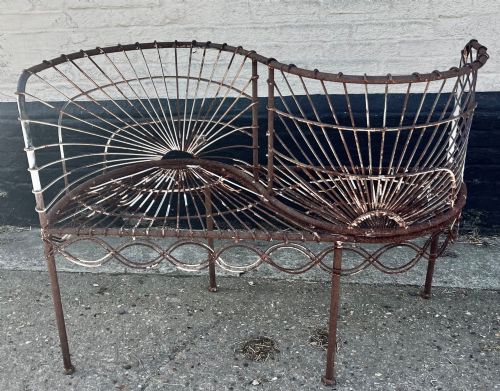
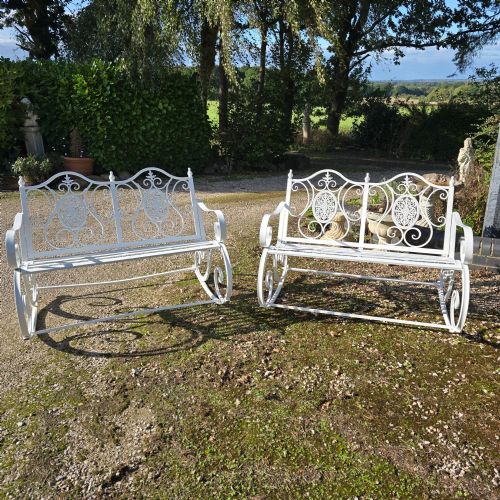
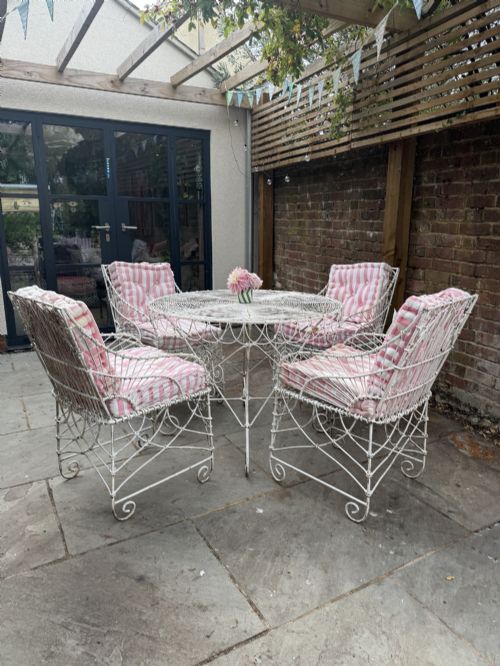
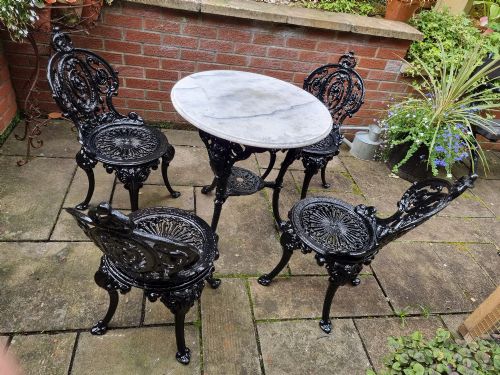
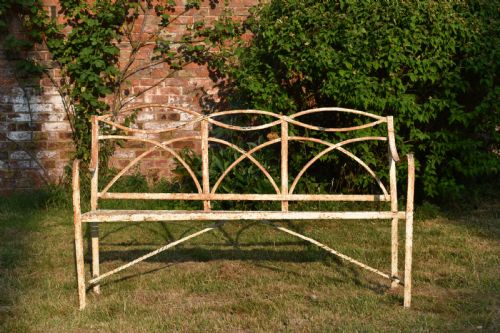
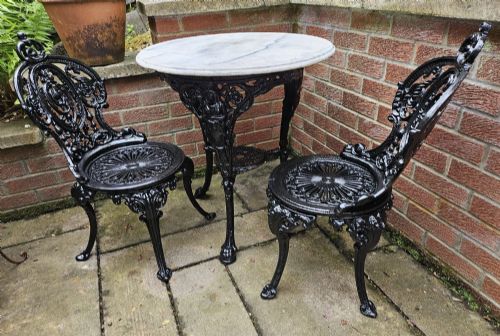
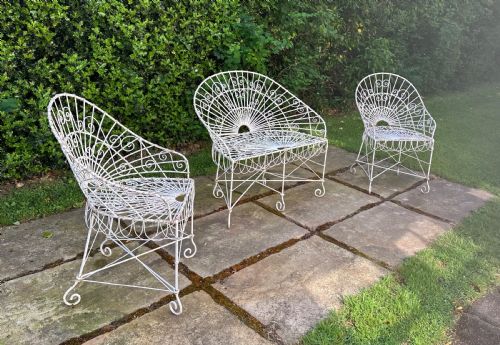
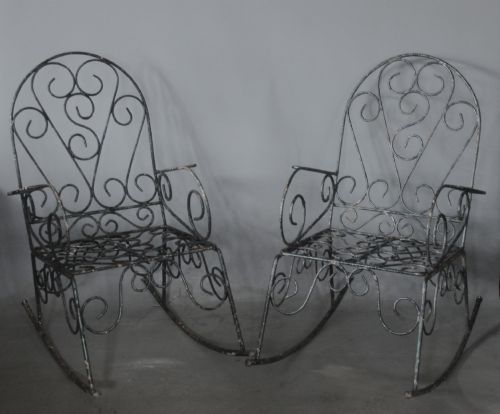
Forms extend beyond single seats into garden benches, rocking chairs, and bistro sets. Materials range from carved timber to robust cast iron, wrought iron, and wirework.
The most typical items encountered combine industrial metalwork with functional domestic design. Buyers often discover robust seating accompanied by matching tables or companion chairs.
Construction and Materials
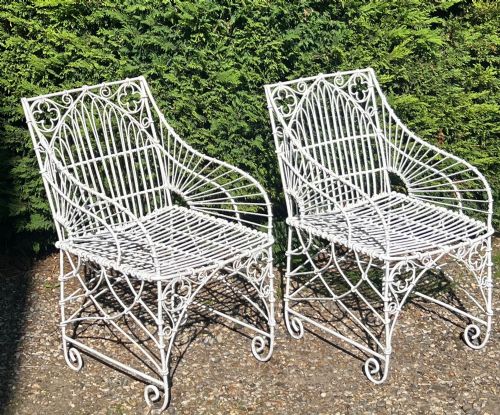
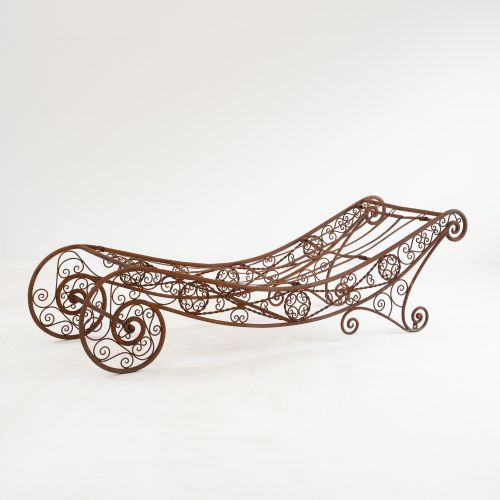
Makers utilised durable metals such as cast iron and wrought iron to form resilient frames, often shaped with strapwork or intricate wirework. These metal elements provide structural longevity, frequently finished with paint.
Wooden examples rely on traditional carving techniques, shaping solid timber like oak into sturdy work stools and spinning chairs. Fabric upholstery occasionally cushions the seats, adding comfort to functional forms.
Victorian Work Chair Retail Price Guide 2026
Typical asking prices for victorian work chair among the pieces listed under this phrase on Sellingantiques today, from the lower quarter to the upper quarter. They describe what is for sale here now, not the wider market.
Listings feature items spanning the nineteenth century, Regency era, and early twentieth century up to nineteen thirty.
Assessing Quality and Execution
Quality rests in the precision of the ironwork and the depth of the timber carving. Finer examples display clean lines in strapwork and balanced proportions in rocking mechanisms or daybeds.
The integrity of the original materials dictates value, where untouched cast iron and substantial oak outlast heavily altered substitutes. Surface treatments, including original paint or patinated marble tops, elevate the distinction of a piece.
The Victorian Work Chair Glossary
- Strapwork
- Flat bands of metal arranged in geometric or interlaced patterns to form the back or seat of iron furniture.
- Wirework
- Metal strands bent and welded into intricate mesh patterns, frequently utilised for lightweight yet strong outdoor seating.
- Cast iron
- Molten metal poured into a mould to create rigid, highly decorative frames for garden tables and chairs.
- Spinning chair
- A low-seated stool traditionally used for domestic textile work, often featuring a carved wooden back.
Victorian Work Chair: Frequently Asked Questions
What is a victorian work chair?
A victorian work chair is a practical seat designed for specific domestic tasks like spinning or sewing. These pieces prioritise sturdy construction and ergonomic support for labour.
They often feature robust wooden or iron frames built to withstand daily use. The category blends utilitarian function with the aesthetic standards of the period.
Where were these chairs used?
These chairs served primarily in domestic interiors, workshops, and occasionally sheltered garden spaces. Their compact designs allowed them to fit into specific working areas of a Victorian home.
Over time, many durable iron variants transitioned to outdoor garden use. Today, they adapt easily to conservatories, studies, and hallways.
How do I care for iron furniture?
Iron furniture requires protection from excessive moisture to prevent rust accumulation. Regular gentle cleaning preserves the original painted or patinated surfaces.
Keeping metal pieces in stable indoor environments or covered outdoor areas extends their lifespan. Avoid harsh chemical cleaners that might strip historic finishes.
Are these chairs comfortable?
Many work chairs were built for sustained functional tasks, offering upright support rather than deep lounging comfort. Wooden spinning chairs and iron garden seats focus on ergonomic posture during labour.
Adding small cushions or pads can adapt these historic seats for modern relaxation. Their compact proportions make them ideal for occasional sitting.