





Victorian Wooden Thermometer
Victorian wooden thermometer instruments combine domestic utility with rich timber craftsmanship, offering a practical piece of history for any interior.
Victorian Wooden Thermometer
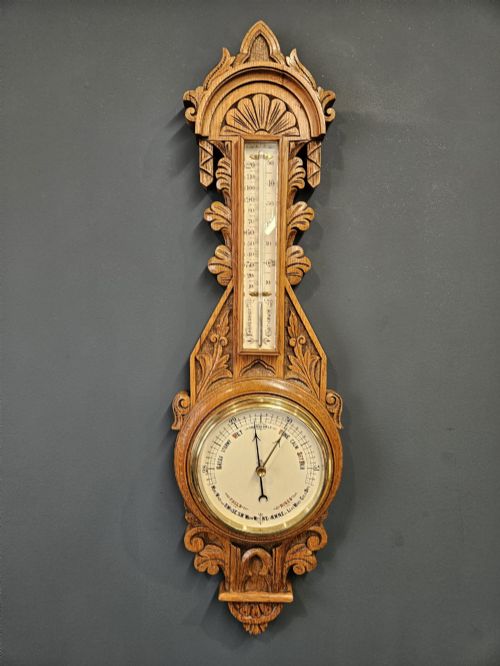
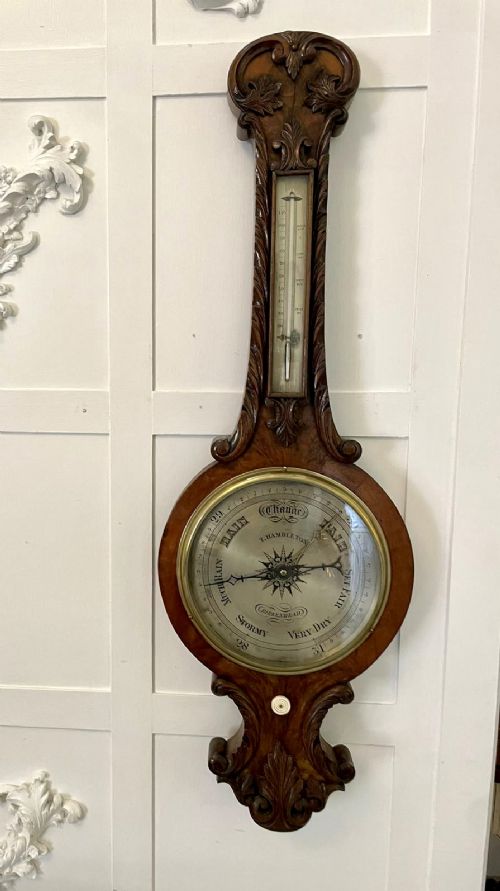
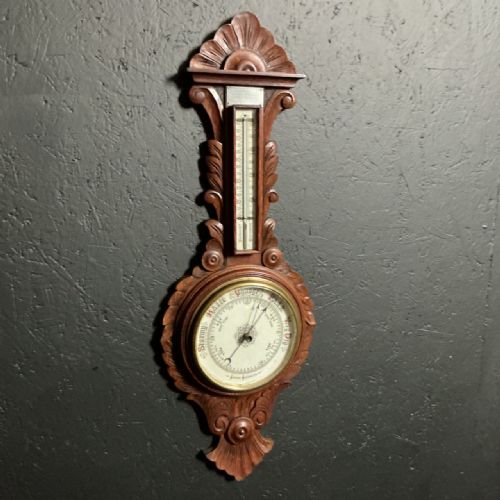
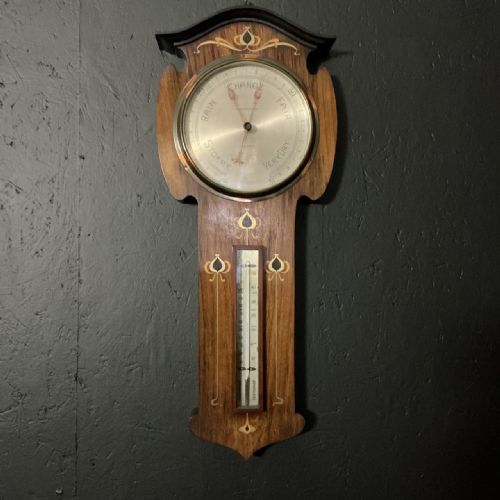
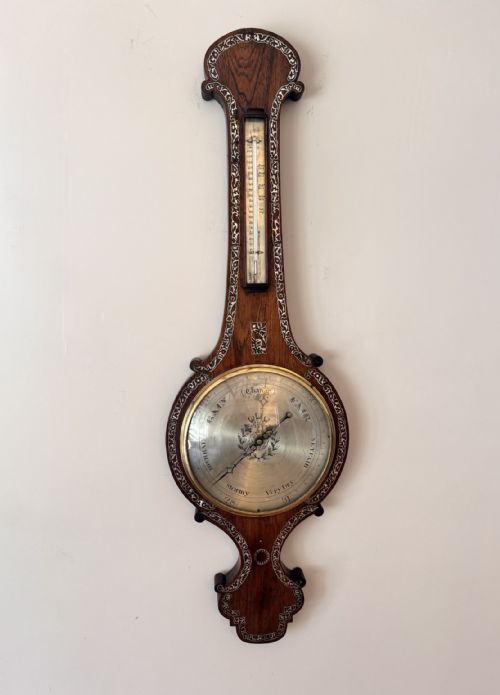
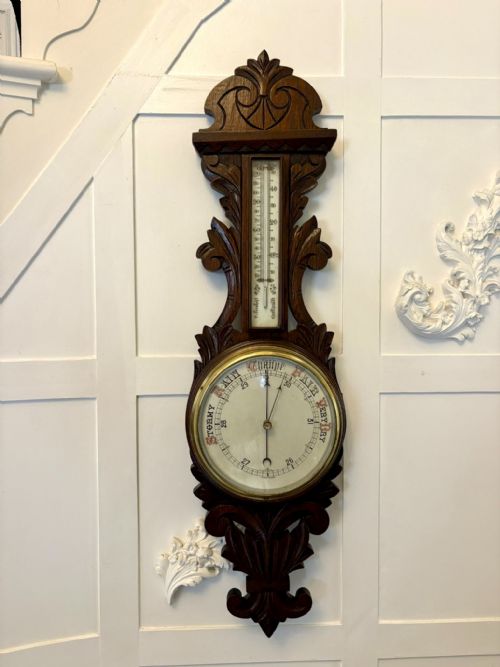
A victorian wooden thermometer typically forms part of a larger weather-measuring instrument such as a banjo barometer, wall clock, or combination desk set. These pieces reflect the nineteenth-century obsession with domestic science and meteorological observation in the home.
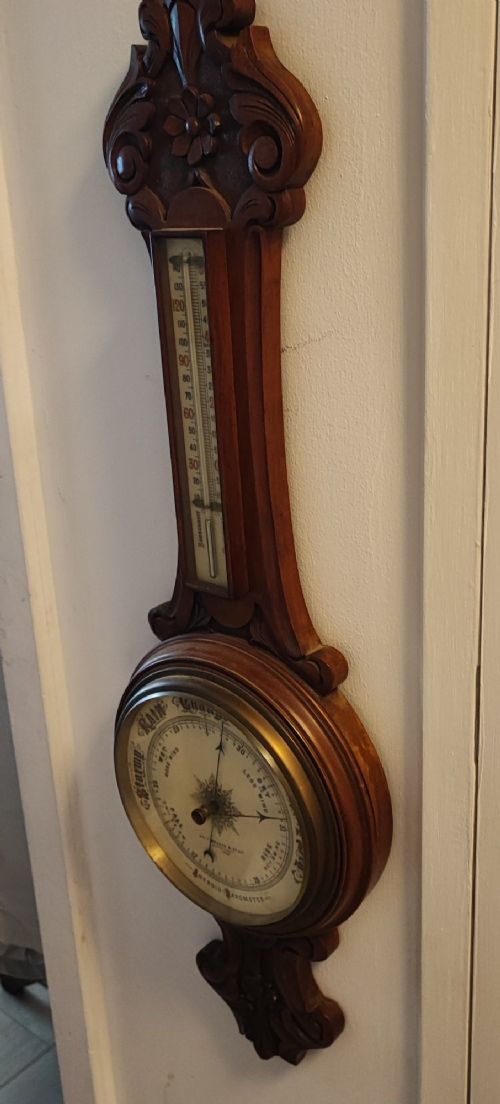
The most common formats found here include wall-hanging banjo barometers and carved oak or mahogany desk pieces that incorporate both temperature and atmospheric pressure readings. Examples stretch across the Victorian and Edwardian periods, utilising varied timber cases.
Makers often integrated mercury or aneroid thermometer scales alongside dials and clock movements within carved wooden surrounds. The resulting objects served both a functional household purpose and a decorative role in period hallways and studies.
Materials and construction methods
Cases rely heavily on dense hardwoods such as oak, mahogany, walnut, and rosewood, chosen for stability and rich grain. Carpenters shaped these timbers through turning, veneering, and intricate hand-carving.
Victorian Wooden Thermometer Retail Price Guide 2026
Typical asking prices for victorian wooden thermometer among the pieces listed under this phrase on Sellingantiques today, from the lower quarter to the upper quarter. They describe what is for sale here now, not the wider market.
Qualities that separate the best examples
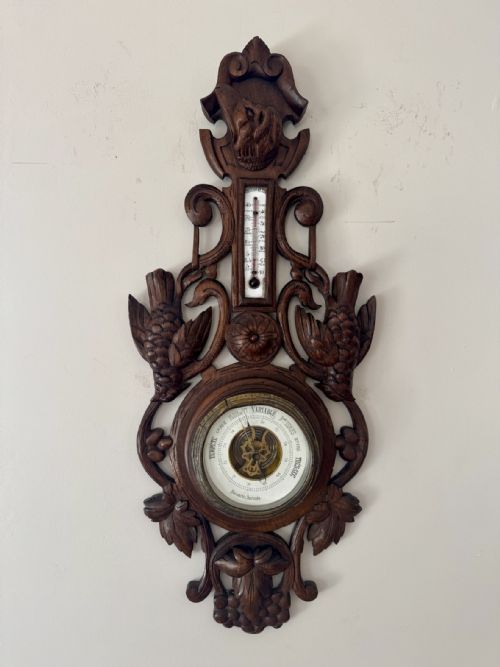
Execution of the woodwork dictates much of the distinction, separating mass-produced items from deeply undercut Black Forest carvings and crisply inlaid rosewood or walnut cases. The sharpness of detail in carved foliage and animal motifs signals the skill of the original workshop.
Completeness and originality of the combined dials, mercury tubes, and bezels heavily influence the standing of a piece. Well-preserved original glass, clear engraving on scale plates, and matched timber elements elevate the overall integrity.
W Watson And Sons·Jenkins Of Old Swindon·WE Pain Of Cambridge·J Groce York
The Victorian Wooden Thermometer Glossary
- Aneroid barometer
- A device that measures atmospheric pressure without liquids by using a flexible metal box. This mechanism allowed barometers to be built into smaller desk and wall formats.
- Banjo barometer
- A household instrument shaped somewhat like a banjo, featuring a circular dial at the base and a long vertical trunk. This trunk often houses the thermometer scale.
- Marquetry
- The art of applying pieces of veneer to a structure to form decorative patterns. Craftsmen utilised different coloured woods to create pictorial designs.
- Black Forest
- A regional style originating from Germany known for deep, naturalistic wood carvings. Pieces in this tradition often feature bold foliage and animal subjects.
Victorian Wooden Thermometer: Frequently Asked Questions
What is a Victorian wooden thermometer?
A Victorian wooden thermometer is a temperature-measuring instrument housed inside a timber frame, most frequently built as part of a barometer, clock, or desk set. These items combined scientific utility with decorative woodworking.
They were designed to hang on walls or sit upon desks in nineteenth-century homes, providing both weather data and interior ornamentation.
How do I identify the period?
Dating relies on examining the timber species, the style of the wood carving, and the complexity of the dial mechanisms. Oak, mahogany, and walnut appear across different decades of the nineteenth century.
Later Edwardian examples often feature simpler lines, whereas mid-Victorian pieces frequently display heavier carving, marquetry, or mother-of-pearl inlay.
Were thermometers always combined with barometers?
Not exclusively, but combination instruments dominate surviving pieces from this era. Makers frequently grouped clocks, barometers, and thermometer scales into single wall-hanging or desk-standing housings.
This multi-functionality appealed to Victorian households seeking efficient ways to monitor indoor comfort and impending weather changes.
How should I care for a wood case?
Wooden cases require stable indoor humidity and protection from direct sunlight to prevent timber splitting or veneer lifting. Gentle dusting with a dry cloth is generally sufficient for maintenance.
Avoid harsh chemical polishes that can damage antique French polish or wax finishes on walnut and mahogany surfaces.