

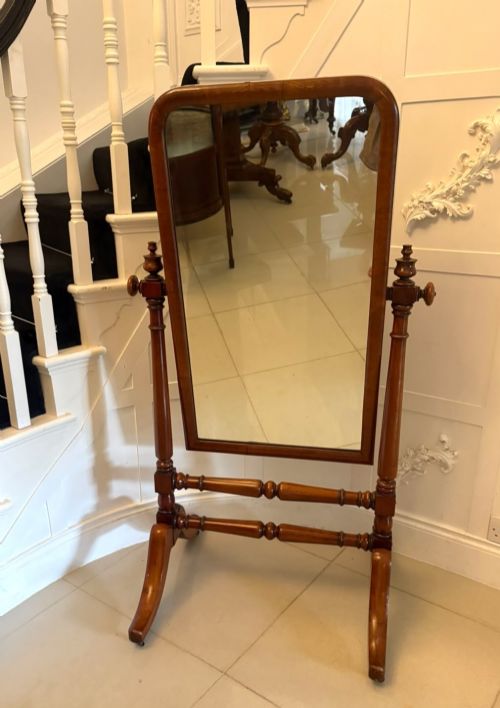
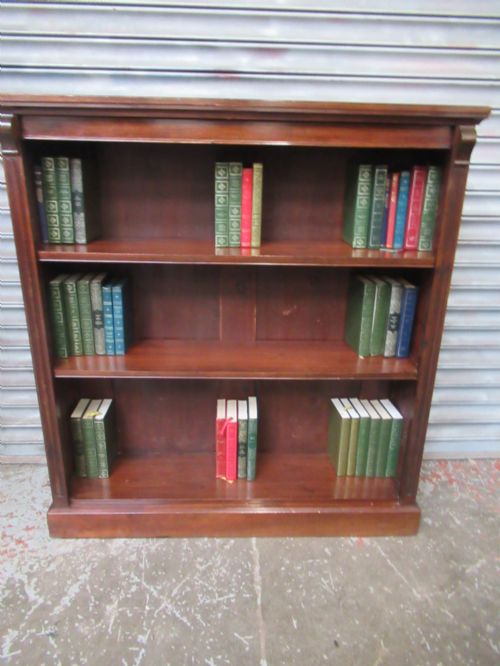
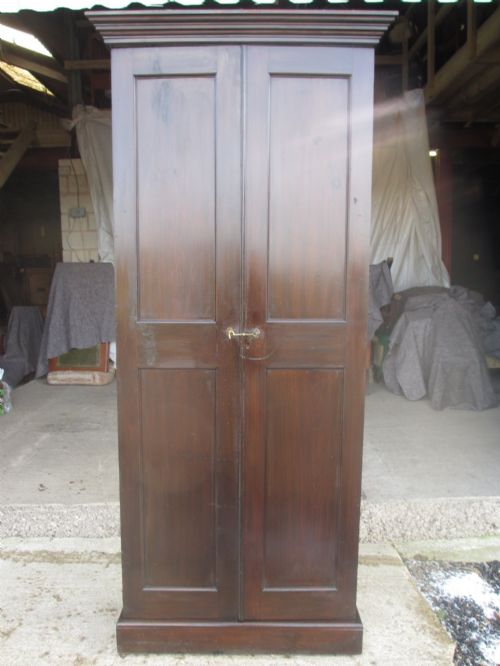
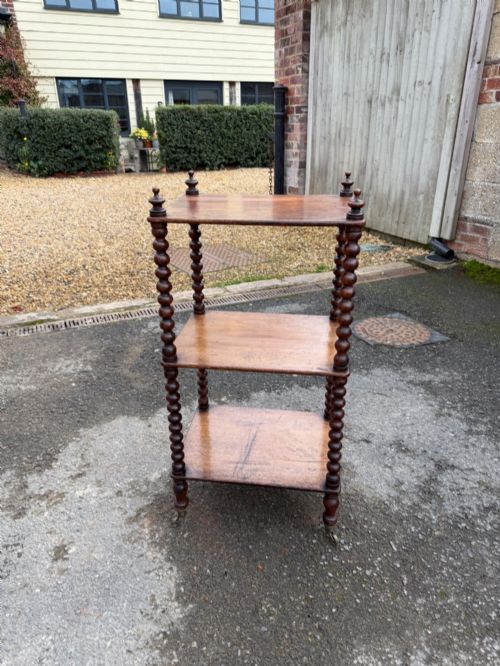
Victorian Wooden Stands
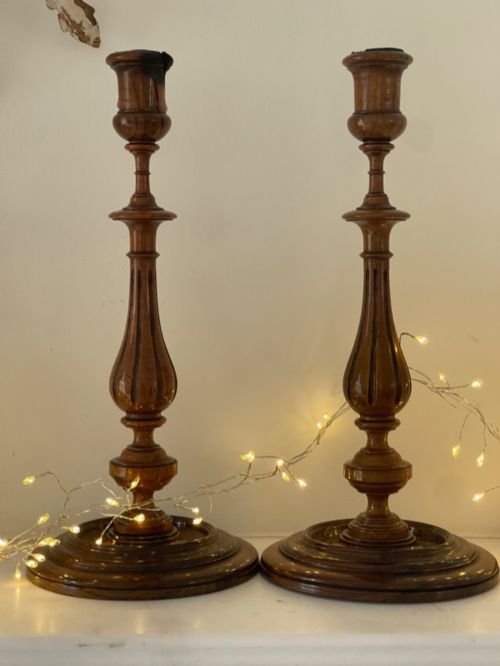
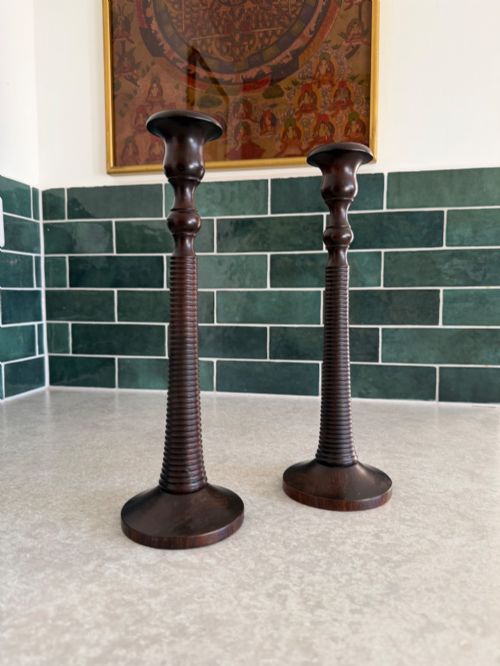
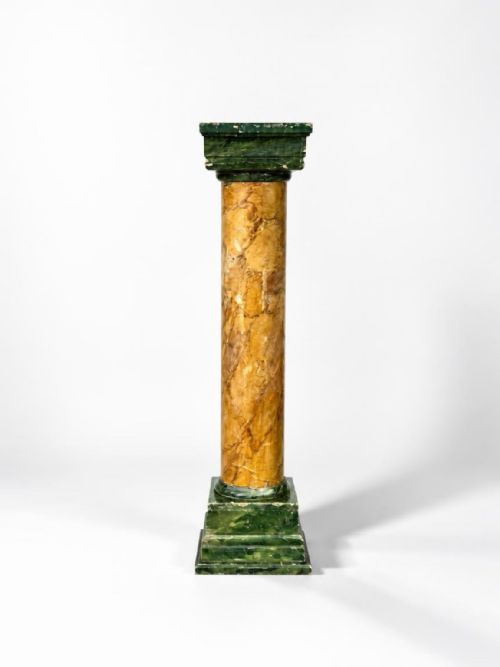
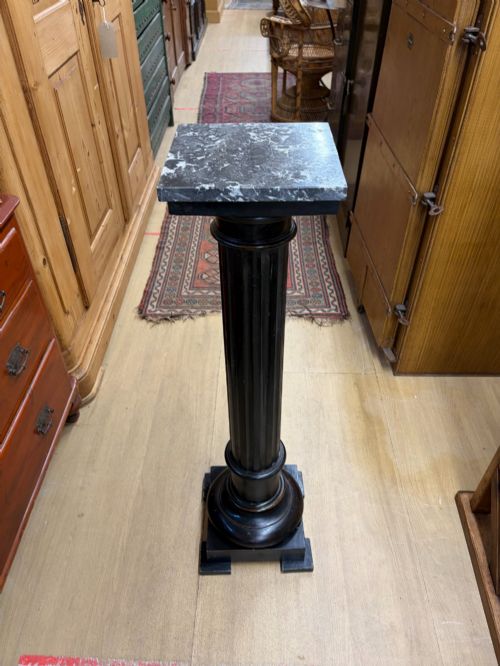
Victorian wooden stands encompass diverse functional furnishings, bringing practical period utility and rich timber character into modern rooms.
Victorian Wooden Stands
When searching for victorian wooden stands, buyers encounter a broad variety of utility pieces designed for specific domestic and professional tasks. These items range from hall stands and music stands to washstands, shaving stands, and small display tables.
The selection on this page demonstrates the heavy reliance on timber utilities during the nineteenth century and subsequent transitional periods. Mahogany, oak, walnut, and pine form the backbone of these functional objects, often incorporating brass or iron hardware.
Hall stands, towel rails, and small reading stands represent the most frequently met forms. Each piece reflects the structured domestic habits of the Victorian era, offering designated spaces for hats, coats, books, or washing equipment.
Materials and construction
Cabinet makers utilised dense hardwoods such as mahogany, walnut, and oak to construct sturdy frames capable of withstanding daily domestic use. Softer timbers like pine appear in utility items such as washstands and school desks, sometimes stained or painted.
Metal elements including brass hooks, iron brackets, and glass inserts integrate into the wooden structures for reinforcement and practical function. Joinery methods prioritise durability, uniting turned elements, carved details, and adjustable mechanisms with traditional fixings.
Victorian Wooden Stands Retail Price Guide 2026
Typical asking prices for victorian wooden stands among the pieces listed under this phrase on Sellingantiques today, from the lower quarter to the upper quarter. They describe what is for sale here now, not the wider market.
The listings span Victorian, Edwardian, and Arts and Crafts periods, featuring mahogany, oak, walnut, and pine.
Assessing quality and execution
Superior examples display refined timber selection, such as figured mahogany or burr walnut, matched with crisp carving and robust structural joinery. Lesser pieces rely on simpler pine construction or heavier, utilitarian forms with minimal decorative embellishment.
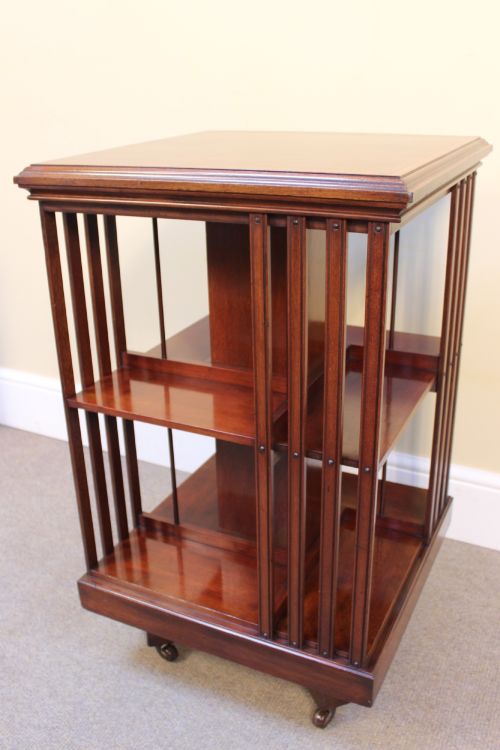
The sophistication of the mechanism or hardware distinguishes standard items from exceptional ones, particularly in adjustable reading stands, revolving bookcases, and fitted hall stands. Original surface patination and intact secondary timbers elevate the standing of any piece.
The Victorian Wooden Stands Glossary
- Hall stand
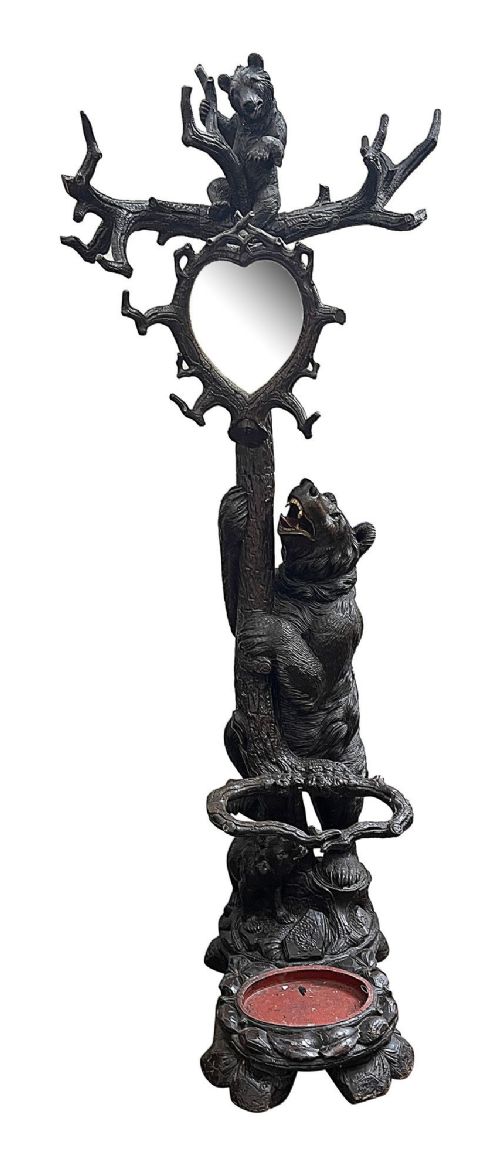
- A piece of furniture placed in an entrance hallway, fitted with hooks for coats, a mirror, and a tray for umbrellas. These often incorporate carved wood and antler details.
- Washstand
- A wooden table designed to hold a basin and jug for washing, frequently featuring a protective tiled or wooden back splash called a gallery.
- Campaign
- Portable furniture designed for military officers on the move, characterised by sturdy timbers, brass corners, and knock-down construction.
- Canterbury
- A low wooden stand fitted with partitions for holding sheet music, books, or newspapers, usually raised on castors.
- Bobbin turned
- A decorative furniture turning technique resembling a string of spools or bobbins, common on nineteenth-century legs and supports.
Victorian Wooden Stands: Frequently Asked Questions
How were hall stands used?
Hall stands served as the main entrance furniture for welcoming visitors and organising outdoor garments. They provided dedicated hooks for hats and coats alongside umbrella wells.
Families utilised the central mirror to check appearances before leaving the house. Many designs included small drawers or trays for gloves and calling cards.
What is a music stand?
Music stands supported sheet music or books for musicians practicing at home. Adjustable reading ledges allowed players to alter the height and angle easily.
These pieces often featured decorative wooden carvings or metal candlesticks attached to the frame. They sat beside pianos or in dedicated music rooms.
Are washstands still practical?
Washstands adapt well to modern bathrooms as vanity units or sink surrounds. Their marble or wooden tops resist splashes while offering useful surface space.
Lower shelves and cupboards provide convenient storage for towels and toiletries. They introduce period character into contemporary interior schemes.
How do I identify a reading stand?
Reading stands feature adjustable sloping surfaces designed to hold books or folios at a comfortable viewing angle. They often appear integrated into larger items like desks or bookcases.
Standalone versions utilise heavy pedestal bases or folding legs for stability. Carpenters built them to assist scholars, readers, and musicians.