
Victorian Wooden Folk Art
Victorian wooden folk art brings together domestic treen, maritime dioramas and handmade toys carved from fruitwood, pine and walnut by vernacular makers.
Victorian Wooden Folk Art
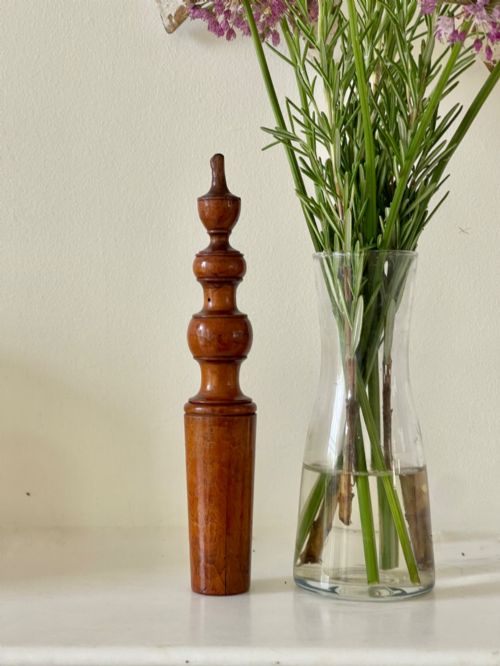
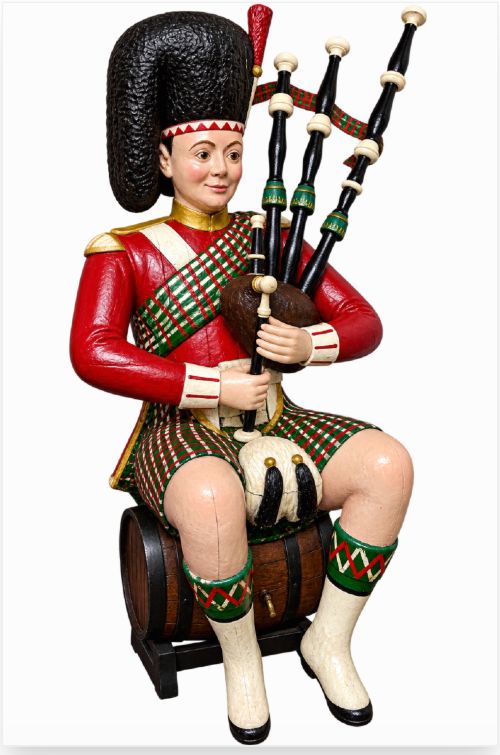
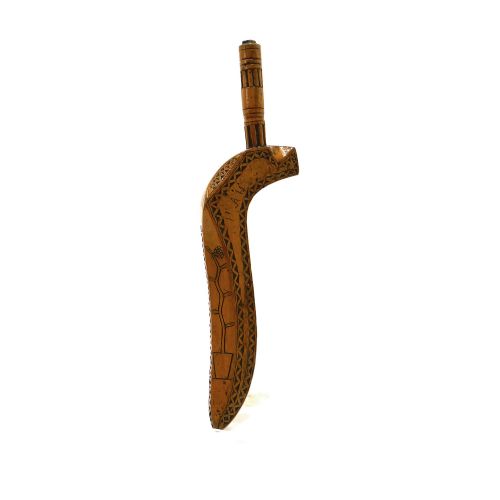
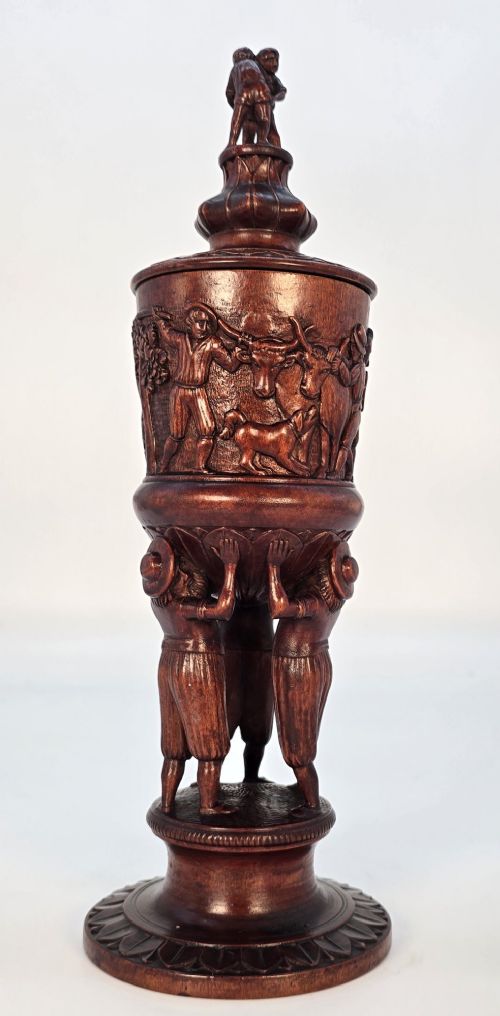
Victorian wooden folk art encompasses vernacular objects created for domestic, rural or maritime life during the nineteenth century. Buyers encounter carved snuff shoes, treen knitting sheaths, painted trade signs, and detailed maritime dioramas within these listings.
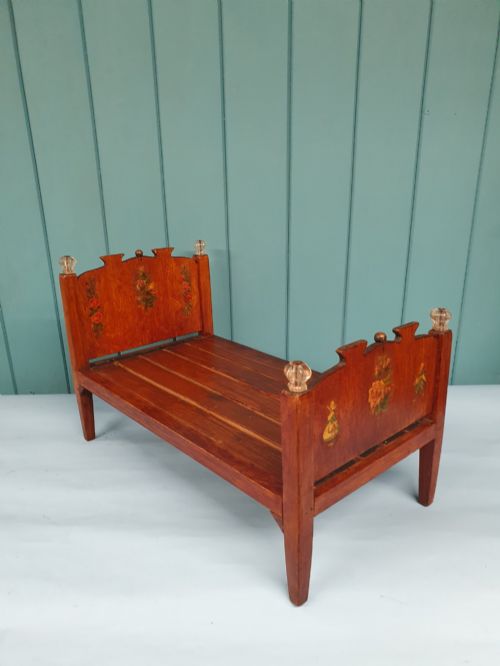
The objects stem from various regional traditions across Britain and continental Europe, spanning the Georgian, Victorian and Edwardian periods. Common domestic items include nutcrackers, lovespoons and miniature furniture, each shaped by local handwork rather than commercial factory output.
Materials and construction methods
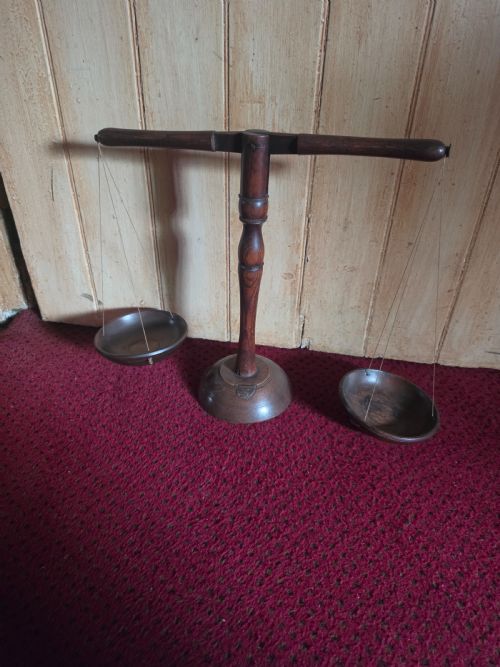
Makers utilised available timbers such as fruitwood, pine, walnut, oak and yew, often shaping them with simple hand tools. Surfaces frequently display remnants of early paint, polychrome wax decoration, or natural wood patination earned through decades of handling.
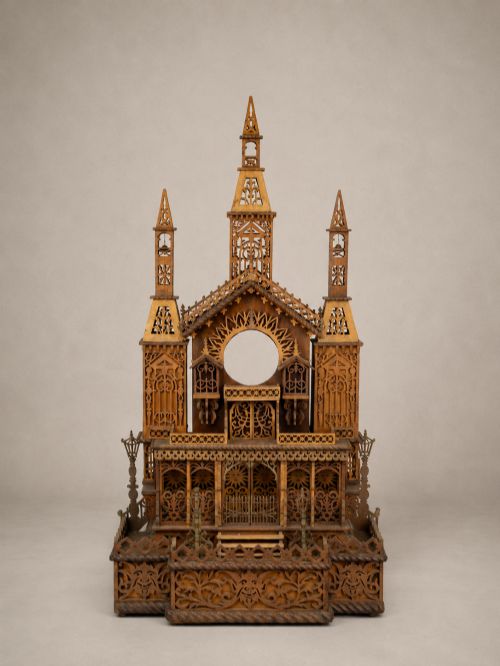
Detailing relied on traditional techniques including punchwork decoration, bone inlay, fretwork and reverse glass painting. Structural elements frequently joined with pegged or dovetailed joints rather than modern fasteners.
Judging quality in vernacular pieces
Quality rests on the directness of the carving, the expressive character of the subject, and the preservation of original surfaces. Pieces shaped with strong visual presence and confident tool marks stand apart from mechanical or later copies.
The integrity of the original paint, patination and historical decoration dictates the desirability of an object. Intact regional quirks and legible dates or inscriptions add significant archival weight to the surviving woodwork.
The Victorian Wooden Folk Art Glossary
- Treen
- Small handmade wooden objects for domestic use. These functional items include treen knitting sheaths and snuff boxes shaped from dense timbers.
- Diorama
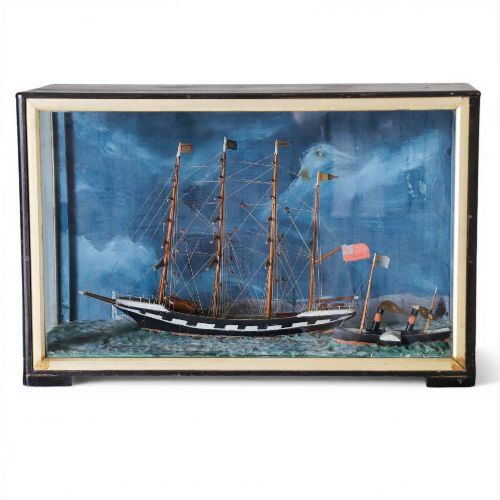
- A three-dimensional scenic representation enclosed in a glazed case. Maritime examples typically portray sailing ships at sea using painted backgrounds and model hulls.
- Lovespoon
- A decorated wooden spoon carved as a token of affection. Welsh and Swiss examples frequently incorporate intricate patterns, initialling and carved symbols.
- Knitting sheath
- A domestic device tucked into a belt or apron to hold a knitting needle steady. They often take sculptural forms such as shoes or animals.
- Trampart
- Layered wooden objects fashioned from salvaged packaging crates and cigar boxes using pocket knives and simple glues. These pieces rely on geometric chip-carving and varnished surfaces.
Victorian Wooden Folk Art: Frequently Asked Questions
What defines Victorian wooden folk art?
These pieces comprise utilitarian or decorative items carved, painted, or constructed by non-professional makers during the nineteenth century. They include household treen, maritime dioramas, trade signs, and handmade toys.
Unlike standard factory products, each item reflects local traditions, individual resourcefulness, and the specific materials available to the maker in rural or coastal communities.
How were treen snuff shoes used?
Snuff shoes served as pocket containers for storing dry tobacco snuff during the eighteenth and nineteenth centuries. The carved wooden footwear often featured sliding lids or double openings.
Makers frequently decorated these personal items with bone inlay, punchwork, or carved initials, turning a simple pocket accessory into a cherished keepsake.
How can I tell the age of these objects?
Dating relies on tool marks, timber selection, wear patterns, and the chemical composition of early paint layers. Hand-wrought iron fixings and dense fruitwood patination often point to nineteenth-century origins.
Comparing construction methods with dated examples, such as inscribed lovespoons or trade signs, helps establish the chronological window of a piece.
Where were maritime dioramas made?
Maritime dioramas were typically produced by sailors, coastal craftsmen, or specialised model makers in port towns. They captured specific vessels, naval engagements, or coastal scenes.
The makers utilised carved wood, painted canvases, real rigging cord, and glass fronts to create depth and movement within enclosed wooden cases.