


Victorian Wooden Coat Pegs
These victorian wooden coat pegs bring practical nineteenth-century utility and rich timber character straight to your hallway.
Victorian Wooden Coat Pegs
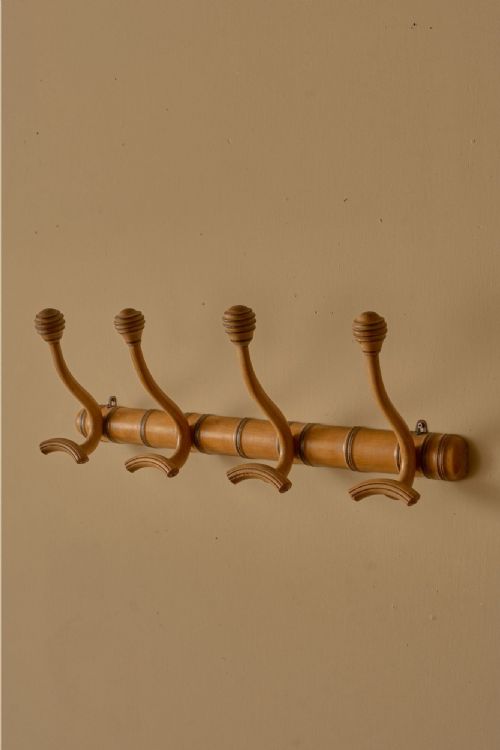
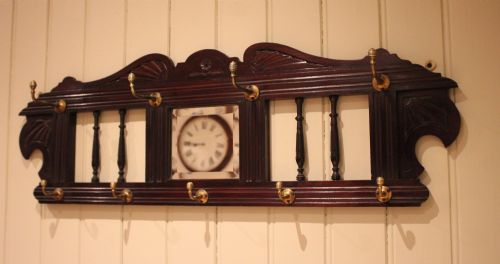
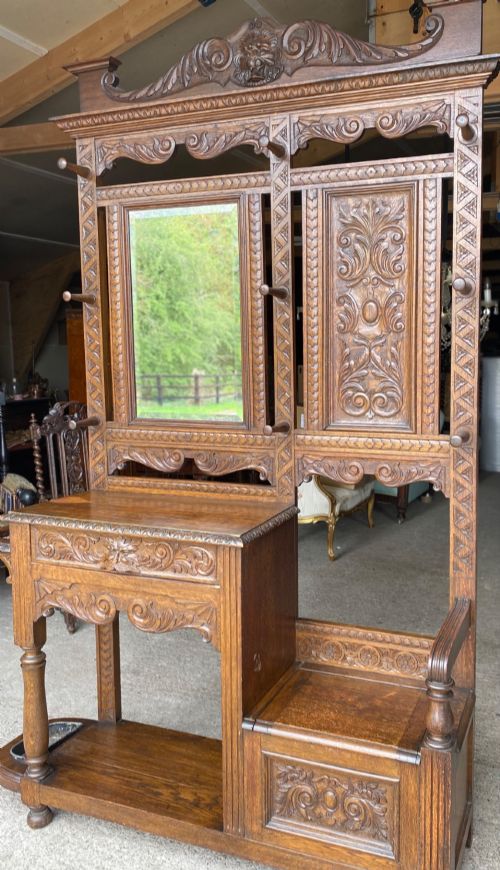
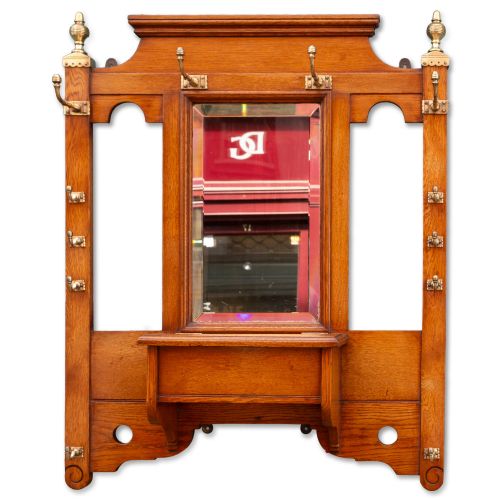
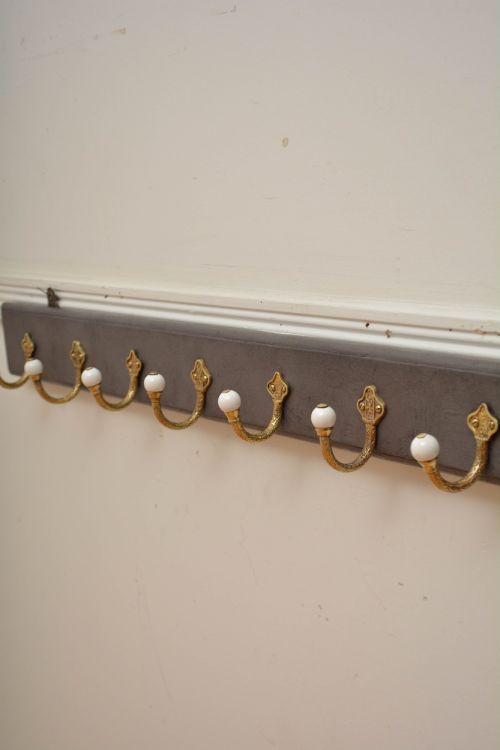
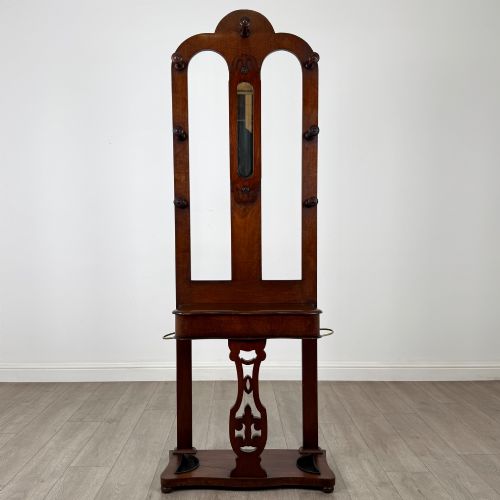
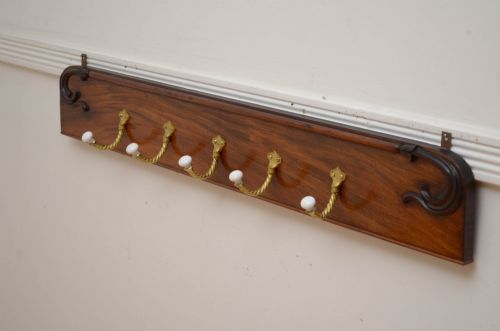
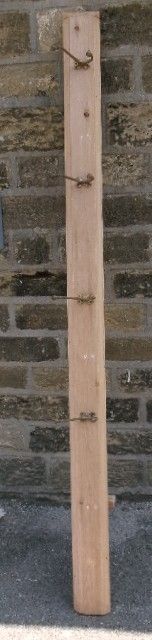
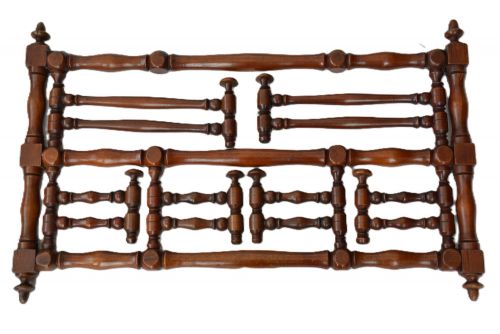
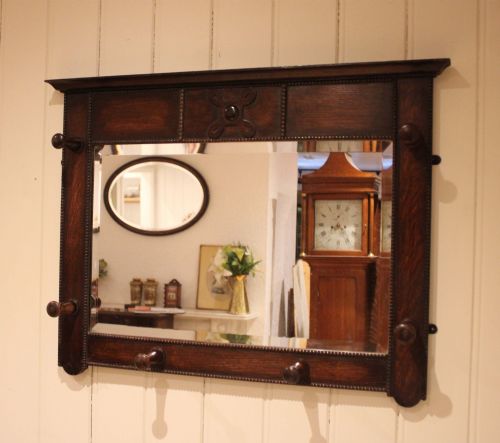
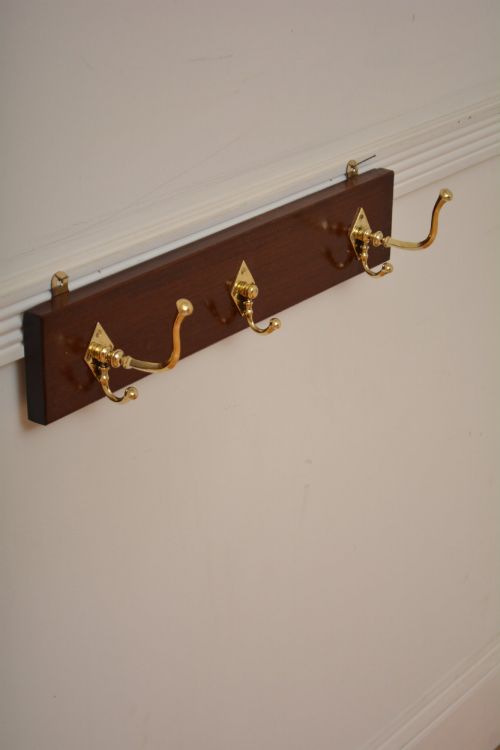
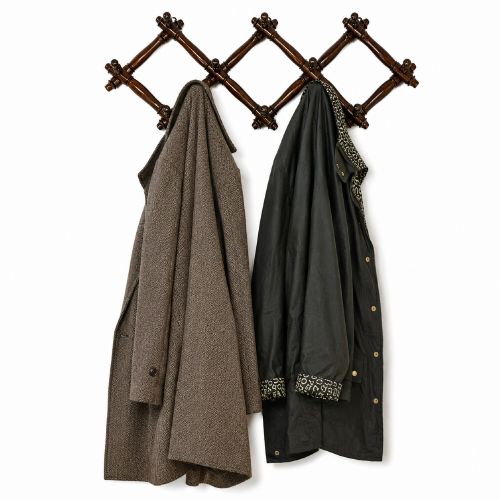
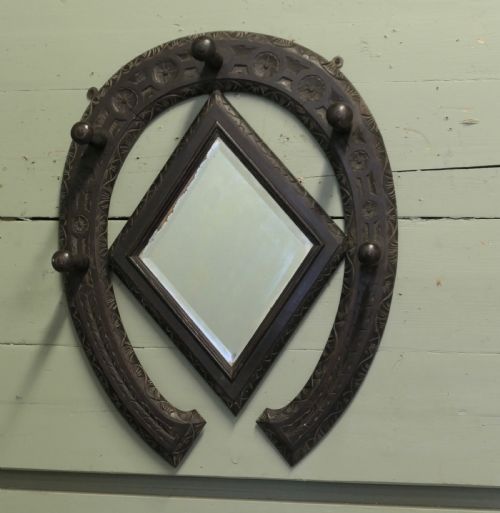
Most items combine a timber backboard with metal, ceramic, or brass hooks, whilst more elaborate forms incorporate bevelled mirrors, barometer inserts, or intricate hand-carved motifs. You will find standard rows of hooks alongside specialised designs reflecting aesthetic movement, gothic revival, and black forest styles.
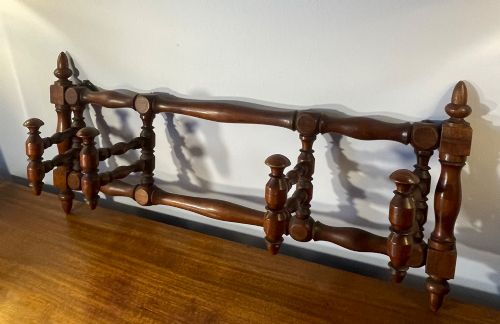
The dominant timbers across these listings are mahogany and oak, joined by walnut, pine, and bentwood. These pieces served a strictly utilitarian purpose in historical homes, which explains their robust construction and enduring functional appeal.
Materials and Construction
Cabinetmakers utilised dense hardwoods like mahogany and oak for the main backboards and structures, ensuring strength to bear heavy garments. Beech and bentwood appear where curved profiles were required, shaped through steam-bending techniques typical of the period.
Victorian Wooden Coat Pegs Retail Price Guide 2026
Typical asking prices for victorian wooden coat pegs among the pieces listed under this phrase on Sellingantiques today, from the lower quarter to the upper quarter. They describe what is for sale here now, not the wider market.
Assessing Quality and Merit
The distinction between standard utility items and finer examples lies in the selection of timber and the ambition of the design. Dense grain figures in the mahogany or oak, combined with sculptural carving or integrated mirrors and barometers, mark out the superior pieces.
Fixing methods and the integrity of the original hooks also dictate distinction. Original brass or ceramic-tipped hooks secured firmly to substantial timber backboards represent the better end of the range compared to later replacements or plain pine boards.
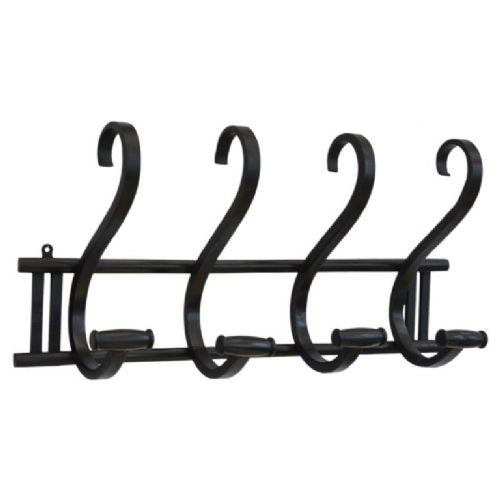
Thonet
The Victorian Wooden Coat Pegs Glossary
- Backboard
- The horizontal or vertical plank of wood that supports the mounted hooks. This timber panel attaches directly to the wall.
- Bentwood
- Wood that has been heated, usually with steam, and bent into curved structural forms. This technique created lightweight yet resilient frames.
- Hall Stand
- A larger piece of entrance furniture combining coat hooks, a mirror, umbrella stands, and sometimes a small bench. They dominated Victorian reception hallways.
- Aesthetic Movement
- A late nineteenth-century design style prioritizing visual beauty over narrative or moral purpose. Pieces from this movement display refined craftsmanship and artistic flair.
- Black Forest
- A nineteenth-century carving style originating from the mountainous region of Central Europe. These objects showcase intricate hand-carved animal motifs and naturalistic scenes.
Victorian Wooden Coat Pegs: Frequently Asked Questions
How were victorian coat racks mounted?
These racks typically attached to hallway walls using screw fixings through pre-drilled holes in the wooden backboard. The placement ensured the timber could support the weight of heavy winter garments.
Modern buyers should locate wall studs or use appropriate cavity fixings to ensure safe installation in a contemporary home.
What is a black forest coat rack?
Black forest pieces feature detailed hand-carved wooden animals, foliage, or figures originating from central european workshops during the nineteenth century. They often incorporate natural elements like animal horns alongside carved wooden panels.
These decorative items brought a rustic yet sophisticated artistic touch to Victorian hallways and cloakrooms.
Are the hooks usually original?
Many pieces retain their original brass, iron, or ceramic-tipped hooks, which show honest signs of age and wear. Some examples feature specialised additions like twisted rope motifs or porcelain details.
Buyers should examine the seating of the screws to determine if the hardware dates from the same period as the timber backboard.
How do I care for antique wood?
Maintain the timber by dusting regularly with a soft, dry cloth and occasionally applying a quality beeswax to nourish the grain. Avoid placing wooden coat racks in areas subject to extreme humidity or direct sunlight.
Gentle care preserves the original patina developed over more than a century of domestic use.