

Victorian Wood Table
A victorian wood table brings solid nineteenth-century craftsmanship into a room, offering practical surfaces in rich timbers like mahogany and walnut.
Victorian Wood Table
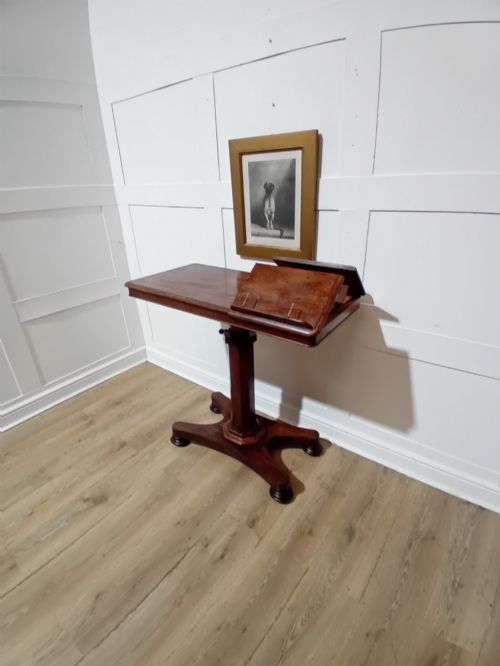
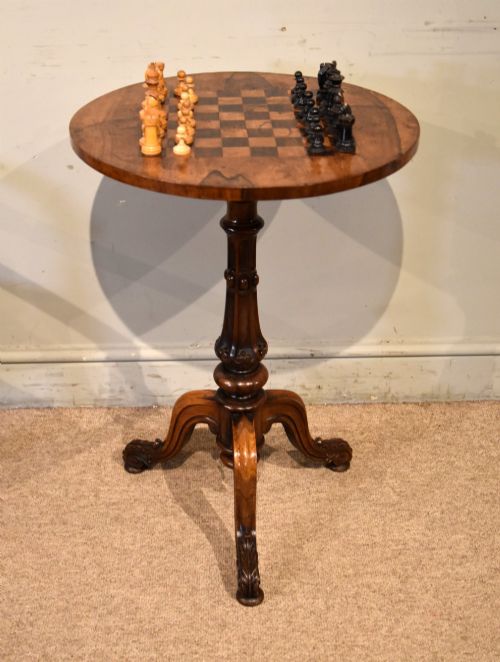
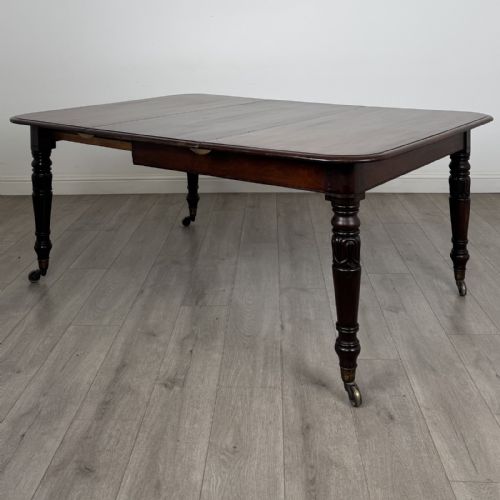
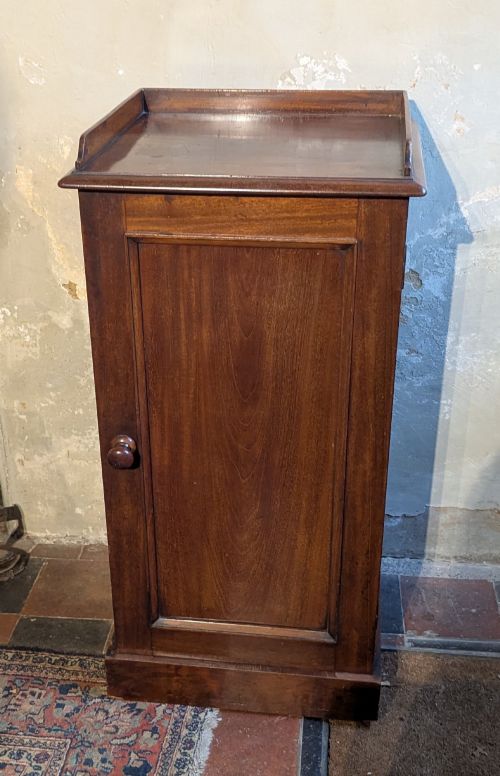
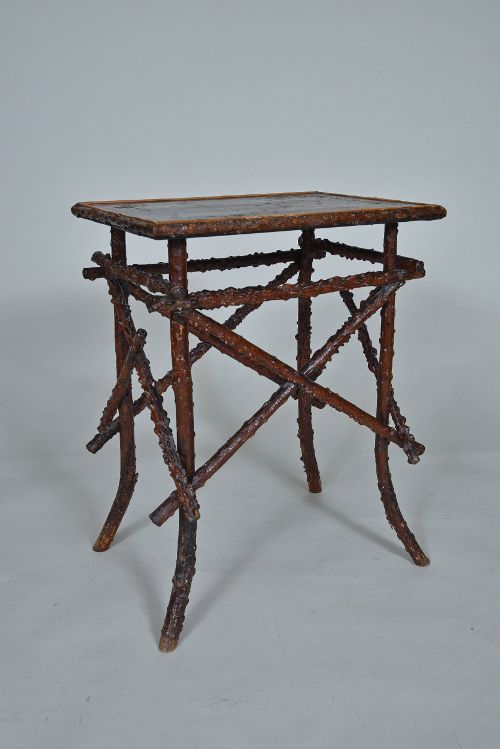
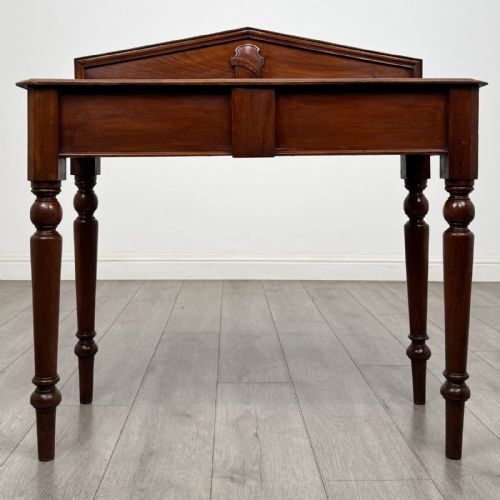
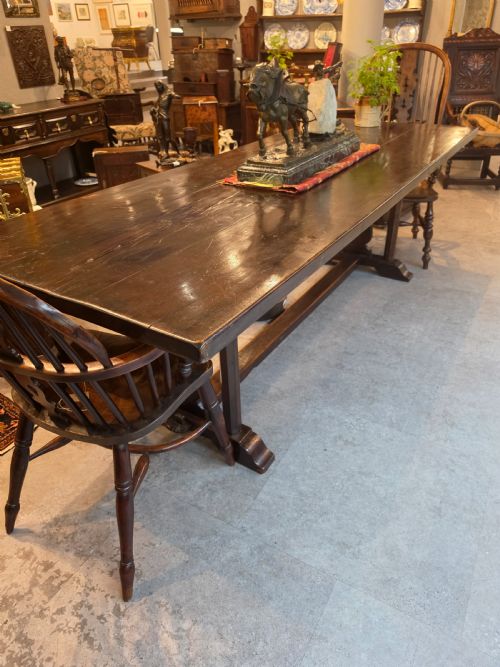
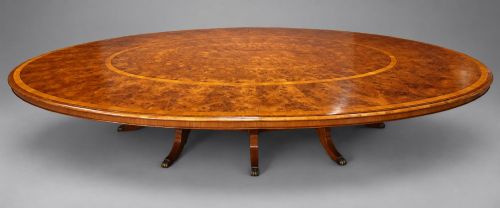
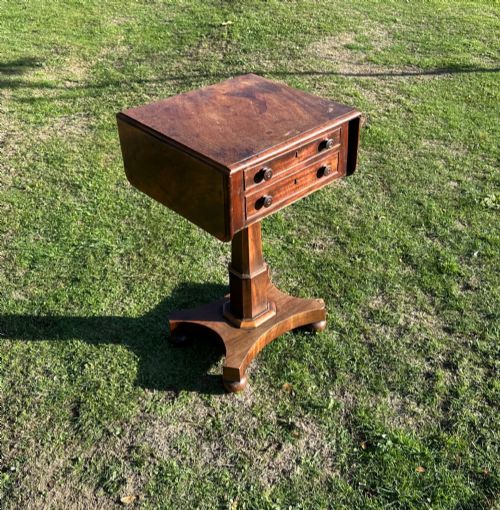
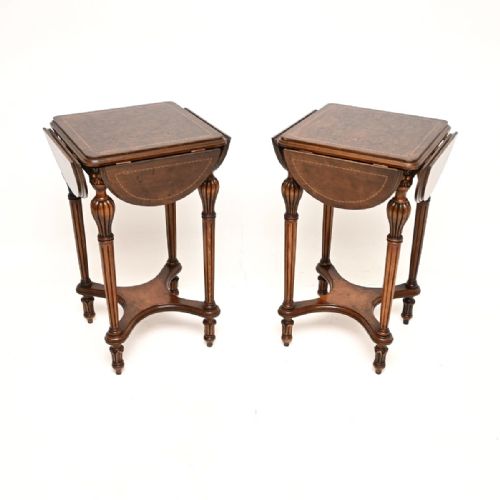
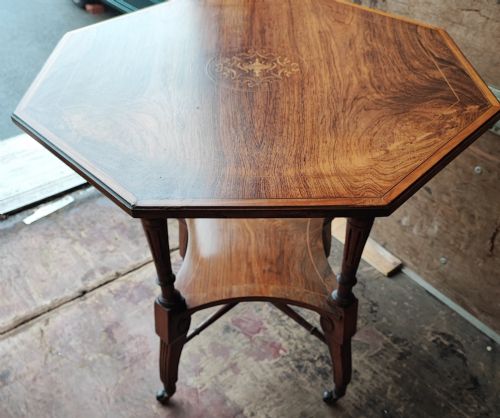
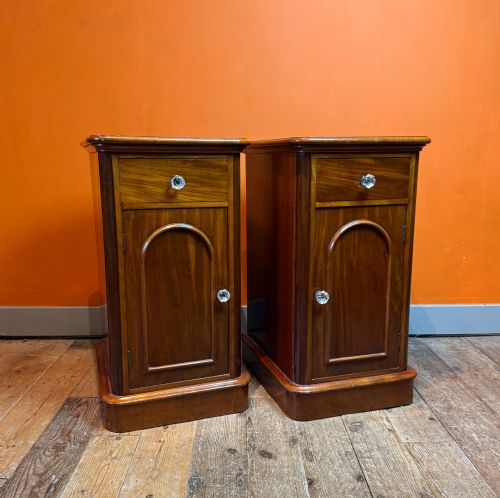
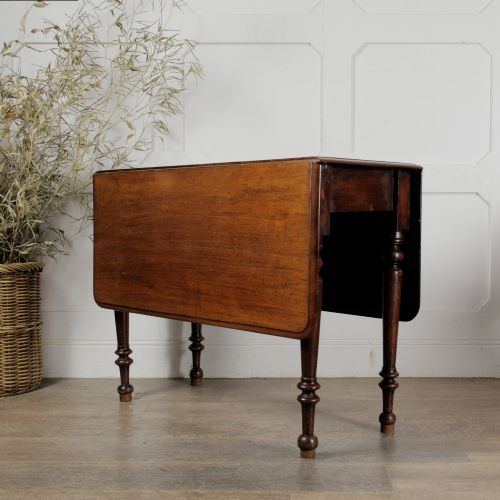
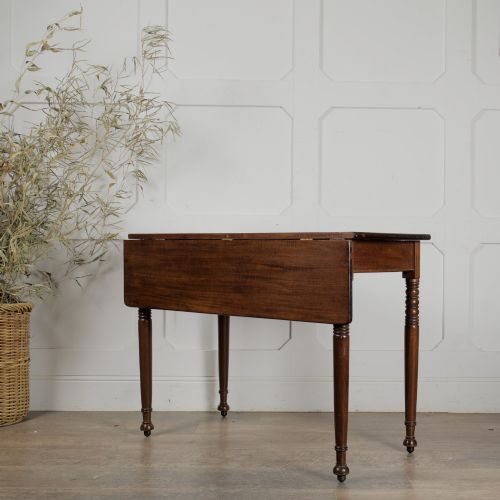
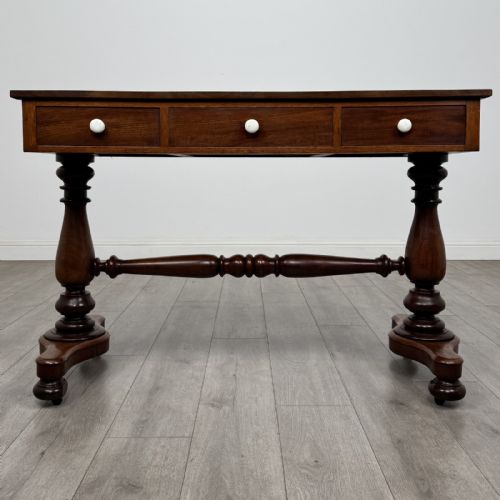
A victorian wood table encompasses a wide range of domestic furniture designed during the nineteenth century, from large extending dining tables to compact occasional and wine tables. The pieces listed here show various forms including lamp tables, centre tables, writing desks, and tripod candle stands.
Most examples found on this page date from the Victorian era and the broader nineteenth century, alongside related pieces from the Edwardian period. Materials span traditional British timbers like mahogany and walnut, alongside exotic woods such as satin birch, rosewood, and padouk.
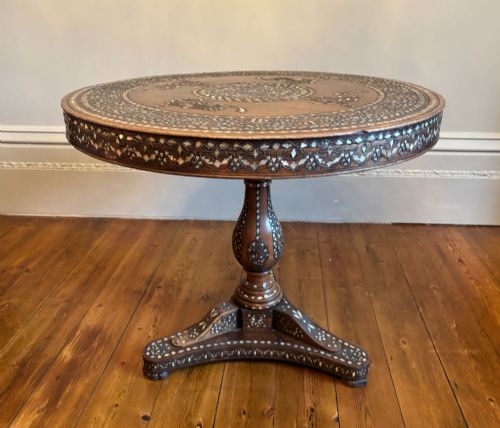
Regional styles extend beyond standard British cabinet-making to include Anglo-Indian, Burmese, and Swiss Black Forest designs. These diverse origins provide buyers with simple utilitarian pieces as well as heavily carved or marquetry-inlaid showpieces.
Materials and Technique
Cabinet-makers relied heavily on dense tropical hardwoods, predominantly solid and veneered mahogany, walnut, and rosewood, chosen for durability and deep natural grain. Secondary timbers provided internal framing, whilst specialist woods like satinwood and satin birch served for lighter decorative banding and inlay.
Construction techniques combined traditional joinery with decorative enrichment, such as brass galleries, turned tripod pedestals, tilt-top mechanisms, and intricate marquetry. Surfaces received hand-rubbed polish finishes that accentuated the natural figure of the timber.
Victorian Wood Table Retail Price Guide 2026
Typical asking prices for victorian wood table among the pieces listed under this phrase on Sellingantiques today, from the lower quarter to the upper quarter. They describe what is for sale here now, not the wider market.
The inventory includes colonial and continental influences, showing carved teak, padouk, and Swiss Black Forest marquetry alongside standard British cabinet-making.
Standards of Execution
Quality rests on the selection of timber and the precision of the cabinet-making, where finely figured veneers and crisp, deep hand-carving distinguish superior examples from plain utility pieces. The structural integrity of joints, mechanisms like tilt-top catches, and original brass fittings indicate the level of care invested in the manufacture.
Makers who supplied high-end urban townhouses employed more complex marquetry, elaborate pedestals, and secondary timbers of higher grade than those making simple regional furniture.
Ralph Turnbull·James Shoolbred
The Victorian Wood Table Glossary
- Tilt top
- A tabletop hinged to a central pillar so it can pivot vertically when not in use. This clever space-saving mechanism allowed tables to stand flat against a wall.
- Marquetry
- Decorative patterns formed by fitting together thin veneers of different coloured woods or materials. Master craftsmen used this technique to create intricate floral or geometric tabletop scenes.
- Tripod base
- A pedestal support resting on three splayed legs. This design provides stable footing on uneven nineteenth-century floors.
- Brass gallery
- A low pierced metal railing fitted around the perimeter of a tabletop. Its primary function was to keep glassware and small objects from sliding off.
Victorian Wood Table: Frequently Asked Questions
How do I care for a wood table?
Maintenance requires keeping timber away from direct heat sources and strong sunlight to prevent the wood from drying out or splitting. Regular dusting with a soft, dry cloth preserves the polished surface.
Avoid applying modern silicone sprays, relying instead on traditional beeswax to nourish antique polish.
Where were these tables used?
These tables served various domestic functions depending on their scale, from grand dining rooms to small bedrooms and libraries. Smaller occasional and lamp tables sat beside seating areas to hold lighting and reading material.
Writing tables and desks provided functional workspaces for correspondence before the widespread adoption of modern office furniture.
How do I identify a Victorian table?
Identification relies on examining the timber species, construction joints, and stylistic details typical of the nineteenth century. Common indicators include heavy mahogany or walnut construction, hand-cut dovetails, and period-appropriate turning on legs and pedestals.
Regional variations and maker signatures or stamps can further clarify the exact period of origin.