



Victorian Women Oil Painting
A victorian women oil painting captures character and costume through brushwork, offering a direct window into nineteenth-century life.
Victorian Women Oil Painting
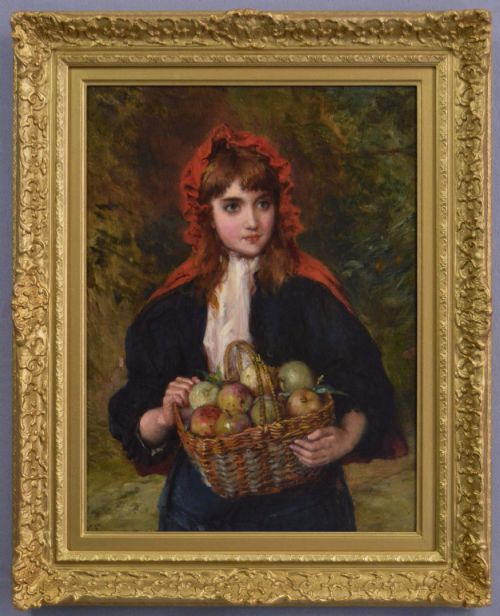
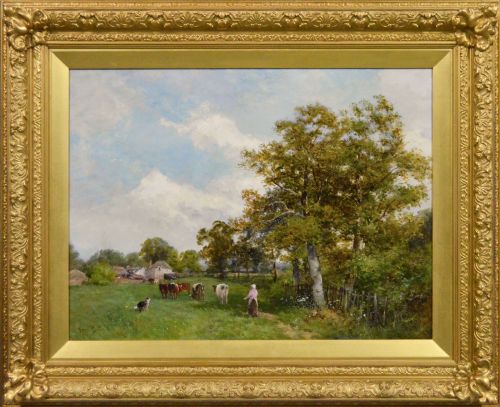
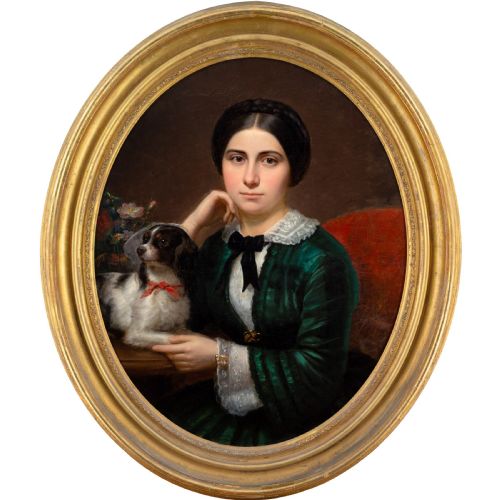
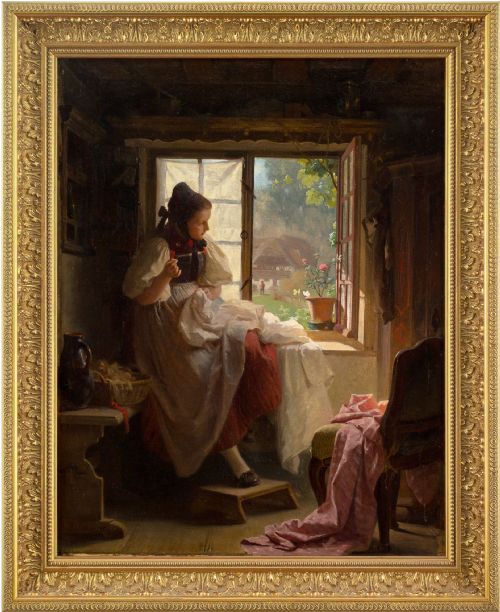
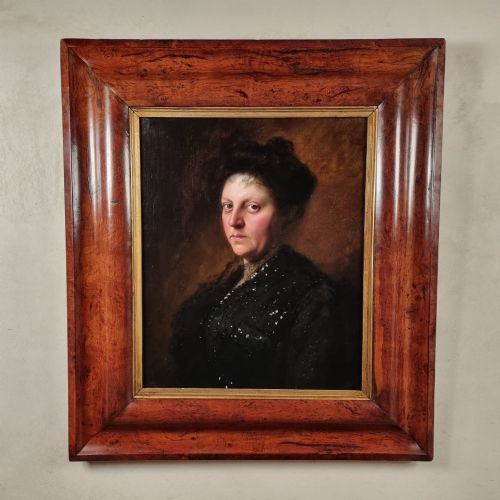
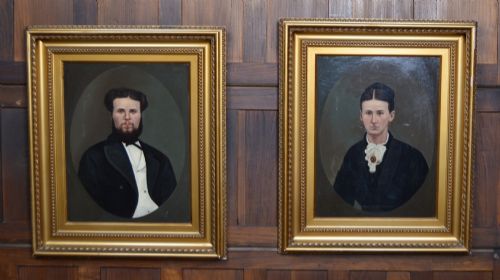
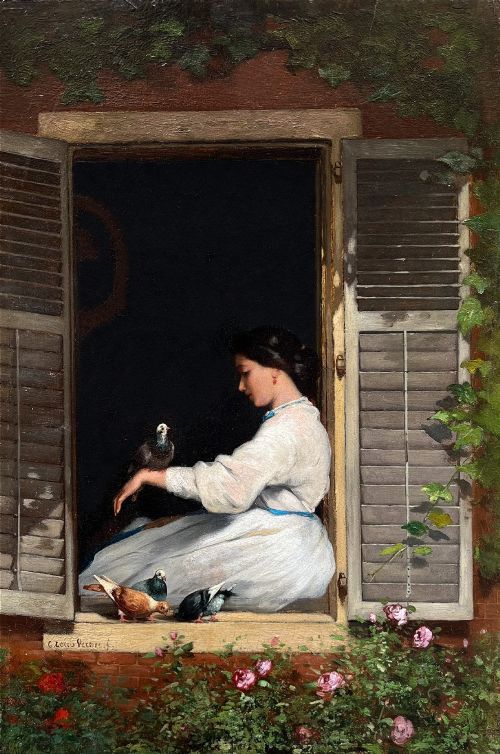
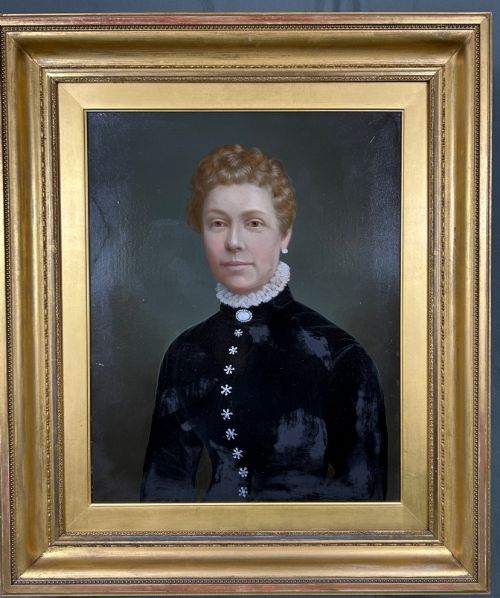
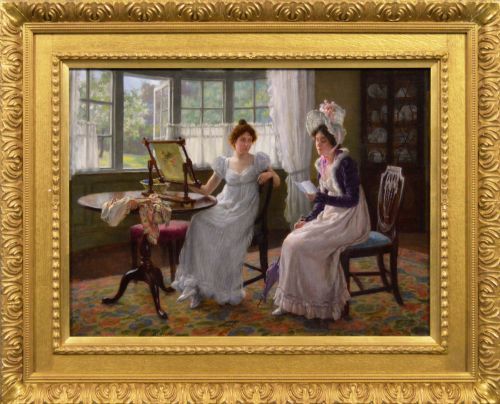
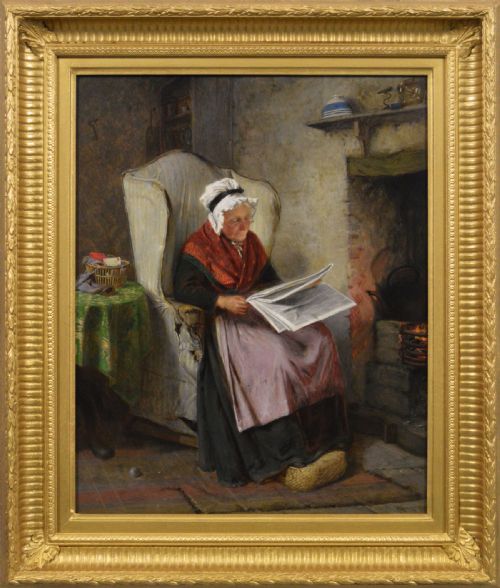
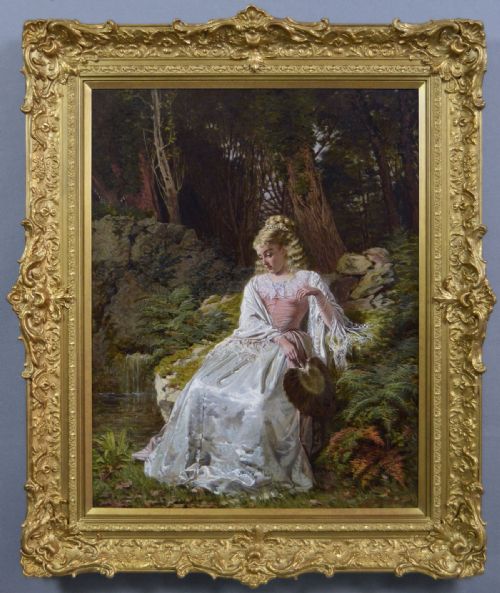
A victorian women oil painting portrays subjects ranging from stately society ladies and young girls sewing by a window to country women gathering berries or working alongside animals. These works span the nineteenth century and into the Edwardian era, capturing distinct social spheres from domestic interiors to pastoral landscapes.
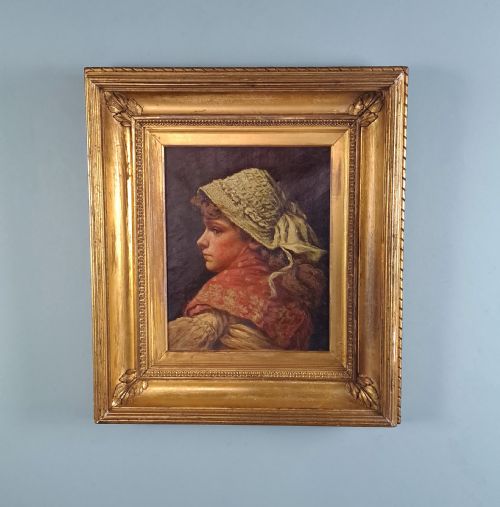
The most common version met on this page is the individual portrait on canvas, often set within a gilded or ebony frame. Genre scenes depicting women in domestic or rural settings also appear frequently, alongside fashion and landscape compositions recorded by named artists and regional schools.
Materials and Techniques
These works are painted using oil paint on canvas or board, mounted on wood stretchers and secured within frames formed of gesso and gold leaf or gilt and gilded wood. The physical structure relies on traditional woven canvas stretched across wooden supports.
Artists built depth through layered oil pigments, while framemakers applied gesso mouldings finished with gold leaf to house the finished works. The combination of oil on canvas and ornate wooden frames remains standard across the period.
Materials documented across these listings include oil on canvas, canvas, wood, oil paint, gesso, gold leaf, gilt wood, and gilded wood.
Quality Variations
The integrity of the original canvas, the preservation of the oil paint surface, and the craftsmanship of the period frame contribute to the overall standing of each piece. Works by recorded painters or recognised schools typically show greater technical command.
William Oliver·David Bates·Max Kaltenmoser·Louis Charles Verwee·Honore Cavaroc·William Arthur Breakspeare·Charles Haigh Wood·Haynes King·Thomas Edward Roberts·C.S. Lidderdale·William Henry Knight·Henry John Yeend King·John Robert Dicksee·Robert Alexander Hillingford·Louis William Desanges·August Heinrich Riedell·William Joseph Carroll·Jane Maria Bowkett·Claude Cardon
The Victorian Women Oil Painting Glossary
- Genre painting
- A depiction of scenes from everyday life, often showing women engaged in domestic tasks, cottage interiors, or rural work.
- Gesso
- A plaster-like mixture applied to wooden frames before gilding, providing a smooth base for gold leaf.
- Oil on canvas
- Pigments bound in an oil medium and applied to a stretched woven fabric support.
- Portraiture
- The art of representing a specific person, emphasising facial likeness and character.
- Gilt wood
- Wood coated with a thin layer of gold leaf or gold paint, frequently used for period picture frames.
Victorian Women Oil Painting: Frequently Asked Questions
What periods do these paintings cover?
The selections span the nineteenth century, including specific dates from the 1850s, 1860s, 1870s, 1880s, and 1890s, alongside general Victorian and Edwardian examples.
Some works extend into the early twentieth century, reflecting the lingering styles of late nineteenth-century academic and realist traditions.
How were these paintings originally framed?
Many works are housed in their original frames constructed from wood with gesso and gold leaf or gilt finishes. Ebony frames also appear among the selections.
The ornamentation of the frame often matches the period of the canvas it encloses.
What subjects besides portraits are shown?
In addition to direct portraits of ladies and young girls, the selections include genre scenes of women in country house interiors, cottages, and parkland settings. Pastoral and animal scenes show women herding cows, feeding chickens, or gathering berries.
Landscapes and coastal views also incorporate female figures as part of the composition.
How do I identify different artistic styles?
Styles include 19th-century realism, romanticism, academic painting, and Victorian pastoral or genre scenes. These classifications reflect the prevailing artistic movements of English and French schools during the period.
Signatures, inscriptions on the reverse, and recorded attributions help connect specific canvases to known artists and regional traditions.