

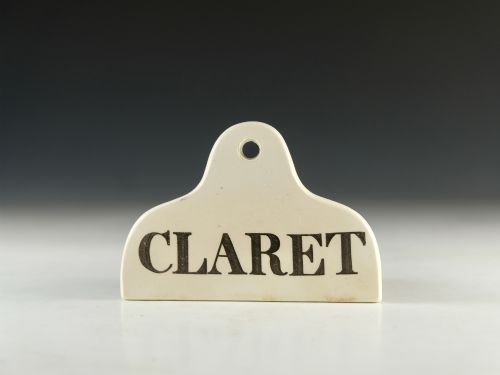
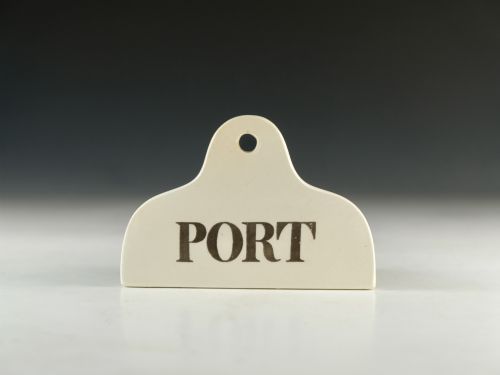


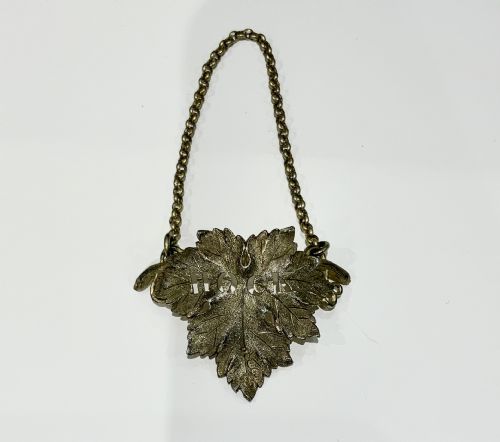
Victorian Wine Tag
A victorian wine tag organises the cellar, naming bottles in sterling silver and glazed earthenware.
Victorian Wine Tag
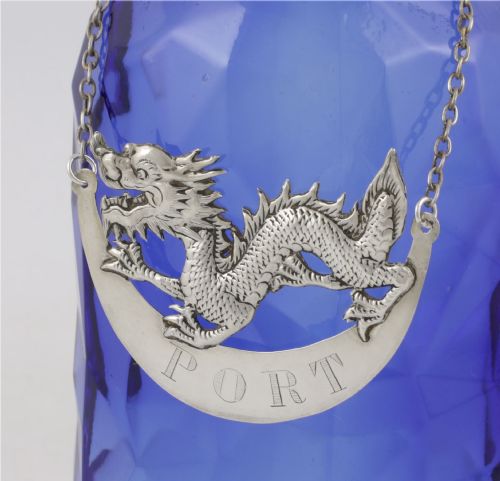
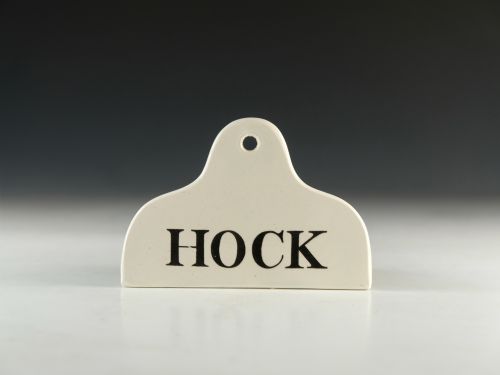
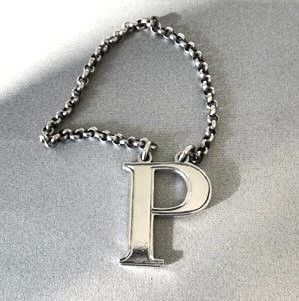
A victorian wine tag serves to identify bottles and bin contents across the nineteenth century. These pieces appear primarily as decanter labels and cellar bin labels, marking spirits and wines such as port, sherry, madeira, claret, hock, marsala, and brandy.
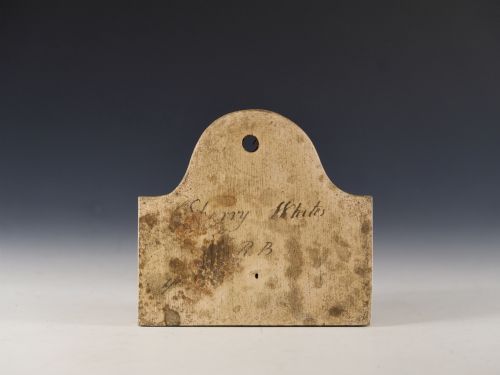
The selections available here range from mid nineteenth century earthenware bin labels to sterling silver and silver gilt decanter labels shaped with rococo revival details or chinese export dragon motifs. Such items bring traditional utility to period glassware and decanters.
Most examples date firmly through the victorian era, supplemented by occasional georgian and edwardian pieces. Buyers encounter both hanging bottle tags and fixed bin labels designed for cellar shelving.
How they were made
Makers shaped these objects using sterling silver, silver gilt, and ceramic bodies including creamware and glazed earthenware. Metal labels utilise sheet silver, frequently pierced or cast with vine leaf and rococo revival ornamentation.
Ceramic bin labels rely on moulded earthenware finished with glaze to display handwritten or printed bin titles clearly. These materials withstand damp cellar environments while retaining legible lettering.
Victorian Wine Tag Retail Price Guide 2026
Typical asking prices for victorian wine tag among the pieces listed under this phrase on Sellingantiques today, from the lower quarter to the upper quarter. They describe what is for sale here now, not the wider market.
Certain stubborn vintages required entirely unexpected spelling variations on their ceramic tags.
What varies in quality
The distinction between standard examples and finer pieces rests upon the crispness of the chasing, the weight of the silver, and the clarity of the ceramic glaze. Superior metalwork displays sharp detailing on vine leaves and engraved titles rather than softened edges.
Quality also depends upon the retention of original gilding and the uncommonness of the beverage title inscribed upon the surface. Standard names appear frequently, whereas specific bin locations or unusual titles elevate the piece.
The Victorian Wine Tag Glossary
- Decanter label
- A small tag hung around the neck of a decanter by a chain to identify the contents. These items are frequently fashioned from sterling silver.
- Bin label
- A tile or plaque fixed to wine cellar shelving to indicate the location of specific bottles. They are commonly produced in glazed earthenware.
- Silver gilt
- Silver that has been coated with a thin layer of gold on the surface. This technique provides a rich yellow sheen to the metal.
- Rococo revival
- A nineteenth century design style characterised by asymmetrical scrolls, foliage, and shell motifs. It appears frequently on silver wine labels.
- Creamware
- A refined light coloured earthenware developed during the eighteenth century. It provides a smooth ground for painted or printed inscriptions.
Victorian Wine Tag: Frequently Asked Questions
How were victorian wine tags used in the cellar?
These items served a dual purpose in period dining and storage. Hanging silver tags identified the specific spirit or wine poured from decanters at the table, while ceramic bin labels organised bottles on wooden cellar shelving.
Cellar keepers relied on bin labels to maintain order among different vintages and varieties without disturbing the bottles. Table tags ensured guests and hosts could distinguish between port, sherry, and madeira during meals.
What materials are common for these labels?
Sterling silver and glazed earthenware form the majority of surviving examples. Silversmiths used solid silver and silver gilt for hanging bottle tags, often incorporating cast or pierced decorative motifs.
Earthenware, creamware, and ceramic bodies appear on fixed bin labels intended for shelving. These glazed surfaces protected the underlying clay from damp cellar conditions.
How do I care for silver wine tags?
Silver tags require gentle cleaning with a soft cloth to remove tarnish without abrading the engraved lettering. Avoid harsh chemical dips that strip away the aged patina accumulated over the nineteenth century.
Store metal labels in dry conditions away from direct sunlight and moisture. Ceramic bin labels simply need occasional dusting with a dry brush to preserve the glaze.
Can I use antique decanter labels today?
These items fit modern decanters just as they did in the victorian period. The chains on silver tags slip easily around standard glass necks for daily use or display.
Care should be taken with the original chains and suspension rings, which can be delicate after more than a century of handling. Many collectors use them actively on dining tables alongside vintage glassware.