



Victorian Wine Label
These Victorian wine label pieces sit on decanters and bins to name the bottle's contents in solid silver, glass, and earthenware.
Victorian Wine Label
When you search for a Victorian wine label, you look for small tags that identify decanted spirits or cellar bins. These pieces span the 19th century, featuring periods from Georgian remnants to Edwardian examples alongside Victorian works.
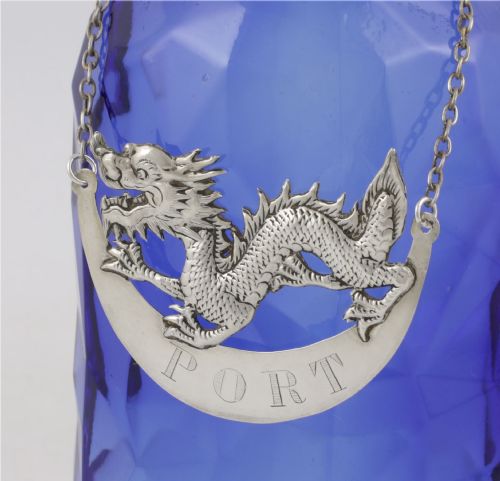
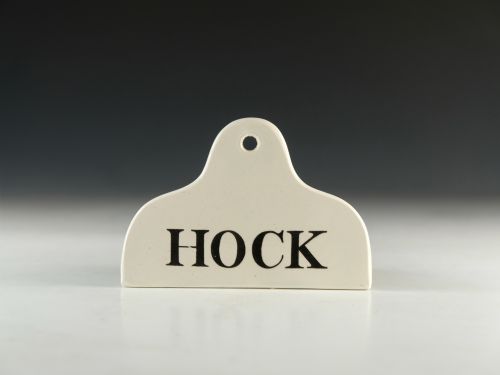
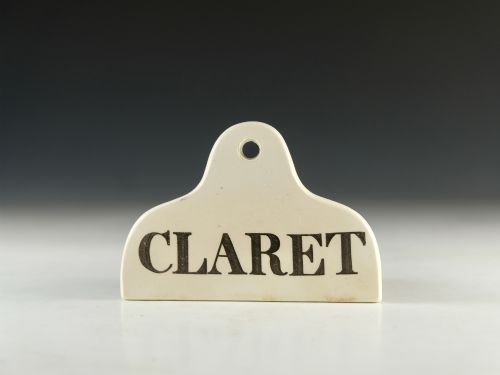
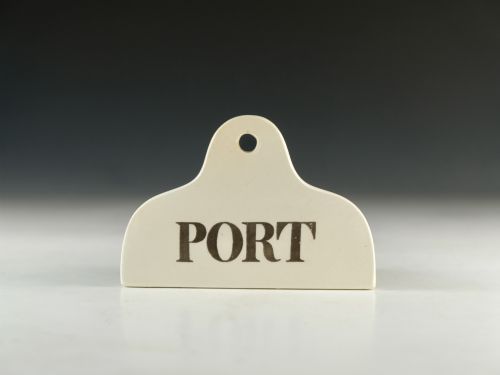
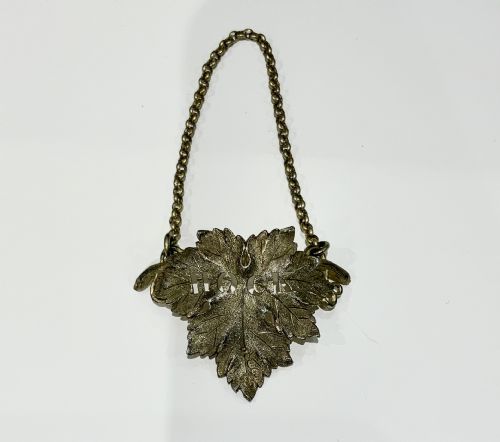
The versions you meet on this page include sterling silver bottle tags bearing names like Port, Sherry, Claret, Madeira, Marsala, and Brandy, alongside glazed earthenware and creamware cellar bin labels.
Decanter labels hang from chains around bottle necks, while bin labels identify shelves or bottles in the cellar. Some items combine green or blue glass wine bottles with silver necks, and others show Chinese export silver dragon bottle tags.
Materials and Techniques
Makers shaped sterling silver and solid silver into tags, often adding silver gilt or forming vine leaf motifs. Chinese export silver creates distinct dragon bottle tags.
Ceramic pieces utilise glazed earthenware, creamware, and general ceramic with glaze. Glass bottles incorporate teal glass and coloured glass paired with silver necks.
Victorian Wine Label Retail Price Guide 2026
Typical asking prices for victorian wine label among the pieces listed under this phrase on Sellingantiques today, from the lower quarter to the upper quarter. They describe what is for sale here now, not the wider market.
Listings feature sterling silver, glazed earthenware, creamware, and teal glass across the 19th century, Victorian, Georgian, and Edwardian periods.
Evaluating Quality
The distinction between standard and superior pieces rests on the weight of the silver and the clarity of the pierced or engraved titles. Silver gilt highlights and detailed motifs like vine leaves elevate the craftsmanship of a piece.
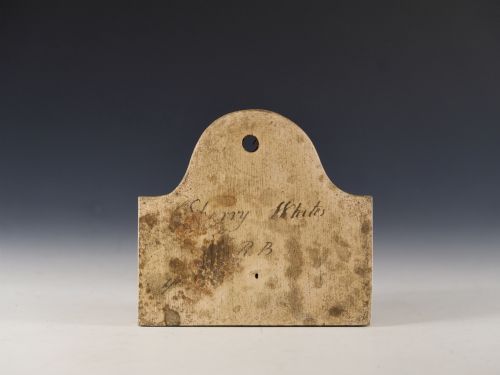
Ceramic bin labels vary according to the legibility of the hand-painted or transferred text and the uniformity of the glaze. Complete sets maintain greater consistency across the group than solitary tags.
The Victorian Wine Label Glossary
- Decanter Label
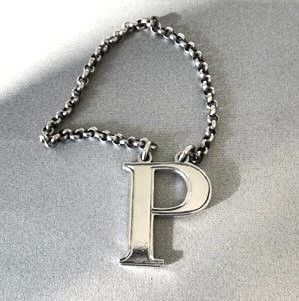
- A small tag hung around the neck of a decanter to identify the wine inside. These pieces often feature pierced or engraved titles such as Port or Sherry.
- Bin Label
- A ceramic or metal tag used in wine cellars to mark the location or contents of specific bins. Examples include glazed earthenware marked for Hock or Marsala.
- Silver Gilt
- Silver that has been coated with a thin layer of gold. This technique adds a warm tone to metal decanter labels.
- Creamware
- A type of fine earthenware with a pale yellowish-white glaze. It appears frequently on antique cellar bin labels.
- Chinese Export Silver
- Silver objects made in China specifically for Western markets, often featuring distinct regional motifs like dragons.
Victorian Wine Label: Frequently Asked Questions
What is a Victorian wine label?
A Victorian wine label is a small tag made from silver or ceramic used to identify drinks in decanters or bins. They display names of specific beverages like Claret or Brandy.
These accessories help organise a collection and add decoration to table glassware. They connect directly to 19th-century dining traditions.
How were decanter labels used?
Decanter labels hung around the necks of glass decanters using small chains or collars. They ensured guests and hosts could identify the vintage without pouring.
Bin labels sat separately in wine cellars to mark specific storage sections. Together, they kept both cellars and dining tables organised.
What materials are common?
Sterling silver and solid silver dominate the metal pieces, sometimes finished in silver gilt. Ceramic examples utilise glazed earthenware and creamware.
Glass also appears in the form of teal and coloured wine bottles fitted with silver necks. Each material served a distinct function in the cellar or on the table.
How do you date a label?
Dating relies on hallmarks stamped into the silver, stylistic cues like Rococo Revival curves, and recorded production periods. Pieces range from Georgian survivals through the Victorian era to Edwardian examples.
Ceramic bin labels are dated by their glaze characteristics, lettering styles, and body composition. Comparing them with documented examples clarifies their age.
What titles appear on labels?
Common titles include Port, Sherry, Claret, Madeira, Marsala, Hock, and Brandy. Some pieces feature unusual titles or designate specific origins like English claret.
Bin labels use similar beverage names to organise cellar stocks. The lettering is typically capitalised and rendered clearly for quick reading.