


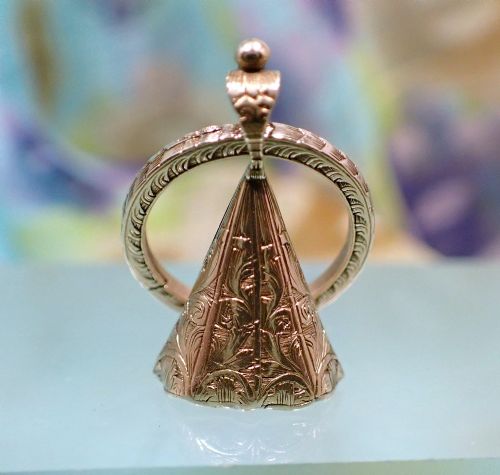


Victorian Wax Seal
These Victorian wax seal pieces bring tangible historical weight to a desk or chain, offering carved stones and precious metals that once signed letters.
Victorian Wax Seal
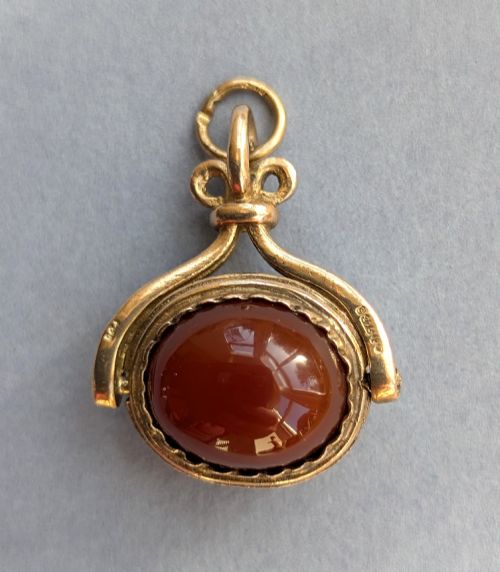
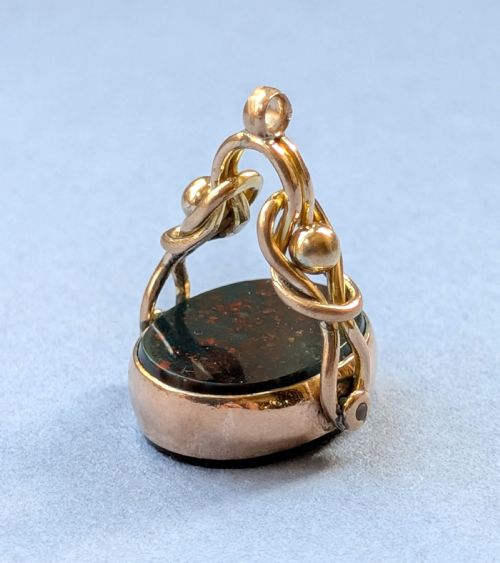
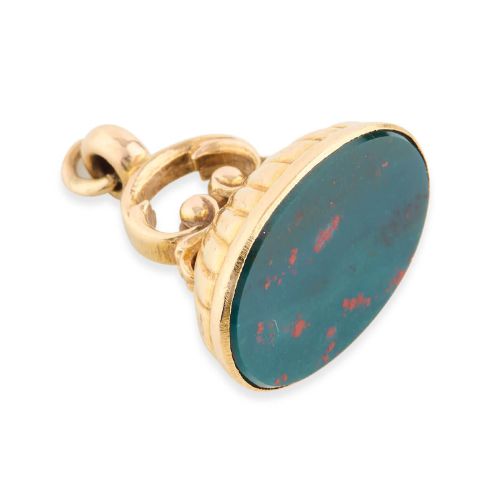
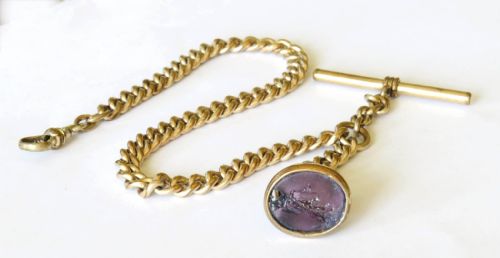
When you search for a Victorian wax seal, you encounter small handheld objects and pendant fobs designed to impress a mark into heated sealing wax. Most examples you meet on this page take the form of watch fobs, desk seals, or combination pieces that double as sealing wax holders.
Makers and metals vary across the items, running from solid 9ct and 15ct gold to sterling silver, rolled gold, and gilt brass. Gemstone matrices carved with intaglios, crests, or figures form the business end of each piece, paired with metals shaped into lions, cats, elephants, and classical motifs.
How they were made
Goldsmiths and silversmiths constructed the mounts by casting, chasing, and fabricating precious metals into intricate frames, often incorporating swivel joints for spinning fobs. They set hardstones like carnelian, bloodstone, chalcedony, and sardonyx directly into the bezels.
Stone-engravers utilised hand tools to cut intaglio designs, crests, and figures in reverse into the polished face of the mineral so that the resulting wax impression read correctly. Desk accessories and sealing wax holders additionally incorporated spring mechanisms, hinged caps, and fitted compartments for wax blocks.
Victorian Wax Seal Retail Price Guide 2026
Typical asking prices for victorian wax seal among the pieces listed under this phrase on Sellingantiques today, from the lower quarter to the upper quarter. They describe what is for sale here now, not the wider market.
Some seals take the form of whimsical animals and characters, including Cheshire Cats, mail coach boys, and Mr Punch.
What varies in quality
The distinction between ordinary and superior pieces rests largely on the crispness of the intaglio carving and the depth of the metal ornamentation. Finer examples display meticulous hand-cutting on the stone and robust, heavy metalwork rather than thin plating or hollow stampings.
Artistic execution in figural mounts, such as realistically rendered animals or distinct character figures, elevates a piece above standard geometric designs. The choice and purity of materials, from solid high-karat gold to high-grade hardstones, further separate standard utilitarian seals from masterworks.
Sampson Mordan
The Victorian Wax Seal Glossary
- Intaglio
- A design carved into the surface of a stone so that an impression in wax creates a raised image. This technique has ancient origins and remains the standard method for signet seals.
- Fob seal
- A small pendant designed to hang from a pocket watch chain, carrying a matrix at the base for stamping wax. These items were widely worn by gentlemen and ladies in the 19th century.
- Carnelian
- A brownish-red mineral of the quartz family frequently used for seal stones. Its smooth texture and uniform colour made it a favourite for engraving.
- Bloodstone
- A dark green chalcedony flecked with red jasper spots, also known as heliotrope. It provided a dramatic, contrasting surface for heraldic crests and initials.
- Sealing wax holder
- A tubular desk accessory or vesta case designed to store sticks of sealing wax alongside a built-in seal matrix. They kept correspondence supplies organised.
Victorian Wax Seal: Frequently Asked Questions
How were Victorian wax seals used?
Owners heated coloured sealing wax over a flame, dripped the molten substance onto folded paper or the flap of an envelope, and pressed the engraved matrix firmly into the pool. This left a hardened, distinctive impression that served both to secure the contents and to identify the sender.
Many seals hung from watch chains or sat upon mahogany writing desks as functional daily accessories. People kept them close at hand for sealing correspondence, documents, and parcels before the widespread adoption of gummed envelopes.
Can I still use these seals with wax today?
Yes, historic seals stamp modern sealing wax just as effectively as they did in the 19th century. The hardstone intaglios are durable enough for repeated use provided you clean off any residual wax gently.
To protect the antique stone or metal mount, use a soft brush and warm soapy water rather than harsh chemical solvents. Ensure the wax is melted to the correct consistency to capture the fine details of the carved intaglio.
What is the difference between a desk seal and a fob seal?
Desk seals feature longer, substantial handles made of silver, brass, or carved materials designed to be gripped comfortably in the fist. They lived permanently on writing tables alongside inkwells and letter openers.
Fob seals are much smaller and usually incorporate a loop or swivel mount so they could attach to a pocket watch chain or charm bracelet. Despite the difference in size, both types perform the exact same function.