

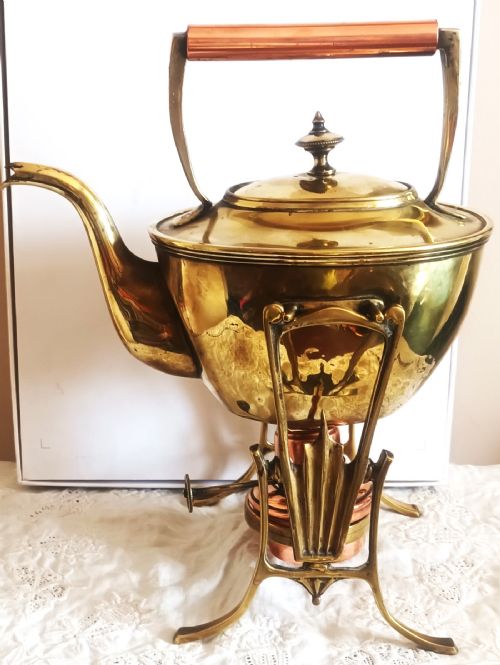
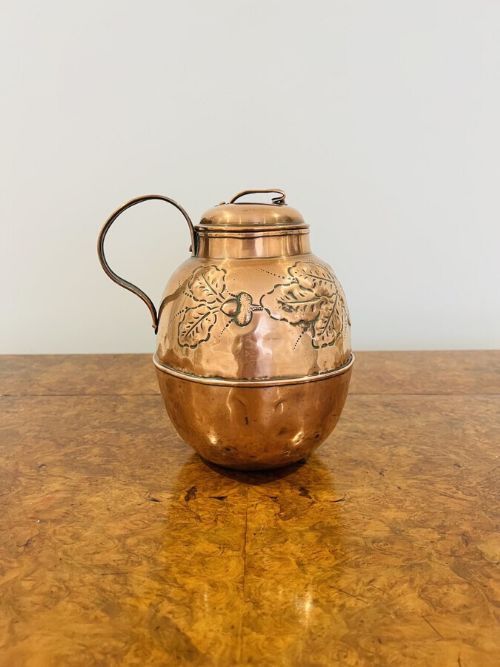


Victorian Watering Pot
These Victorian watering pot examples bring genuine period charm to home and garden, prized for their handsome metalwork and honest utility.
Victorian Watering Pot
A Victorian watering pot represents the intersection of practical horticulture and domestic metalwork from the nineteenth century. Buyers searching for a Victorian watering pot typically encounter robust metal vessels fashioned for greenhouse or garden use.
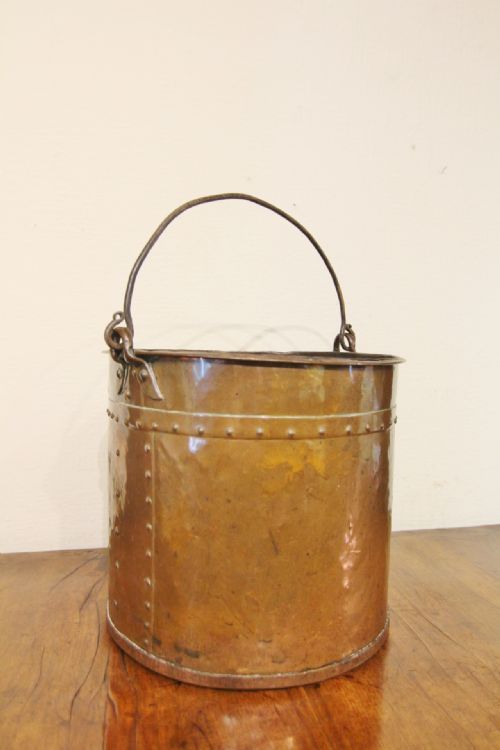
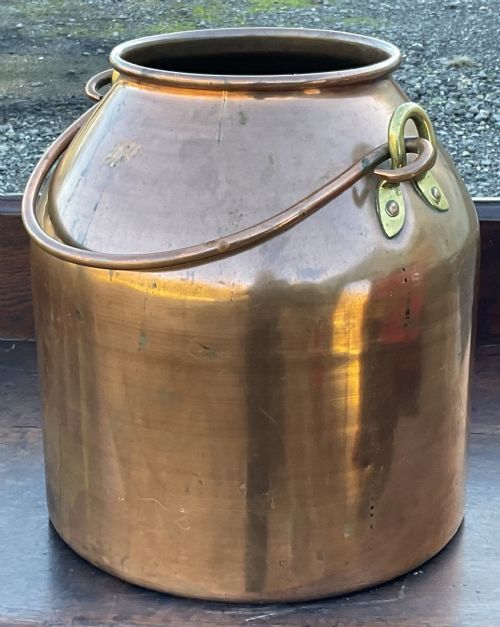
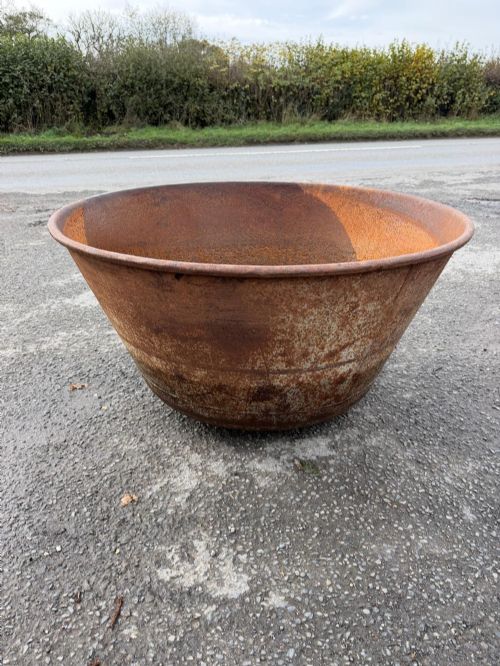
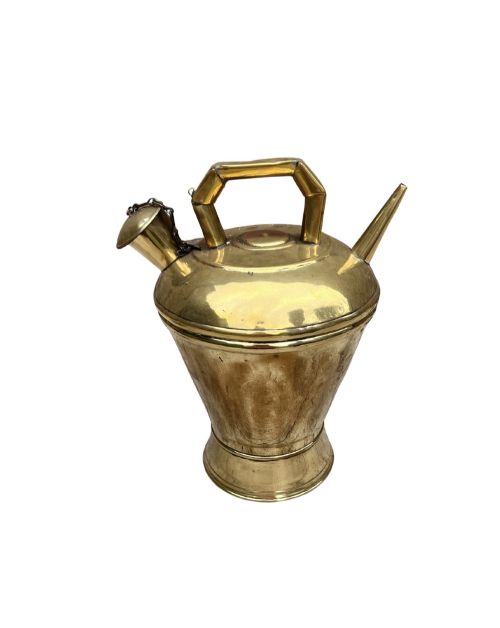
The selections available here showcase the era's preference for utilitarian items built with aesthetic consideration. These pieces range from country house brass cans to ornate copper Jersey designs intended for regular service.
Most examples date across the nineteenth century, reflecting the period's expansion of domestic gardening and conservatory culture. The forms combine functional spouts and handles with the warm tones of period brass and copper.
Materials and construction
Craftsmen built these vessels primarily using sheet brass and copper, joining seams with durable methods suited to holding water. Metalworkers shaped the bodies by hand, often incorporating reinforced rims and sturdy handles for daily lifting.
The surfaces display the natural working marks of nineteenth-century metalshops rather than modern industrial perfection. Rivets and soldered joints secure the spouts and fittings to ensure longevity under regular use.
Victorian Watering Pot Retail Price Guide 2026
Typical asking prices for victorian watering pot among the pieces listed under this phrase on Sellingantiques today, from the lower quarter to the upper quarter. They describe what is for sale here now, not the wider market.
Some nineteenth-century makers could not resist adding farmyard motifs to their watering equipment.
Assessing quality and character
Quality in these pieces rests upon the heaviness of the gauge metal used and the integrity of the original construction. Superior examples retain their balanced proportions, straight spouts, and secure handle attachments without excessive modern repairs.
The distinction between standard utility items and finer pieces lies in the crispness of the metal shaping and any supplementary decorative touches. Patina develops naturally over decades, and the depth of this aged surface contributes to the visual appeal.
William Soutter & Sons·Boardman Glossop & Co·Royal Worcester
The Victorian Watering Pot Glossary
- Brass
- An alloy of copper and zinc favoured in the nineteenth century for its bright golden tone and resistance to corrosion.
- Copper
- A ductile metal widely utilised for Victorian vessels due to its malleability and warm reddish hue.
- Jersey can
- A distinctive tall cylindrical metal jug traditionally used in the Channel Islands for dairy or horticultural tasks.
- Patina
- The natural surface film resulting from age, handling, and oxidation on old metalwork.
Victorian Watering Pot: Frequently Asked Questions
What materials are these pots made from?
The pieces available on this page are constructed predominantly from traditional metals such as copper and brass.
These materials were chosen by nineteenth-century makers for their durability and resistance to rust during daily horticultural tasks.
Are these pots suitable for actual garden use?
Many of these vessels remain robust enough for light garden watering or indoor plant care when handled with reasonable care.
Some collectors prefer to display them purely as decorative objects to preserve their historical metal surfaces.
How do I date a nineteenth-century metal vessel?
Dating relies on observing the manufacturing techniques, tool marks, and specific metal alloys characteristic of the period.
Maker marks or stamped ciphers when present also provide a clear indication of the workshop origin.
How should I clean old copper and brass?
Light dusting and occasional gentle wiping with a soft cloth are usually sufficient to maintain the aged surface.
Harsh metal polishes should be avoided to protect the authentic historical patina accumulated over the decades.