




Victorian Walnut Couch
A Victorian walnut couch brings rich timber frames and plush period comfort into a room.
Victorian Walnut Couch
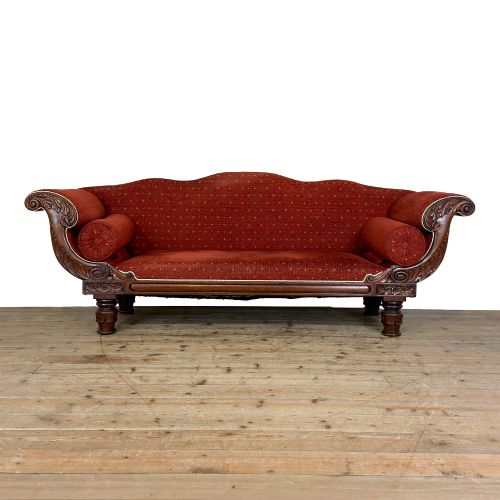
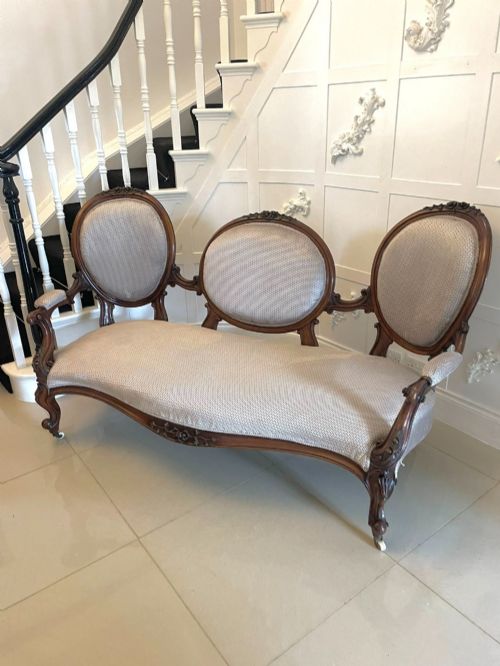
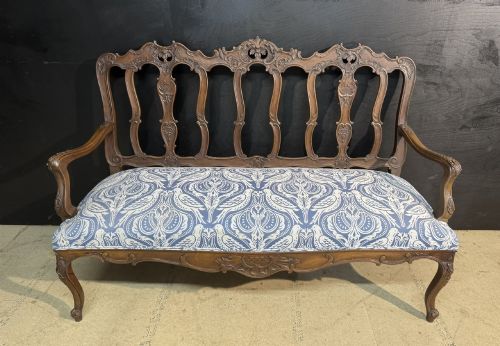
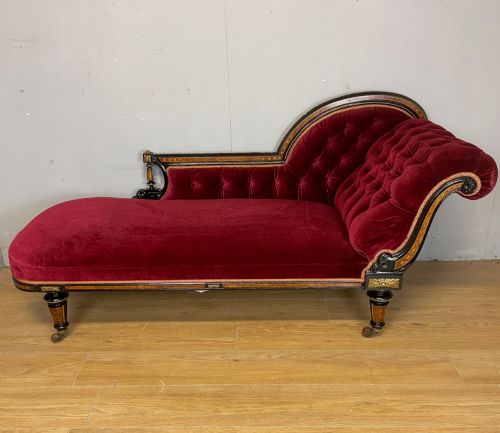
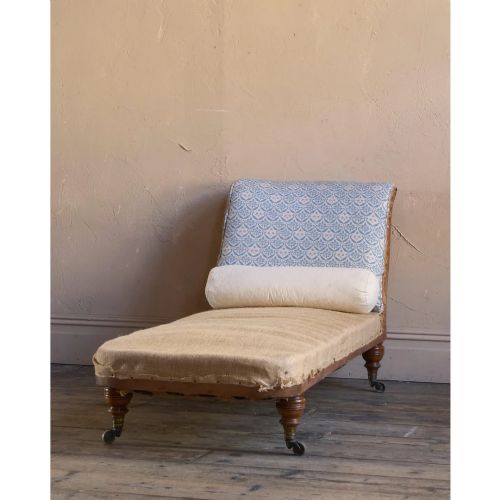
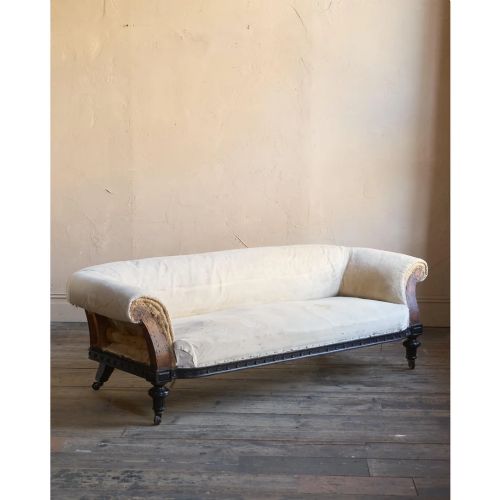
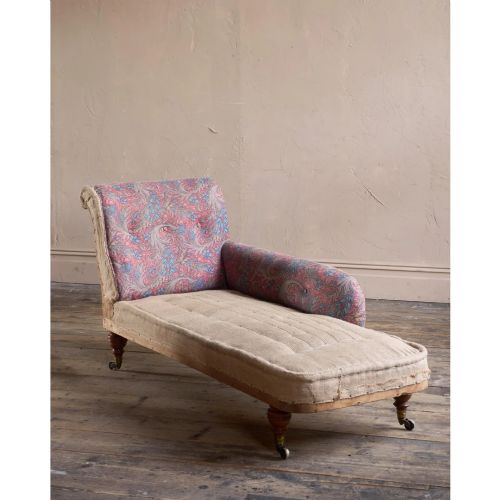
A victorian walnut couch encompasses a variety of seating forms, including button back settees, double end settees, and chaise longues. These pieces emerge primarily from the nineteenth century, spanning distinct stylistic phases from early mid century examples to late period designs.
Makers and workshops of the era employed solid walnut and walnut framing to construct show frame sofas, Chesterfield models, and daybeds. Buyers frequently encounter carved frames featuring exposed timber details alongside newer fabric or original ticking upholstery.
The selection ranges from compact two seater settees to expansive three seater couches and daybeds resting on turned walnut legs. English country house variants appear alongside pieces bearing the influence of the aesthetic movement and rococo revival.
Materials and construction
Craftsmen built these frames using solid walnut, often selecting timber with rich grain patterns to showcase on carved show frames and armrests. Ebonised finishes and inlaid walnut panels occasionally complement the primary wood structure.
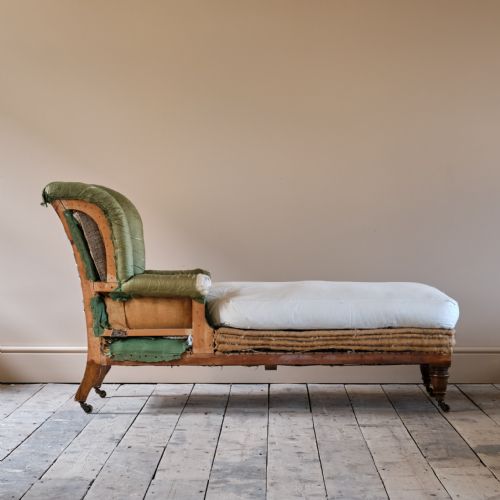
Upholstery techniques relied on traditional stuffing layered over hessian and cotton, secured with materials such as velvet, damask, leather, and original ticking. Brass castors and ormolu decoration frequently completed the lower supports and decorative accents.
Victorian Walnut Couch Retail Price Guide 2026
Typical asking prices for victorian walnut couch among the pieces listed under this phrase on Sellingantiques today, from the lower quarter to the upper quarter. They describe what is for sale here now, not the wider market.
Materials documented across the inventory include walnut, mahogany, brass, velvet, damask, leather, hessian, and cotton.
Evaluating the craftsmanship
The depth and crispness of the carved walnut detailing dictate the distinction between standard production and exceptional workshop output. Elaborate pierced carving on cameo backs and robust lion paw feet indicate superior execution by skilled cabinet makers.
The integrity of the structural frame beneath the upholstery governs longevity, particularly where weight rests on turned legs and delicate show wood joints. Original upholstery components, such as branded ticking or intact leather, preserve the historical authenticity of the piece.
Howard and Sons
The Victorian Walnut Couch Glossary
- Show frame
- A wooden structural framework left exposed around the upholstered portions of a couch or settee. Walnut was frequently utilised for this purpose to display the grain and carving.
- Chaise longue
- An elongated seating form designed for reclining, combining elements of a chair and a daybed. These items appear with single or double scrolled ends.
- Chesterfield
- A deep buttoned upholstered sofa style traditionally featuring arms and back of the same height. Examples in walnut appear with leather or fabric coverings.
- Ticking
- A tightly woven heavy cotton or linen fabric used as an underlying support layer for stuffing. Original versions often bear maker stamps.
Victorian Walnut Couch: Frequently Asked Questions
How do I clean the walnut frame?
Wipe the exposed walnut timber gently with a soft, dry cloth to remove dust without disturbing the finish. Avoid modern chemical sprays that might penetrate historic polished surfaces.
For stubborn marks, use a barely damp cloth followed immediately by dry buffing. Regular microfibre maintenance keeps the timber grain lustrous.
Are these couches comfortable for daily sitting?
Most nineteenth century couches offer firm support due to traditional internal stuffing methods. They suit formal sitting areas or leisurely lounging on a chaise longue.
Buyers intending frequent daily use should consider the depth and angle of the backrest. Many examples accommodate modern relaxation while retaining their period rigidity.
How do I date a walnut couch?
Examine the stylistic cues, such as rococo revival curves or later aesthetic movement lines, alongside the turning on the legs. Mid century pieces often feature heavier carved crest rails. Nail construction, castor types, and maker signatures on ticking or frames provide further chronological markers. Comparing leg styles from eighteen fifty to nineteen hundred helps narrow the decade.
Can I reupholster a Victorian settee?
Reupholstering is common and allows owners to select contemporary fabrics while preserving the antique walnut frame. Traditional materials like hessian and cotton can be renewed during the process.
Retaining original ticking where present is advised by many collectors to maintain historical value. Professional restorers ensure the traditional tension and spring methods remain intact.