


Victorian Walnut Bookshelf
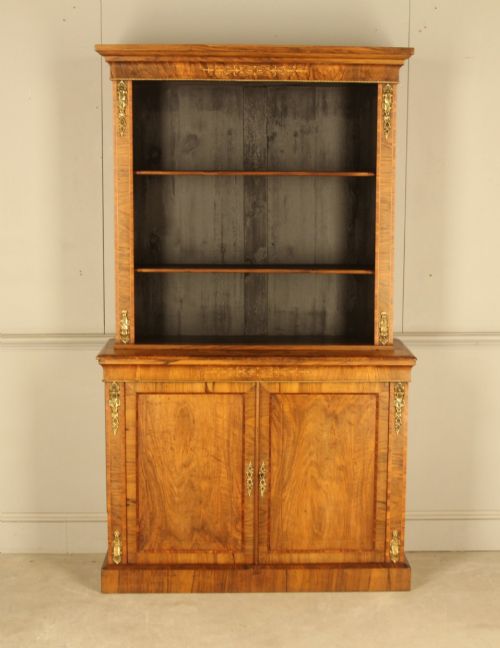
A victorian walnut bookshelf offers warm timber tones and open shelving, making it a practical centrepiece for any traditional library or study.
Victorian Walnut Bookshelf
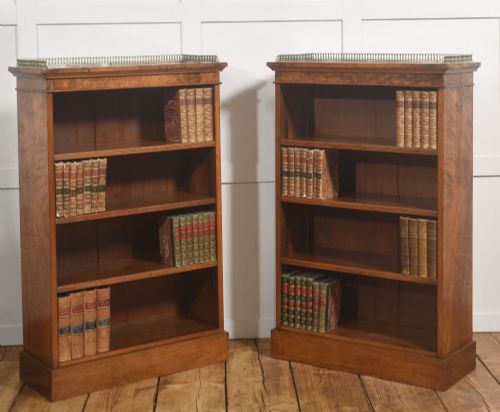
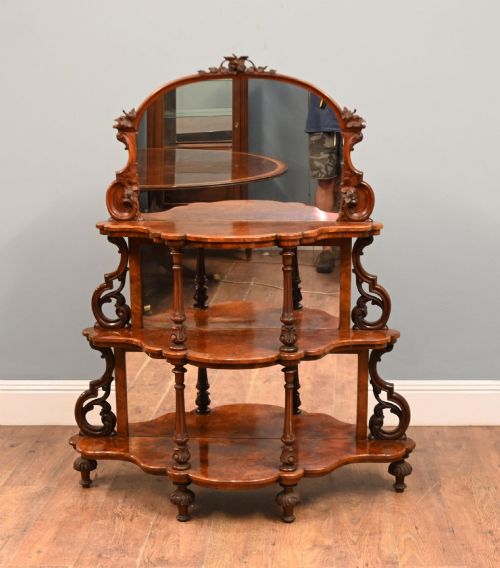
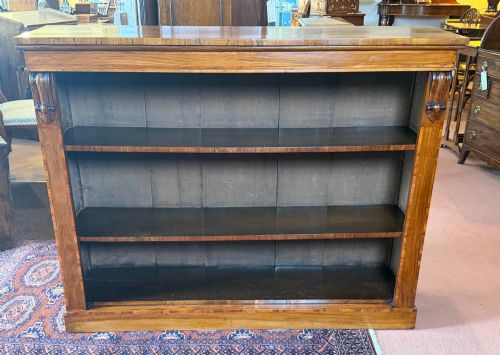
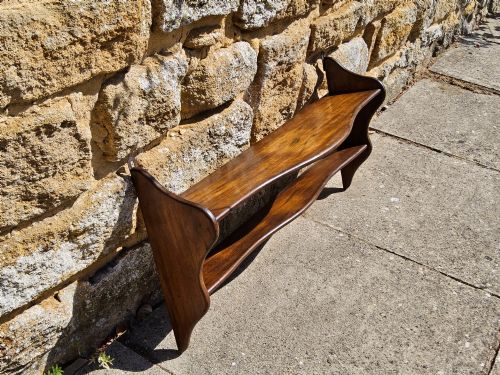
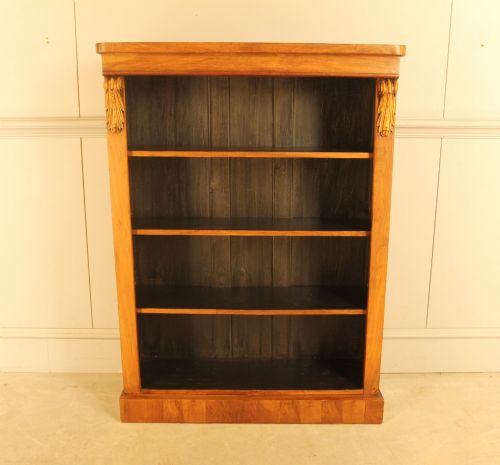
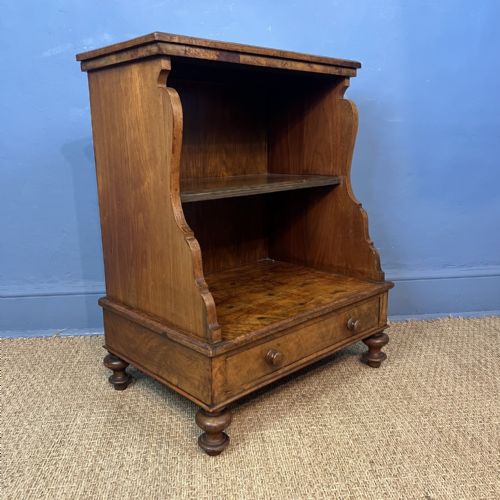
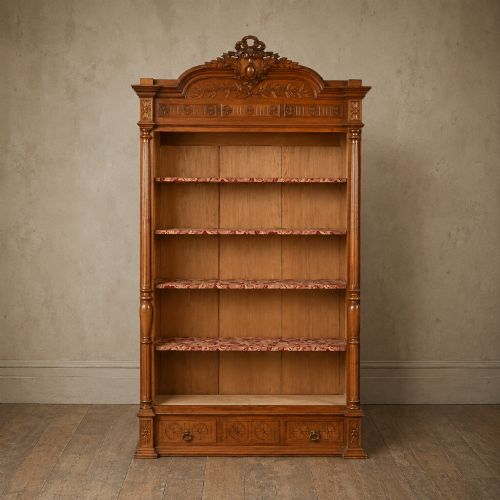
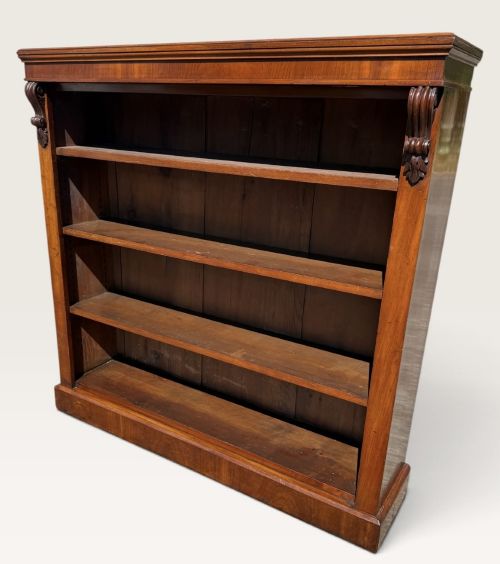
A victorian walnut bookshelf typically appears as an open bookcase or low tiered whatnot designed for displaying volumes and ornaments. These pieces date primarily from the nineteenth century, encompassing various regional revivals and domestic styles.
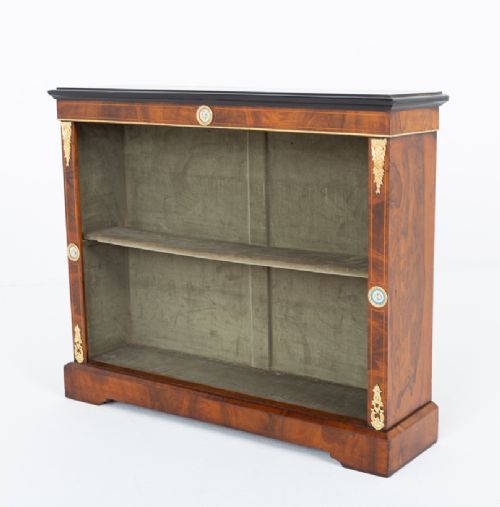
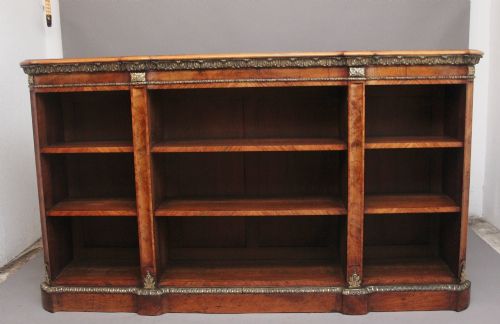
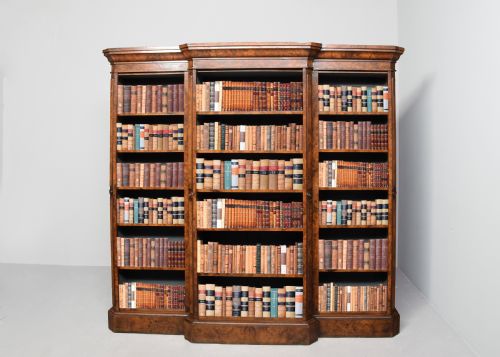
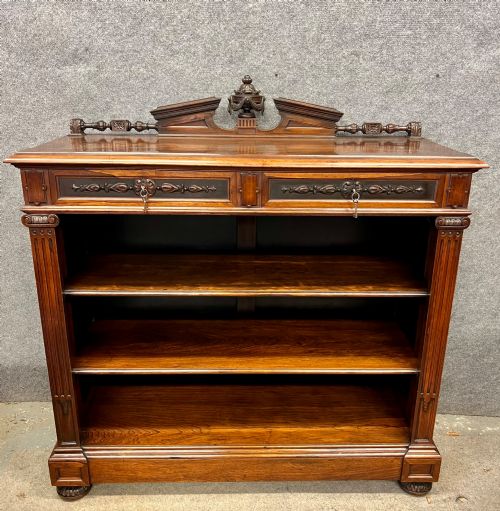
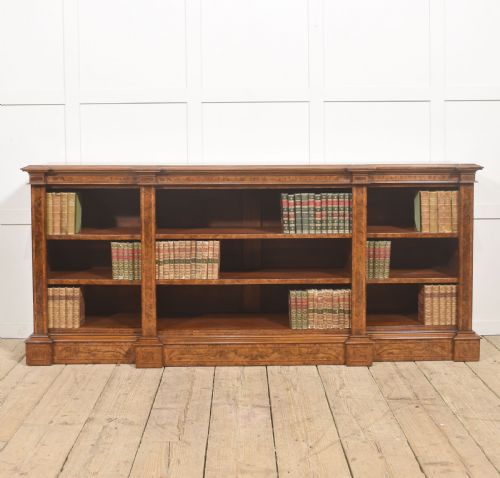
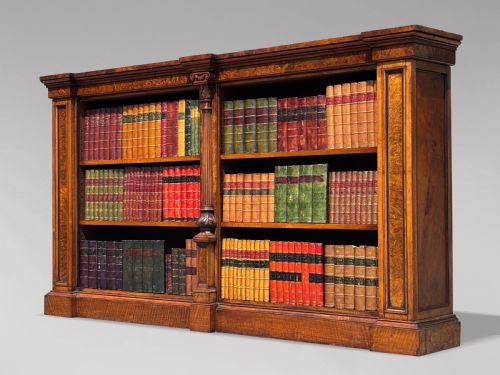
Buyers frequently encounter low open bookcases featuring adjustable shelving, alongside smaller wall-mounted cabinets and tiered display stands. The proportions range from neat bedside units to large breakfront library pieces intended for substantial collections.
The selection reflects both English cabinet-making traditions and continental workshops, incorporating functional variations such as revolving stands and integrated butlers trolleys.
Materials and construction
Cabinet-makers utilised solid timber and decorative veneers, often selecting figured burr walnut for its striking grain patterns across the primary display surfaces. Secondary timbers such as pine frequently provided the internal structure for shelving and carcases.
Metal mounts in brass and ormolu appeared alongside carved friezes, barley twist columns, and gilt bronze details to enrich the architectural facade. Selected items incorporated inlaid motifs and ebonised highlights to create visual contrast against the dark wood.
Victorian Walnut Bookshelf Retail Price Guide 2026
Typical asking prices for victorian walnut bookshelf among the pieces listed under this phrase on Sellingantiques today, from the lower quarter to the upper quarter. They describe what is for sale here now, not the wider market.
Selected nineteenth-century examples cleverly combine a bookcase with a butlers trolley for mobile literary convenience.
Variations in quality
The standard of a piece rests upon the selection of the veneer, particularly where symmetrical burr patterns wrap across the front fascia. Finer examples display meticulous cabinet-making in the joints, smooth operation of adjustable shelving mechanisms, and crisply carved ornamental details rather than cast repeats.
Proportion and architectural harmony distinguish superior library furniture from more utilitarian workshops. The integration of high-grade decorative bronzes, robust internal timbering, and balanced proportions elevates certain examples above standard domestic output.
JOHNSTONE AND JEANES
The Victorian Walnut Bookshelf Glossary
- Burr walnut
- A veneer taken from the knotted growth of a walnut tree, prized for its swirling and highly decorative grain pattern. Furniture makers applied these sheets to the primary display surfaces of high-status bookcases.
- Ormolu
- Gilt bronze ornamentation applied to furniture mounts and architectural details. It provides a bright metallic contrast against dark timber surfaces.
- Whatnot
- A multi-tiered open stand designed for displaying ornaments, books, and small household items. These pieces often feature turned supports and corner shelving.
- Breakfront
- A piece of furniture featuring a central section that projects forward from the flanking wings. This architectural arrangement creates depth and visual interest in larger library bookcases.
Victorian Walnut Bookshelf: Frequently Asked Questions
How do I identify a Victorian walnut bookcase?
Identification relies on observing characteristic nineteenth-century timber choices, construction methods, and decorative motifs such as barley twist columns or ormolu mounts. The presence of adjustable wooden shelving tracks and pine secondary timbers typically supports this period attribution.
Stylistic markers range from plain classical proportions to Gothic Revival and Jacobean Revival influences. Comparing the timber grain and joining techniques helps distinguish genuine period pieces from later reproductions.
Were these bookcases used only for books?
While primarily built for housing volumes, many variations served dual purposes as display stands for ceramics, decorative bronzes, and curiosities. Tiered whatnots and wall cabinets naturally encouraged the exhibition of household ornaments alongside reading material.
Low open configurations allowed items to be placed on the upper surface, functioning simultaneously as serving ledges or display consoles within domestic interiors.
How do I care for walnut veneer?
Walnut veneer requires protection from direct sunlight and extreme humidity fluctuations to prevent the timber from drying out or warping. Maintaining a stable indoor climate preserves the integrity of the adhesive beneath the decorative grain.
Gentle dusting with a soft, dry cloth is generally sufficient for routine maintenance. Avoid chemical polishes and abrasive cleaners that can damage the historical finish.