



Victorian Wall Shelf Mirror
These victorian wall shelf mirror pieces combine display brackets with reflective glass, offering practical storage alongside period decorative charm.
Victorian Wall Shelf Mirror
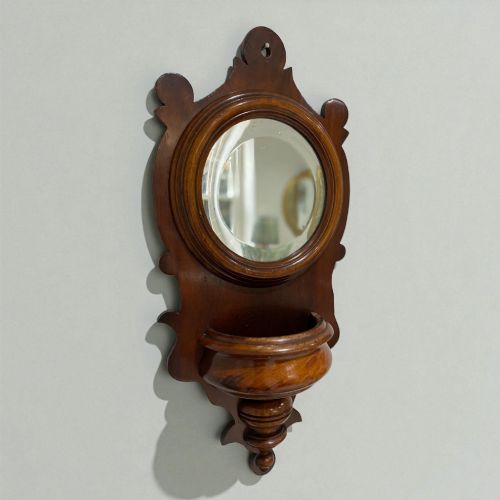
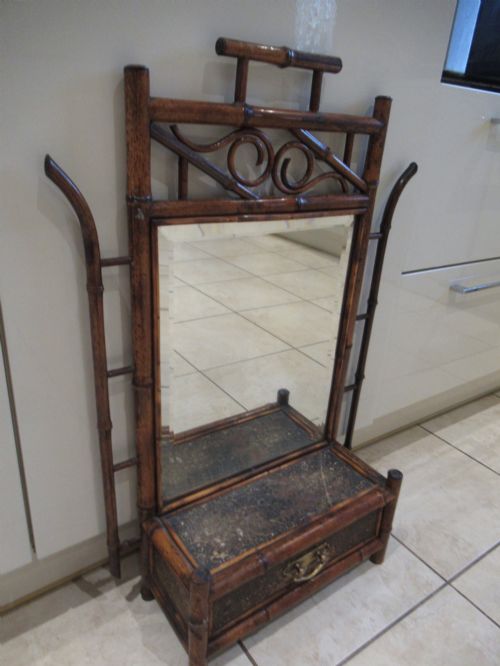
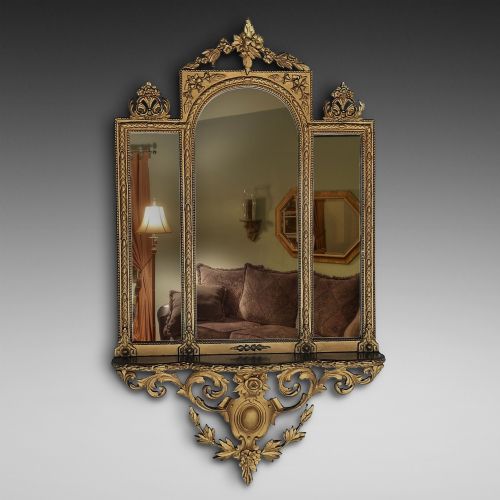
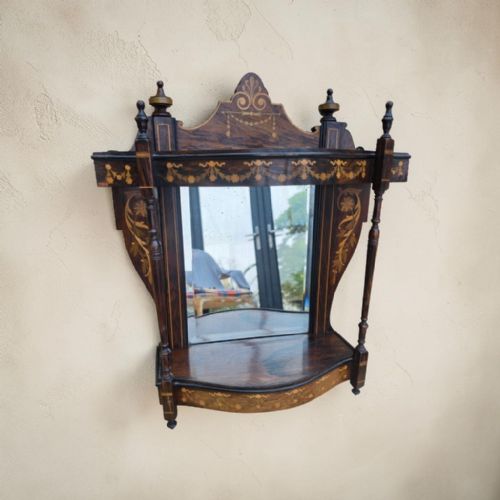
A victorian wall shelf mirror brings together a functional hanging glass plate and integrated timber or gilt ledges for small ornaments. Buyers searching for a victorian wall shelf mirror will find a range of forms, from compact inlaid hallway numbers to large overmantel designs with display brackets.
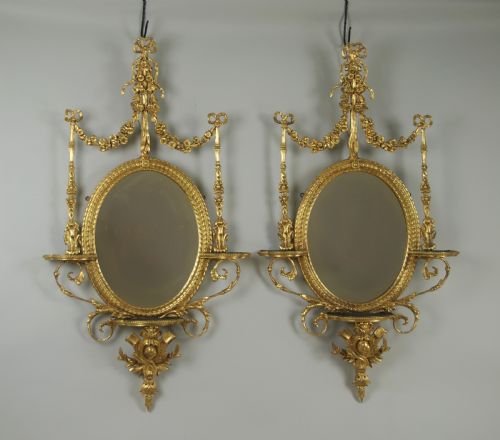
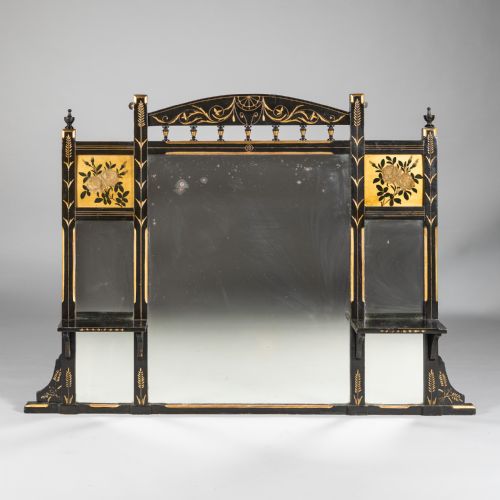
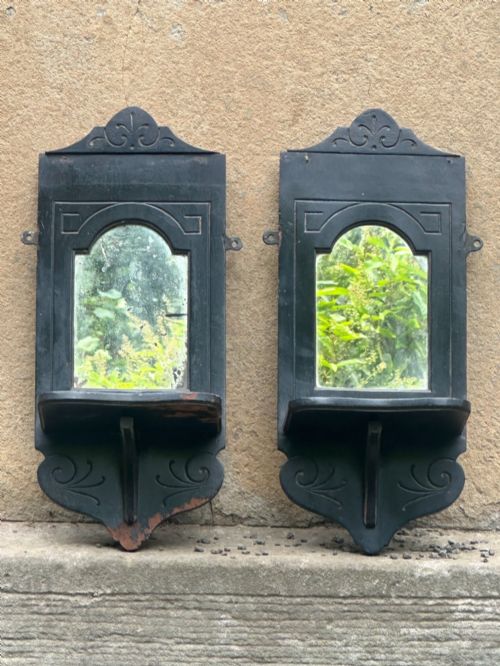
The selection here draws primarily from nineteenth-century periods, spanning walnut, mahogany, oak, and gilded frames. Pieces often incorporate specific stylistic elements such as Aesthetic Movement ebonising, Rococo Revival curves, or simple Edwardian painted surfaces.
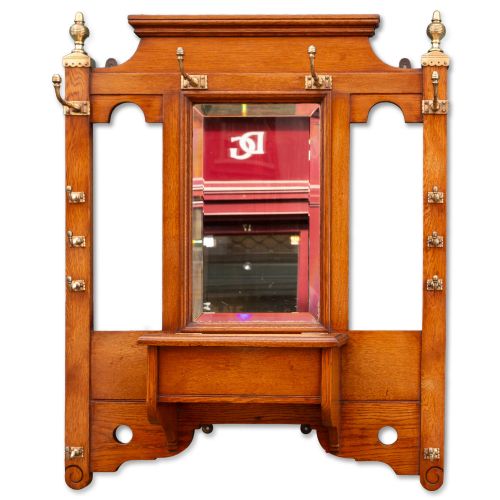
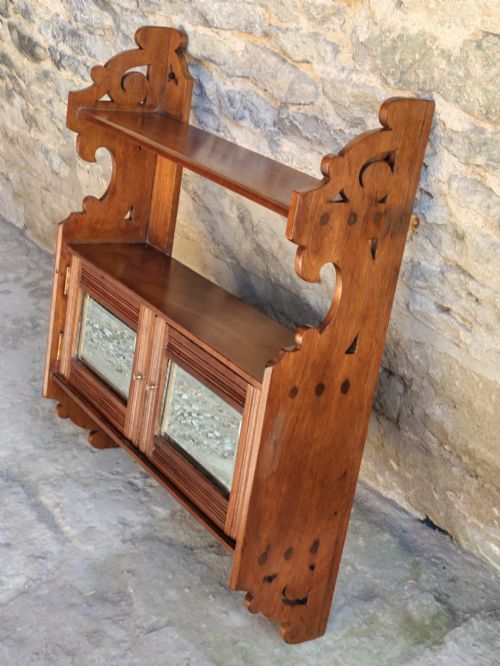
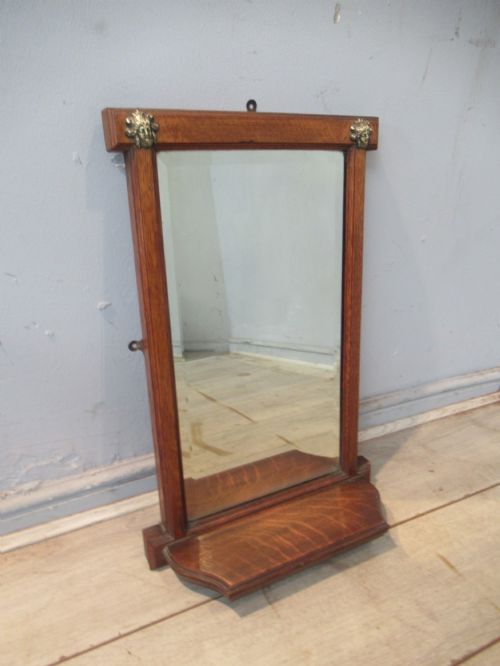
Most examples function as wall-mounted storage and display hybrids rather than simple looking-glasses. One regularly encounters variations featuring small brackets, display shelves, and coat hooks alongside the mirror plate.
Materials and construction
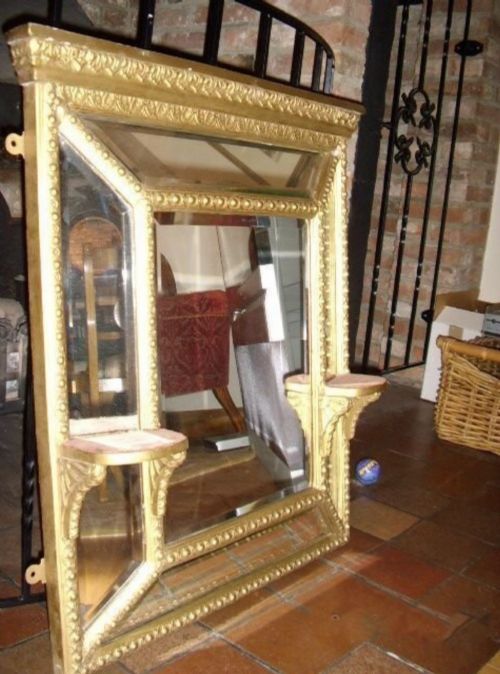
Makers built these frames using dense hardwoods like mahogany, walnut, and oak, alongside softer pine and carved gesso over wood bases. Gilding appears frequently on ornate nineteenth-century mouldings, while ebonised finishes define the Aesthetic period pieces.
Mirror glass plates often feature bevelled edges, secured within rebated frames alongside fixed or bracketed wooden shelves. Inlaid items utilise contrasting timber veneers, whilst structural support relies on secure mortise and tenon joints or robust backboards.
Some shelves are just big enough for a pocket watch and a pair of spectacles.
Judging quality in mirrors and shelves
The standard of carving and the crispness of applied gesso ornamentation set finer examples apart from simpler utilitarian pieces. Crisp hand-cut bevelling on the mirror plate and tight joinery around the shelf brackets indicate superior workshop production.
Original mercury or early silvered glass plates with honest ageing demonstrate authenticity, whereas poorly executed later replacements alter the character. The integration of the shelf brackets into the main frame structure dictates overall stability and long-term durability.
Cottier & Co·Liberty & Co·Town and Emanuel
The Victorian Wall Shelf Mirror Glossary
- Overmantel mirror
- A large wall mirror designed specifically to hang above a fireplace mantelpiece. These often incorporate architectural framing or integrated display brackets.
- Giltwood
- Timber that has been coated with a thin layer of gold leaf or gold paint. This finish creates a bright, reflective surface popular in formal nineteenth-century interiors.
- Gesso
- A plaster-like mixture applied to wooden frames and carved before gilding. It allows for intricate, raised decorative motifs that wood carving alone cannot achieve.
- Aesthetic Movement
- A late nineteenth-century design style emphasising art for art's sake. Pieces from this movement often feature ebonised wood with parcel-gilt highlights.
- Bevel cut
- An angled edge ground along the perimeter of a mirror glass plate. This technique catches the light and adds depth to the reflection.
Victorian Wall Shelf Mirror: Frequently Asked Questions
How were these mirrors used originally?
These combination pieces served practical purposes in hallways, bedrooms, and parlours for checking appearance and storing small personal items. The integrated shelves held visiting cards, small ornaments, or candles.
Larger overmantel versions anchored the main reception room, reflecting light from windows and lamps across the interior space. Smaller cabinet and bracket variants provided neat display space in more compact urban homes.
Can these hang safely on modern walls?
Most pieces retain their original heavy timber hanging brackets or mounting points secured to the main structural frame. Adequate wall fixings suited to the specific weight of hardwood and glass are essential for secure installation.
Professional hanging hardware rated for the combined weight of the timber and glass prevents strain on the antique joints. Overmantel variants particularly require fixing directly into wall studs or solid masonry.
How do I spot an Aesthetic period piece?
Aesthetic period examples typically feature ebonised wood surfaces combined with parcel-gilt details, reflecting late nineteenth-century artistic tastes. The design often leans toward simple architectural lines or stylised natural motifs.
These items frequently incorporate subtle incised decoration and dark finishes that contrast with earlier bright gilded rococo revival styles.
Are the mirror plates usually original?
Many nineteenth-century frames retain their original glass plates, which often display characteristic light foxing, minor speckling, and gentle age-related distortion. These natural imperfections confirm the age and authenticity of the piece.
Replacements occur where original glass suffered accidental damage, though period replacement plates still show appropriate historical manufacturing traits.