
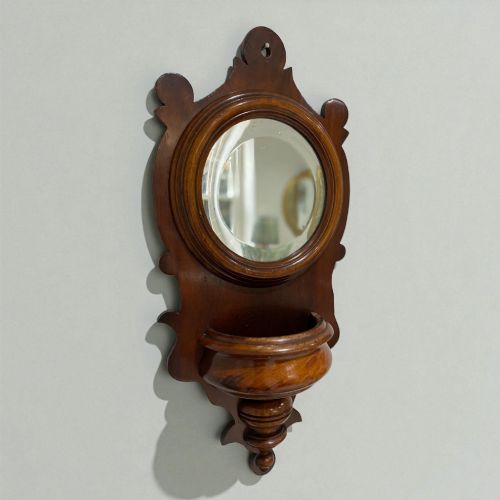
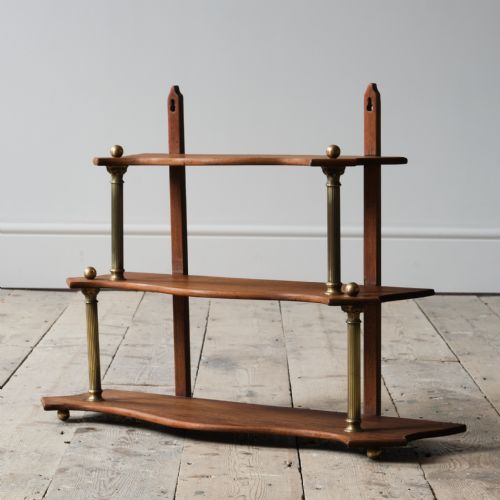

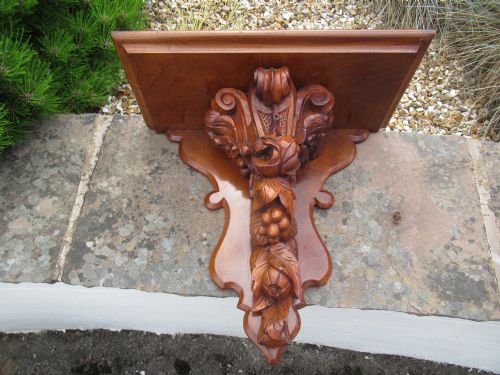
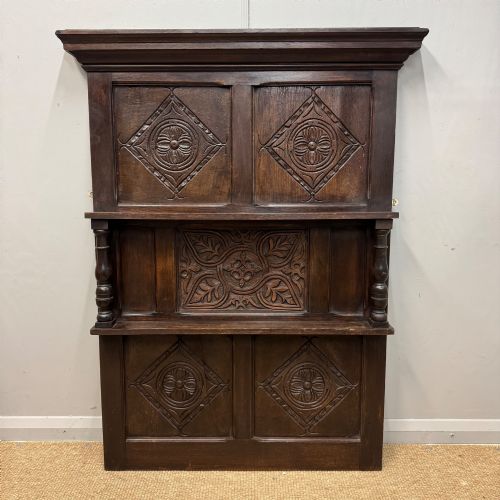



Brown Carved Wall Shelf
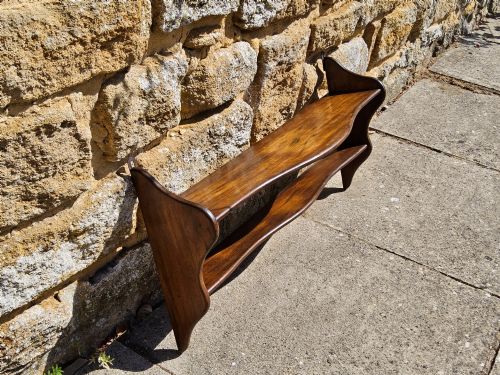
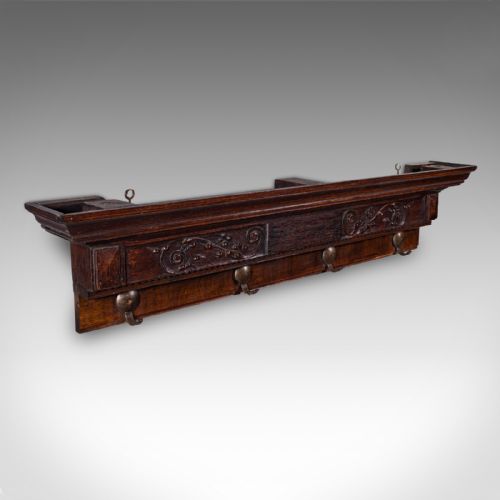
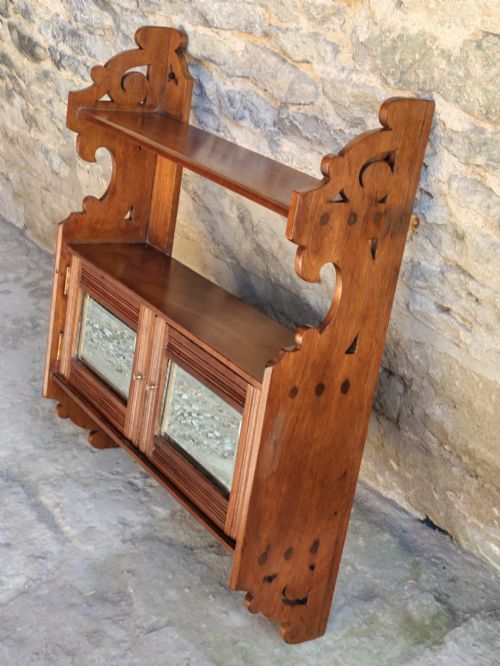
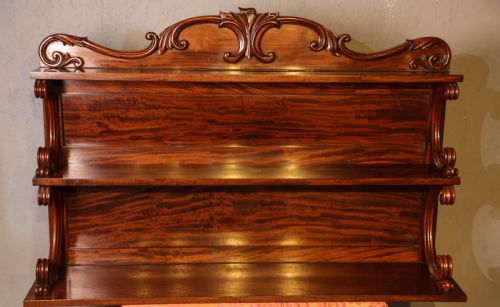
A brown carved wall shelf is a practical display piece that brings texture and historic timber into a room.
Brown Carved Wall Shelf
A brown carved wall shelf provides compact display space while adding architectural detail to vertical surfaces. When searching for a brown carved wall shelf, buyers encounter items ranging from simple Victorian oak ledges to elaborate Edwardian whatnot shelves and bracket pairs.
The pieces on this page span several centuries, with particular representation from the nineteenth century, Victorian, and Edwardian periods. Forms include wall brackets, hanging cabinets, plate racks, and corner shelves constructed primarily in timber.
Origins vary across English, French, Italian, and Swiss workshops, showcasing regional carving traditions and domestic utility from earlier eras. Each format serves a distinct purpose, whether supporting a clock in a hallway or displaying ceramics in a dining room.
What varies in quality
Quality rests in the crispness of the hand carving and the depth of relief work across the wooden surfaces. Pieces originating from skilled workshops demonstrate precise joint work and well-balanced proportions that endure decades of hanging use.
The selection of timber grain and the condition of original hanging hardware also separate standard items from finer examples. Superior specimens retain their original patination and display harmonious integration between the shelf board and the supporting brackets.
Listings feature oak, walnut, mahogany, and limewood pieces spanning the eighteenth, nineteenth, and early twentieth centuries.
Liberty And Co·Connell Of London·Luigi Frullini
The Brown Carved Wall Shelf Glossary
- Bracket
- A structural support projecting from a wall to carry a shelf, often carved with scrolls or figures.
- Whatnot
- An open set of multiple shelves designed for displaying ornaments, popular during the Victorian and Edwardian eras.
- Delft rack
- A wall-mounted wooden rack specifically constructed for the vertical display of plates and ceramics.
- Overmantel
- A decorative architectural frame or mirror placed directly above a fireplace mantelpiece.
- Patina
- The surface sheen and colour developed by aged wood through handling, polishing, and exposure to light over time.
Brown Carved Wall Shelf: Frequently Asked Questions
How do I hang a heavy wooden wall shelf safely?
Heavy wall shelves require secure fixing directly into wall studs or masonry using appropriate wall plugs and screws. Weight distribution should be tested before placing heavy decorative items upon the ledges.
Ensuring the mounting brackets are firmly anchored protects both the antique timber and the wall surface from strain.
What is the difference between a wall bracket and a shelf?
A wall bracket is a protruding architectural support, sometimes sold in pairs to hold a separate board, or functioning alone to support small items. A shelf combines the horizontal display surface and its supporting structure into a single unified piece.
Both serve to lift storage and display off the floor and onto vertical wall space.
How do I clean antique carved wood furniture?
Dust carved wooden surfaces gently with a soft, dry brush to reach into the recesses of the relief work. Avoid using modern liquid polishes or water, which can damage aged timber and soften the historic wax finish.
Applying microcrystalline wax occasionally helps nourish the wood and maintain its protective sheen.
Where were these shelves typically placed in historic homes?
These pieces were commonly positioned in reception hallways, antechambers, and dining rooms to hold clocks, small ornaments, or plates. Smaller bracket shelves often occupied corners or flanking spaces beside fireplaces and mirrors.
Their placement combined practical storage with decorative display in main living areas.
How can I tell a Victorian shelf from an Edwardian one?
Victorian pieces often feature heavier proportions, darker walnut or oak timbers, and dense, revival-style carving influenced by Gothic or Baroque motifs. Edwardian examples tend to exhibit lighter construction, cleaner lines, and simpler decorative flourishes.
Examining the backboards, fixings, and secondary woods helps confirm the period of manufacture.