

Victorian Wall Mounted Pegs
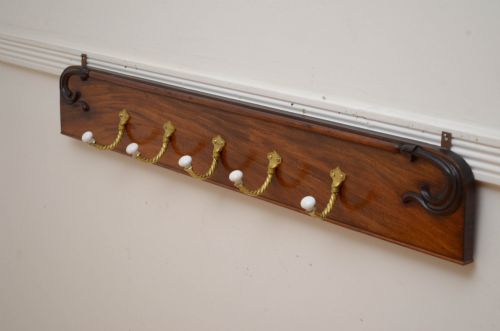
Victorian wall mounted pegs combine solid timbers with brass and ceramic hardware to organise entryways.
Victorian Wall Mounted Pegs
Victorian wall mounted pegs appear primarily as mounted rails, hanging strips, and coat racks designed for nineteenth-century hallways and cloakrooms. The pieces surviving today span the Victorian and Edwardian eras, stretching from mid-century William IV examples through to early twentieth-century utility pieces.
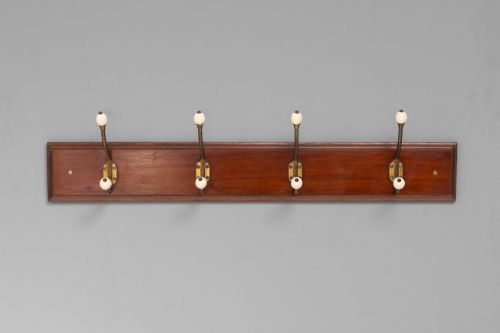
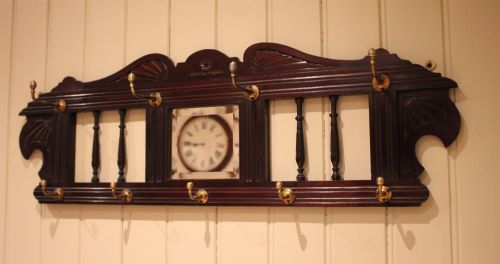
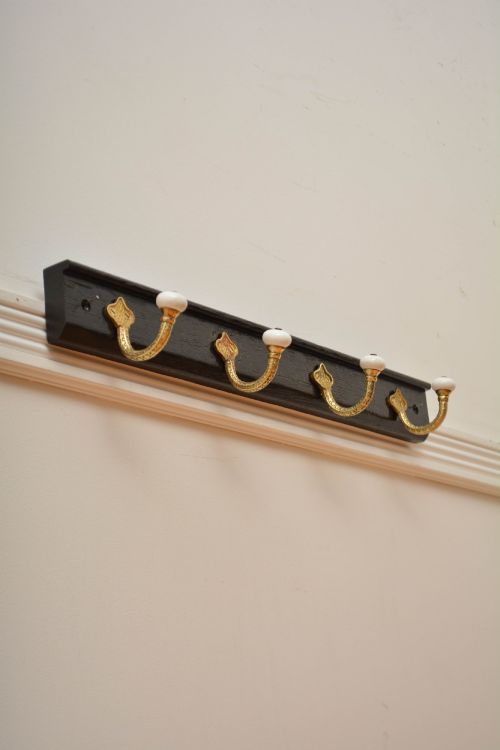
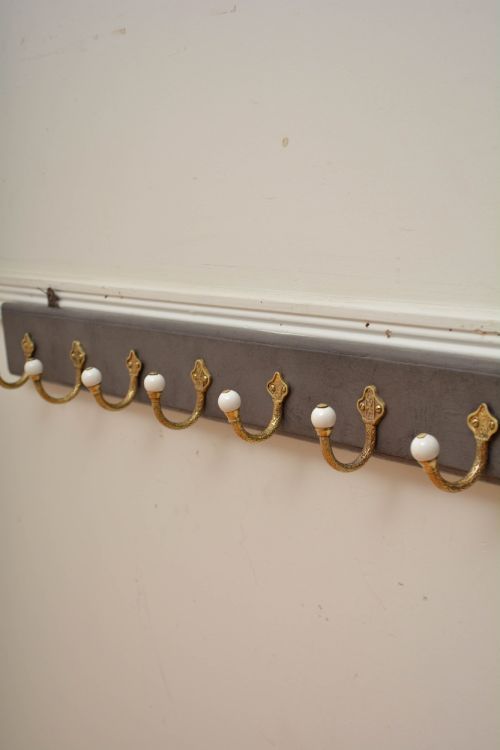
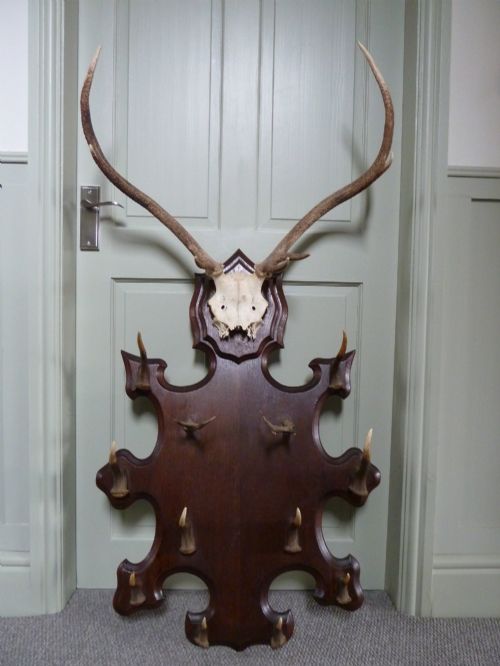
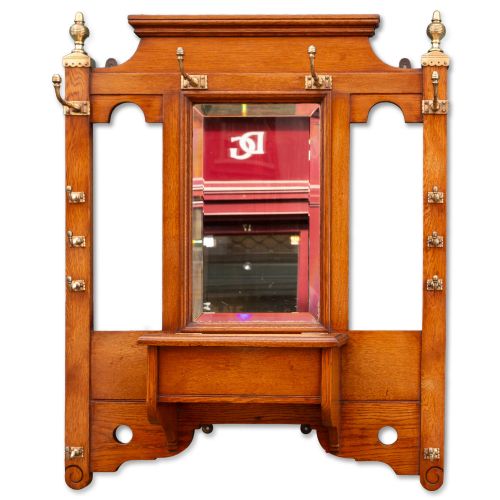
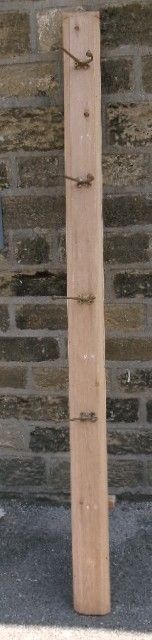
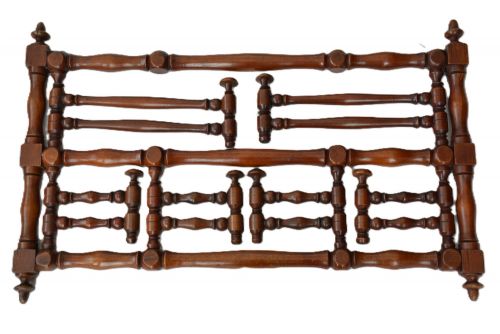
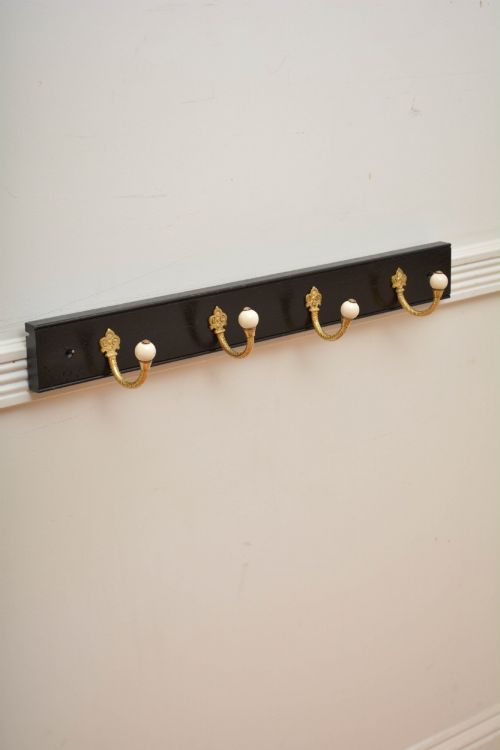
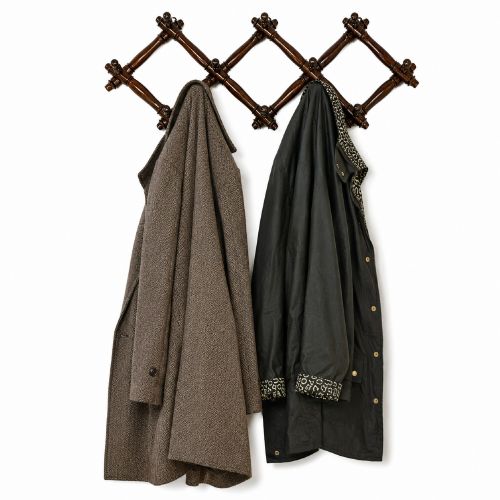
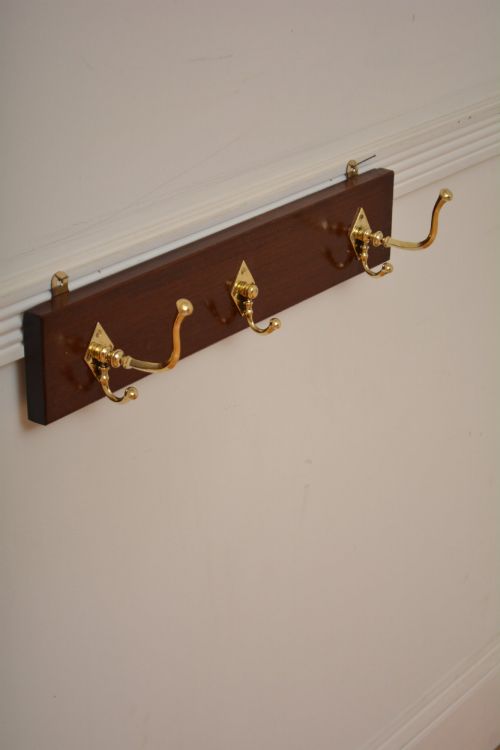
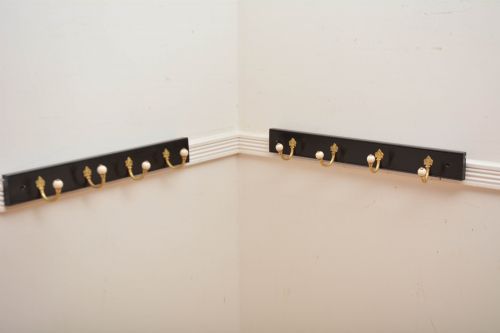
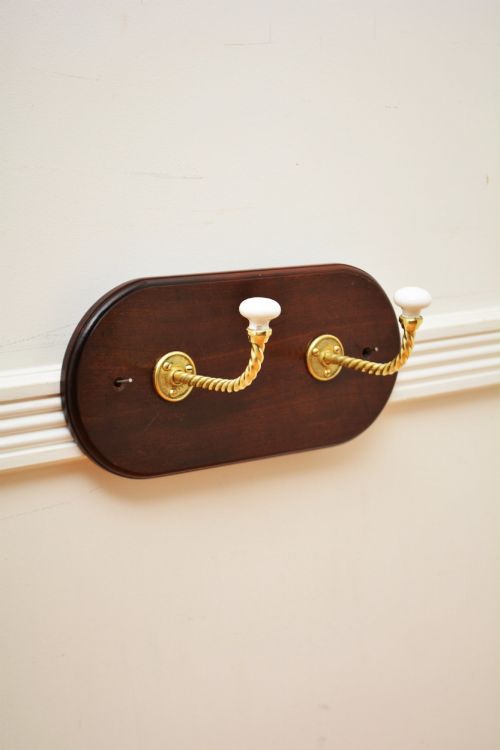
Most items on this page take the form of horizontal backboards fitted with multiple brass, bronze, or cast iron hooks. Buyers also encounter single pairs of hooks on wooden mounts, expanding accordion rails, and elaborate carved panels featuring stag horns or animal heads.
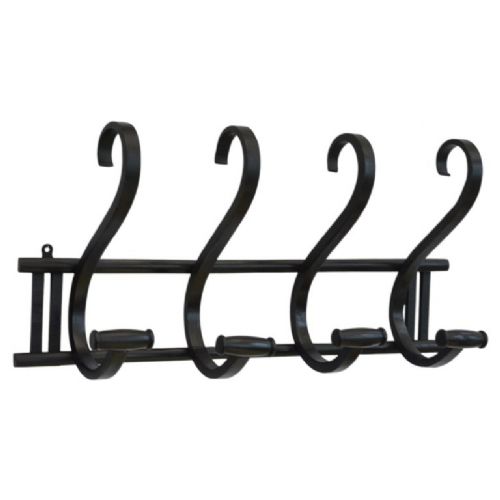
Timbers range from dense domestic hardwoods like mahogany, walnut, and oak to ebonised pine and bentwood. These boards serve the same practical function today as they did in Victorian reception halls, holding coats, hats, and umbrellas close to the wall.
Evaluating Quality
Quality rests heavily on the substance of the mounting board and the casting precision of the metalwork. Superior pieces utilise dense hardwoods and feature deeply cast brass plates with crisp detail rather than thin pressed metal.
The integration of materials also defines the better examples, such as honey-toned mahogany paired with porcelain centres or hand-carved Black Forest animal motifs. Original mounting hardware and matching sets of hooks elevate a piece above standard utility items.
Chamois goats and stags keep a silent watch over hallway hats.
The Victorian Wall Mounted Pegs Glossary
- Backboard
- The horizontal timber strip that supports the individual hooks and anchors the rack to the wall. This piece provides structural rigidity and often displays the grain of mahogany, oak, or walnut.
- Bentwood
- Wood steamed and bent into curved shapes, commonly utilised in nineteenth-century coat rails and hat stands. This technique allows for lightweight yet resilient hanging frames.
- Ebonised
- Timber treated with a dark stain or finish to imitate ebony. This process was popular in Victorian joinery for creating stark contrasts against polished brass hardware.
- Aesthetic Movement
- A late nineteenth-century design style focusing on visual beauty over narrative function. Pieces from this movement often incorporate refined brass work and dark woods.
- Stags Horn
- Antler material utilised to form naturalistic hooks on country house coat racks. These organic elements bring a rustic texture to nineteenth-century hall furniture.
Victorian Wall Mounted Pegs: Frequently Asked Questions
How do I mount a heavy wooden coat rack safely?
Check the distance between the original screw holes on the backboard to align with your wall studs. Using appropriate wall anchors ensures the timber can support the weight of heavy coats.
Distribute garments evenly across the hooks to maintain balance and prevent strain on the wall fastenings over time.
Are the ceramic inserts on the hooks original?
Many Victorian hooks combine brass framing with white or coloured porcelain centres designed to prevent fabric snagging. Examining the seating of the ceramic within the metal casting helps determine if the components belong together.
Replacements do occur, but matching patination between the brass and ceramic elements indicates a period assembly.
What is the difference between bentwood and carved racks?
Bentwood racks rely on steamed timber curved into looping frames, a technique popularised by makers like Thonet in the late nineteenth century. They offer a lighter visual profile suited to smaller spaces.
Carved racks, such as Black Forest or country house examples, feature solid wood shaped into animal forms or foliage, requiring greater artisanal labour.
How do I clean antique brass and wood?
Dust the timber backboard regularly with a dry cloth and feed the grain occasionally with traditional beeswax to preserve the finish. Avoid harsh chemical cleaners that strip the historic patina from the wood.
Clean the brass or bronze hooks gently with a soft cloth, leaving the darker aged areas untouched to maintain their historical character.