



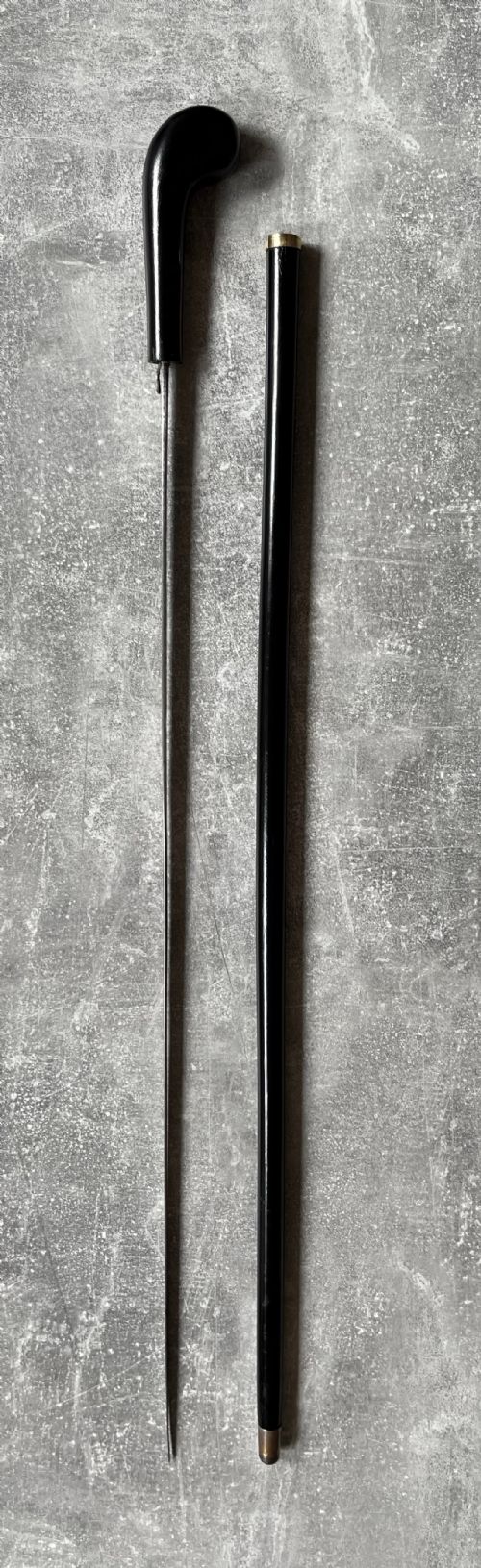

Victorian Walking Weapon
These Victorian walking weapon pieces combine everyday support with concealed blades, offering a glimpse into nineteenth-century personal defence.
Victorian Walking Weapon
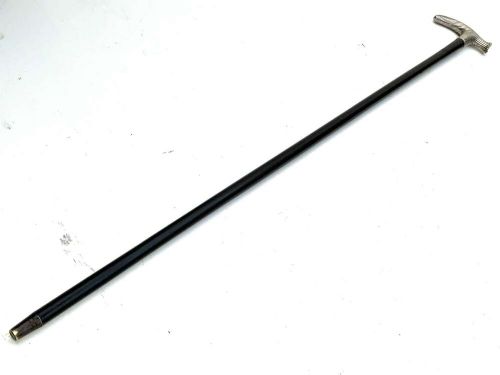
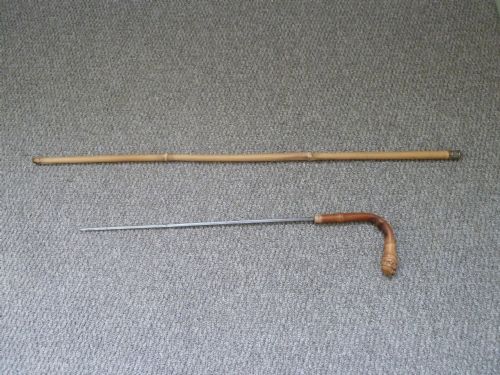
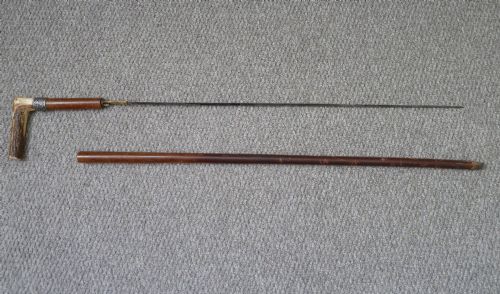
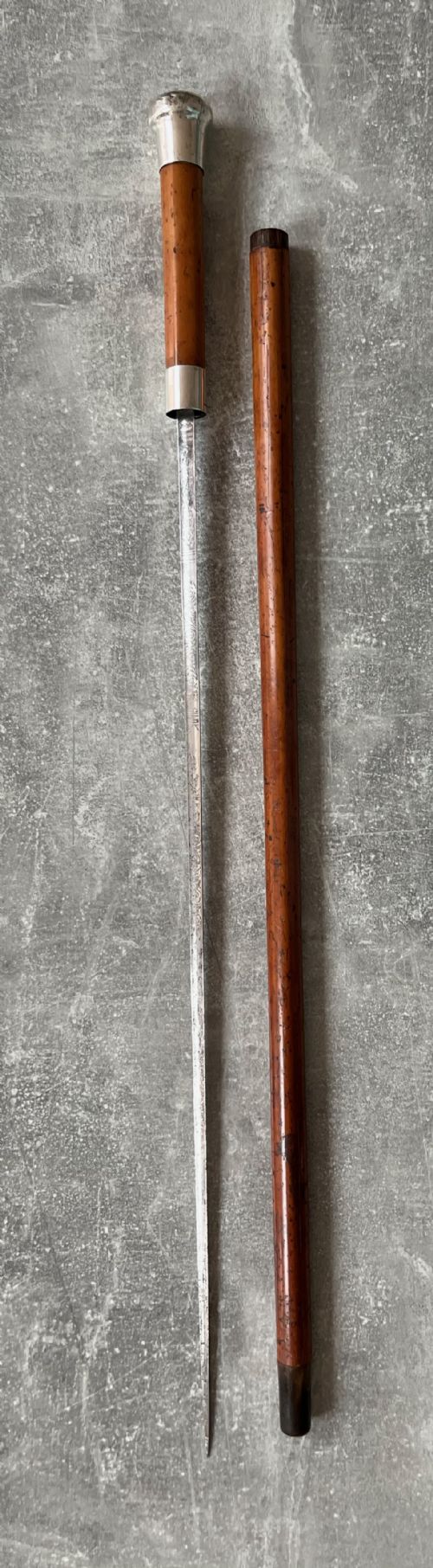
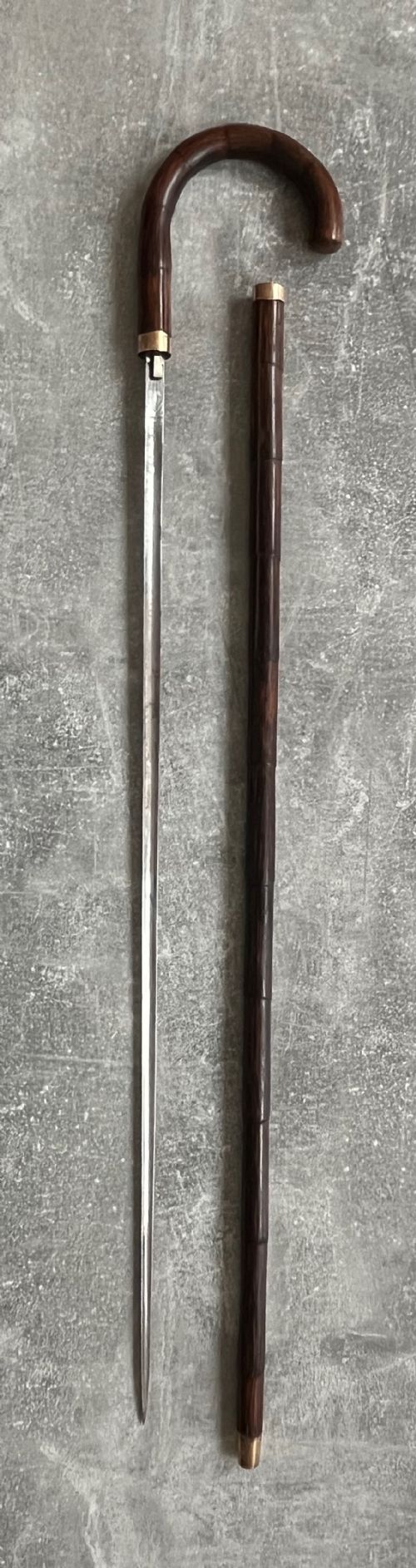
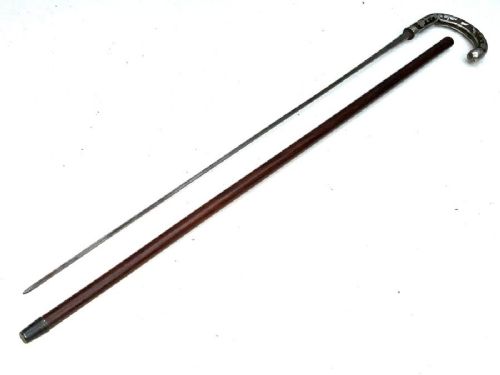
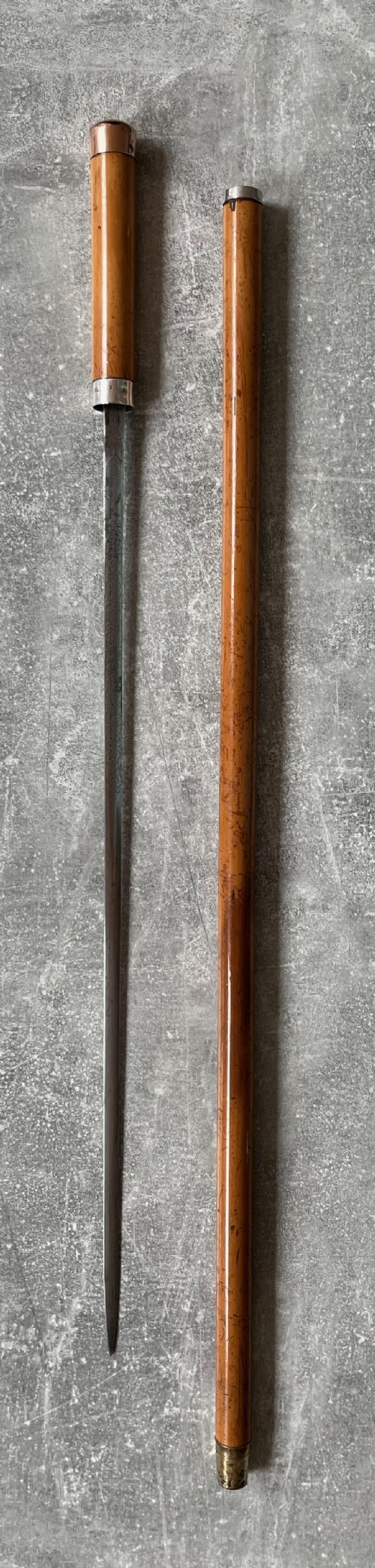
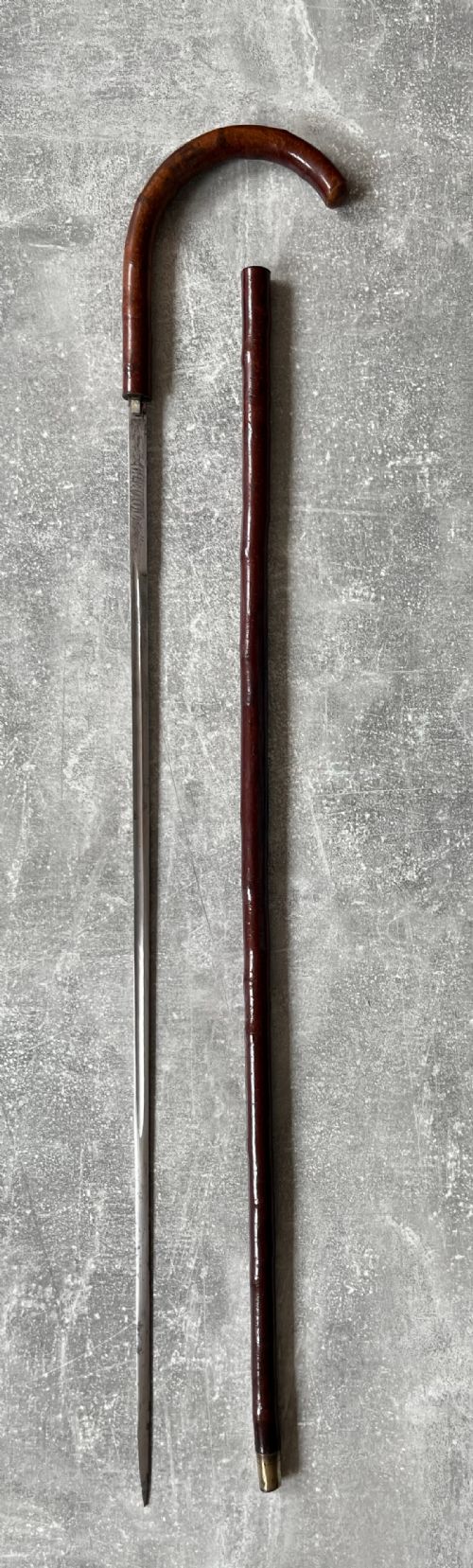
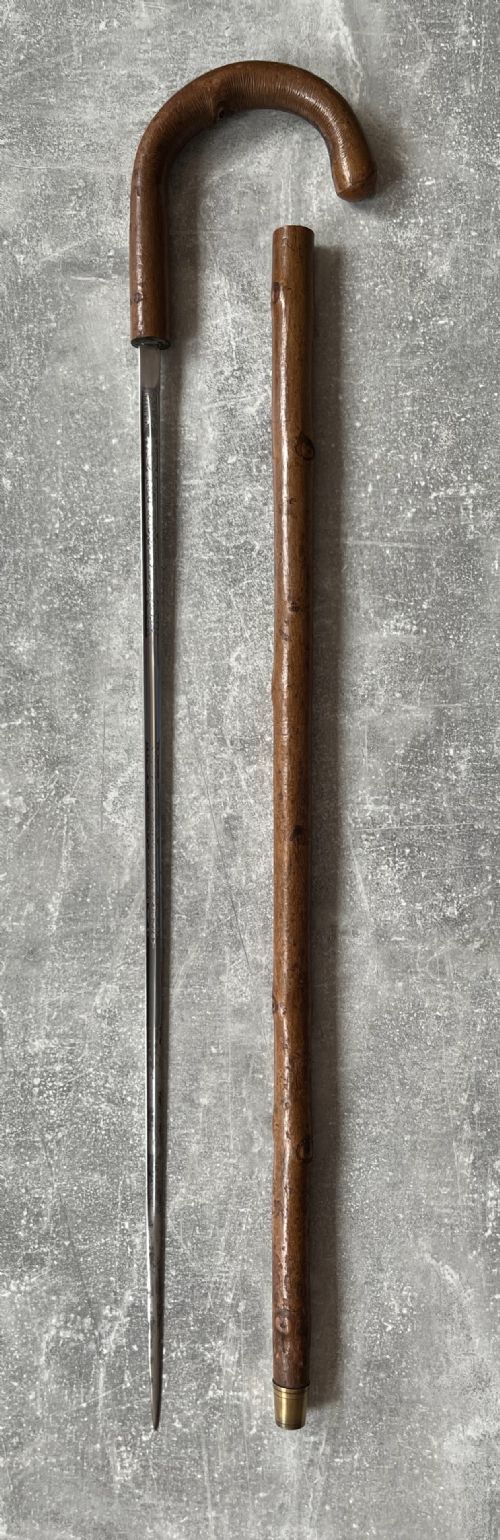
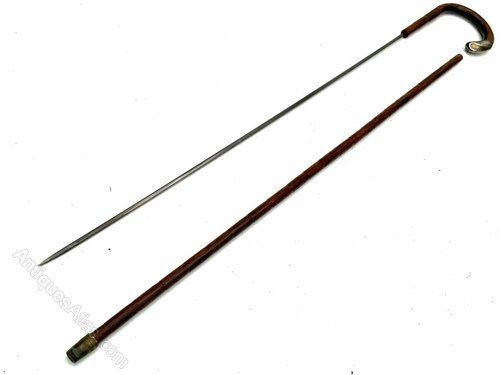
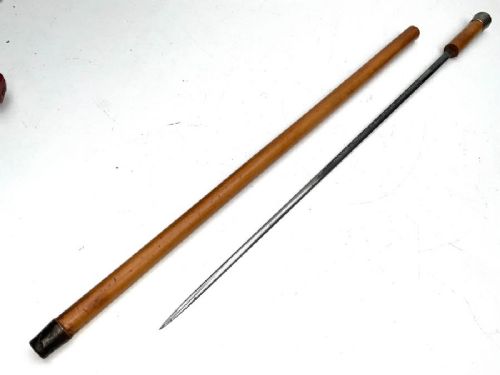
A victorian walking weapon most commonly takes the form of a sword stick or cane disguised as a standard gentleman's accessory. These items span periods from the 1870s through the Edwardian era, retaining the outward appearance of a functional walking aid while housing a steel blade within the shaft.
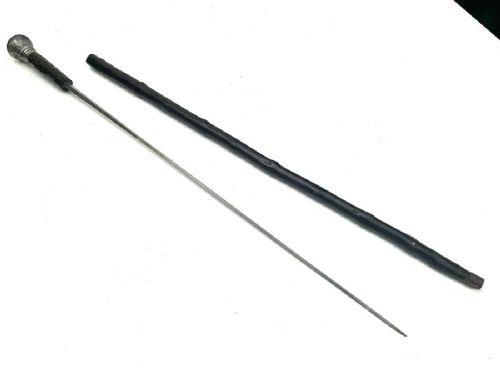
The primary forms utilise natural woods such as malacca, ebonised wood, bamboo, and partridge wood for the exterior housing. Handles vary from simple horn and root-ended grips to elaborate silver-mounted knops and porcelain elements.
Makers designed these sticks for discretion and utility, producing variations that range from military officers' pieces to civilian gentleman's models. Collectors encounter both British examples, often featuring Wilkinson blades, and continental pieces utilising Toledo steel.
Materials and construction
Craftsmen built the outer shafts using resilient natural materials including malacca cane, hazel, chestnut, and bamboo, frequently pairing them with horn, antler, or wood handles. Metal components such as brass collars and silver mounts secure the handle to the wooden body.
The internal blades rely on forged steel, prominently featuring Toledo or Wilkinson production methods. Button releases and secure friction fits conceal the blade securely inside the wooden housing until required.
Victorian Walking Weapon Retail Price Guide 2026
Typical asking prices for victorian walking weapon among the pieces listed under this phrase on Sellingantiques today, from the lower quarter to the upper quarter. They describe what is for sale here now, not the wider market.
Listings feature periods spanning from the 1870s through the 1930s, utilising steel, brass, silver, horn, malacca cane, and ebonised wood.
Quality factors in construction
Superior quality rests in the precision of the joinery between the handle, collar, and wooden shaft, ensuring the piece appears entirely innocent as a walking cane. The integration of a secure button release mechanism indicates careful manufacture.
Blade origin and etching elevate a piece, with named makers such as Wilkinson or established Toledo centres representing finer metalwork. The choice of handle material, from plain wood to silver-mounted horn or porcelain, likewise dictates the grade of the item.
Brigg·Wilkinson
The Victorian Walking Weapon Glossary
- Sword stick
- A walking cane containing a concealed blade housed within its wooden shaft. This dual-purpose design gained popularity during the nineteenth century for personal defence.
- Malacca cane
- A stout, resilient stem derived from a Southeast Asian rattan palm, prized for its mottled brown surface and strength. It served as a primary material for walking sticks.
- Toledo blade
- A steel blade produced in the Spanish city of Toledo, renowned historically for its flexibility and strength. These blades appear frequently in European and British walking weapons.
- Wilkinson blade
- A steel blade manufactured by the notable British sword-making firm, indicating a standard of military-grade quality. Collectors look for these signatures near the hilt.
- Knop
- A rounded knob or handle at the top of a walking stick, often fashioned from silver, horn, or porcelain. It provides the primary grip for the user.
Victorian Walking Weapon: Frequently Asked Questions
What is a Victorian walking weapon?
A Victorian walking weapon is a disguised self-defence tool, most commonly a sword stick, featuring a hidden steel blade inside a wooden or cane shaft.
These pieces were carried by gentlemen for protection during the nineteenth and early twentieth centuries.
How do you release the hidden blade?
Most specimens utilise a simple button release mechanism embedded near the collar to unlatch the blade from the shaft.
Others rely on a secure friction fit that requires a firm pull on the handle to separate the two sections.
What materials were used for the shafts?
Shafts were constructed from natural timbers and canes such as malacca, ebonised wood, bamboo, hazel, and partridge wood.
Handles frequently incorporated horn, antler, silver mounts, or porcelain to suit the owner's taste.
How can you tell the origin of the blade?
Blades often bear stamps or etchings indicating their origin, such as Wilkinson for British manufacture or Toledo for Spanish steel.
The quality of the steel and the presence of maker marks help distinguish regional workshops.