

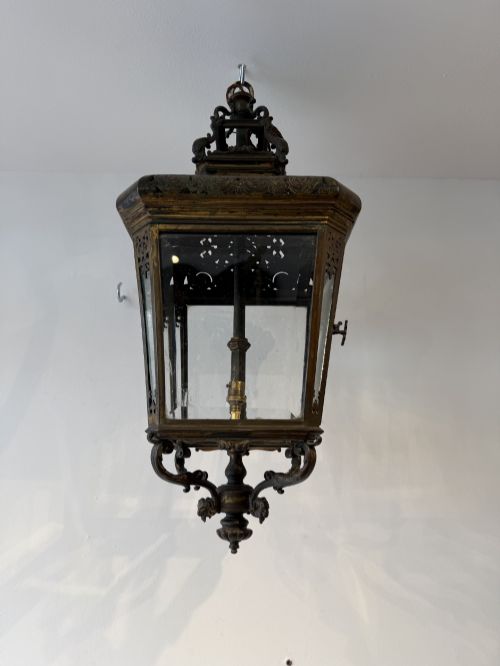


Victorian Vestibule Light
These Victorian vestibule light pieces are overhead lanterns built to brighten narrow entryways with brass, copper, and glass.
Victorian Vestibule Light
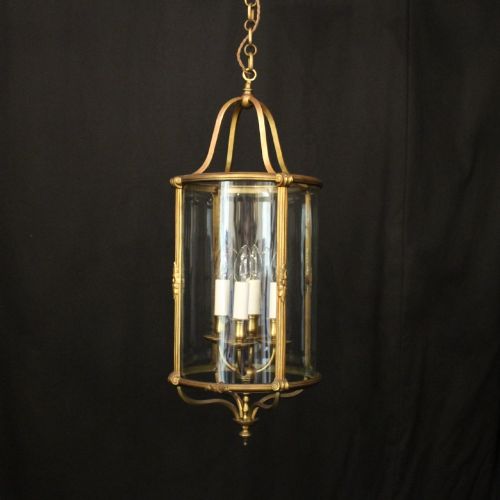
A Victorian vestibule light is an overhead hanging lantern designed to illuminate hallways, porches, and entrance passages. These fittings take the form of hall lanterns, ceiling lights, and hanging lanterns suited for confined spaces.
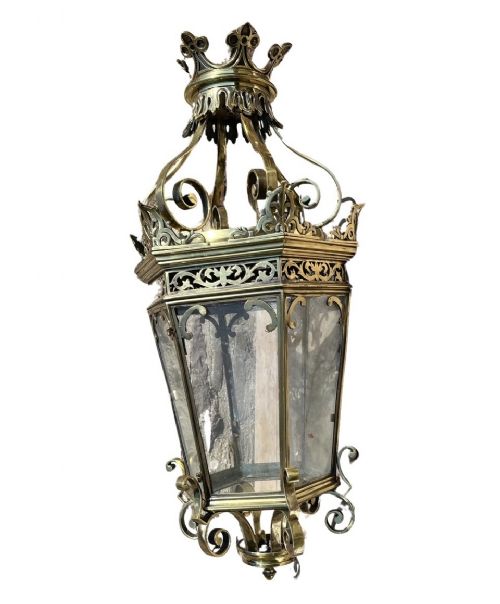
The pieces on this page span the nineteenth century and the early twentieth century, incorporating French Neoclassical, Gothic Revival, Art Nouveau, and Louis XVI styles. Brass, copper, bronze, and gilt bronze provide the structural framework for glass panels and glazed doors.
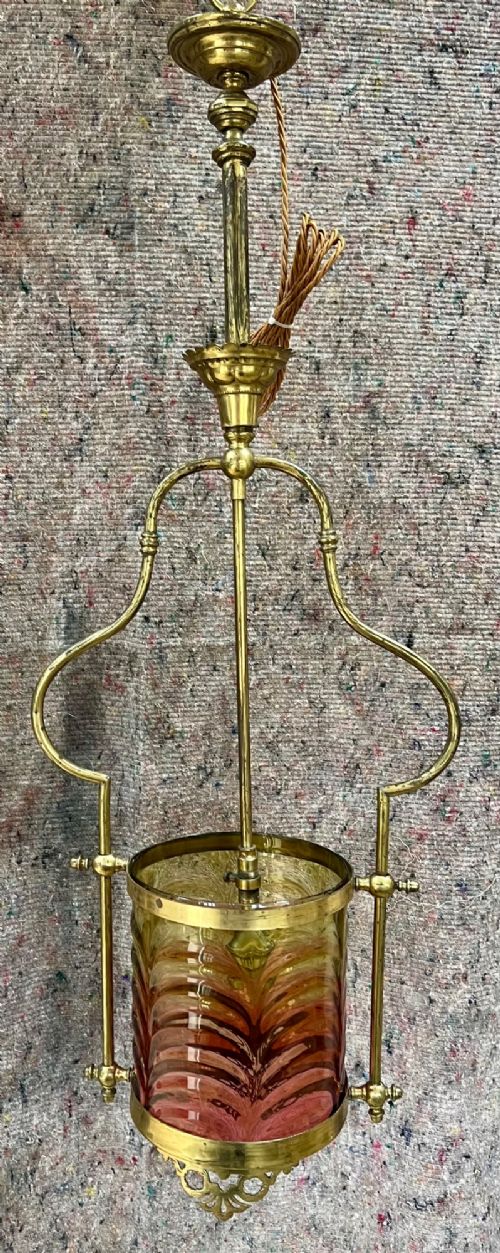
Most examples rely on single bulbs or multiple lights enclosed within glazed metal frames designed to hang securely from ceilings. Some variants include specific glass shades, such as red and yellow panels, or incorporate functional doors for access.
Materials and construction
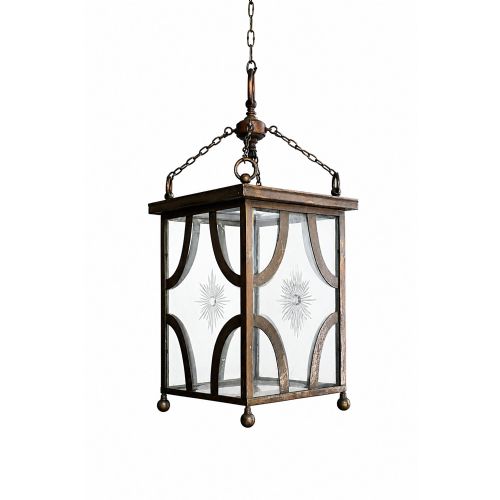
Makers constructed these lanterns using cast and sheet metals including brass, copper, bronze, and gilt bronze. Metal components were formed into hexagonal or rectangular frameworks designed to support fitted glass panes.
Glazing involved clear or stained glass held securely within lead or metal cames, sometimes featuring hinged doors for internal access. Painted timber also appears in related entryway fixtures from the period.
Victorian Vestibule Light Retail Price Guide 2026
Typical asking prices for victorian vestibule light among the pieces listed under this phrase on Sellingantiques today, from the lower quarter to the upper quarter. They describe what is for sale here now, not the wider market.
The listings on this site combine 19th-century and early 20th-century dates with materials such as stained glass, lead, and painted timber.
Assessing quality in lanterns
Quality rests in the weight of the metalwork and the crispness of casting detail on bronze and brass frames. Finer pieces display substantial metal gauge and precise assembly rather than thin stamped components.
The integration of the glass panels dictates the refinement of the object, with bevelled or stained glass representing a higher tier of decorative ambition. Original patination on copper and gilt surfaces also defines the visual depth of a piece.
The Victorian Vestibule Light Glossary
- Hall lantern
- A hanging light fixture designed specifically for narrow entrance spaces and stairwells. These typically feature glazed sides and metal suspension loops.
- Gilt bronze
- Metalwork finished with a fine layer of gold applied to a bronze base. This technique produces a durable, warm metallic lustre.
- Gothic Revival
- An architectural and decorative style drawing on medieval forms. In lighting, this translates to pointed arches and heavy tracery.
- Stained glass
- Coloured glass pieces joined together with lead cames to form decorative patterns. This material diffuses interior illumination.
Victorian Vestibule Light: Frequently Asked Questions
Where should a vestibule light hang?
These lanterns suit entrance halls, corridors, and high-ceilinged porches where overhead illumination is necessary. Their proportions work best in spaces with sufficient vertical clearance to allow safe passage underneath.
Positioning the fitting centrally ensures balanced light distribution across narrow architectural layouts. Consideration of door clearance ensures any side-opening panels remain accessible.
How are these lanterns suspended?
Original mounting typically involves loops, chains, or rigid metal rods attached directly to ceiling brackets. Weight distribution dictates the thickness of the required suspension chain or rod.
Modern installations require secure anchoring into ceiling joists to support the substantial weight of brass and bronze frames. Professional electrical integration ensures internal wiring complies with safety standards.
What metals were used?
Workshops employed brass, copper, bronze, and gilt bronze to build the structural cages of these lanterns. Each metal ages differently, developing distinct surface patinas over decades of exposure to air and handling.
Copper tends to darken to deep brown tones, whilst brass retains a brighter golden hue unless intentionally oxidized. Gilt bronze preserves its gilded surface where protected from aggressive cleaning.
How do styles differ?
Styles range from utilitarian industrial copper cylinders to ornate French Neoclassical and Louis XVI gilt bronze frames. Gothic Revival examples introduce medieval geometric tracery, whilst later pieces adopt softer Art Nouveau curves.
Recognising these aesthetic shifts helps date an unlabelled fixture by its decorative vocabulary. The choice of ornamentation reflects the broader interior design trends of its manufacturing period.