




Victorian Vanity Accessory
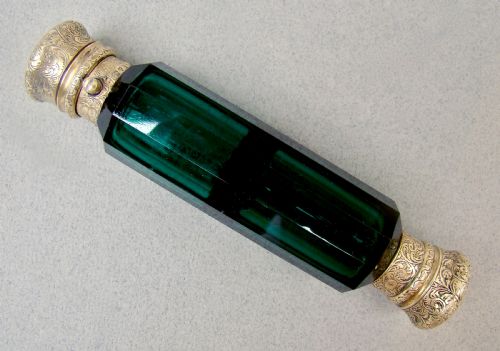
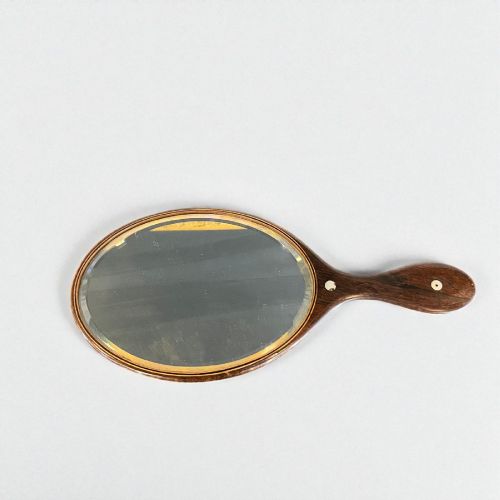
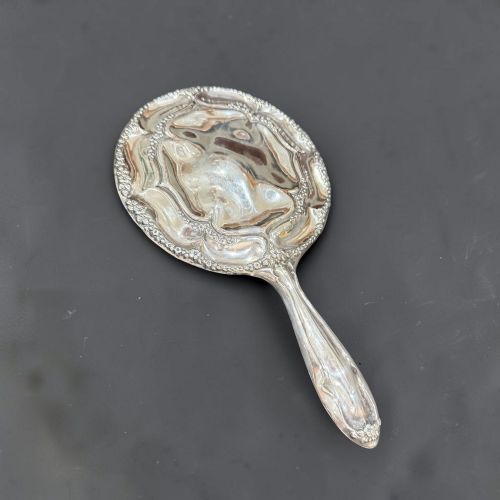
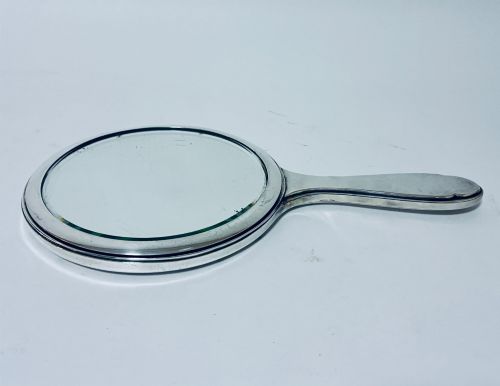
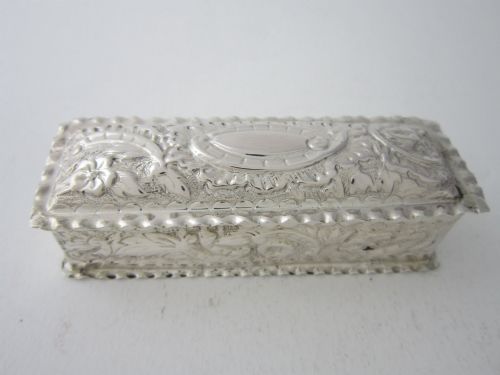
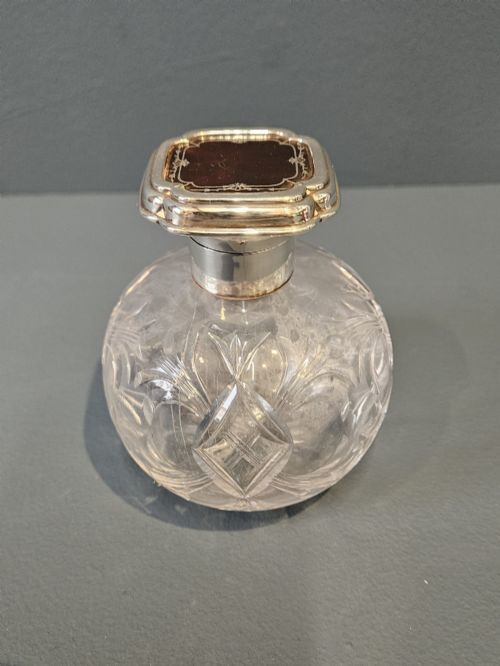
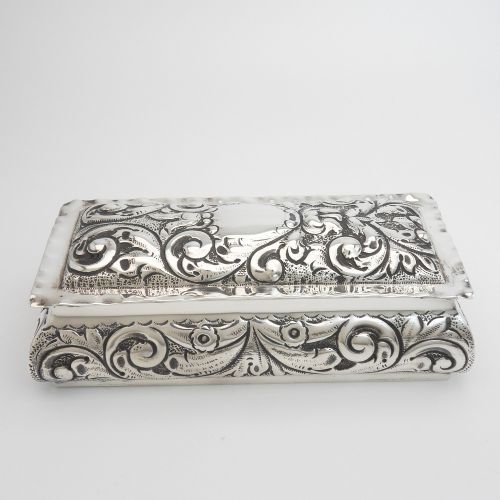
These Victorian vanity accessory pieces range from sterling silver trinket boxes to cut glass scent bottles designed for the nineteenth and early twentieth century dressing table.
Victorian Vanity Accessory
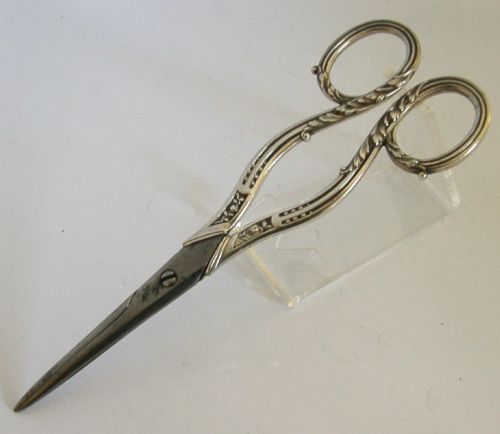
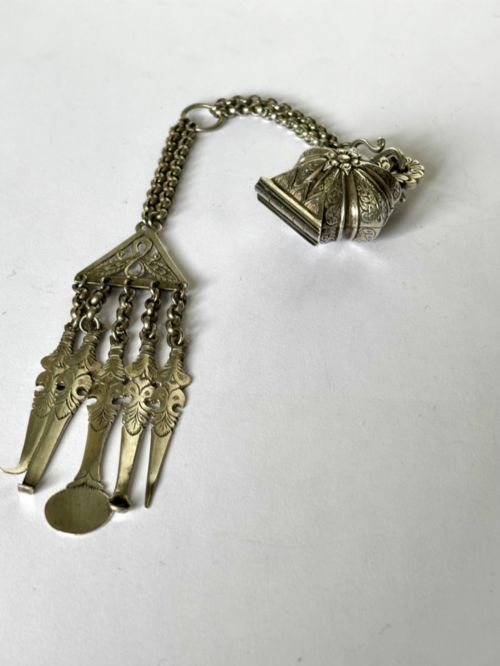
When you search for a Victorian vanity accessory, you encounter a diverse array of items intended for personal grooming and dressing table organisation. The selection spans from sterling silver boxes and chatelaines with hanging tools to cut glass scent bottles and button hooks.
Origins include English workshops alongside French and continental pieces, reflecting the broad scope of nineteenth century vanity accoutrements. Buyers typically find both standalone objects and matched sets housed in original cases.
Materials and construction
Makers utilised sterling silver and white metal for structural elements, mounts, and intricate chased decoration on boxes, chatelaines, and scent bottle collars. Cut glass and crystal form the bodies of perfume bottles and dressing table containers, often paired with silver stoppers or tortoiseshell lids.
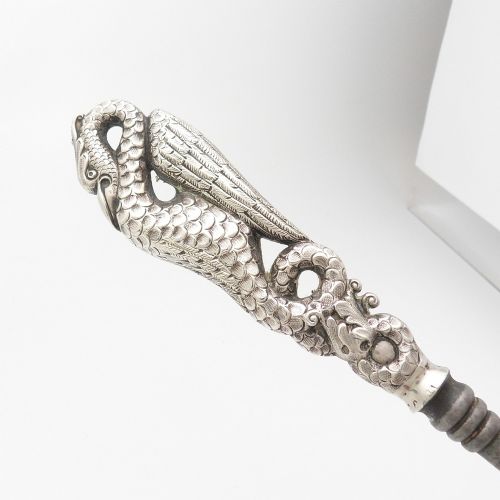
Organic materials such as horn and ebony appear alongside earthenware, ceramic, velvet, and steel for items like glove powderers, button hooks, scissors, and wash basin sets. Metalwork techniques involve hallmarking, gilding internal linings, and delicate repoussé detailing depicting winged creatures.
Victorian Vanity Accessory Retail Price Guide 2026
Typical asking prices for victorian vanity accessory among the pieces listed under this phrase on Sellingantiques today, from the lower quarter to the upper quarter. They describe what is for sale here now, not the wider market.
Listings feature items from the Victorian, Edwardian, and Belle Epoque styles, spanning the nineteenth and early twentieth centuries.
Qualities of distinction
The distinction between standard items and superior examples lies in the crispness of the metalwork, the weight of the sterling silver, and the depth of the cut glass facets. Superior pieces display finely detailed chasing, such as winged creatures or complex botanical motifs, rather than mass-produced stamped decoration.
Completeness also dictates standing, particularly in chatelaines retaining their full complement of hanging tools, or dressing sets preserved within their original fitted leather cases. The integration of contrasting materials, like tortoiseshell inlaid into silver-topped crystal, demonstrates higher manufacturing ambition.
A & J Zimmerman Ltd·Jane Brownett Alexander Jones·W M F
The Victorian Vanity Accessory Glossary
- Chatelaine
- A decorative belt hook with suspended chains used to carry small household and vanity tools. Victorian ladies wore these to keep essential items close at hand.
- Vinaigrette
- A small ornamental box featuring an internal perforated grille, designed to hold a sponge soaked in aromatic vinegar. These were carried during the nineteenth century to counteract unpleasant odours.
- Gilt lining
- A thin layer of gold applied to the interior surface of a silver box or vessel. This technique protected the outer silver from tarnishing when in contact with acidic contents.
- Button hook
- A long-handled tool utilised for fastening tight buttons on boots, gloves, and garments. Examples often featured decorative sterling silver handles shaped as golf clubs or winged creatures.
Victorian Vanity Accessory: Frequently Asked Questions
What is a chatelaine?
A chatelaine is a decorative belt hook with hanging chains that suspends practical vanity tools such as scissors, scent bottles, and vinaigrettes.
In the nineteenth century, this accessory allowed women to carry daily necessaries at the waist without pockets.
How do I date a silver scent bottle?
Dating relies on identifying official hallmarks stamped into the silver collars or mounts, which indicate the assay office, standard of metal, and year of production.
Stylistic cues, such as Edwardian restraint versus Late Victorian ornamentation, also help narrow the manufacturing period.
Were vanity accessories sold in sets?
Many dressing table items were originally retailed as matched collections housed within custom fitted wooden cases lined with velvet.
These comprehensive sets typically contained brushes, manicure tools, and scent bottles intended for a unified dressing table display.
What was a glove powderer used for?
A glove powderer was utilised to apply dusting powder to the inside of tight leather gloves, easing the process of putting them on.
These uncommon grooming tools were frequently carved from natural materials like horn during the nineteenth century.