




Victorian Upholstery Couch
A victorian upholstery couch brings nineteenth-century comfort and traditional craftsmanship into a room.
Victorian Upholstery Couch
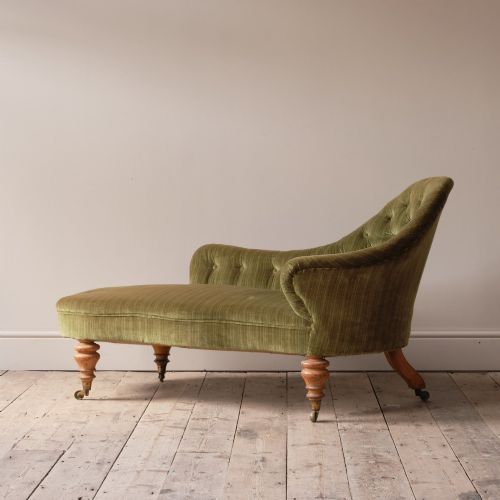
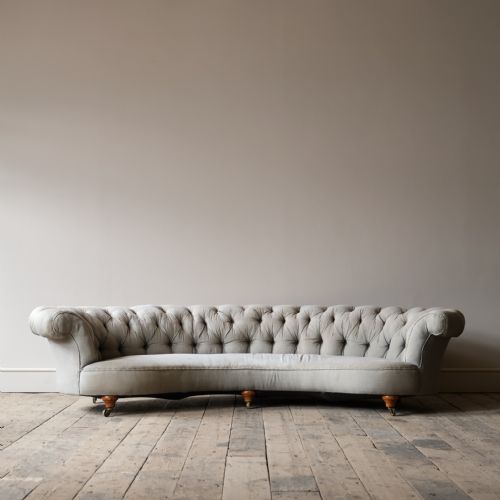
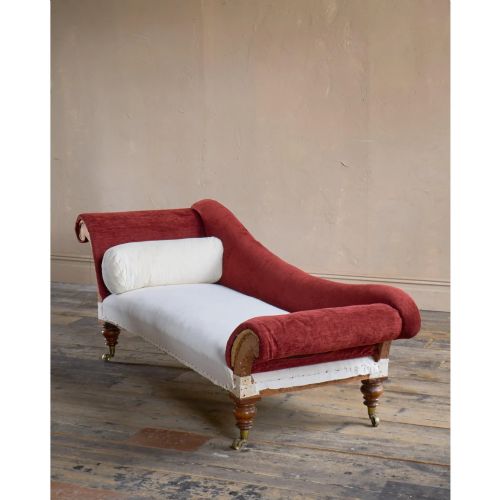
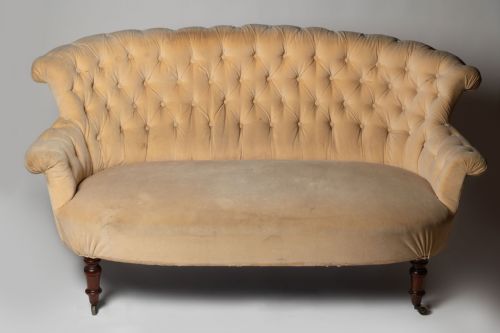
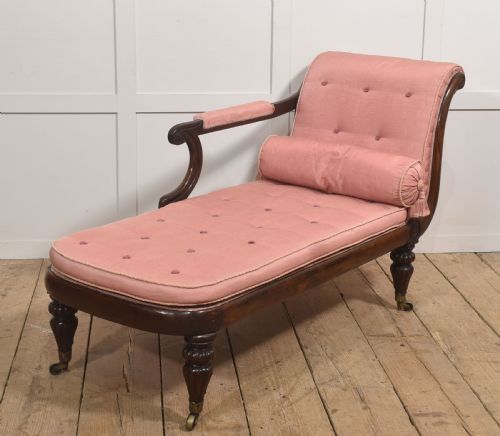
When searching for a victorian upholstery couch, buyers encounter a variety of seating forms originating from the nineteenth century, including daybeds, settees, and chaise longues. These pieces embody styles ranging from Early Victorian and William IV to the Aesthetic Movement and Rococo Revival.
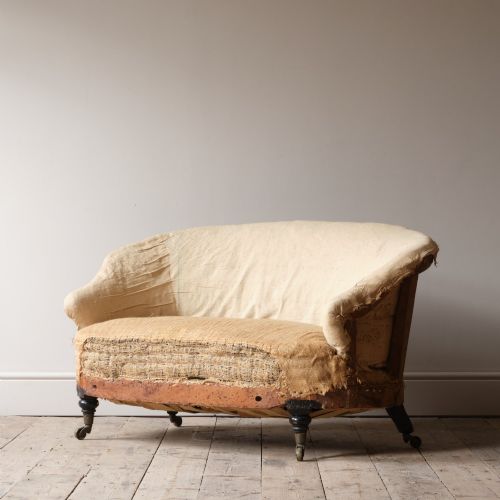
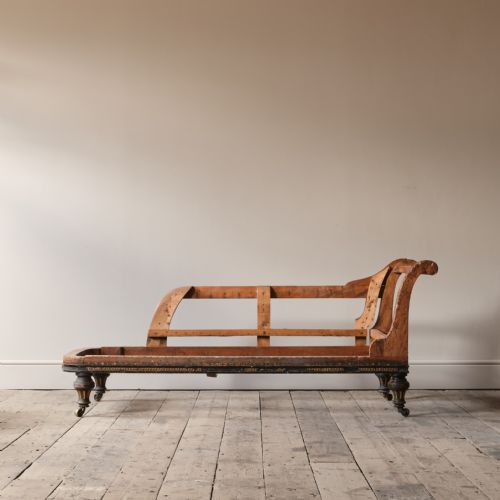
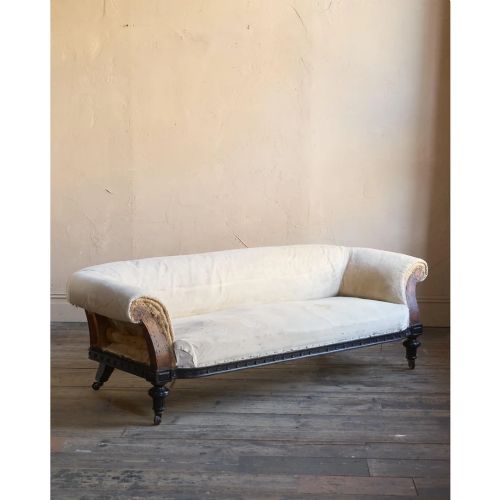
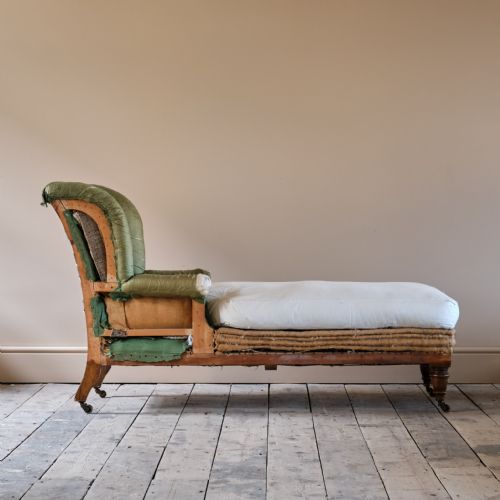
Examples often retain traditional foundations, utilising hessian and calico alongside visible showwood frames. The selection spans the broader Victorian era into the Edwardian period, offering diverse seating configurations for period interiors.
Materials and construction
Construction relies on sturdy timber frames carved from walnut, mahogany, and rosewood, providing structural integrity for upholstered seating. Showwood frames feature decorative carving, particularly on showwood surfaces and feet such as lion paw designs.
Traditional upholstery techniques incorporate inner layers of hessian, calico, and ticking to support surface coverings of velvet, leather, and damask. Brass details frequently appear alongside button upholstery to finish the edges and secure the fabric.
Victorian Upholstery Couch Retail Price Guide 2026
Typical asking prices for victorian upholstery couch among the pieces listed under this phrase on Sellingantiques today, from the lower quarter to the upper quarter. They describe what is for sale here now, not the wider market.
Listings feature woods spanning mahogany, walnut, and rosewood alongside fabrics including velvet, leather, and damask.
Assessing the range
Quality separates pieces through the crispness of the timber carving and the integrity of the underlying frame construction. Finer examples display meticulous attention to showwood detail, balanced proportions, and substantial hardwood frames.
The distinction between standard workshop output and top-tier production rests on maker attribution and the preservation of original ticking or foundation materials. Pieces carrying maker provenance command greater attention from collectors.
Howard & Sons·Holland & Sons·Hampton & Sons
The Victorian Upholstery Couch Glossary
- Chesterfield
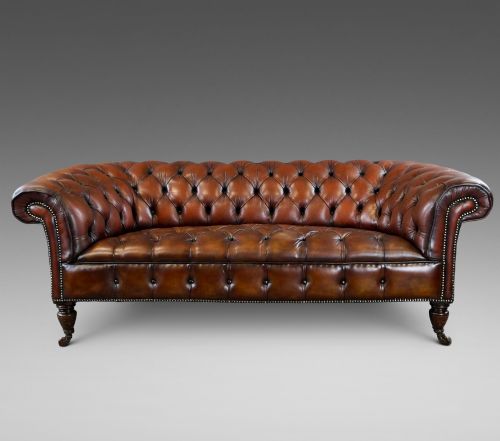
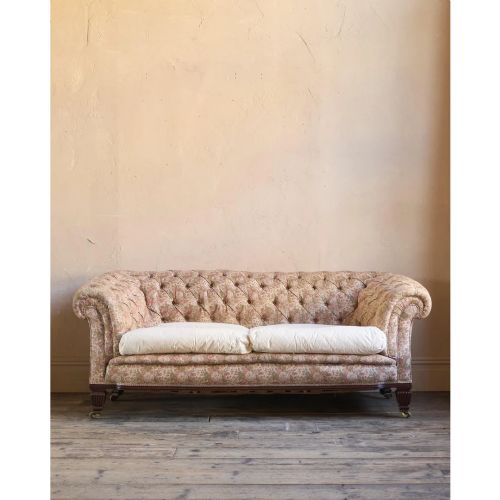
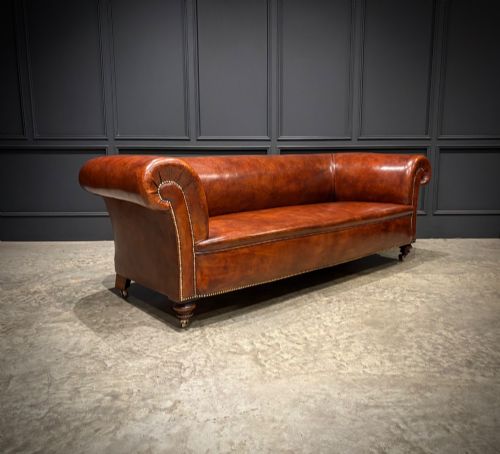
- A deep-buttoned, upholstered sofa traditionally featuring rolled arms of the same height as the back.
- Chaise Longue
- An upholstered long chair designed for reclining, typically featuring a single headrest or scrolled end.
- Hessian
- A coarse woven fabric made from jute fibres, utilised historically as the internal foundation layer for traditional upholstery.
- Showwood
- Timber framework left visible on an upholstered piece of furniture to display the carved wood rather than covering it entirely.
- Ticking
- A tightly woven cotton or linen fabric historically utilised to contain stuffing materials within upholstered furniture foundations.
Victorian Upholstery Couch: Frequently Asked Questions
What defines a Chesterfield sofa?
A Chesterfield is identified by its distinctive low seat base and deep button-tufted upholstery. The arms and back typically rise to the same height.
These pieces emerged as prominent staples of nineteenth-century drawing rooms and libraries, designed for formal seating.
How do I care for leather upholstery?
Leather upholstery requires regular dusting and occasional treatment with appropriate conditioners to prevent drying. Keeping pieces away from direct sunlight preserves the hide.
Victorian leather finishes benefit from gentle maintenance rather than harsh chemical cleaning agents.
Where should I place a chaise longue?
A chaise longue fits well in large bedrooms, dressing rooms, or studies where adequate floor space allows it to function as a focal point. Its asymmetrical design requires placement against a suitable wall or in an open area.
These seating forms were originally intended for relaxed reclining during daytime hours.
How can I identify a showwood frame?
Showwood frames feature exposed polished timber, such as mahogany or walnut, around the upholstered sections. Craftsmen carved these wooden elements with decorative details like floral motifs or scrollwork.
This contrasts with fully upholstered pieces that conceal the structural timber beneath fabric and trim.