
Victorian Upholstered Lounge
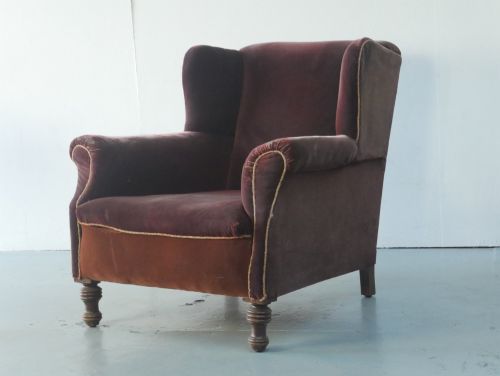
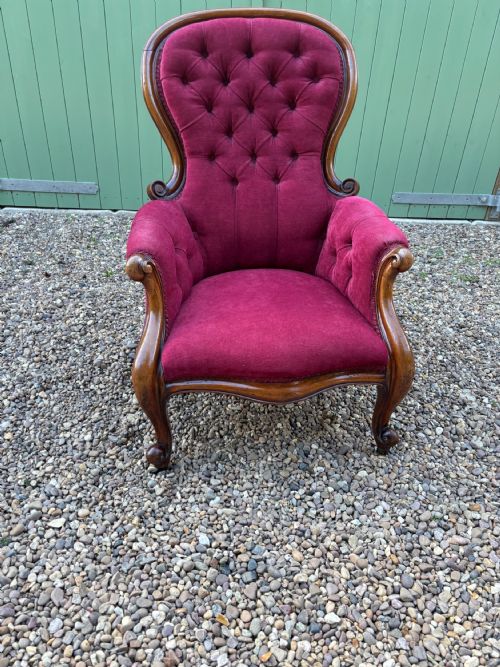
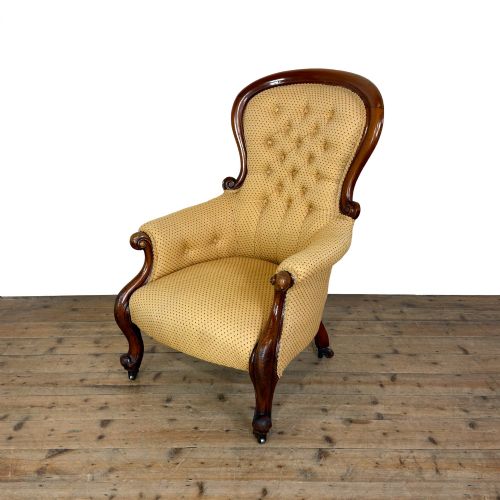
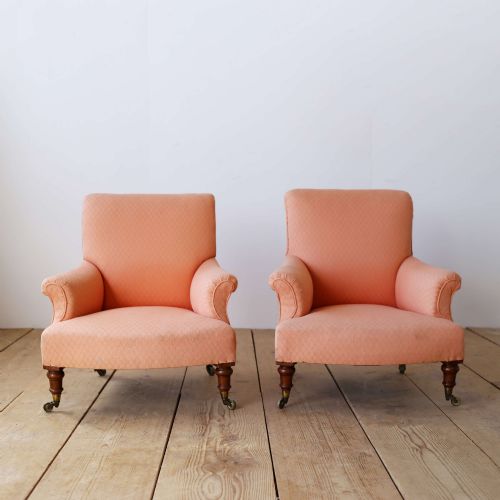
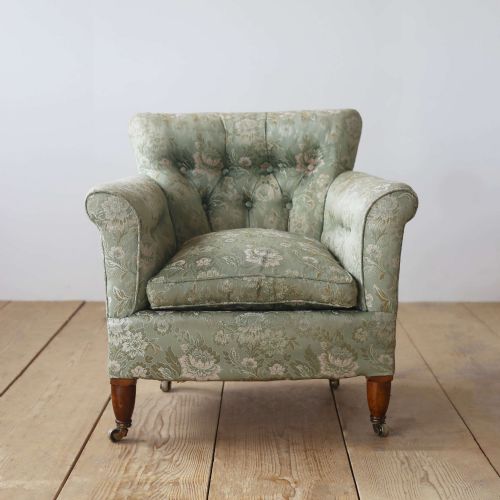
A victorian upholstered lounge offers deep comfort through generous sprung seats and padded backs wrapped in velvet, fabric, or brocade.
Victorian Upholstered Lounge
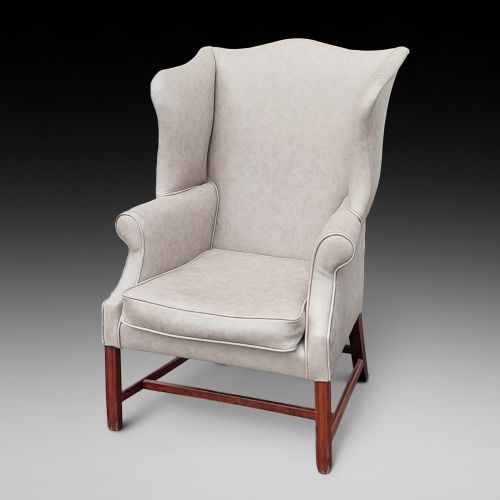
A victorian upholstered lounge encompasses a broad category of nineteenth-century seating designed for repose, including armchairs, wing chairs, slipper chairs, and daybeds. These forms span from mid-century walnut frames to late-period pieces influenced by French Napoleon III and English aesthetic movements.
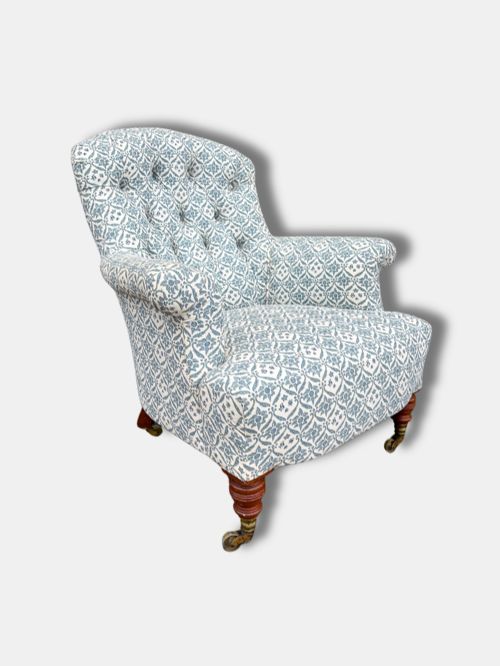
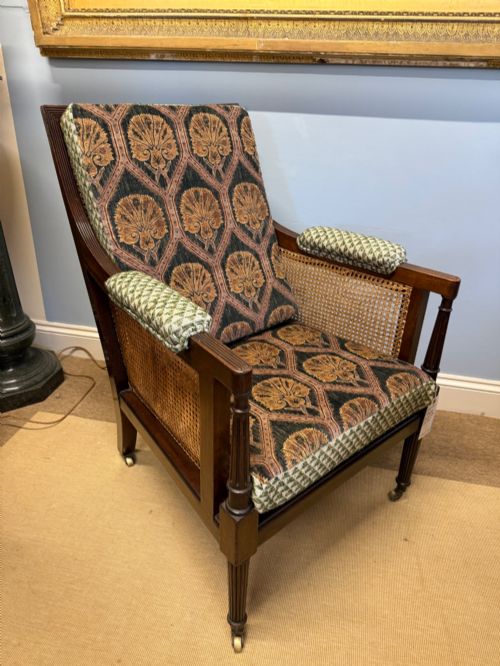
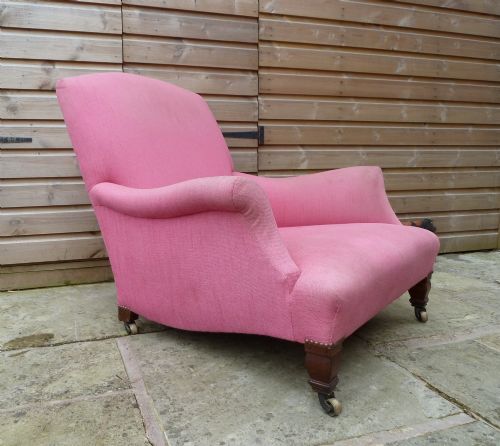
Buyers frequently encounter chaise longues, double-ended sofas, and button-back armchairs originating from the Victorian era and the broader nineteenth century. Workshop styles reminiscent of Howard and Sons appear regularly alongside country house open armchairs and library chairs.
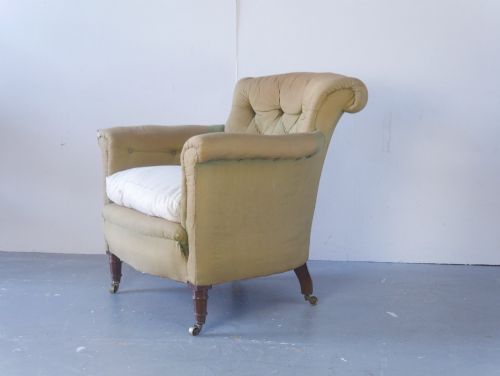
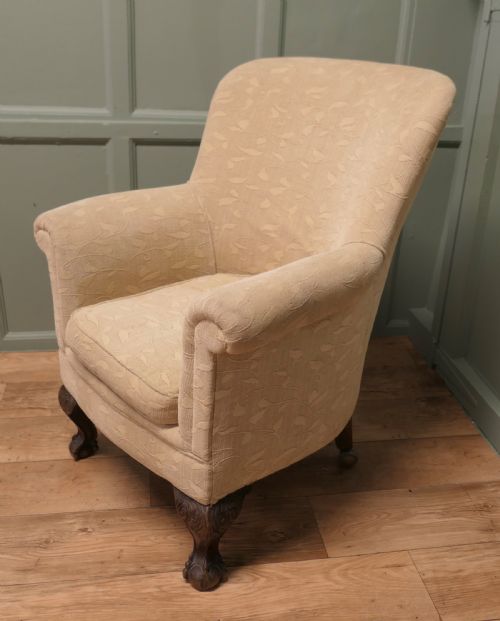
Sub-types range from low nursing chairs to oversized oak and mahogany armchairs supported by turned legs, brass castors, or carved mahogany frames. Each seating form reflects the domestic comfort priorities of nineteenth-century households.
How they were made
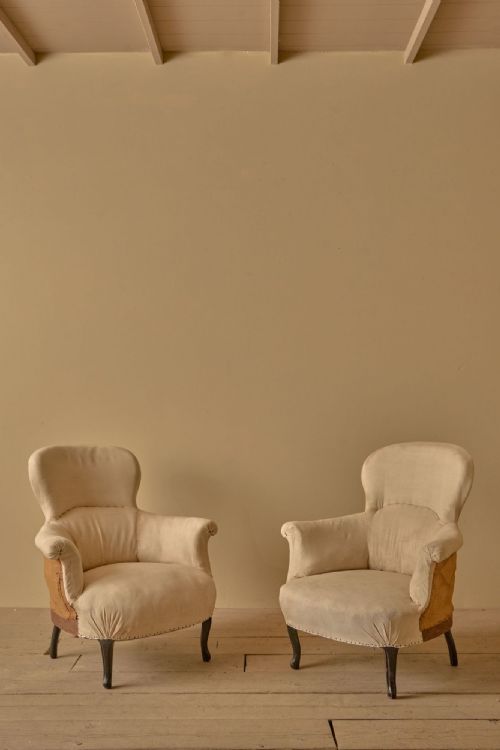
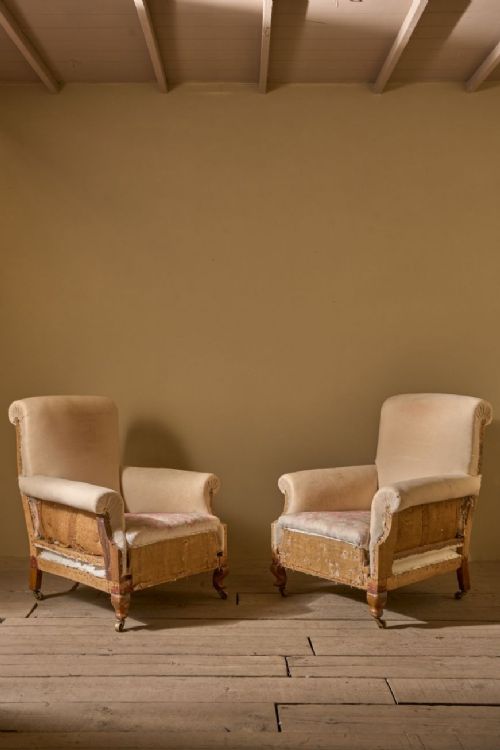
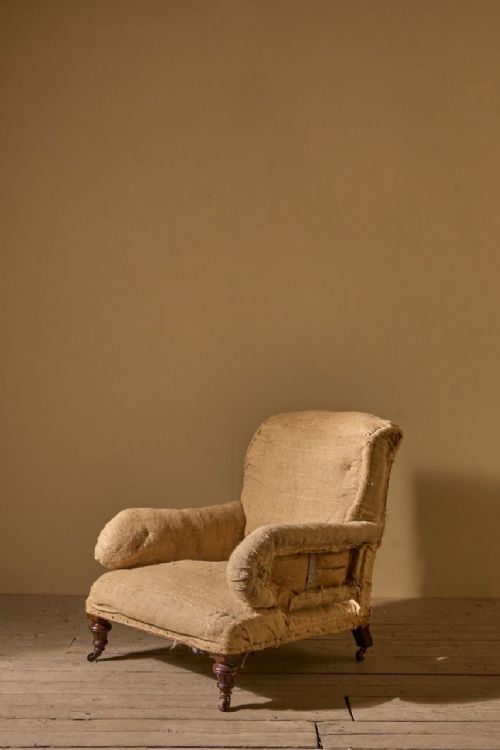
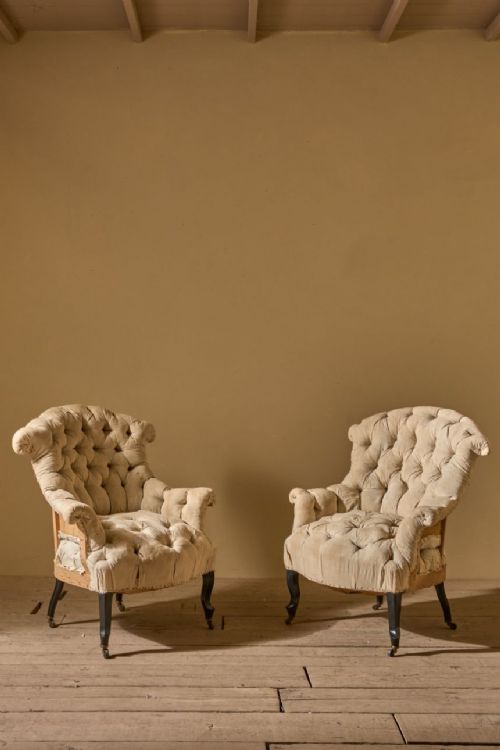
Upholstery construction begins with foundational hessian and internal webbing, layered with sprung seat bases and secured with calico beneath top covers of velvet, brocade, or fabric. Deep-buttoning techniques create structured padded surfaces across backs and scroll ends.
Nineteenth-century designers created slipper chairs intentionally low to the floor so footwear could be managed without an audience.
What varies in quality
The integrity of the underlying timber frame and the precision of the joinery dictate the structural longevity of each piece. Superior examples retain rigid frames without timber splits, whereas lower-tier pieces suffer from joint looseness or replacement components.
The sophistication of the internal springing and stuffing determines the sculptural profile and resilience of the seat. Master workshops achieve balanced tension and precise contouring that lesser makers fail to replicate in simpler secondary timbers.
Howard and Sons·Morris and Co·Gillows·Holland and Sons·Hindley and Sons
The Victorian Upholstered Lounge Glossary
- Sprung settee base
- A seating foundation constructed from metal coil springs tied together with twine to distribute weight evenly. This method provides the resilient bounce characteristic of quality nineteenth-century upholstery.
- Button back
- An upholstery style where depressions are formed in the padding by stitching through the stuffing to anchor buttons in a geometric pattern. It pulls the fabric tight and creates deep surface texture.
- Calico
- A plain-woven cotton fabric used as an interior lining layer beneath the decorative top cover. It holds the stuffing securely in position before the final textile is applied.
- Chaise longue
- An elongated chair form designed for reclining, featuring an upholstered backrest that curves down toward one end. Nineteenth-century examples often incorporate carved mahogany or walnut frames.
- Slipper chair
- A low-set upholstered armchair traditionally used in bedrooms for ease of dressing. Their compact proportions and short legs distinguish them from library or salon armchairs.
Victorian Upholstered Lounge: Frequently Asked Questions
How do I identify a Victorian armchair?
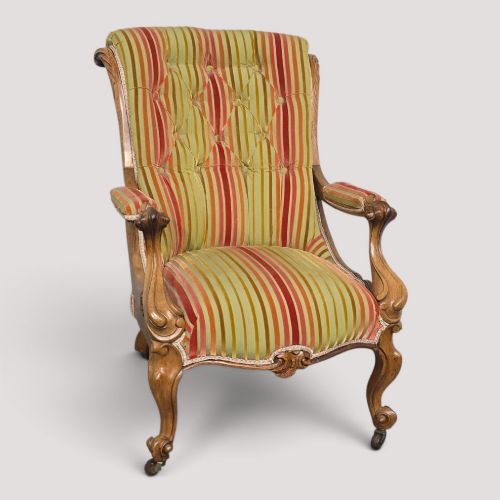
Examine the timber frame underneath and the choice of woods like walnut, mahogany, or rosewood typical of the nineteenth century. Characteristic elements include button-backed upholstery, turned legs with brass castors, and generous sprung seat bases.
Look closer at the joinery and stylistic cues such as spoon backs or carved scroll arms. Makers often utilised traditional framing techniques that predate modern manufactured furniture.
What is a chaise longue used for?
A chaise longue provides an extended seating platform intended for daytime resting and reclining without retiring to a bed. Nineteenth-century households placed these pieces in drawing rooms, libraries, and grand bedrooms.
Their elongated form accommodates a seated or half-recumbent posture. The raised end supports the head and shoulders against a padded backrest.
Are these lounge chairs comfortable for daily use?
Most pieces were built with deep coil springing and substantial padding designed for domestic leisure. The generous proportions of Victorian seating offer a supportive, relaxed posture.
Comfort levels depend on the condition of the internal webbing and springs. Pieces retaining sound traditional foundations provide firm yet yielding support.
How do I care for antique velvet upholstery?
Protect antique velvet surfaces from direct sunlight to prevent fabric fading and fibre degradation. Regular light brushing helps maintain the pile direction and removes settling dust.
Avoid harsh chemical cleaners and moisture on historical textiles. Professional upholstery cleaning is recommended for deep maintenance.