


Victorian Torchere
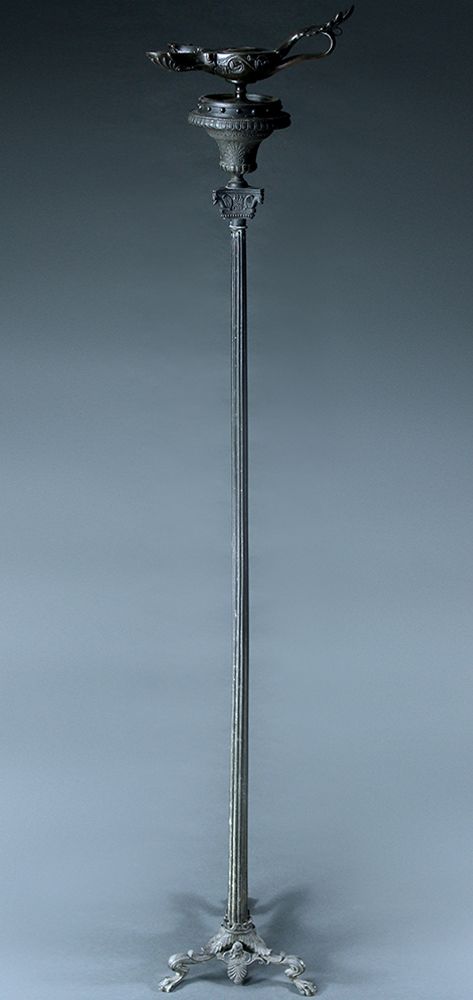
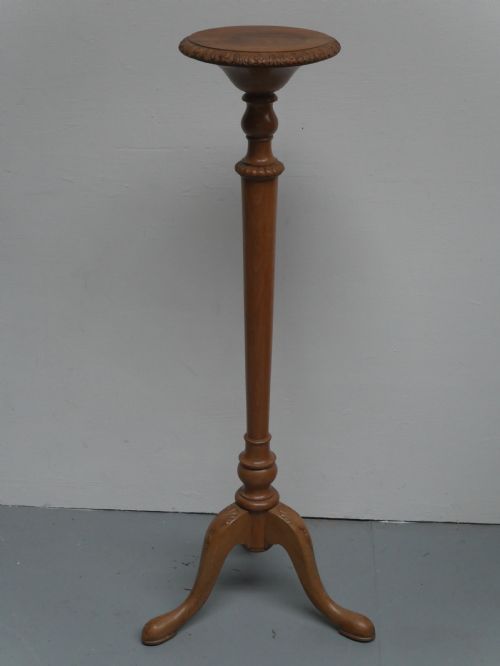
A victorian torchere brings height and focus to a room, functioning as a slim stand for plants, lamps, or decorative urns.
Victorian Torchere
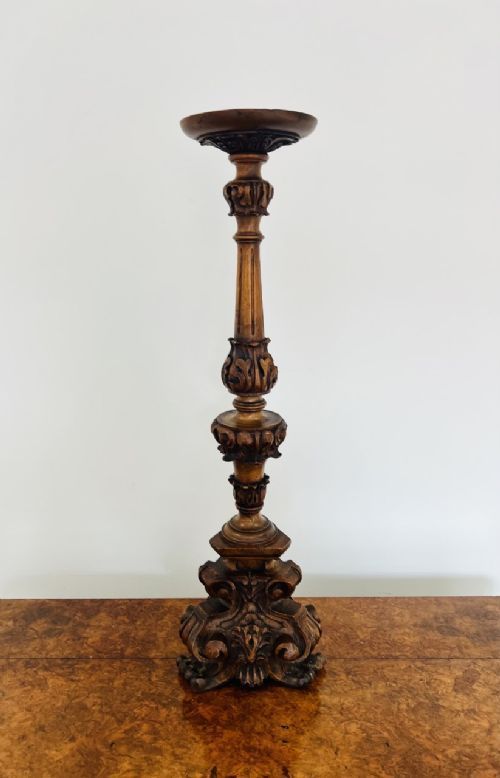
A victorian torchere takes the form of a tall, slender stand designed to elevate an object rather than occupy floor space. The search phrase covers plant stands, pedestals, and column supports originating primarily across the nineteenth century.
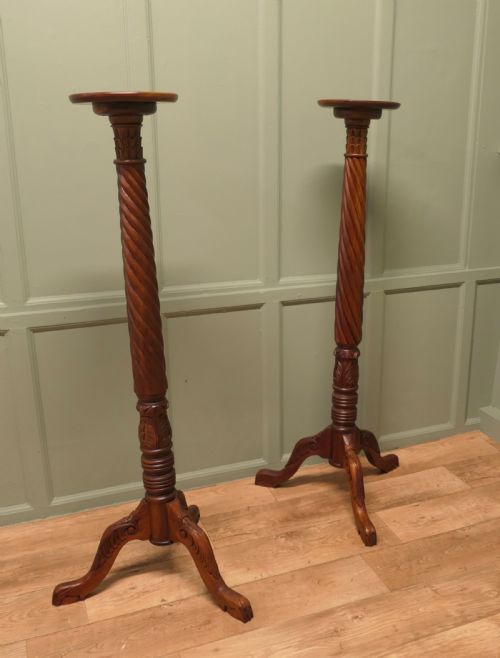
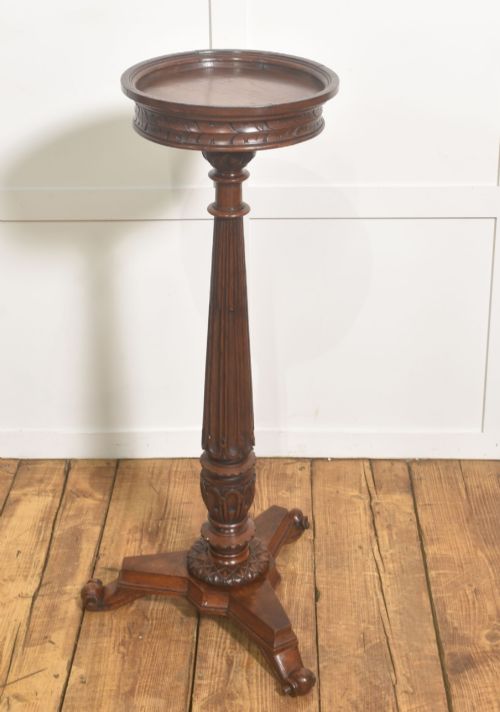
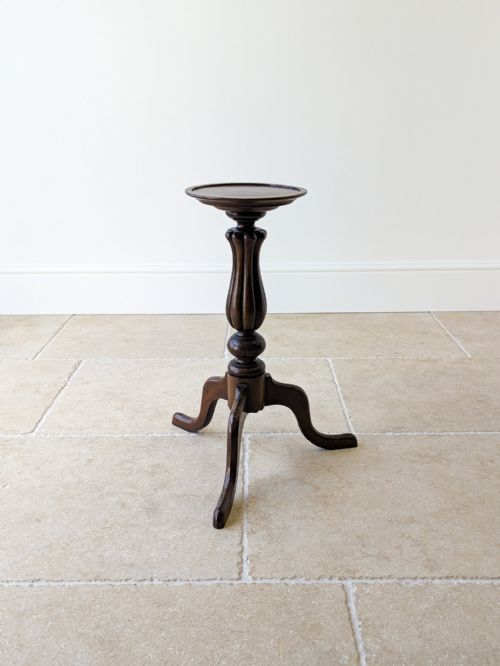
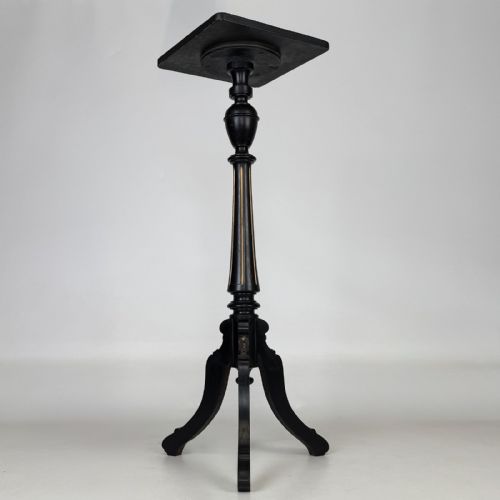
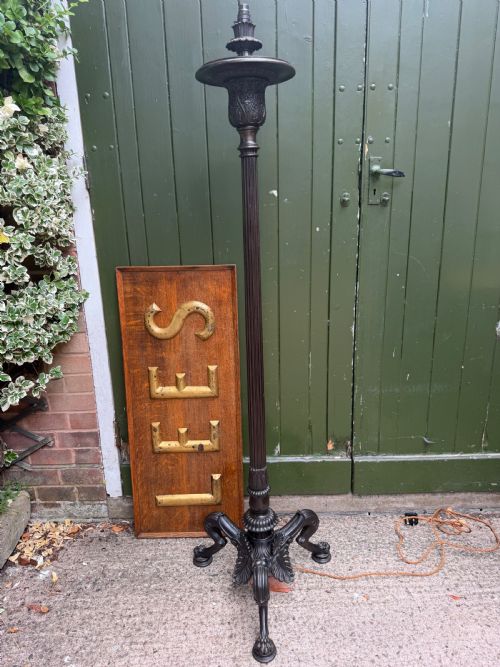
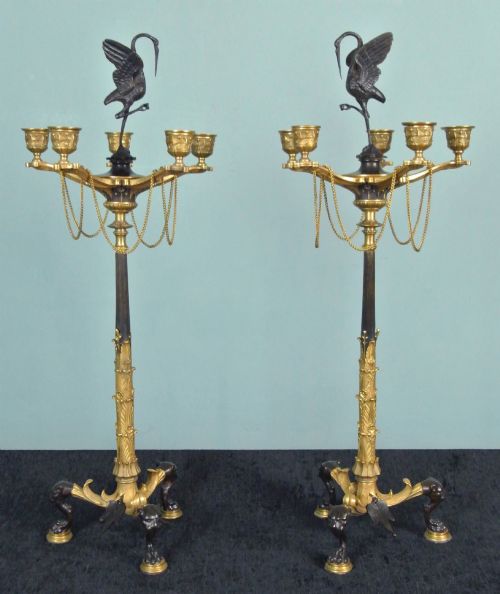
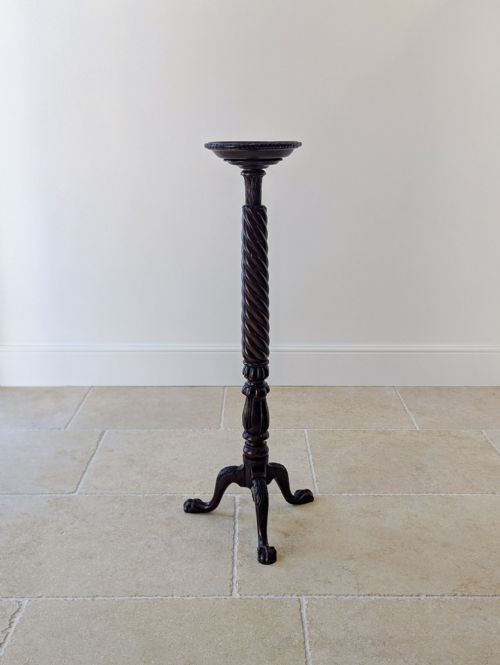
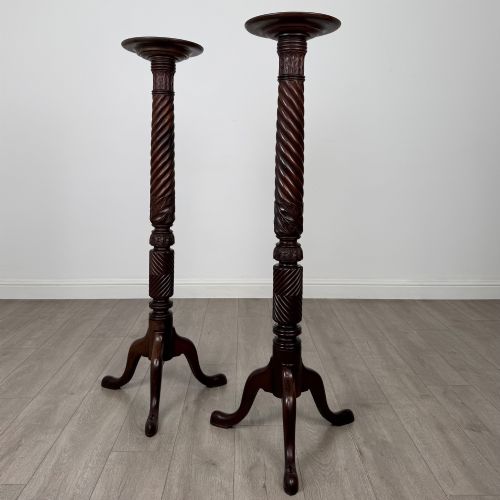
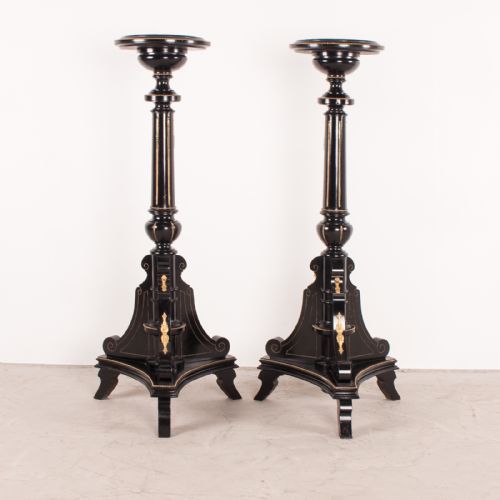
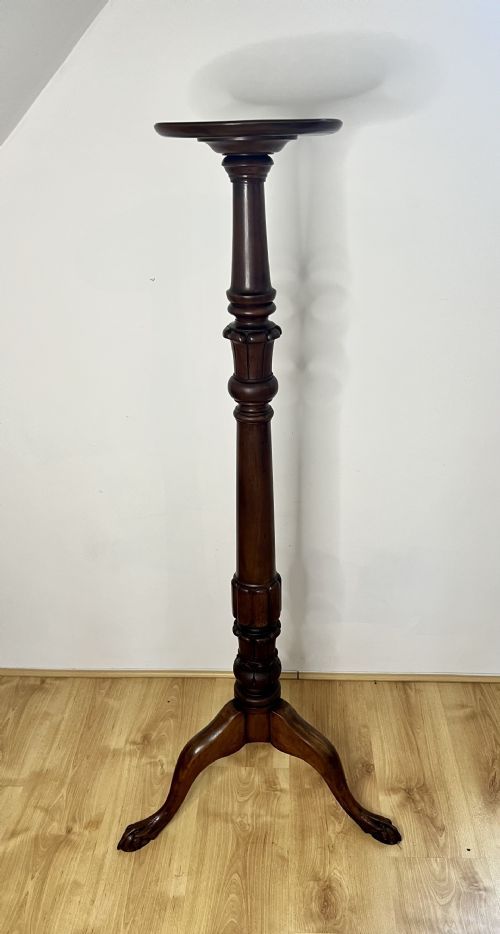
Most examples found in the listings rely on a tripod base supporting a central shaft, terminating in a small top platform. Mahogany, walnut, and oak dominate the timber variants, often accompanied by bronze and ormolu details.
Makers produced these stands for specific interior duties, whether holding a heavy urn, a bronze lamp, or a potted plant. The silhouettes range from plain turned columns to heavily carved figural designs.
Materials and Construction Techniques
Cabinetmakers utilised dense hardwoods such as mahogany and walnut, turning them on lathes to create slender fluted columns and tapered shafts. Ebonised wood also appears, offering a dense black finish that mimics more exotic materials.
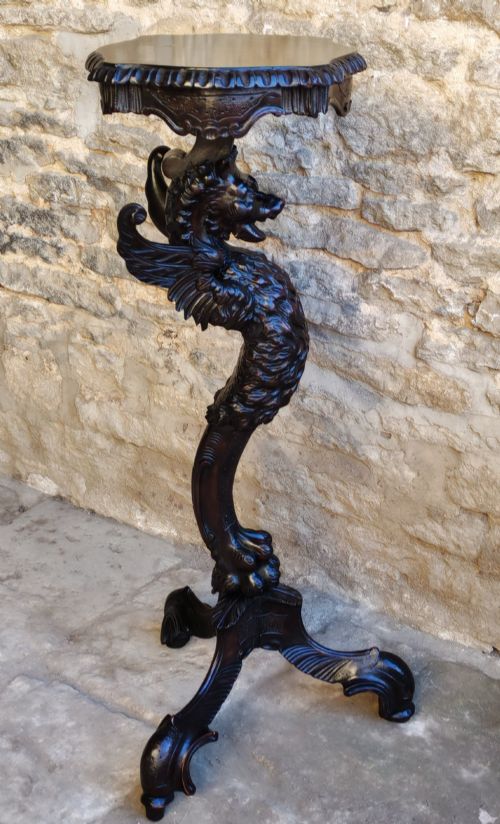
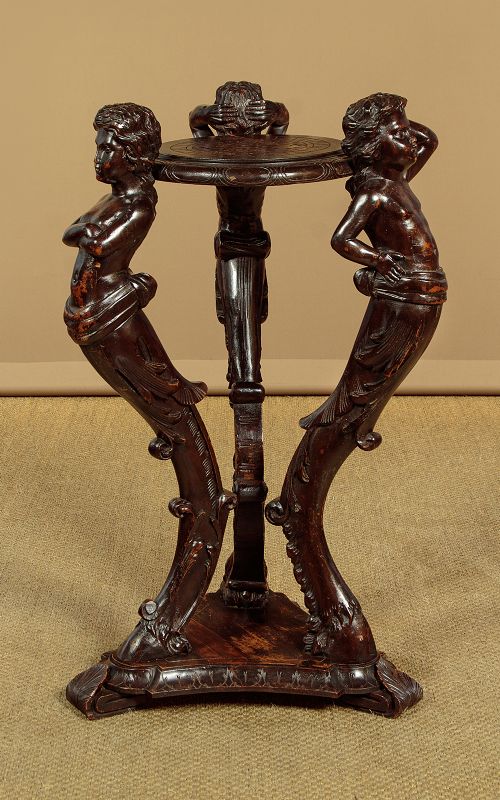
Carving was executed by hand, yielding rope twist details, acanthus leaf motifs, and figural supports like caryatids. Metal elements, including bronze and cast iron, were cast and patinated to add weight and decorative contrast at the base or capital.
Victorian Torchere Retail Price Guide 2026
Typical asking prices for victorian torchere among the pieces listed under this phrase on Sellingantiques today, from the lower quarter to the upper quarter. They describe what is for sale here now, not the wider market.
Several stands feature carved figures or mythical creatures tasked with holding up the world, or at least your potted fern.
Distinctions in Quality
Quality rests on the crispness of the hand-carving and the stability of the timber joints under load. Pieces with deep, undercut foliage and well-proportioned tripod legs represent superior workshop output.
The choice of material sets the baseline for the piece, with solid figured mahogany and fire-gilded ormolu outranking simpler pine or softwood structures.
Shoolbred·Barbedienne·Emile Picault
The Victorian Torchere Glossary
- Torchere
- A tall stand originally intended to hold a torch or candle, later adapted for lamps and plants.
- Tripod base
- A three-legged support structure designed to provide stability on uneven nineteenth-century floors.
- Ormolu
- Gilded bronze used for decorative mounts and accents on furniture and light fittings.
- Ebonised
- Timber treated with a dark stain or finish to simulate expensive ebony.
- Caryatid
- A sculpted female figure serving as an architectural support in place of a column.
Victorian Torchere: Frequently Asked Questions
What is a victorian torchere used for?
These tall stands primarily hold table lamps, heavy urns, or potted plants to raise them into the field of vision. They serve as vertical accents in corners or beside seating.
Historically, they lifted light sources or decorative sculptures above furniture level to illuminate specific zones of a Victorian room.
How do I identify a period piece?
Examine the timber shrinkage, the method of joint construction, and the type of wear on the feet and high-touch areas. Nineteenth-century examples often display hand-turned elements and patination consistent with age.
Check for older fixing methods and the absence of modern power tools in the hidden structural sections.
Where should I place a plant stand?
Position the stand in an empty corner, beside a fireplace, or framing a window where the height can break up horizontal furniture lines. Ensure the base has adequate clearance so it cannot be easily knocked over.
Pairing a tall wooden column with trailing foliage accentuates the vertical sweep of the room.
Are these stands sturdy enough for heavy lamps?
Most tripod and heavy-column variants provide substantial weight at the base to balance top-heavy items like bronze lamps or large planters. Solid hardwood construction handles the downward load securely.
Heavier cast metal or marble-topped variants offer extra stability for delicate or high-value ornaments.