



Victorian Tin Box
When you seek a victorian tin box, you encounter metal containers and storage forms made for military, legal, and domestic life.
Victorian Tin Box
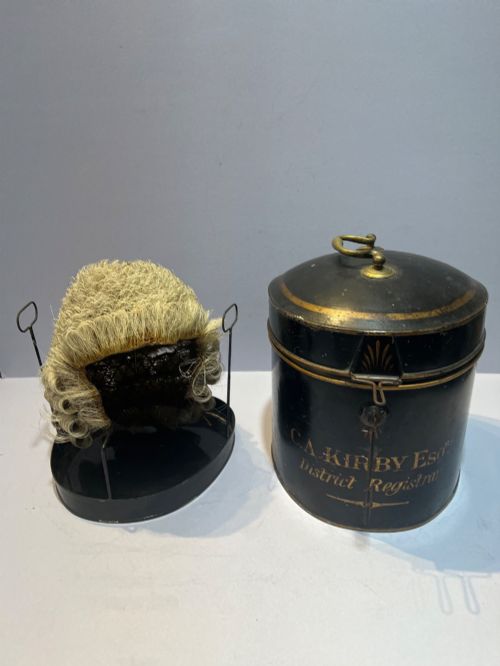
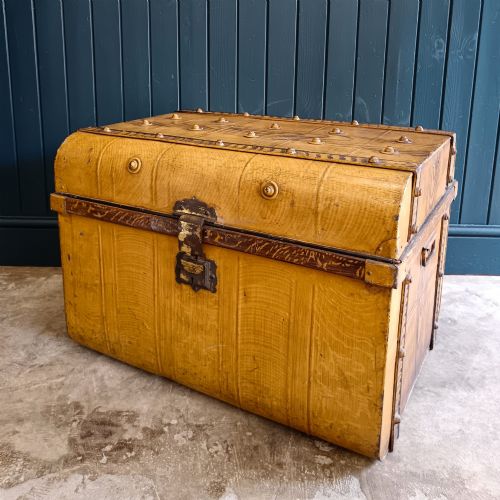
A victorian tin box encompasses a varied group of metal containers designed for storage, transport, and daily use during the nineteenth century and the early twentieth century. These objects include biscuit boxes, hat boxes, trunks, tea canisters, and snuff boxes originating from domestic, military, and legal contexts.
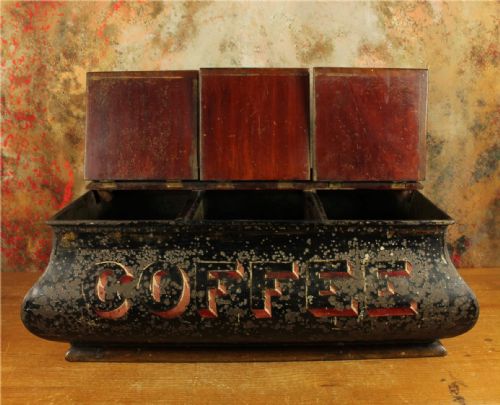
Buyers frequently meet painted toleware, metal trunks, and decorated biscuit tins manufactured by prominent firms or local tinsmiths. The forms range from modest pocket snuff boxes to large travelling trunks and military hat boxes fashioned for officers.
The materials span basic iron and tin alongside brass, silver plate, and painted finishes designed to imitate wood or tortoiseshell. Folk art barge wear and novelty shapes further broaden the selection available on this page.
How they were made
Makers formed these containers from sheet metal such as iron and tin, frequently applying lead-free solders and hinged brass rims to secure the joints. Surfaces were often treated with paint, lacquer, or toleware finishes to protect the metal and create decorative patterns.
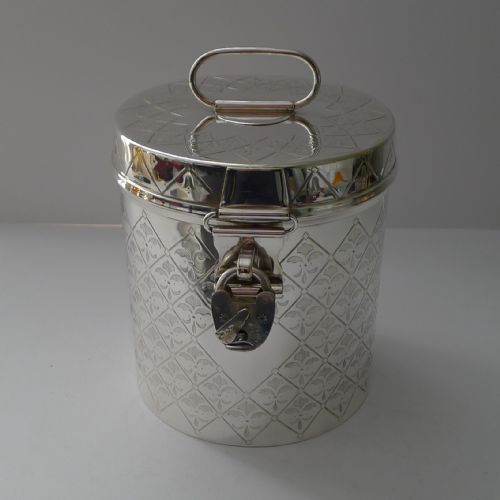
Engraving and hand decoration appeared on smaller pocket items like brass snuff boxes, while larger trunks and hat boxes utilised faux finishes to imitate wood grain or tortoiseshell. Silver plating was also applied to elaborate biscuit boxes intended for formal dining rooms.
Victorian Tin Box Retail Price Guide 2026
Typical asking prices for victorian tin box among the pieces listed under this phrase on Sellingantiques today, from the lower quarter to the upper quarter. They describe what is for sale here now, not the wider market.
What varies in quality
The standard of a victorian tin box rests upon the crispness of its hand-painted decoration, the integrity of its soldered joints, and the survival of its original surface finish. Pieces bearing maker details or specific regimental connections display higher craftsmanship than utilitarian workshop items.
Wear to painted surfaces, lacquering, and silver plate alters the visual appeal, though original patination remains essential. Substantial hardware, working locks, and structural rigidity distinguish superior trunks and biscuit barrels from simpler domestic storage.
Mappin and Webb·Eade and Son·Ravenscroft Law·Hawkes and Co·Huntley and Palmers·Peek Frean and Co·Nathaniel Mills·John Grinsell and Sons
The Victorian Tin Box Glossary
- Toleware
- Painted or lacquered metalware manufactured on a tinplate base. This technique allowed makers to produce durable household items decorated with floral motifs or faux finishes.
- Biscuit box
- A lidded container designed to hold dry biscuits on the dining table. These vessels were produced in silver plate, ceramic, and decorated metal by commercial makers.
- Snuff box
- A small pocket-sized container used for holding powdered tobacco. They were fashioned from materials like brass, pewter, and silver plate with hinged lids.
- Bicorn
- A historical form of cocked hat worn by military officers and officials. They required specialised metal hat boxes for secure storage and transport during travel.
Victorian Tin Box: Frequently Asked Questions
What were victorian tin boxes used for?
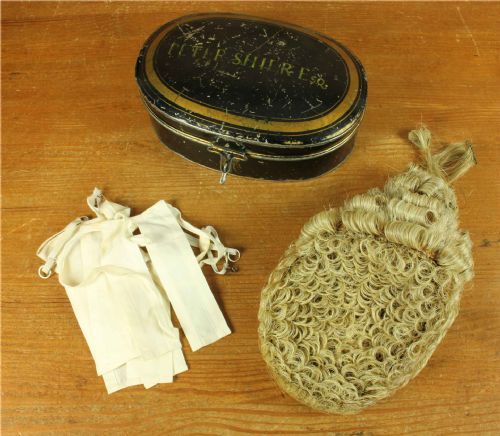
These metal containers served practical everyday functions such as storing legal wigs, tea, biscuits, and snuff. Larger versions acted as travelling trunks and military hat boxes for officers on the move.
Domestic households also relied on painted metal canisters and toleware boxes to keep dry goods secure and tidy. Each trade and profession utilised specific designs suited to its daily routine.
How do I identify a victorian tin box?
Examination of the materials, construction methods, and surface decoration helps determine the age and origin of a metal container. Look for soldered joints, hand-painted toleware finishes, and traditional brass hardware characteristic of the period.
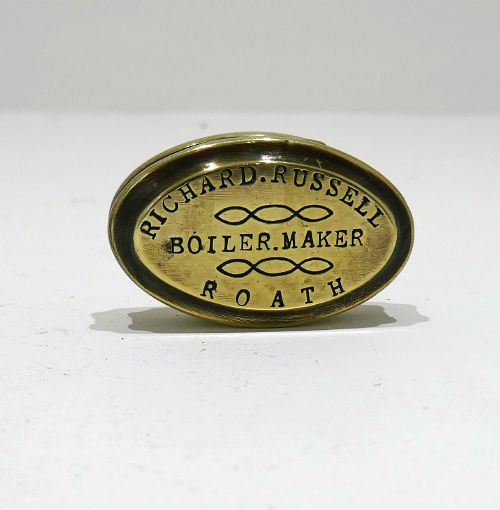
Maker marks, stamped names, and engraved inscriptions on the metal or lining often point directly to specific firms, makers, or military regiments.
How should I clean a painted tin box?
Dust the surface gently with a soft, dry cloth to remove loose particles without disturbing old paint or lacquer. Avoid using abrasive cleaning agents, modern polishes, or excessive water on decorated metal surfaces.
Preserving the original patina and hand-painted details maintains the historical character and visual appeal of the piece over time.
Are these tins safe for food storage?
Antique metal containers from the nineteenth century were not manufactured to modern food safety standards and often contain soldered joints. It is best to treat them as decorative display items or use them for non-perishable dry storage rather than direct food contact.
Checking the interior for rust, flaking paint, or residue ensures you understand the condition of the metal before placing any items inside.