






Victorian Timber Box
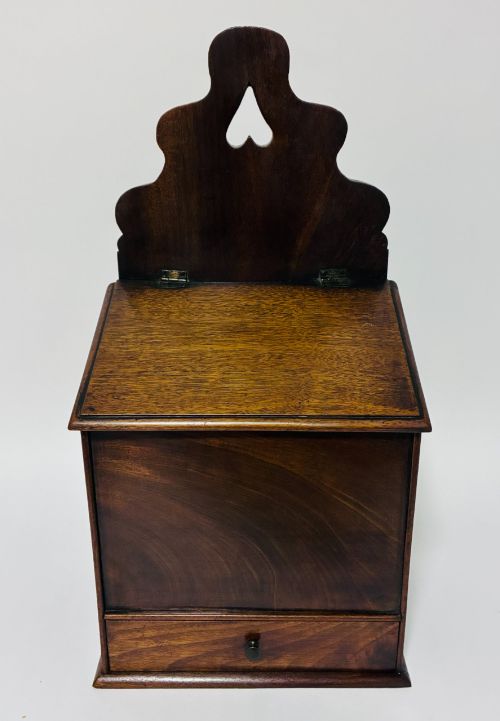
When you search for a victorian timber box, you find practical storage and intricate treen shaped from rosewood, camphor wood, and mahogany.
Victorian Timber Box
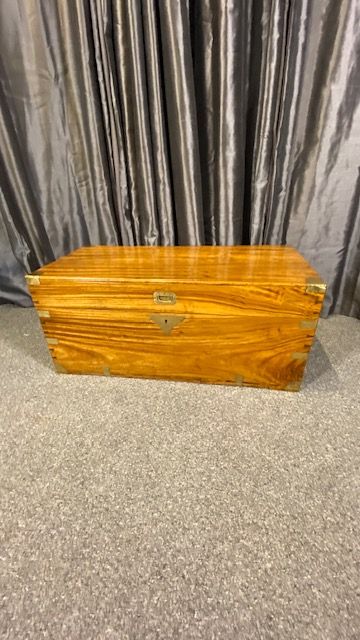
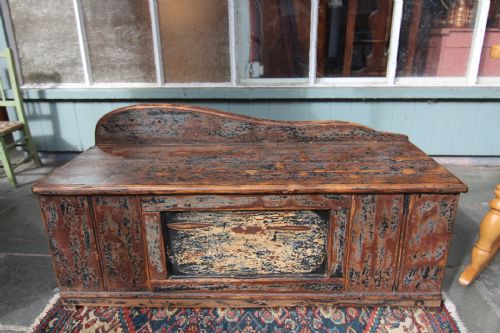
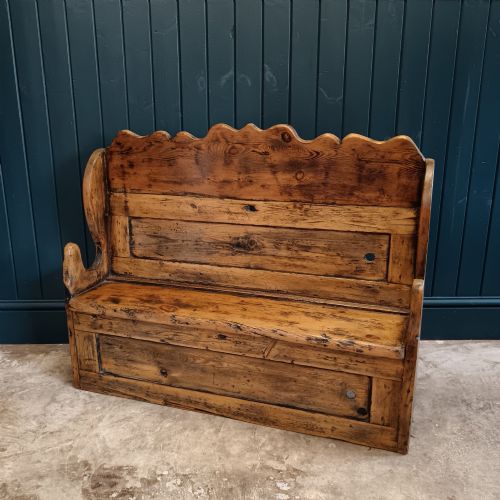
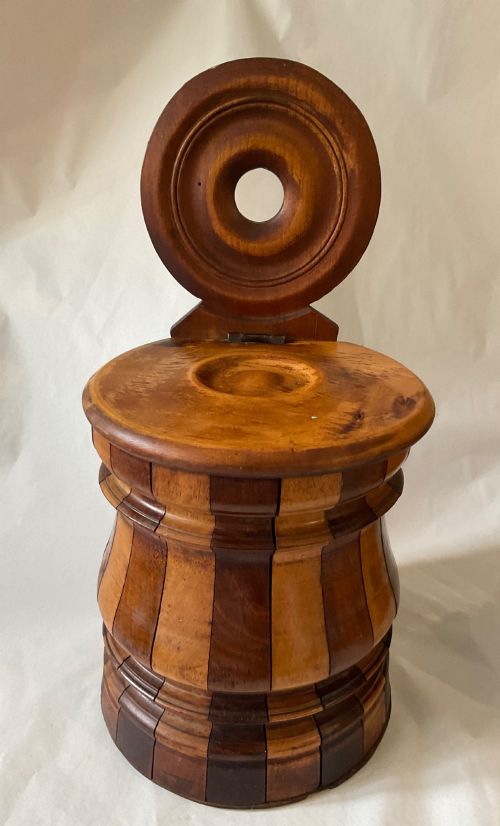
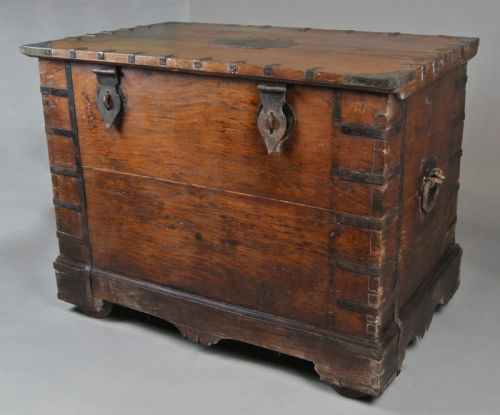
A victorian timber box spans everything from large camphor wood campaign chests and pine blanket boxes to intimate rosewood tea caddies and carved walnut snuff boxes. The smaller items served personal uses on desks and dressing tables, whilst larger trunks and chests provided robust storage for travel and household goods.
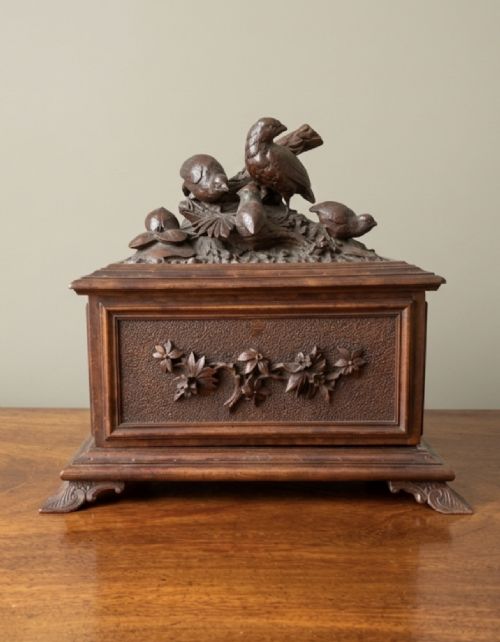
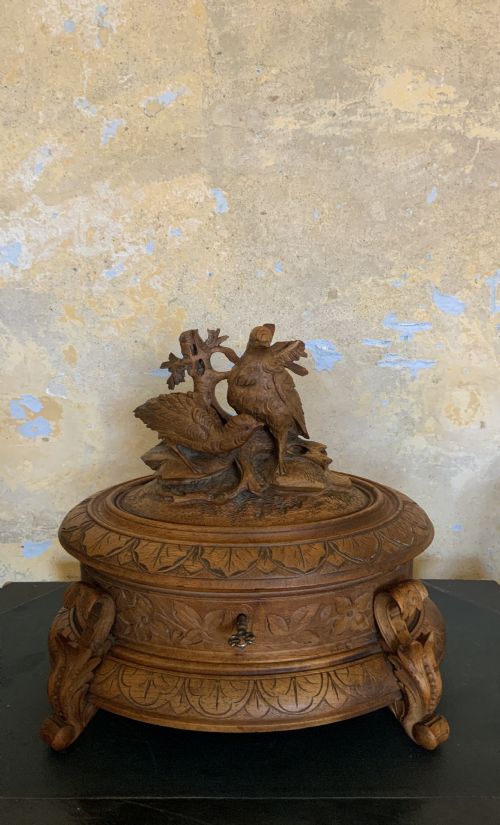
Most examples hail from the nineteenth century, encompassing Victorian craftsmanship alongside earlier Regency pieces and later Edwardian work. Buyers encounter utilitarian pine and elm alongside highly decorative pieces featuring Tunbridge ware, marquetry, and Black Forest carvings.
How they were made
Cabinet makers utilised dense hardwoods like mahogany, rosewood, coromandel, and burr walnut, often pairing them with sturdy secondary timbers such as pine and elm. Brass banding, corner reinforcement, and flush-fitting handles were standard for campaign chests and trunks destined for travel.
Surface decoration relied on specialist techniques including intricate micro-mosaic Tunbridge ware, fine marquetry inlay, and deep hand-carving seen in Black Forest caskets and humidors. Solid construction methods employed dovetail joints for drawers and boxes to ensure long-term durability.
Victorian Timber Box Retail Price Guide 2026
Typical asking prices for victorian timber box among the pieces listed under this phrase on Sellingantiques today, from the lower quarter to the upper quarter. They describe what is for sale here now, not the wider market.
Listings feature woods such as camphor, amboyna, burr maple, and coromandel alongside traditional mahogany and oak.
What varies in quality
Quality rests on the selection of timber veneers and the precision of the joinery, particularly in how neatly marquetry or brass banding is integrated into the box carcass. Superior items exhibit crisp, deep hand-carving and well-fitted internal compartments rather than hurried assembly or painted grain effects.
The sophistication of the hardware and the integrity of the original finish dictate the standing of a piece. Boxes retaining their fitted interiors, original locks, and keys command greater appreciation among collectors than those stripped of their internal fittings.
Henry Hollamby
The Victorian Timber Box Glossary
- Campaign chest
- A modular chest of drawers or trunk made in two or more sections with recessed brass handles and corner brackets designed for easy transport by military officers.
- Tea caddy
- A small lidded box constructed to store loose tea leaves, often featuring internal compartments and a lock to protect an expensive household commodity.
- Treen
- Small handmade wooden household objects such as snuff boxes, nutmeg graters, and spice towers shaped by turners and carvers.
- Tunbridge ware
- A distinct form of decorative woodworking originating from Kent, characterised by tiny mosaic tiles assembled from different coloured woods to form pictorial or geometric designs.
- Marquetry
- The art of applying thin decorative veneers of various timbers to a wooden structure to create elaborate patterns and pictures.
Victorian Timber Box: Frequently Asked Questions
What were camphor wood trunks used for?
Camphor wood trunks served as travel chests for British officers and travellers moving possessions across the empire. The dense, fragrant timber protected stored clothing and textiles from insect damage during long sea voyages.
Today, these robust chests function well as storage furniture or coffee tables in living spaces. Their distinctive aromatic wood continues to keep stored blankets and linens fresh.
How do I care for a rosewood tea caddy?
Keep wooden tea caddies away from direct sunlight and radiators to prevent the rosewood veneer from drying out and cracking. An occasional application of appropriate wax polish maintains the lustre of the polished surface.
Avoid placing damp items inside the velvet or paper-lined interior compartments. Gentle dusting with a dry microfibre cloth is sufficient for routine maintenance.
What is the difference between a tea caddy and a tea poy?
A tea caddy is a portable box designed to sit on a table or sideboard, housing loose tea leaves in separate internal canisters. It could be locked to secure expensive teas from household staff.
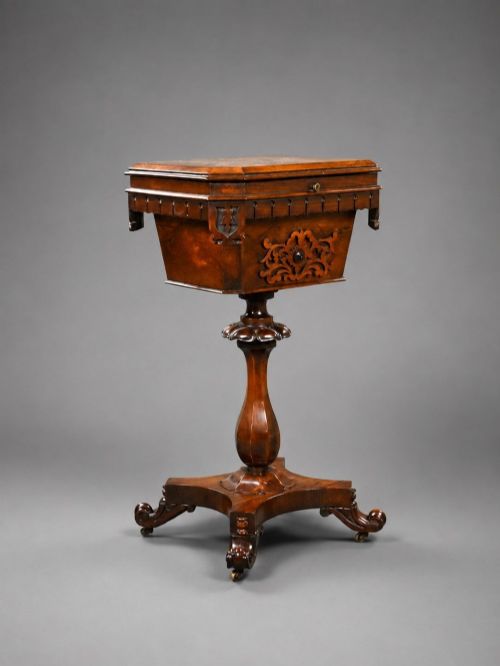
A tea poy is a larger, freestanding piece of furniture featuring a lidded storage box mounted on a pillar and base, often incorporating work bags or sliding trays beneath.
How can I tell a Black Forest carved box?
Black Forest carvings are typically rendered in walnut or lindenwood, featuring deeply textured motifs of animals, foliage, and rustic scenes. Figures such as bears and dogs often feature prominently on tobacco boxes, humidors, and caskets.
The regional Swiss and German style displays vigorous hand-tooling and naturalistic forms rather than formal geometric marquetry. These pieces usually date from the mid-nineteenth century to around nineteen hundred.