



Victorian Tiers
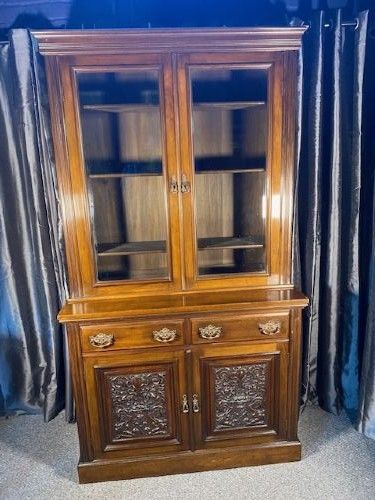
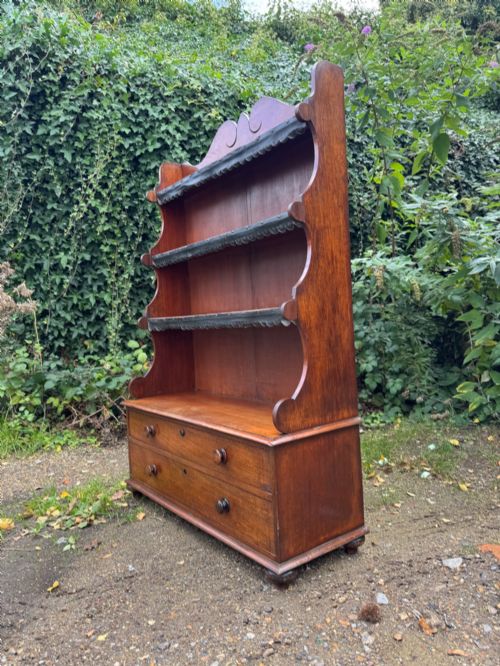
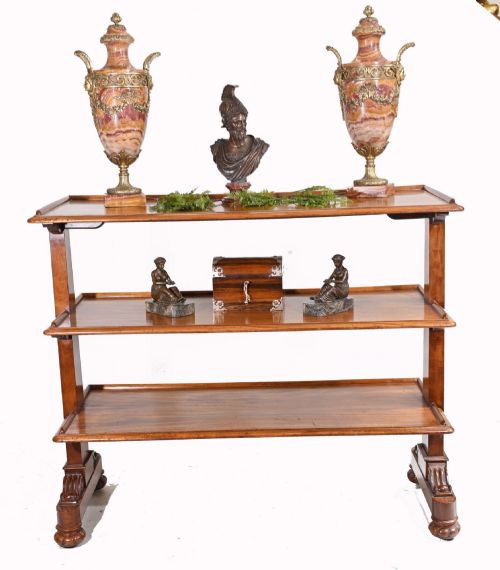
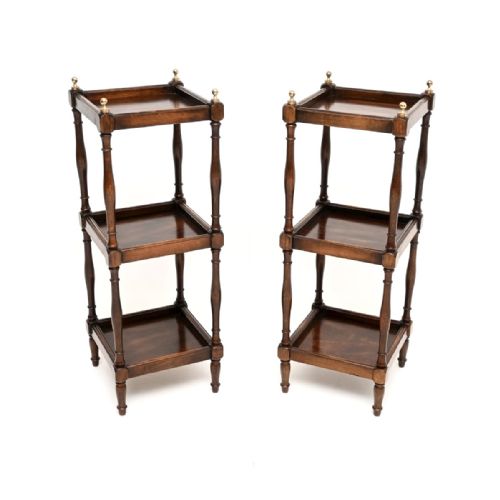
Victorian tiers bring layered surfaces into a room, offering practical display space through stacked wooden shelves and brass galleries.
Victorian Tiers
When you search for victorian tiers, you encounter multi-leveled furnishings designed to hold books, plants, and decorative objects in nineteenth-century interiors.
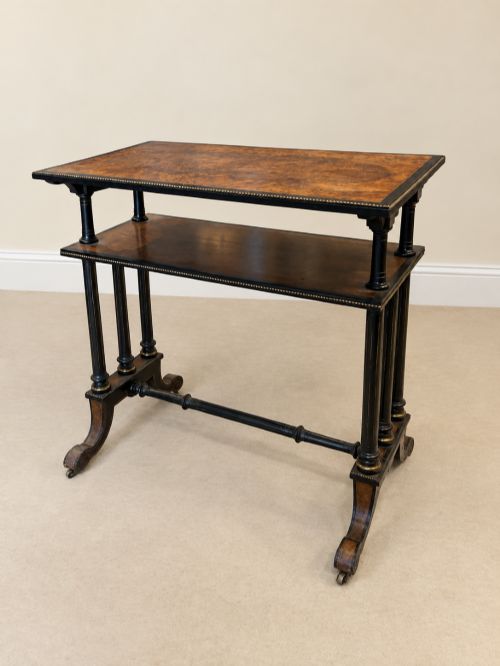
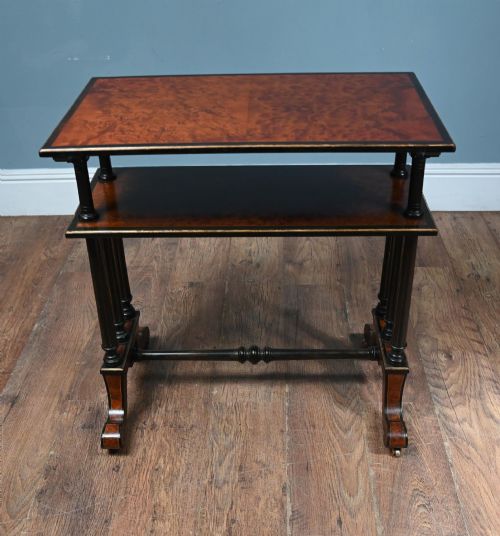
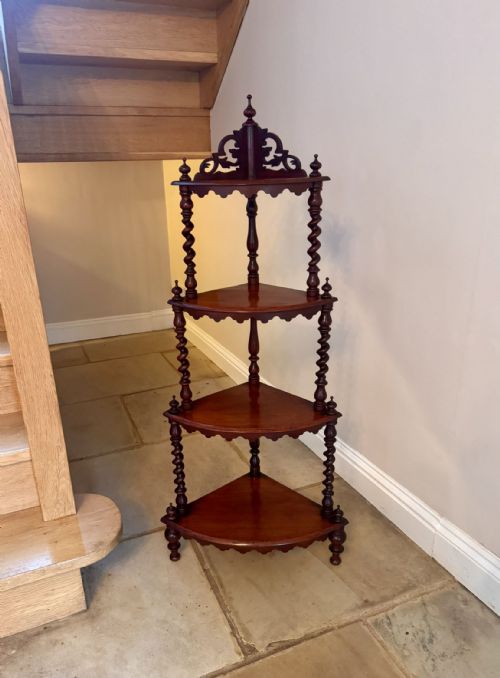
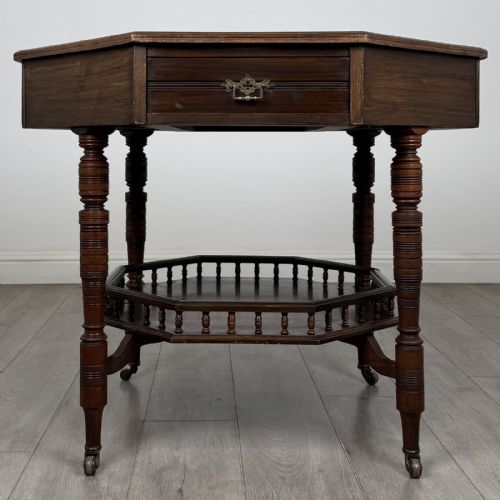
The most common versions on this page are whatnots, étagères, and multi-shelf occasional tables spanning the mid-nineteenth century to the early twentieth century.
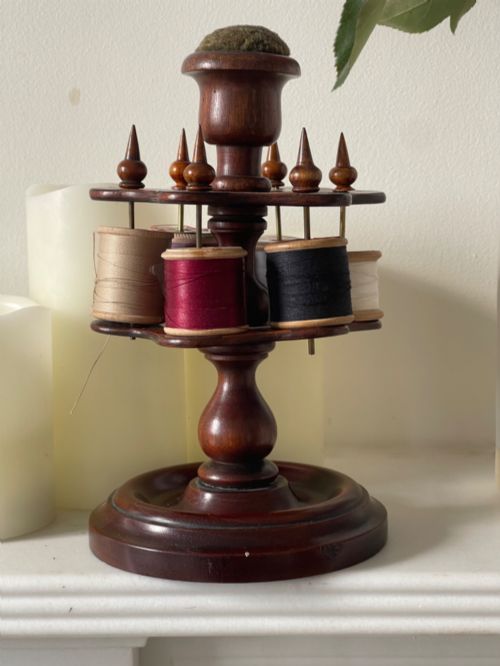
These tiered forms appear in various configurations, including freestanding corner units, wall-hanging shelves, and revolving bookcases.
Materials and construction
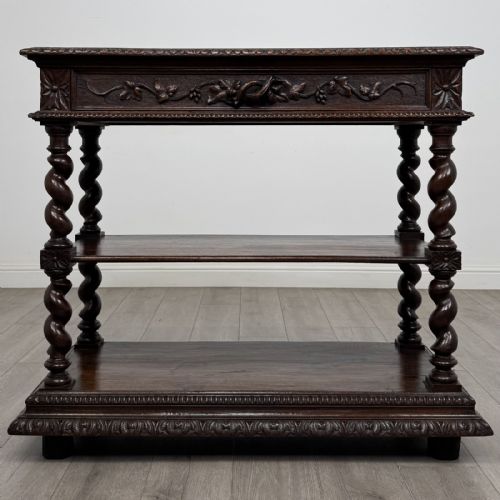
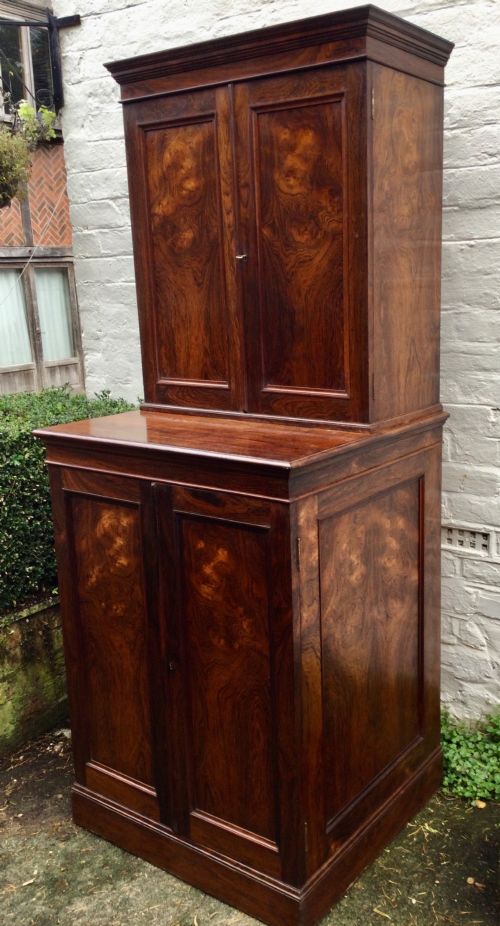
Cabinetmakers relied heavily on timbers like mahogany, burr walnut, and oak, often shaping them into graduated tiers supported by turned columns or slender uprights.
Many pieces incorporate brass details such as galleries, castors, and mounts, while others utilise bamboo, rattan, and ebonised finishes to achieve lighter or exotic aesthetic effects.
Victorian Tiers Retail Price Guide 2026
Typical asking prices for victorian tiers among the pieces listed under this phrase on Sellingantiques today, from the lower quarter to the upper quarter. They describe what is for sale here now, not the wider market.
Period forms span from mid-nineteenth-century side tables to early twentieth-century revolving bookcases and étagères.
Distinctions in craftsmanship
Superior examples reveal themselves through finely figured timber veneers, precise marquetry inlay, and robust structural joints that keep multiple shelves level.
The finesse of turned supports, the crispness of fretwork carving, and the weight of cast brass fittings separate standard utilitarian pieces from exhibition-grade creations.
James Shoolbred
The Victorian Tiers Glossary
- Whatnot
- A piece of furniture consisting of open shelves for displaying ornaments or books, developed in the nineteenth century. These multi-tiered units stand on legs and often fit into corners or against walls.
- Étagère
- A French term for a piece of furniture with a set of open shelves for displaying small objects. This form frequently uses exotic materials like bamboo or satinwood.
- Brass gallery
- A decorative pierced metal rail fitted around the edge of a shelf to keep items from sliding off. This detail appears frequently on nineteenth-century lamp tables and side tables.
- Canterbury
- A low, open-partitioned stand originally designed for holding sheet music or loose folios. Victorian iterations often combine this compartment base with upper display tiers.
- Pierced fretwork
- Ornamental woodwork cut through with a pattern using a fretsaw. This technique creates delicate, openwork friezes on the sides and backs of shelves.
Victorian Tiers: Frequently Asked Questions
What are victorian tiers used for?
These tiered furnishings were originally designed to display ornaments, books, and collections in nineteenth-century parlours and drawing rooms.
Today, they function well as lamp tables, plant stands, or corner display units in modern homes.
How do I identify a nineteenth-century whatnot?
Look for stacked wooden shelves supported by turned pillars or vertical spindles, often featuring a small drawer at the base.
Examine the timber underneath and the joinery methods to confirm nineteenth-century production.
Where do I place a tiered table?
These pieces suit tight spaces, making them effective as bedside surfaces, hallway stands, or corner accents.
Freestanding models also anchor the centre of a room when laden with books or ceramic vessels.
How do walnut and mahogany compare?
Mahogany offers a dense, reddish-brown grain that holds structural lines firmly, while burr walnut presents rich, swirling patterns.
Both timbers received high favour among Victorian cabinetmakers for multi-tiered furniture.