
Victorian Tiered Bookcase
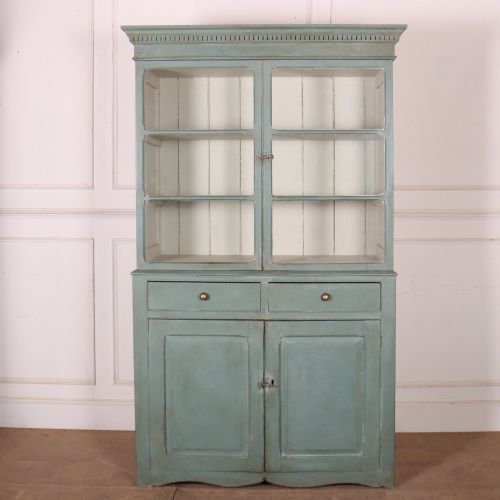
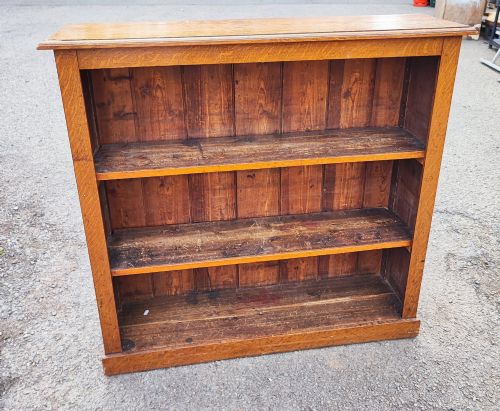
A Victorian tiered bookcase delivers open display and practical storage, bringing layered shelving of mahogany, walnut or oak into the room.
Victorian Tiered Bookcase
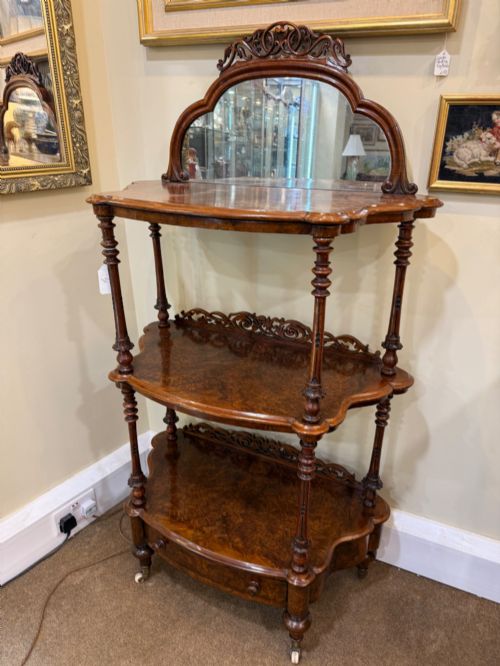
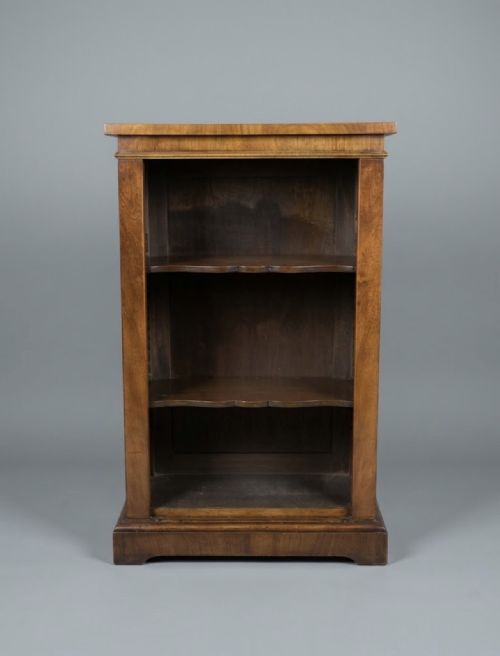
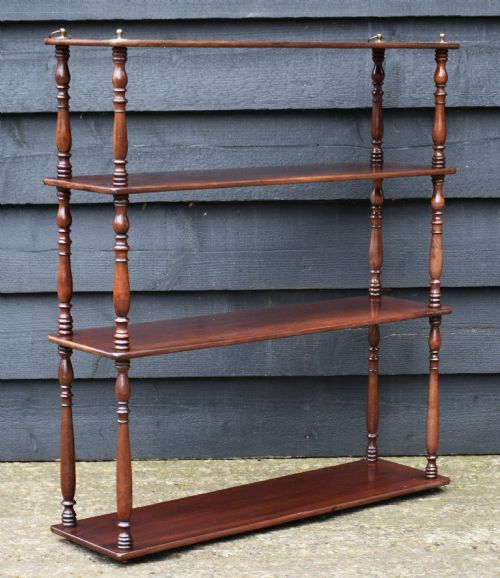
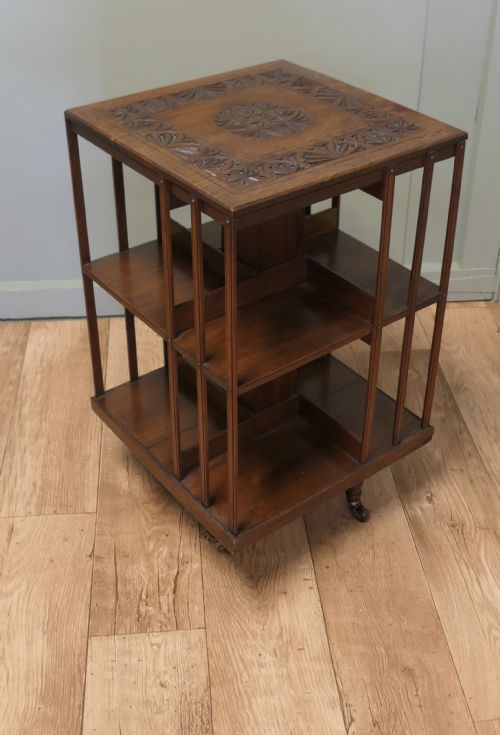
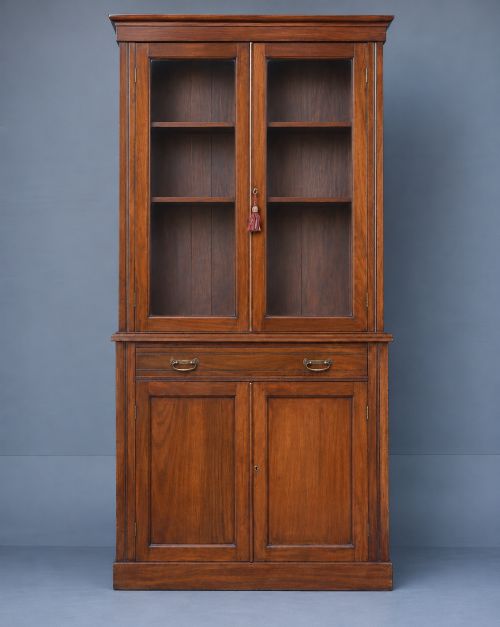
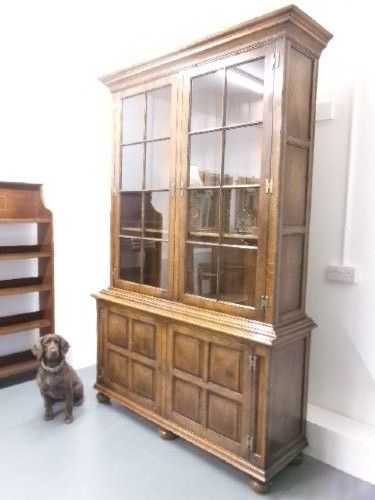
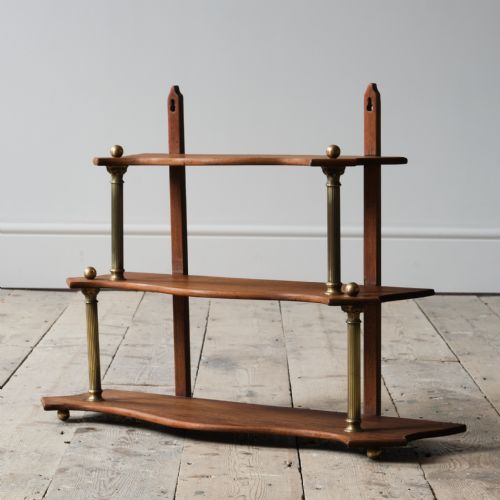
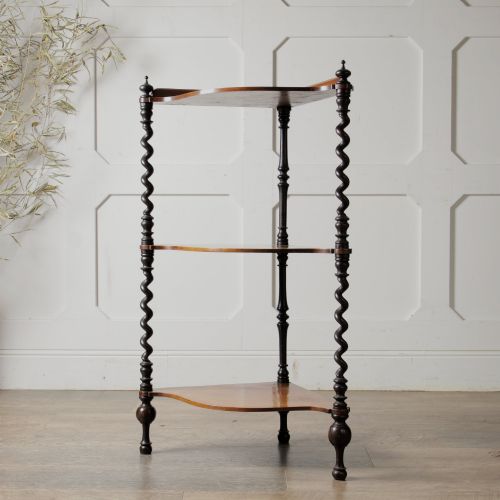
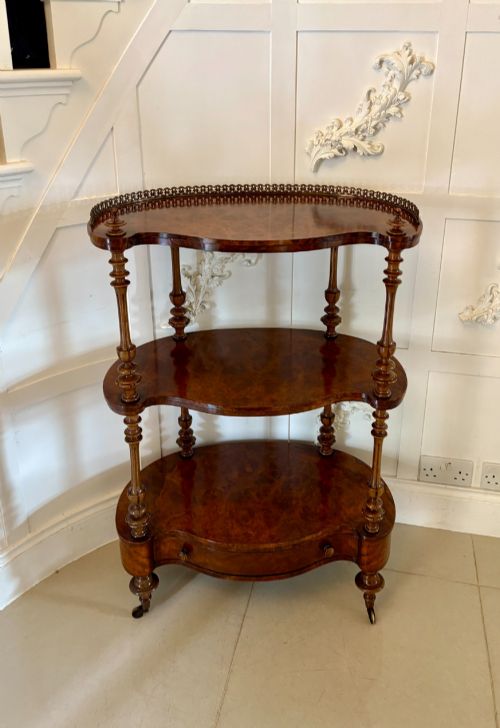
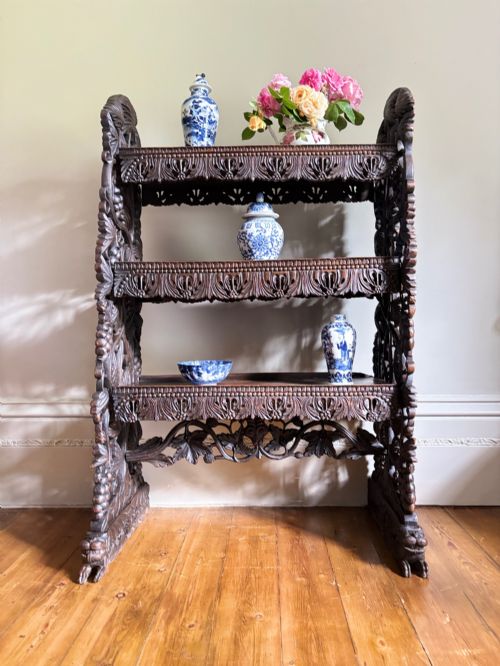
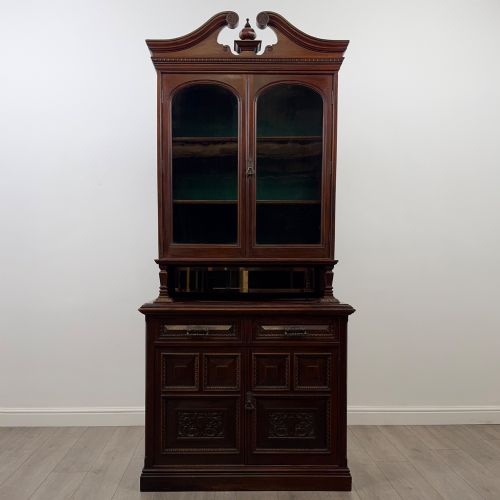
A victorian tiered bookcase encompasses multi-level open shelving units, whatnots, revolving bookcases, and wall hanging shelves originating primarily from the nineteenth century. These pieces provide vertical tiers for books and display objects, structured as standing units or wall-mounted shelves.
How they were made
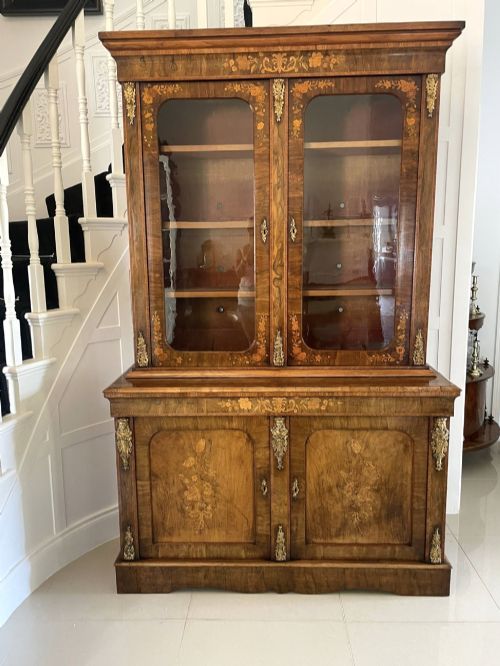
Cabinet makers utilised dense hardwoods such as mahogany, walnut, rosewood, and oak, frequently employing veneers like burr walnut and flame mahogany for visual depth. Structural elements incorporated brass castors, gilt metal mounts, or iron mechanisms in revolving designs.
Joinery techniques ranged from traditional cabinet construction for standing bookcases to turned supports, barley twist columns, and tiered platforms fixed securely together. Surfaces received polished finishes, wax, or marquetry inlay to accentuate the grain of the wood.
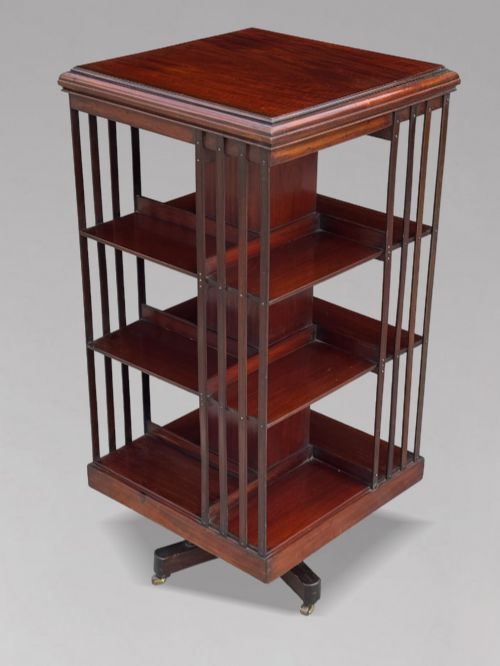
Some revolving bookcases let you spin your entire library with a gentle nudge.
What varies in quality
Quality differentiates through the selection of timber figures, such as burr walnut or flame mahogany veneers, alongside the precision of marquetry inlay and gilt mounts. Pieces finished with detailed carving, serpentine shapes, or robust revolving mechanisms demonstrate superior workshop execution.
Construction integrity distinguishes standard utilitarian shelving from finer parlour furniture. Solid secondary woods, neatly joined tiers, and original brass hardware or castors elevate the standing of a piece within its period.
Howard & Sons
The Victorian Tiered Bookcase Glossary
- Whatnot
- An open set of tiered shelves designed for displaying ornaments, books, or small objects, popular throughout the nineteenth century.
- Revolving bookcase
- A low, freestanding bookcase mounted on a rotating pivot mechanism that allows easy access to books from all sides.
- Waterfall bookcase
- A set of open shelves where each tier steps back progressively from the bottom to the top, creating a cascading profile.
- Marquetry
- Decorative veneer work arranged in geometric or floral patterns using contrasting woods laid onto a solid carcase.
Victorian Tiered Bookcase: Frequently Asked Questions
What is a tiered bookcase?
A tiered bookcase is a multi-level shelving unit designed to hold books and display decorative items across several vertical stages.
These pieces appear in formats ranging from revolving floor units to stationary wall shelves and open wooden bookcases.
How do I date a bookcase?
Dating relies on identifying timber choices, construction methods, and stylistic details typical of periods like the Victorian or Edwardian eras.
Secondary woods, fastening types, and decorative additions such as brass mounts or turning styles help narrow the manufacturing timeframe.
Where should I place a whatnot?
Whatnots work effectively in living spaces, studies, or hallways where open tiers can hold books, ceramics, or small collections.
Their compact footprint allows them to fit against walls or into corners without dominating the room.
What woods were commonly used?
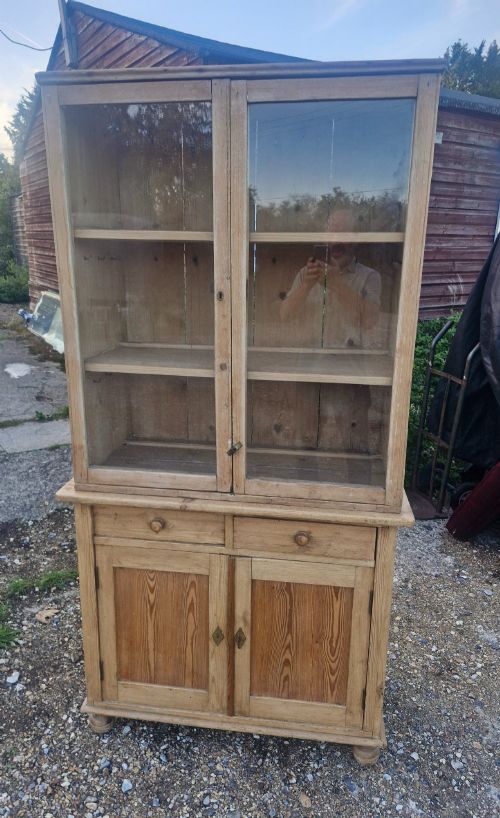
Cabinet makers predominantly used mahogany, walnut, oak, and pine, often incorporating decorative veneers like burr walnut.
Rosewood and bamboo also appear in specific pieces, sometimes paired with brass, iron, or glass components.