




Victorian Telescopic Table
A victorian telescopic table offers clever mechanical extension for dining and utility, bridging period craftsmanship with practical modern living.
Victorian Telescopic Table
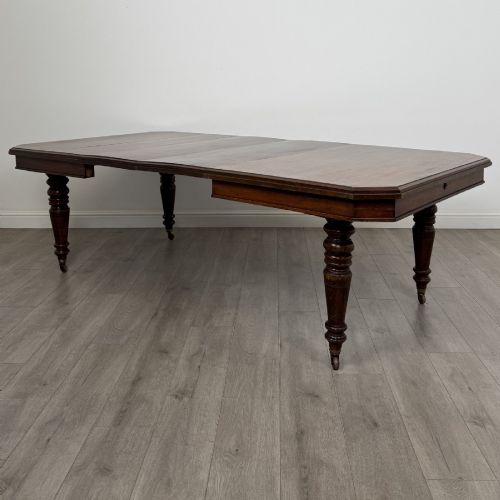
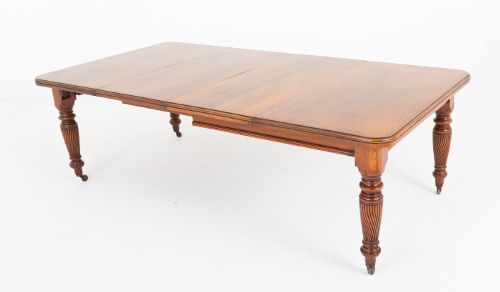
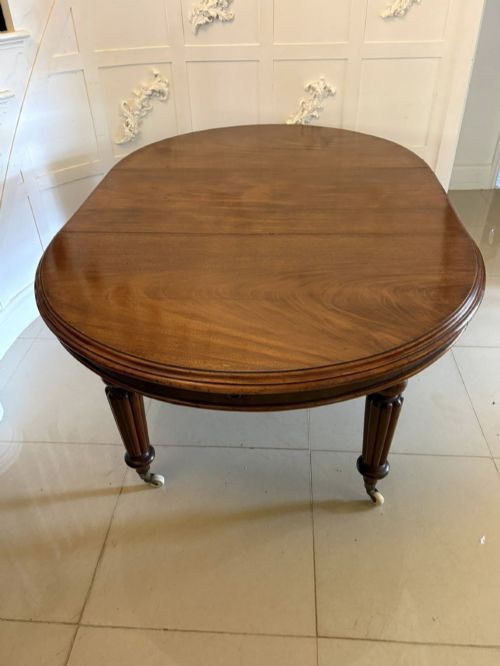
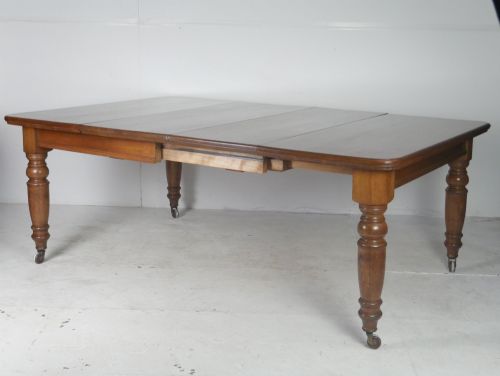
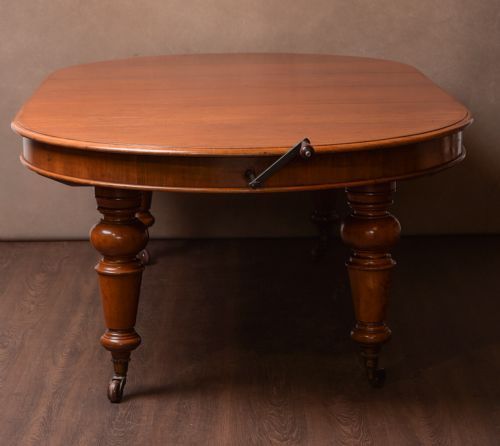
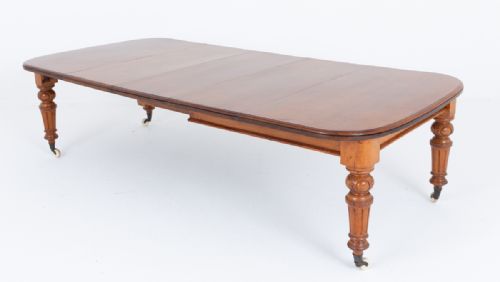
A victorian telescopic table primarily appears as a substantial dining table designed to expand using internal mechanisms and additional leaves. These pieces emerge predominantly from the nineteenth century, reflecting an era of entertaining and adaptability in domestic spaces.
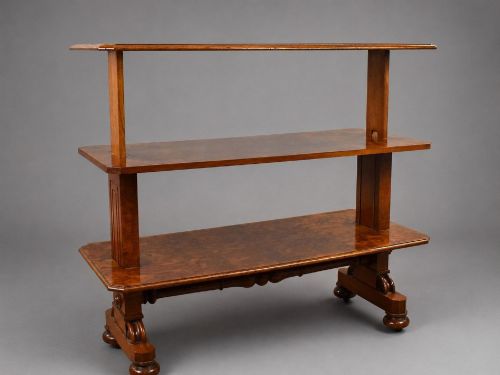
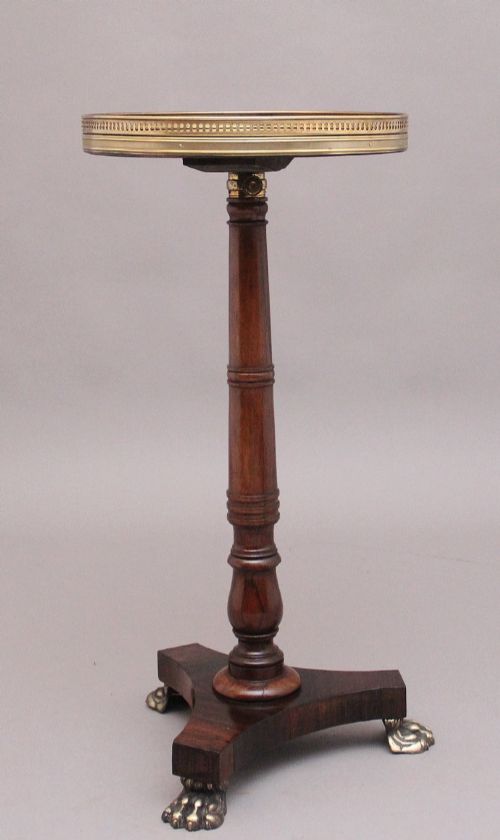
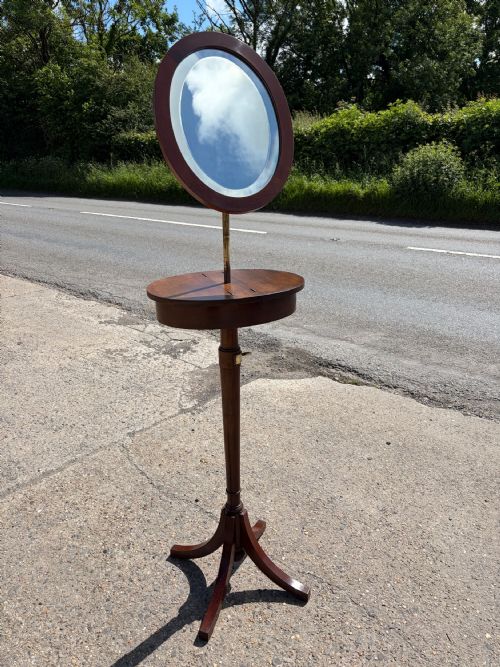
Beyond large dining furniture, the category encompasses diverse forms such as occasional tables, dumbwaiters, shaving mirrors, and floor lamps. Buyers frequently encounter mahogany dining tables alongside walnut, oak, and occasional pieces featuring adjustable height or length.
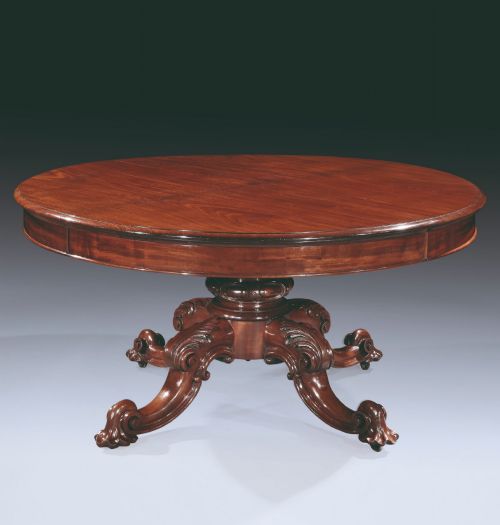
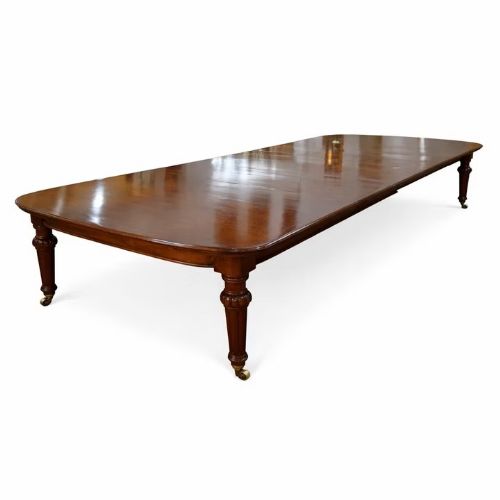
The selection ranges from compact circular tables to massive imperial dining tables spanning many feet. Craftsmanship spans standard Victorian production to exhibition quality pieces bearing maker signatures.
Factors That Determine Quality
The sophistication of the internal mechanism dictates much of the distinction between standard production and exhibition quality work. Smooth operation of wind-out systems and the precise fit of original leaves separate superior examples from simpler constructions.
Timber selection and surface figure drive the aesthetic value of the piece. Well-figured mahogany, burr walnut, and robust brass fittings elevate the visual presence of dining tables, lamps, and mirrors alike.
Victorian Telescopic Table Retail Price Guide 2026
Typical asking prices for victorian telescopic table among the pieces listed under this phrase on Sellingantiques today, from the lower quarter to the upper quarter. They describe what is for sale here now, not the wider market.
Gillows·F and J Smith
The Victorian Telescopic Table Glossary
- Telescopic
- Descriptive of an object that adjusts in height or length through nested sliding sections or internal mechanisms. This engineering allows items like lamps and stands to alter their profile.
- Wind-out mechanism
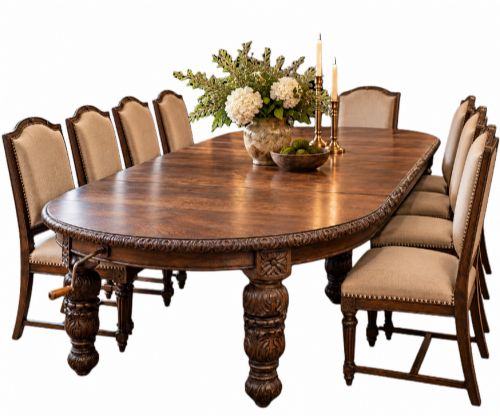
- A mechanical system operated by a handle that expands or contracts a dining table to accommodate extra leaves. It relies on internal screws and tracks concealed beneath the top.
- Imperial table
- A large-scale dining table designed for substantial seating capacity, often associated with prominent cabinet makers. These pieces frequently measure many feet in length.
- Figured mahogany
- Timber exhibiting distinctive grain patterns such as flame, curl, or fiddleback. Cabinet makers selected these decorative boards for prominent exterior surfaces.
- Ormolu
- Gilded bronze applied to furniture and decorative objects for ornamentation. It appears alongside stone and metal on specialised Victorian furnishings.
Victorian Telescopic Table: Frequently Asked Questions
How do wind-out tables work?
Wind-out tables operate using a concealed screw mechanism turned with a detachable handle. This internal system pulls the table sections apart to allow the insertion of additional leaves.
As the handle turns, metal tracks guide the movement to ensure the top remains level and aligned. This clever engineering replaced earlier drop-in leaf designs with a more integrated approach.
How do I care for a mahogany table?
Mahogany surfaces require regular dusting with a soft, dry cloth to prevent grit accumulation. Maintaining stable indoor humidity protects the timber and internal mechanisms from warping.
Applying quality beeswax periodically nourishes the wood and preserves its depth of colour. Avoid placing hot items or liquids directly on the polish to prevent staining.
Are all extending tables Victorian?
While many extending tables date from the Victorian period, the style spans from the Regency era through to the early twentieth century. Makers continued traditional wind-out methods across multiple decades.
Examining the timber, fixings, and mechanical components helps determine the exact period of manufacture. Earlier examples often feature simpler frames, whereas mid-Victorian pieces refined the geared mechanism.
What are telescopic stands used for?
Telescopic stands adjust in height to suit different domestic tasks or lighting requirements. Floor lamps, shaving mirrors, and candlesticks utilised this technology for versatility.
In practical use, a thumbscrew or internal spring allowed the user to raise or lower the shaft securely. This adaptability made them essential accessories in nineteenth century rooms.