



Victorian Tea Pot
When you search for a victorian tea pot, you enter a world of varied metals and ceramics designed for the nineteenth-century table.
Victorian Tea Pot
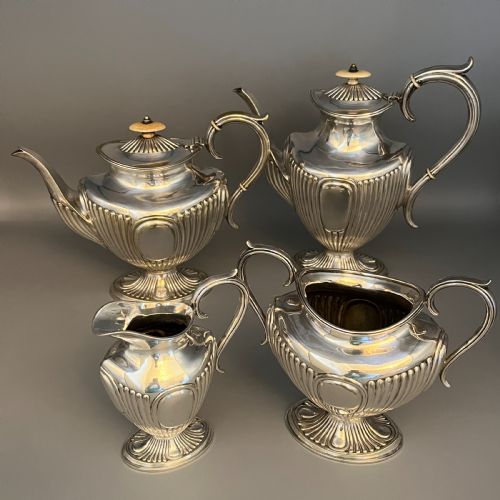
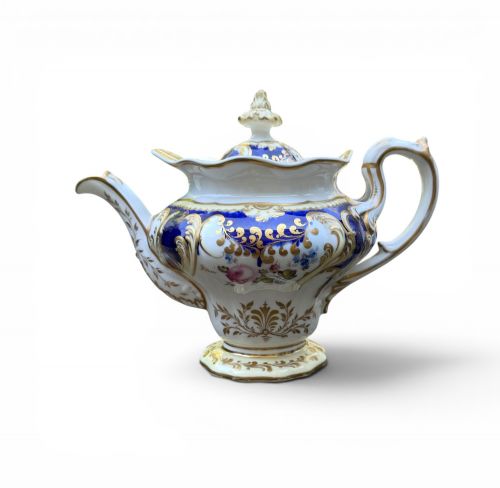
A victorian tea pot brings together domestic utility and nineteenth-century design, spanning solo bachelor vessels to large family services. You will find earthenware, porcelain, and sterling silver pieces made for daily hospitality.
The material range on this page stretches from heavy copper and brass kettles to delicate majolica and transfer-printed ceramics. Many survive alongside matching coffee pots, hot water jugs, and biscuit barrels.
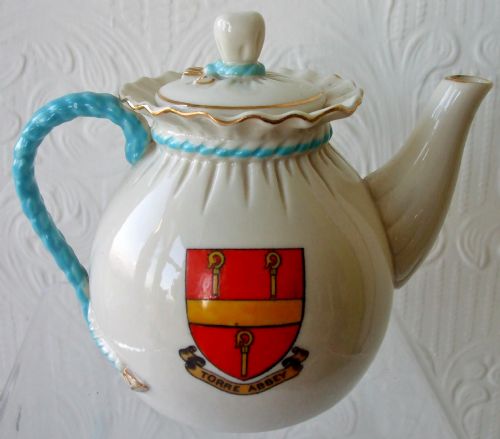
Makers utilised specific regional styles, from Torquay pottery to Staffordshire folk art. These vessels reflect the shifting tastes of the period, moving from rococo revival curves to aesthetic movement lines.
How They Were Made
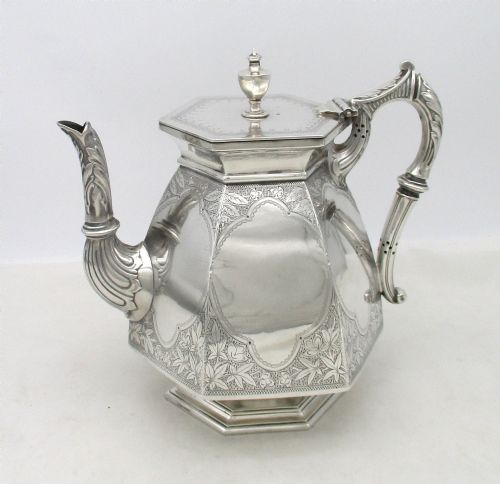
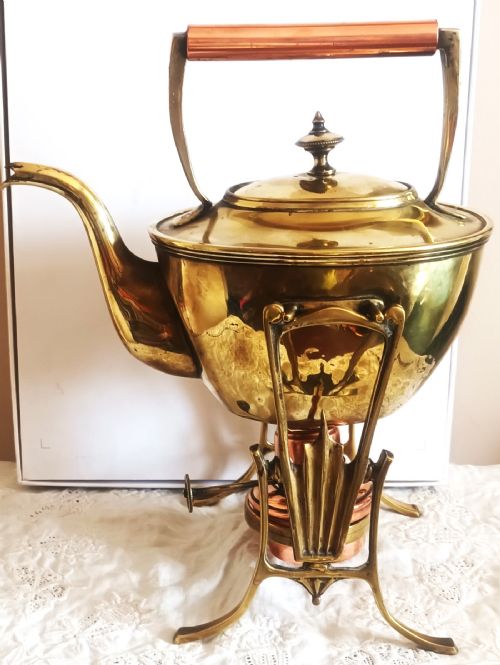
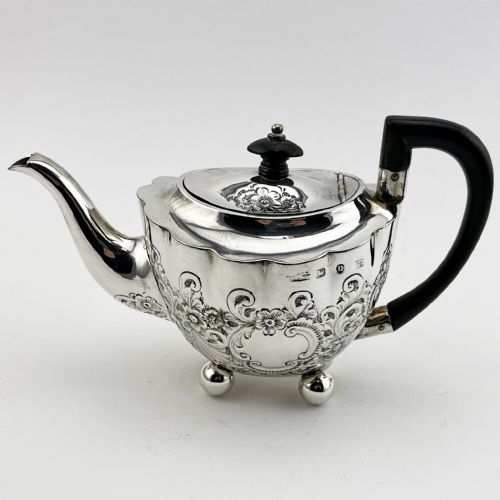
Silver and silver plate were shaped through smithing, casting, and electroplating, often finished with hand-engraved panels or applied handles. Copper and brass kettles combined sheet metal construction with riveted joints and turned wooden insulators.
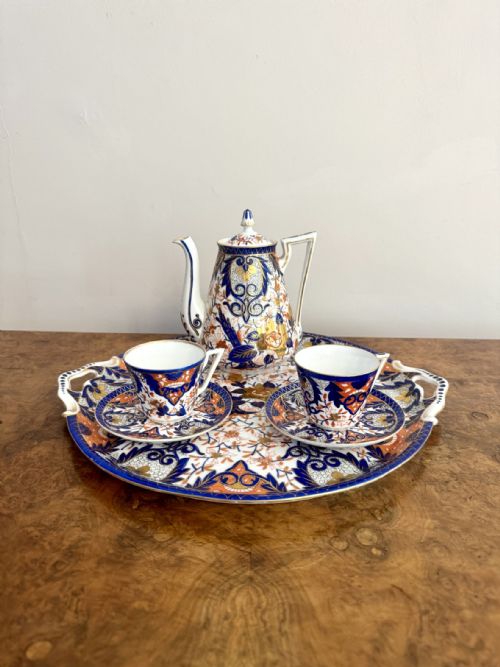
Ceramic pieces relied on earthenware or porcelain bodies, shaped by casting or moulding before receiving transfer printing or hand-painted majolica glazes. Gold leaf and enamels added surface detail to select porcelain wares.
Victorian Tea Pot Retail Price Guide 2026
Typical asking prices for victorian tea pot among the pieces listed under this phrase on Sellingantiques today, from the lower quarter to the upper quarter. They describe what is for sale here now, not the wider market.
Several teapots feature figures of Chinese boys perched atop giant melons.
What Varies in Quality
The distinction between standard domestic wares and superior items lies in the crispness of the casting and the depth of the metalwork engraving. Heavier gauges of silver and copper indicate a sturdier vessel built for sustained use.
Ceramic quality is judged by the precision of the transfer print, the richness of the majolica glaze, and the intricacy of modelled details like handles and spouts. Maker marks from established firms often signal higher standards of workshop execution.
William Soutter And Sons·W H Goss·Mintons·Joseph Holdcroft·Boardman Glossop And Co·E And J Barnard·Holland And Slater·Elkington And Co·John And George Angell
The Victorian Tea Pot Glossary
- Bachelor Teapot
- A small teapot designed to brew a single cup for one person, often found in sterling silver. These compact vessels were popular in late Victorian households.
- Majolica
- A colourful lead-glazed earthenware characterised by moulded relief decoration and vibrant pigments. Joseph Holdcroft was a notable producer of this ceramic type.
- Spirit Kettle
- A kettle mounted on a metal stand above a small spirit burner to keep water hot at the table. They frequently employ brass or copper construction.
- Transfer Printing
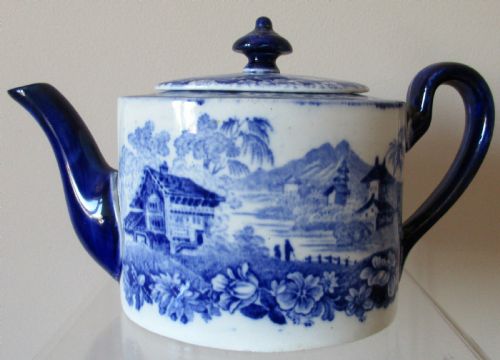
- A method of applying detailed decorative patterns to ceramics by transferring an inked design from a copper plate onto paper and then onto the clay body. Blue and white examples are common in this medium.
- Bargeware
- Folk art pottery featuring colourful applied motifs, often associated with canal boat workers. These pieces frequently bear names or greetings in raised lettering.
Victorian Tea Pot: Frequently Asked Questions
What is a bachelor teapot?
A bachelor teapot is a smaller version of the standard vessel, created to serve a single person.
These compact pieces appear frequently in sterling silver from the latter half of the nineteenth century.
How do I clean antique silver plate?
Silver plate requires gentle cleaning with a non-abrasive polish to protect the thin layer of silver over the base metal.
Avoid harsh scrubbing that can wear through the plating on raised edges and handles.
Were brass kettles used on fires?
Brass and copper kettles were designed to sit on trivets or directly near hearths to heat water for tea.
Many survive with matching two-tier stands used to support the hot vessel.
What distinguishes majolica teapots?
Majolica teapots feature moulded earthenware bodies covered in thick, colourful lead glazes.
Potters often shaped these vessels to resemble natural forms like fruit or figures.