




Victorian Tea Container
A victorian tea container is a traditional receptacle made to preserve dried leaves, and you want one for its domestic utility and period craftsmanship.
Victorian Tea Container
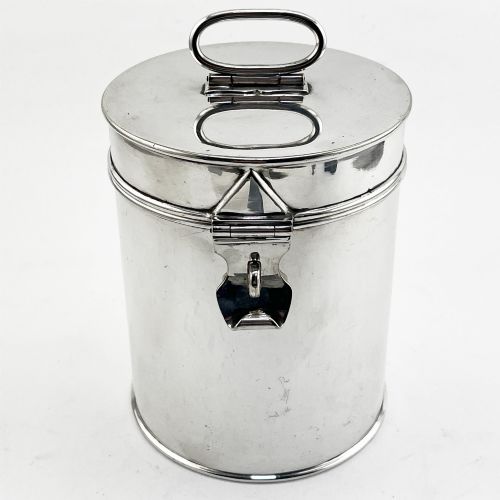
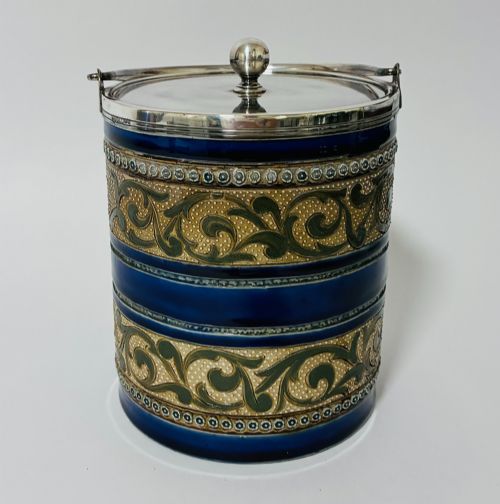
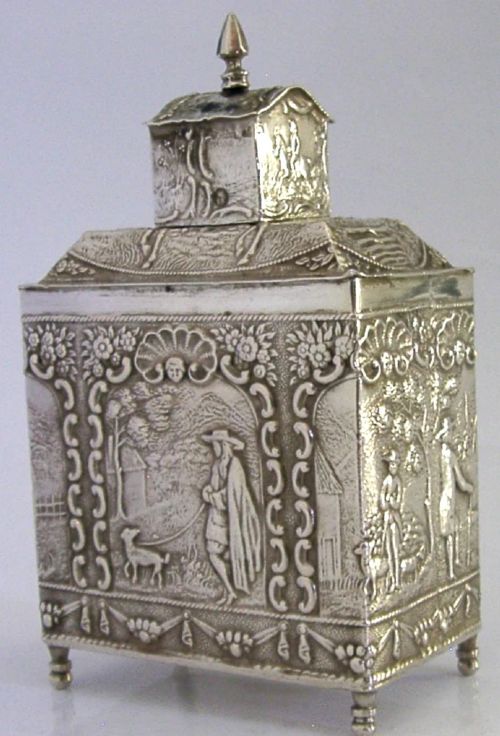
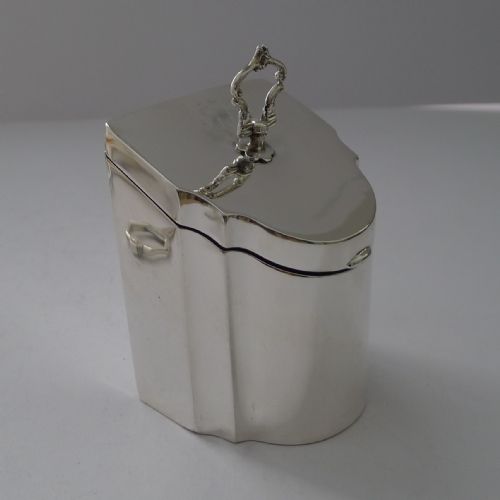
A victorian tea container encompasses various forms designed to store dried leaves safely in the nineteenth and early twentieth centuries. The selection on this page centres heavily upon tea caddies, biscuit barrels, canisters, and storage boxes.
Most examples date from the Victorian and Edwardian eras, utilising materials ranging from sterling silver and mahogany to tinplate, ceramic, and glass. These vessels served both practical storage roles and decorative functions within period drawing rooms and dining spaces.
Materials and methods of construction
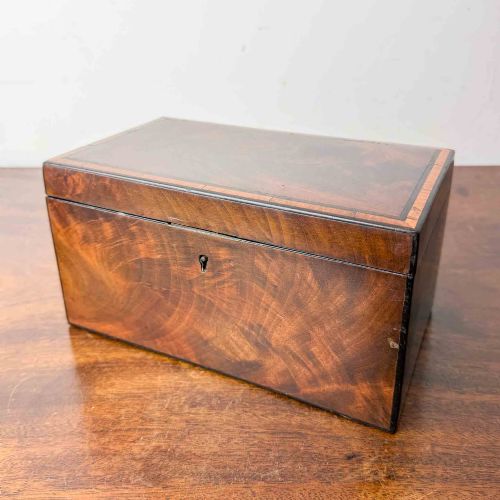
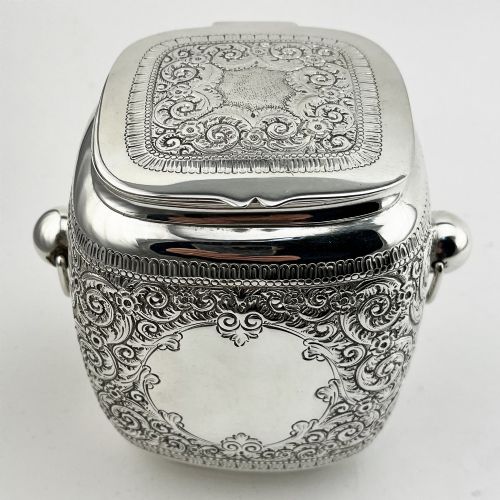
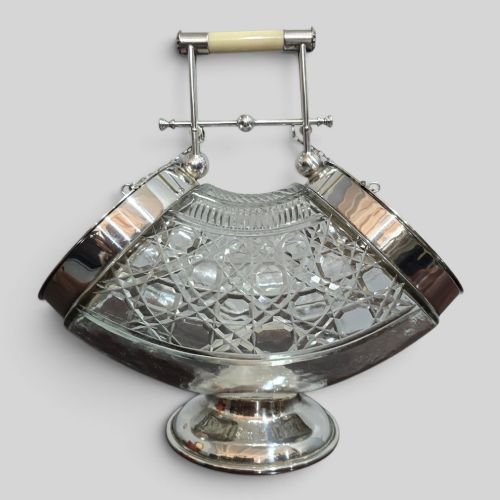
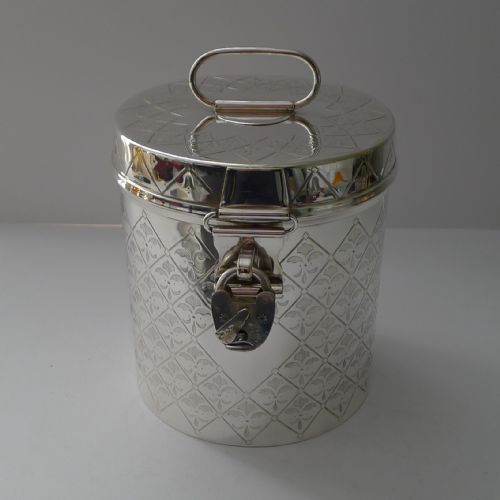
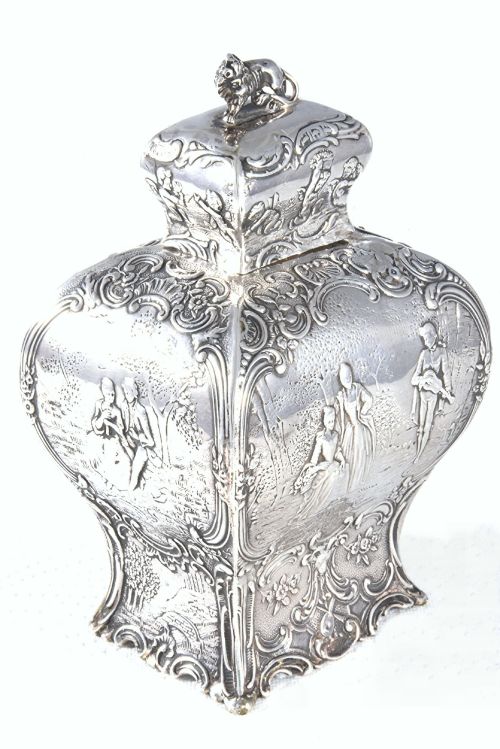
Silversmiths constructed solid silver and silver-plated containers using techniques such as embossing, chasing, and hobnail cutting, frequently pairing metal with crystal or ceramic bodies. Cabinetmakers shaped flame mahogany and other timbers into sarcophagus and dome forms, incorporating lockable lids with keys.
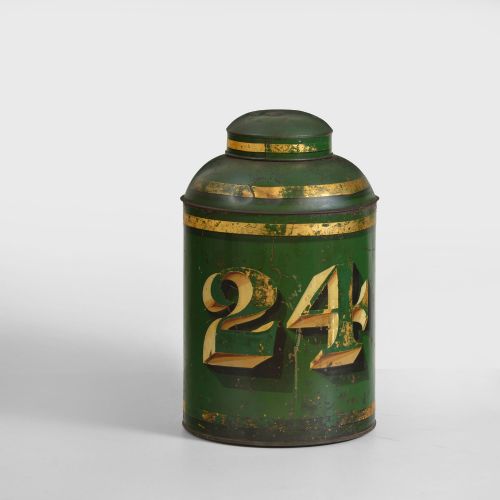
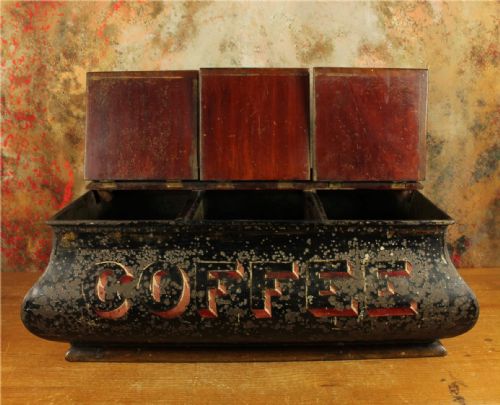
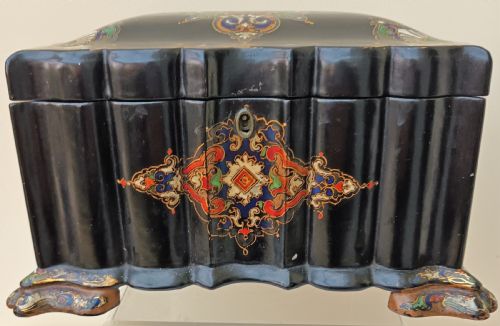
Makers of toleware and tinplate applied paint and gold leaf to metal sheets for shop and domestic display. Potters at factories like Doulton Lambeth and Minton shaped ceramic bodies, while firms utilised papier-mâché for lightweight decorative boxes.
Victorian Tea Container Retail Price Guide 2026
Typical asking prices for victorian tea container among the pieces listed under this phrase on Sellingantiques today, from the lower quarter to the upper quarter. They describe what is for sale here now, not the wider market.
Several Victorian biscuit boxes take the literal form of heavy iron weights.
What separates the standard of these pieces
The standard of a victorian tea container depends upon the substance thickness and the precision of assembly. Heavy gauge sterling silver and solid flame mahogany represent superior construction compared to thinner silver plating or basic tinplate.
Artisanal detail dictates distinction, seen in crisp Dutch Rococo Revival embossing, hand-cut crystal facets, and fully functioning locking mechanisms with original keys. Plain commercial tins sit at the utilitarian end of the spectrum.
Martin Hall and Co·Mappin and Webb·Atkin Brothers·William Hutton·Huntley and Palmers·Doulton Lambeth·Minton
The Victorian Tea Container Glossary
- Tea caddy
- A small box or jar designed specifically for holding loose tea leaves. These containers often featured internal lids or compartments.
- Biscuit barrel
- A lidded jar or container used for serving and storing biscuits on the dining table. They frequently combine ceramic or glass bodies with silver-plated mounts and swing handles.
- Sarcophagus form
- A distinct box shape featuring a domed or sloping lid resting on a rectangular base, popular for mahogany tea caddies. This architectural style mimics classical monumental tombs.
- Toleware
- Painted or lacquered metalware, typically tinplate, decorated with motifs or gold leaf. It was widely used for commercial shop canisters and domestic storage boxes.
- Sterling silver
- An alloy containing ninety-two point five percent silver by mass, utilised extensively by silversmiths for high-status tea containers.
Victorian Tea Container: Frequently Asked Questions
What is a tea caddy?
A tea caddy is a dedicated container built to keep tea leaves fresh and dry before brewing.
During the Victorian period, these vessels were often lockable because tea was an expensive commodity requiring safekeeping.
How were biscuit barrels used?
Biscuit barrels held sweet biscuits for afternoon tea or after-dinner hospitality in Victorian and Edwardian homes.
Servants placed them on the dining table or sideboard, ready to be opened when guests arrived.
How do I date a silver tea caddy?
You date a silver tea caddy by examining the hallmarks stamped into the metal by the assay office. These official marks reveal the exact year of manufacture and the maker's mark.
Why did wooden tea caddies have locks?
Wooden tea caddies featured locks because tea leaves were valuable dry goods stored securely away from household staff.
The head of the household kept the key to control access to the daily supply.