

Victorian Tallboy Dresser
These pieces give a victorian tallboy dresser presence in a room, offering serious bedroom storage through deep and proportioned drawers.
Victorian Tallboy Dresser
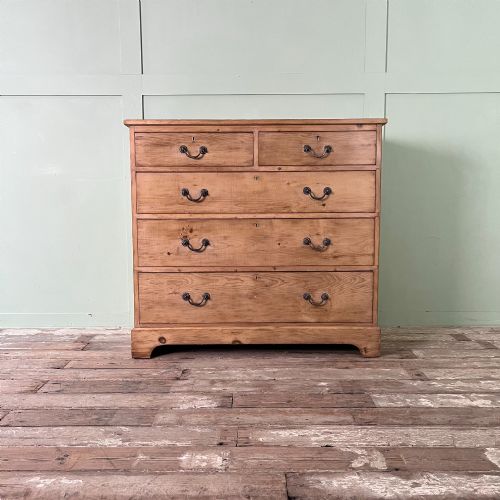
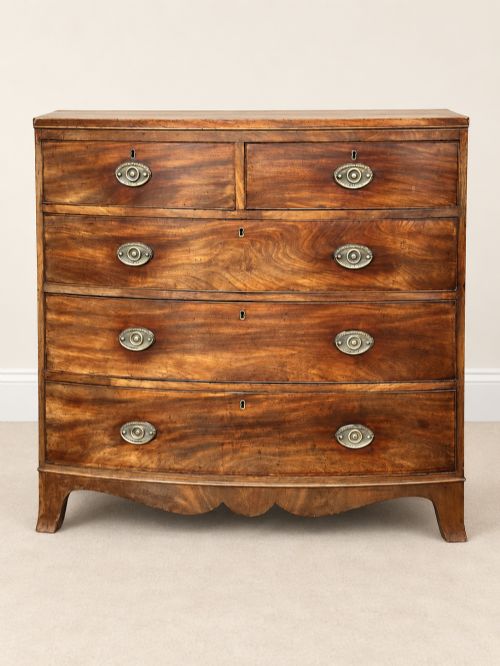
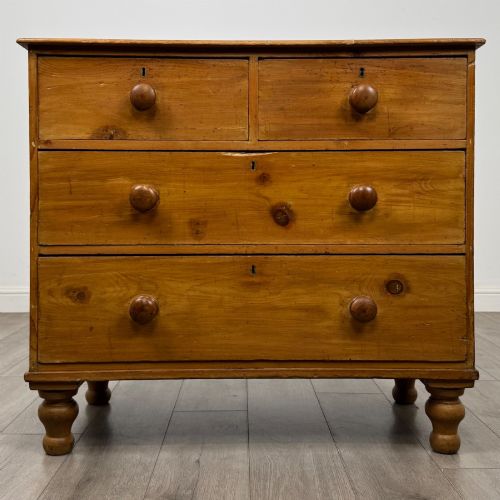
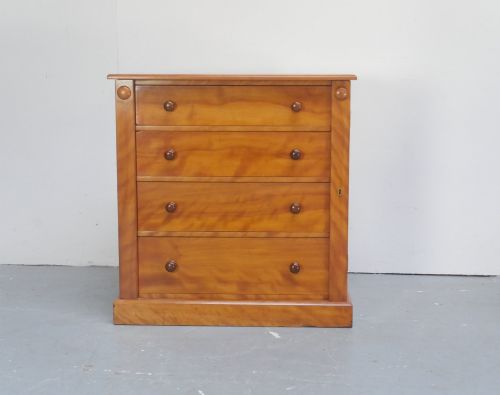
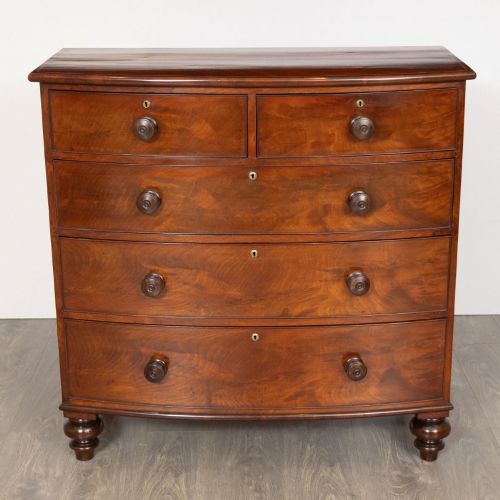
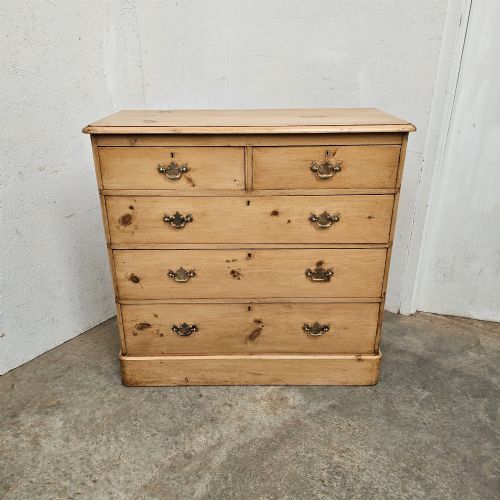
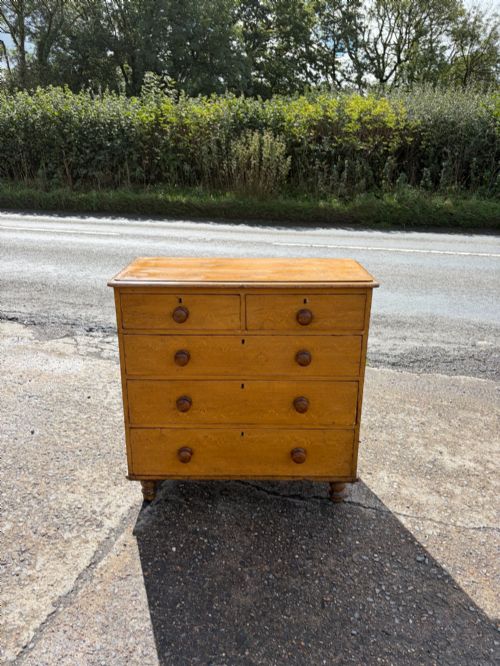
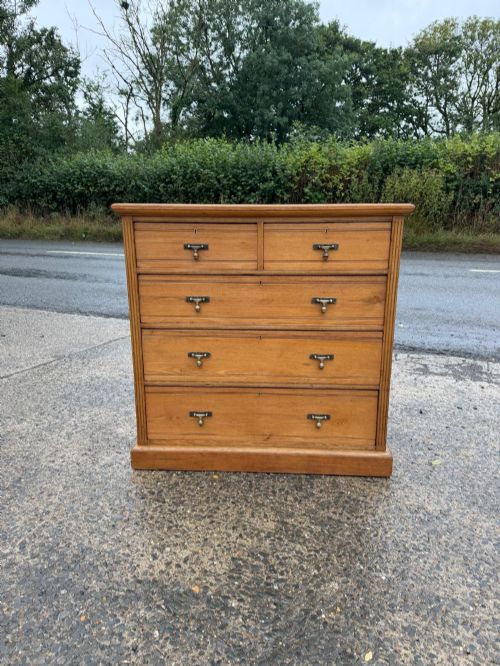
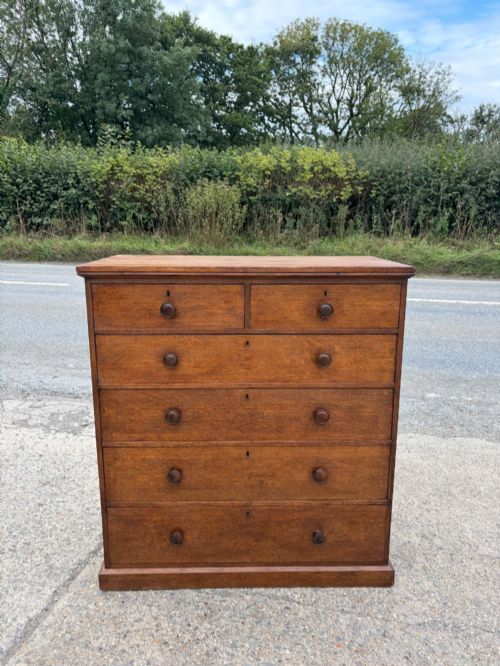
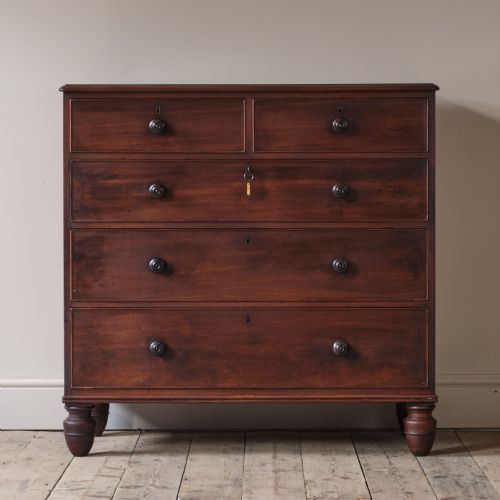
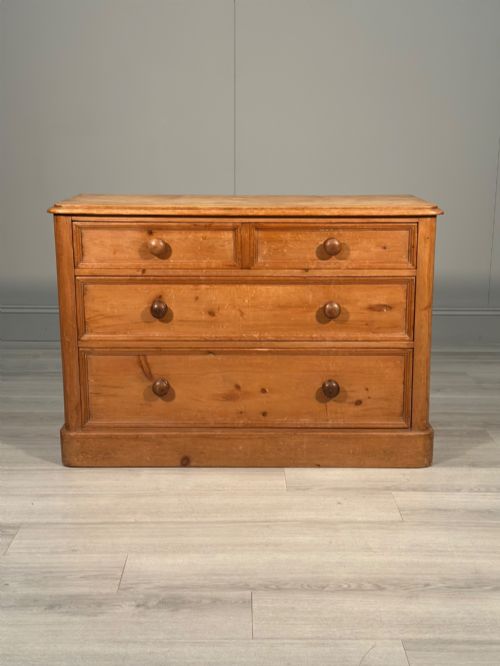
A victorian tallboy dresser primarily takes the form of a chest of drawers, spanning configurations from low scrubbed pine four-drawer models to substantial five-height mahogany pieces. Buyers searching this phrase encounter substantial timber furniture designed principally for domestic bedroom storage.
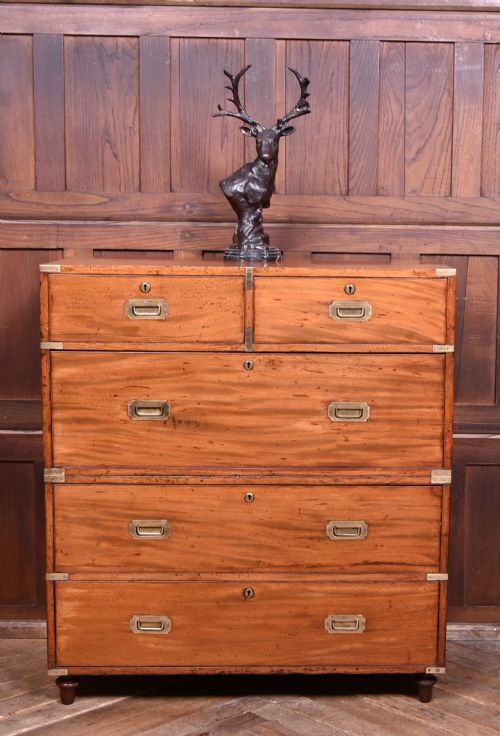
The material palette is anchored by solid pine and rich mahogany, often enhanced by flame mahogany veneer, walnut, or oak. Pieces frequently emerge from the nineteenth century, with specific examples carrying dates from eighteen-fifty to eighteen-ninety alongside Edwardian entries.
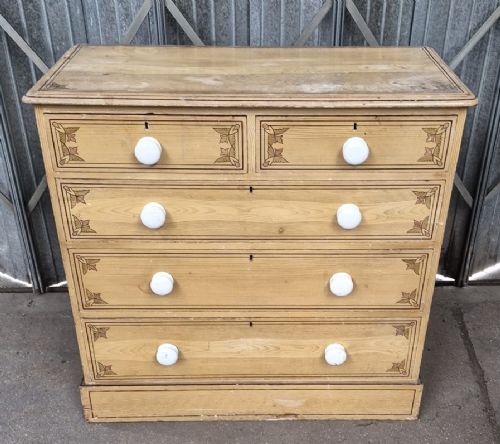
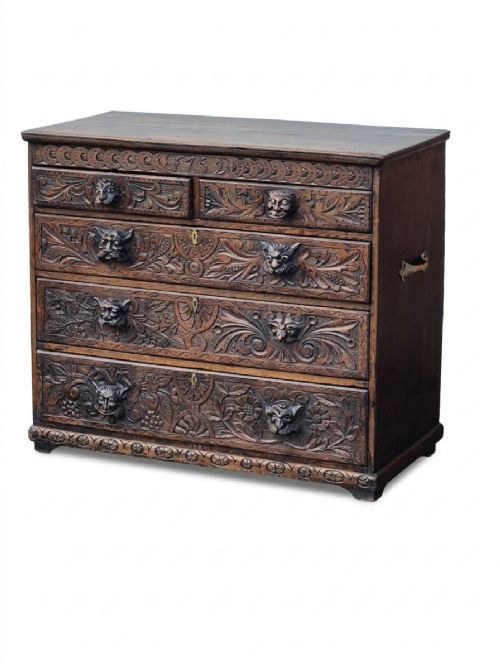
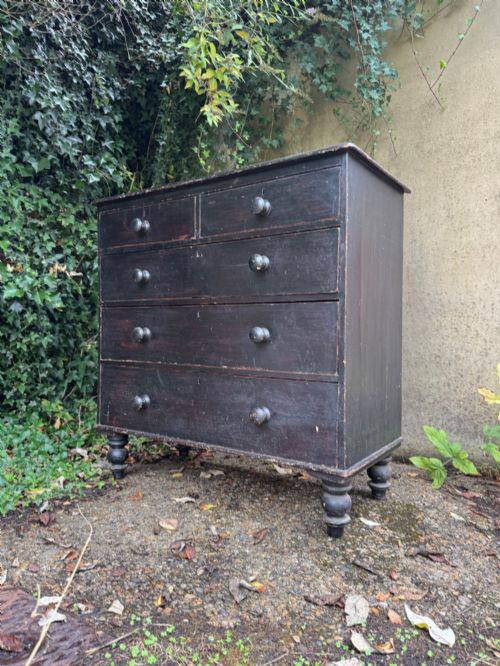
Stylistic variations range from simple Victorian country and painted finishes to more formal Regency, Biedermeier, Gothic Revival, and Arts and Crafts expressions. Cabinet makers constructed these functional storage items with distinct regional traits, such as the characteristic Scottish chest proportions.
How they were made
Cabinet makers utilised dense hardwoods like mahogany and durable softwoods like pine, frequently applying flame mahogany veneer to primary surfaces for visual depth. Construction relied on traditional joinery techniques, paired with tongue and groove panelling.
Finishing touches involved wax, original paint, and polished wood surfaces, complemented by brass hardware, iron fittings, and turned bun handles. Structural integrity was achieved through robust drawer carcases and solid timber framing designed to bear heavy domestic loads.
Listings feature mahogany, pine, oak, walnut, and painted finishes across Victorian, Edwardian, and Regency periods.
What varies in quality
Quality separates along the grade of timber selected and the precision of the cabinet work, shifting from utilitarian painted pine to finely figured flame mahogany veneer. Superior examples display careful matching of wood grains across drawer fronts and tight, enduring joinery.
The choice of hardware and secondary woods also marks the distinction between standard workshop production and pieces bearing the stamp of notable makers like T & G Seddon or Jas Shoolbred. Refined proportions, such as bow fronts or balanced multi-tier drawer layouts, elevate the standing of an individual piece.
T & G Seddon·Jas Shoolbred·Harris Lebus of Tottenham·Heal & Son·Howard and Sons
The Victorian Tallboy Dresser Glossary
- Flame mahogany veneer
- A thin slice of mahogany timber exhibiting a fiery, undulating grain pattern, applied to primary surfaces for decorative effect.
- Bow front
- A convex curved cabinet front popular in nineteenth-century case furniture, designed to soften room lines and increase central drawer depth.
- Bun handle
- A small, rounded wooden knob turned on a lathe, frequently found on country pine chests and drawer fronts.
- Tongue and groove
- A method of jointing boards together where a protruding edge fits snugly into a corresponding slot.
- Scotch chest
- A tall nineteenth-century chest of drawers originating in Scotland, typically featuring a deep top drawer over multiple smaller tiers.
Victorian Tallboy Dresser: Frequently Asked Questions
How do I spot a genuine piece?
Examine the timber construction, drawer linings, and backboards for nineteenth-century tool marks and appropriate ageing of the materials. Traditional dovetail joints and original fixings offer strong indicators of period authenticity.
Check for consistency in the secondary woods used inside the carcase, as makers maintained specific regional practices during the Victorian era.
Are these suitable for modern bedrooms?
These tall pieces provide exceptionally deep and practical storage capacity, fitting well into contemporary rooms requiring character and floor-to-ceiling presence. Their sturdy drawer configurations handle everyday clothing storage with ease.
Consider the overall height and footprint before placement, as Victorian proportions often demand more vertical clearance than modern flat-pack alternatives.
How do I care for the wood?
Maintain the finish by applying natural beeswax periodically and avoiding placement near direct heat sources or strong sunlight. Dust regularly with a soft, dry cloth to protect delicate veneers and polished surfaces.
Keep humidity levels stable within the room to prevent timber movement or cracking in older mahogany and pine carcases.
What is the difference between pine and mahogany?
Pine pieces tend to present a more rustic, country aesthetic, often featuring scrubbed surfaces, original paint, or simple wax finishes. Mahogany versions offer a formal, dark reddish-brown appearance with denser grain and greater susceptibility to decorative veneers.
Both materials served different domestic tiers in the nineteenth century, resulting in distinct visual weights within a bedroom setting.