





Victorian Table Ware
Victorian table ware comprises ornamental and practical furnishings built from diverse woods and ceramics, offering refined historic character to living spaces.
Victorian Table Ware
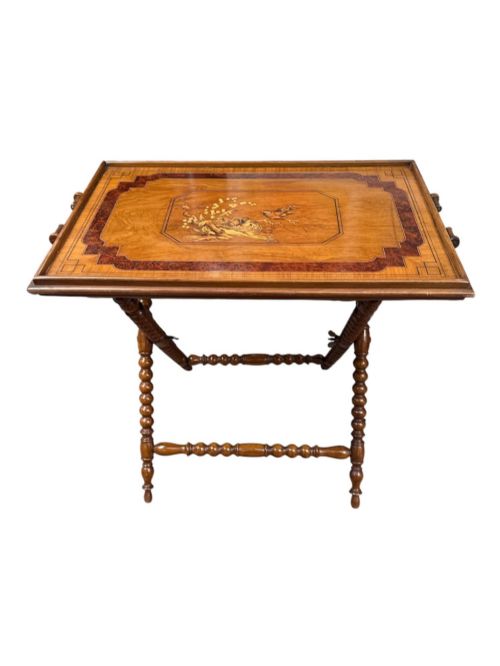
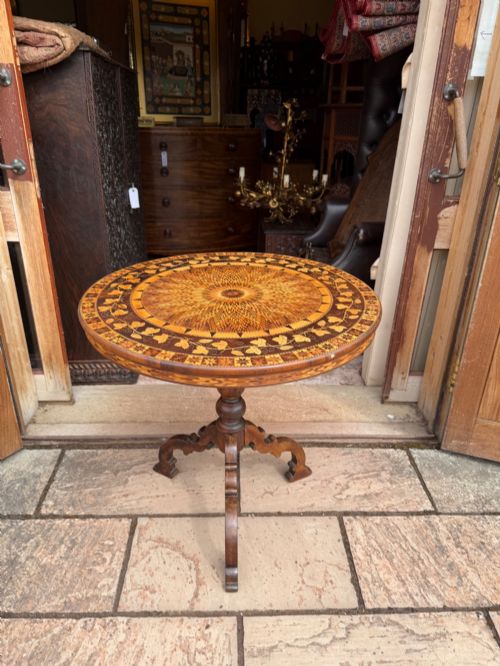
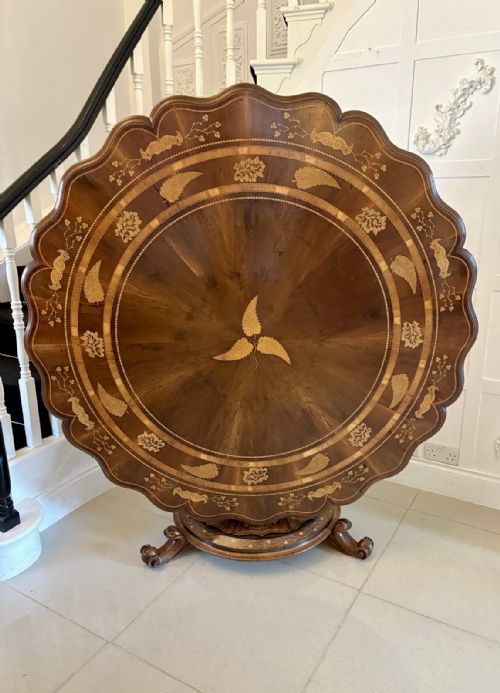
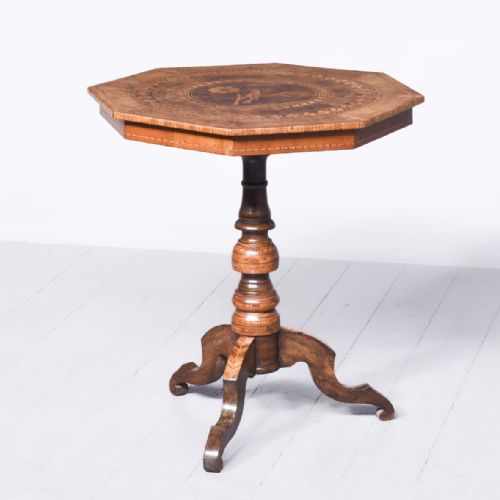
Victorian table ware encompasses a variety of occasional tables, trays, work tables, and decorative vessels originating from the nineteenth century. These furnishings often feature intricate inlaid marquetry and parquetry, reflecting the ornamental tastes of the era.
The pieces on this page are dominated by Italian Sorrento ware and Irish Killarney ware, alongside occasional English walnut and mahogany examples. Buyers frequently encounter circular centre tables, nest of tables, and specialised work tables constructed during the Victorian period.
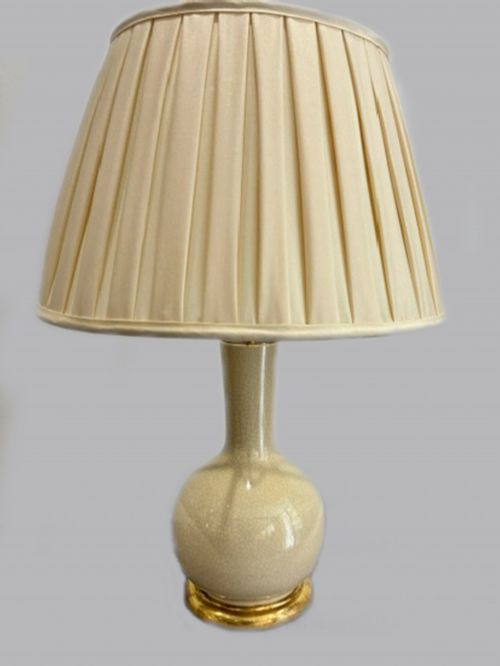
Forms extend to smaller accessory items such as table boxes, spirit kettles on stands, and ceramic table lamps. This selection spans from mid-nineteenth century production through to the Edwardian transition.
Materials and construction methods
Construction relies heavily on native and exotic timbers including walnut, yew wood, arbutus wood, olivewood, fruitwood, and mahogany. Cabinet makers utilised these varied woods to create striking contrasting tones across table tops and cabinet surfaces.
Marquetry and parquetry techniques define the decorative surfaces, utilising precision-cut wood veneers to form geometric patterns and pictorial scenes. Specialised items integrate ceramic elements and metalwork, such as brass spirit kettles and crackle ware lamp bodies.
Victorian Table Ware Retail Price Guide 2026
Typical asking prices for victorian table ware among the pieces listed under this phrase on Sellingantiques today, from the lower quarter to the upper quarter. They describe what is for sale here now, not the wider market.
Materials recorded across the inventory range from walnut, yew wood, and arbutus wood to ceramic and fabric elements.
Factors of distinction
Quality in these pieces rests primarily upon the precision and complexity of the timber inlay. Master workshops executed tightly fitted geometric parquetry and pictorial marquetry that remained flush and stable over time.
The choice of timber grain and the integrity of the structural joinery further separate standard production from exhibition pieces. Finer examples demonstrate careful selection of figured walnut, yew, or arbutus veneers alongside robust internal framing.
Waring & Gillow·Egan Workshop·Kerr & Binns
The Victorian Table Ware Glossary
- Marquetry
- Decorative veneer work forming pictorial designs using various coloured woods. This technique is prominent on Sorrento and Killarney pieces.
- Parquetry
- Geometric mosaic woodwork arranged in repeating patterns to ornament table tops. It creates an optical puzzle effect across the surface.
- Killarney Ware
- Irish nineteenth-century woodwork utilising indigenous timbers such as arbutus and yew. Pieces often incorporate intricate shamrock and local architectural motifs.
- Sorrento Ware
- Italian wood inlaid items originating from the town of Sorrento. Artisans specialised in microscopic mosaic and floral marquetry.
- Treen Ware
- Small domestic wooden objects turned on a lathe or carved by hand. These utilitarian items range from egg cup stands to small boxes.
Victorian Table Ware: Frequently Asked Questions
What is Victorian table ware?
Victorian table ware refers to the decorative and functional wooden and ceramic furnishings produced during the nineteenth century. These include occasional tables, work tables, serving trays, and accessory stands.
Such items served both practical domestic purposes and decorative functions in Victorian reception rooms and halls, often showcasing advanced woodworking skills.
How do I identify Sorrento ware?
Sorrento ware is identified by its distinctive Italian marquetry, which typically incorporates floral motifs, architectural ruins, or figures rendered in contrasting wood veneers. The technique originated in southern Italy during the nineteenth century.
These pieces frequently utilise olivewood, walnut, and other Mediterranean timbers arranged in intricate geometric and pictorial patterns across table tops and boxes.
What distinguishes Killarney ware?
Killarney ware is recognised by the use of native Irish timbers, specifically arbutus wood and yew wood, combined with detailed marquetry. Artisans often incorporated local imagery such as round towers and harps.
The natural pale and dark tones of the arbutus and yew provide a distinct colour palette that differs from continental European marquetry.
How were work tables used?
Work tables were specialised occasional furniture designed to hold sewing, embroidery, and writing paraphernalia. They typically featured internal compartments, trays, or fabric bags suspended beneath the top.
Ladies utilised these compact tables in drawing rooms to keep needlework organised while entertaining or relaxing.