
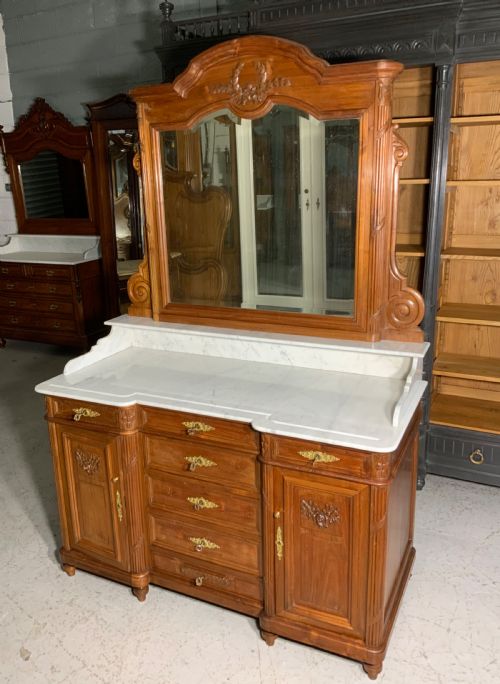
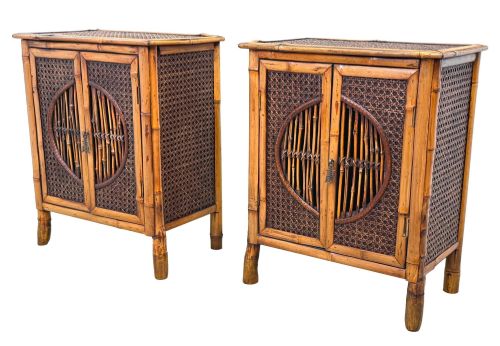
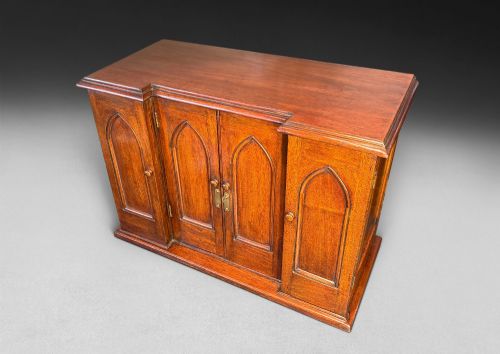
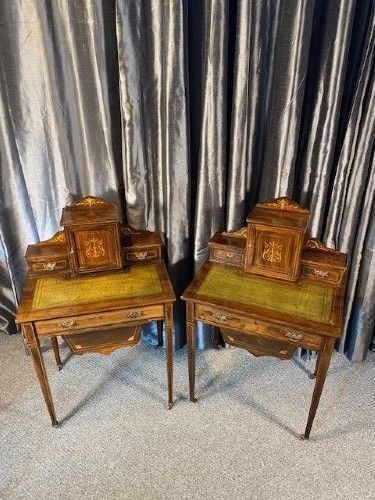

Victorian Table Top Cabinet
A victorian table top cabinet provides neat storage for small collections or papers, offering period craftsmanship on a compact scale.
Victorian Table Top Cabinet
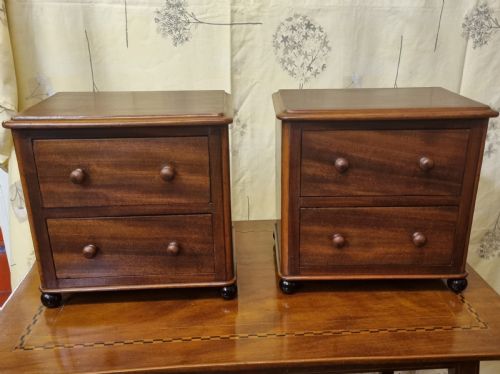
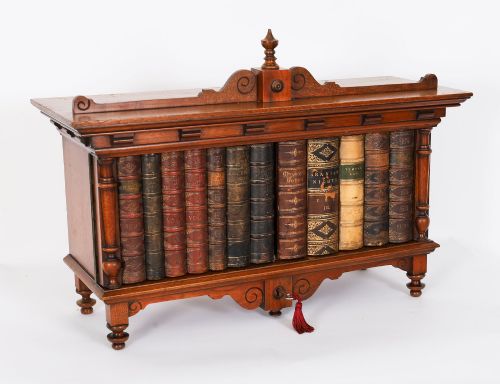
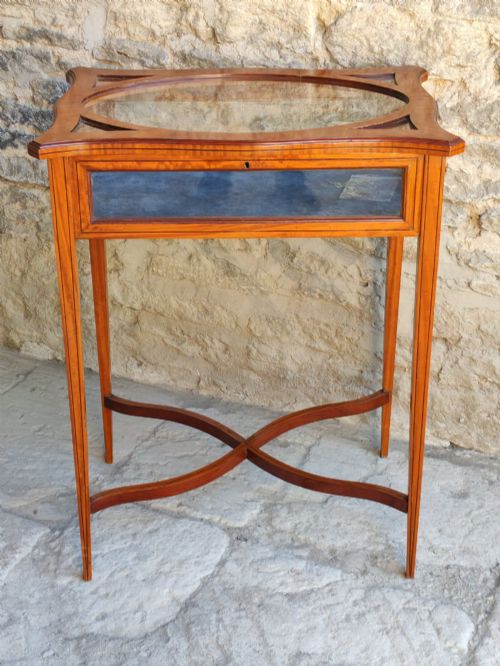
A victorian table top cabinet takes many compact forms, from glazed specimen cases and jewellery chests to miniature cupboards designed for desks and side tables. These pieces originate primarily from the nineteenth century, reflecting an era that prized orderly storage for natural history specimens, coins, and trinkets.
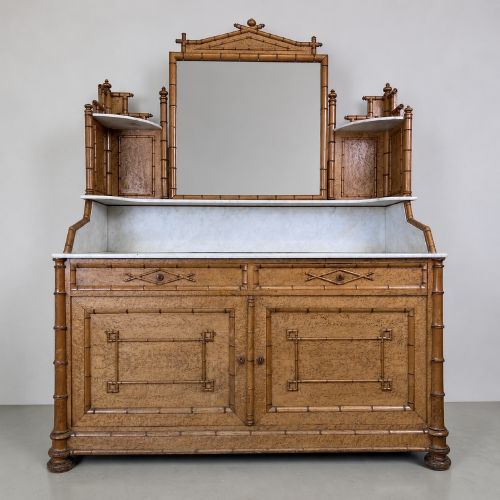
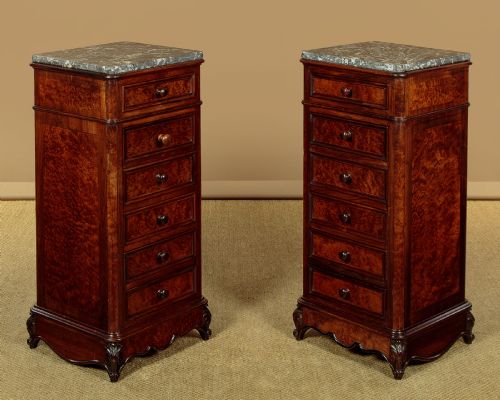
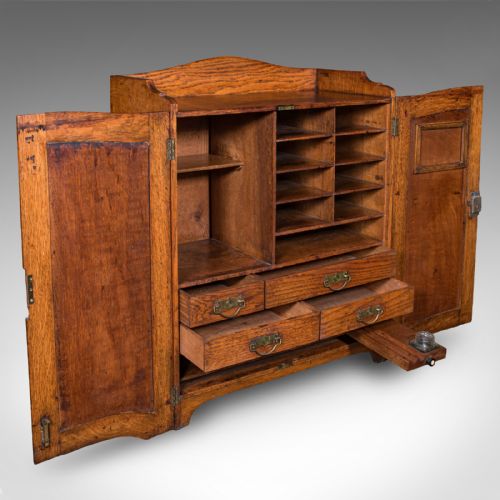
The versions most commonly met on this page include mahogany, burr walnut, and oak collectors' cabinets fitted with multiple small internal drawers or glazed doors. Alongside these, buyers encounter bamboo designs influenced by the Aesthetic movement and occasional ebonised or inlaid pieces from the later decades of the century.
Materials and Construction
Cabinet makers utilised dense hardwoods such as mahogany and oak for structural stability, frequently applying decorative veneers of burr walnut, satinwood, or rosewood to the exterior surfaces. Solid timber carcases house precisely fitted internal drawers, often joined with traditional dovetails to ensure longevity.
Secondary materials such as glass, brass pulls, and occasionally marble or leather inserts add functional refinement. Surface finishes rely on traditional polishing techniques that highlight the natural grain patterns of the wood rather than masking them with modern lacquers.
The listings on this site span the nineteenth and early twentieth centuries, featuring woods such as mahogany, oak, walnut, satinwood, and rosewood alongside marble and brass.
Assessing Quality
Quality rests upon the selection of timber and the precision of the cabinet work, particularly in the lining of drawers and the fit of doors. Superior examples display carefully matched burr walnut or figured mahogany veneers that wrap seamlessly around the carcase, alongside original brass hardware and working locks with keys.
The complexity of the interior arrangement also distinguishes finer items, such as multi-drawer collectors' chests with dust lips on each drawer rather than simple butt joints. Lower quality pieces often show crude secondary timbers internally or clumsy later alterations to the layout.
Gabriel Viardot·Holland & Sons
The Victorian Table Top Cabinet Glossary
- Specimen Cabinet
- A small piece of furniture fitted with shallow drawers designed to hold natural history specimens, coins, or medals. These interiors are typically lined with baize or velvet.
- Burr Walnut
- A highly figured wood grain obtained from the wart-like growths on walnut trees, valued for its complex swirling patterns. Cabinet makers prized this material for veneering principal display surfaces during the Victorian period.
- Dovetail
- A traditional woodworking joint formed by interlocking fan-shaped tenons, providing exceptional tensile strength. This method secures the corners of drawers in quality period furniture.
- Aesthetic Movement
- A late nineteenth-century design style that emphasised visual beauty over narrative subject matter, often incorporating Japanese motifs. Pieces in this style utilise bamboo or ebonised finishes.
- Bijouterie
- A glazed glass-topped table or cabinet designed for displaying small ornaments, jewellery, or curiosities. These items became popular for formal reception rooms in the latter half of the nineteenth century.
Victorian Table Top Cabinet: Frequently Asked Questions
What were table top cabinets used for?
These cabinets served primarily to store delicate personal possessions, ranging from jewellery and writing accessories to scientific specimens and coins. Their compact size allowed them to sit securely on larger pieces of furniture or dedicated desks.
wealthier households used them in studies or drawing rooms where guests might inspect small collections. They combined practical organisation with decorative display.
How do I date a Victorian cabinet?
Dating relies on observing timber choices, construction methods, and stylistic cues present in the hardware and veneers. Early Victorian pieces often feature solid flame mahogany, while later decades favoured burr walnut and exotic inlays.
interior elements like drawer construction and secondary woods provide further clues to the manufacturing decade. Cabinet makers shifted their decorative vocabulary as aesthetic tastes evolved toward the end of the century.
Where should I place it?
A victorian table top cabinet requires a stable surface such as a sideboard, chest of drawers, or sturdy desk where its weight is evenly supported. Direct sunlight should be avoided to protect sensitive wood veneers and interior linings from fading.
positioning the piece away from direct heat sources prevents the timber and glue from drying out over time. This ensures the doors and drawers continue to operate smoothly.
Are the interiors original?
Original interiors feature period drawer linings, handles, and often the original velvet or baize inserts used to cushion delicate items. Examining the interior timber reveals whether the drawer boxes match the age of the outer carcase.
replacements or modern alterations to the internal layout are common in pieces that served heavy use. Careful inspection helps confirm the integrity of the cabinet's fitted compartments.