





Victorian Table Chairs
These victorian table chairs bring together robust timber frames and upholstered seating designed for formal dining and everyday parlour use.
Victorian Table Chairs
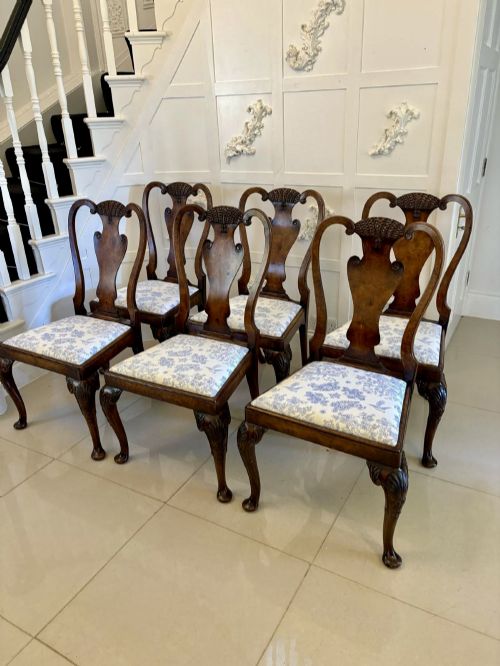
When searching for victorian table chairs, buyers encounter a mix of dining chairs, side chairs, and occasional seating originating from the nineteenth century. These pieces encompass everything from grand mahogany dining suites to intimate walnut dressing table stools and robust oak monks benches.
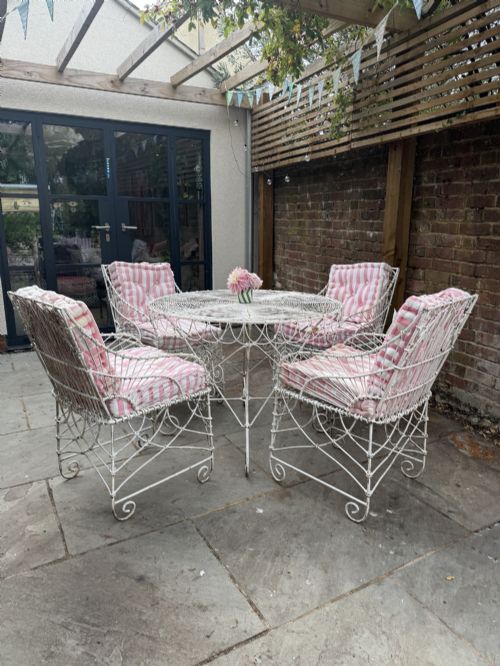
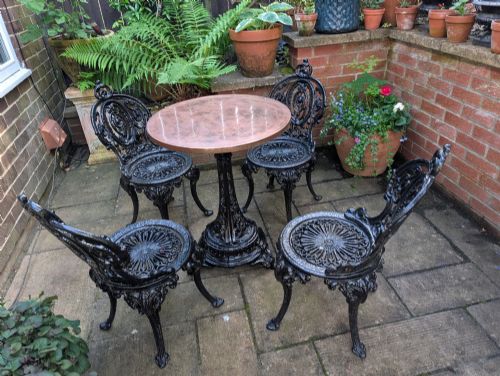
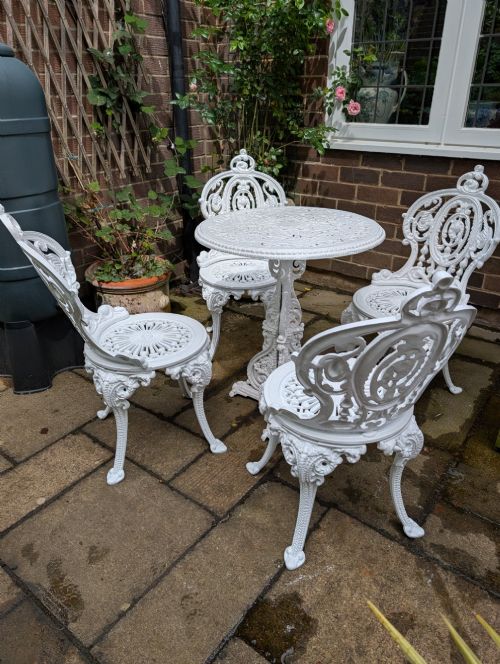
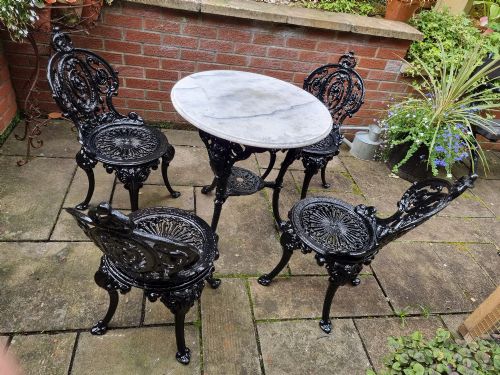
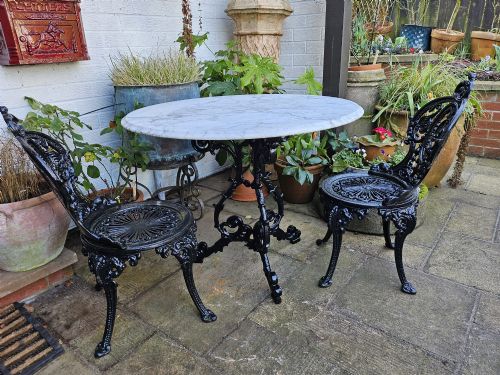
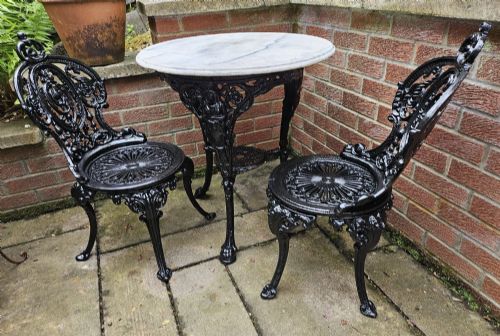
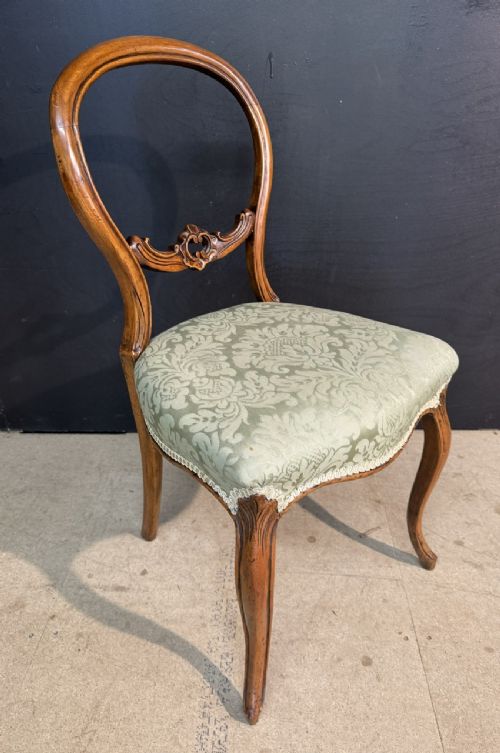
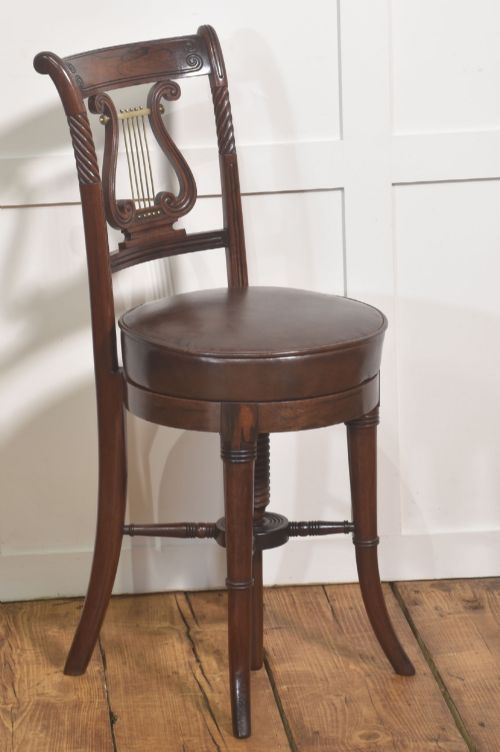
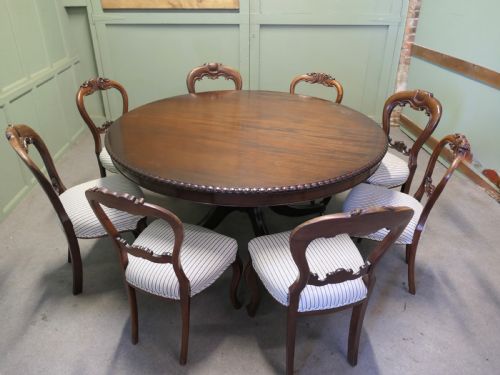
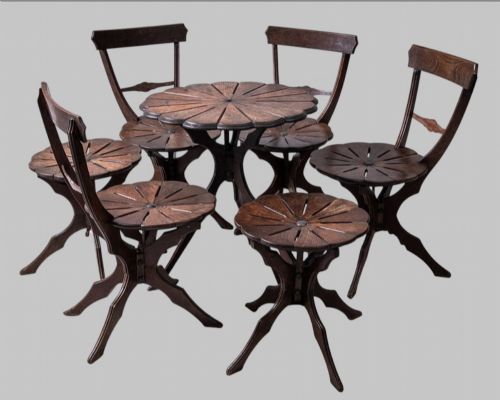
The most common examples on this page are dining chairs in walnut or mahogany, often featuring carved details and upholstered seats. Alongside these, buyers find garden sets in cast iron and wirework alongside specialised seating such as piano stools and nursing chairs.
Materials and construction
Cabinet makers utilised dense hardwoods like mahogany, walnut, and oak to build durable frames capable of withstanding decades of daily use. Wood components frequently feature hand-carving, turned legs, and sturdy joinery characteristic of nineteenth-century workshop production.
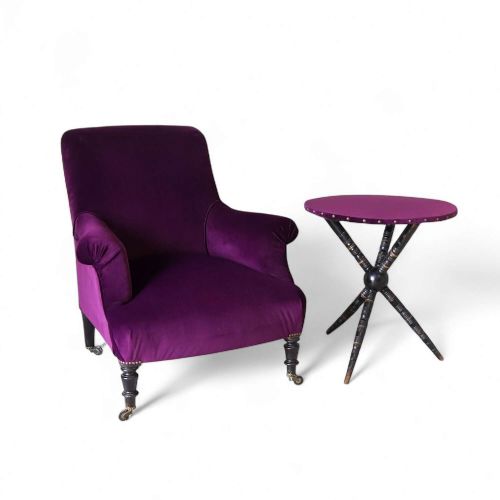
Upholstery techniques combined traditional stuffing materials with fabrics such as velvet, tweed linen, and patterned textiles. Garden variants relied on heavy cast iron and wirework to endure outdoor elements.
Victorian Table Chairs Retail Price Guide 2026
Typical asking prices for victorian table chairs among the pieces listed under this phrase on Sellingantiques today, from the lower quarter to the upper quarter. They describe what is for sale here now, not the wider market.
Assessing quality and craftsmanship
The distinction between standard examples and finer pieces lies in the crispness of the timber carving and the selection of figured veneers, such as burr walnut. Superior sets display meticulous attention to structural proportion and matching grain patterns across multiple chairs.
Original upholstery touches, stamped maker details, and the retention of authentic hardware elevate individual pieces. Condition remains paramount, particularly the structural integrity of joints and the quality of any historical timber repairs.
James Shoolbred·Christopher Dresser·Ellen E. Houghton of Minton
The Victorian Table Chairs Glossary
- Balloon back
- A rounded, curved backrest shaped like a balloon, commonly found on nineteenth-century dining and nursing chairs. This design provided ergonomic support while showcasing the grain of woods like walnut or mahogany.
- Monks bench
- A multifunctional piece of furniture featuring a hinged top that converts a hall seat or bench into a table. These oak items date to the Victorian era and served practical space-saving functions.
- Cabriole leg
- A furniture leg that curves outward and then tapers inward, inspired by the shape of an animal's leg. Makers utilised this classical form on dressing chairs, tables, and various occasional seating.
- Rosewood
- A heavy, dark timber with distinct figuring, frequently utilised for high-status Victorian dining chairs and piano stools. Its natural density allowed for intricate carving and a polished finish.
- Cast iron
- A sturdy metal alloy utilised primarily for garden tables, bistro sets, and outdoor chairs. This material supported elaborate openwork patterns and offered weather resistance.
Victorian Table Chairs: Frequently Asked Questions
How do I clean nineteenth-century timber chairs?
Apply a mild beeswax polish with a soft cloth to nourish the wood and maintain its natural lustre. Avoid modern chemical sprays that can strip historic finishes.
Keep wooden furniture away from direct heat sources and excessive moisture to prevent timber splitting and veneer lifting over time.
Can I mix these chairs with a modern table?
Pairing antique timber chairs with a contemporary table creates a striking contrast that highlights the distinct craftsmanship of nineteenth-century seating. Ensure the seat heights align comfortably with the underside of the table.
Consider matching wood tones or fabric colours to tie the disparate pieces together within the same interior space.
What is the difference between a nursing chair and a side chair?
Nursing chairs traditionally feature lower seats and supportive backrests designed for comfort during domestic tasks. Side chairs are taller and lack arms, intended primarily for placement around dining tables or against walls.
Both forms utilise period timbers and upholstery styles but serve distinct functions within a traditional household layout.
How do I identify a Victorian dining chair?
Look for characteristic nineteenth-century markers such as solid mahogany or walnut frames, hand-turned legs, and traditional joinery methods. Common aesthetic details include balloon backs, carved splats, and button upholstery.
Examine the underside of the seat for maker stamps, tool marks, and signs of age that confirm nineteenth-century origin.