

Victorian Style Jewellery
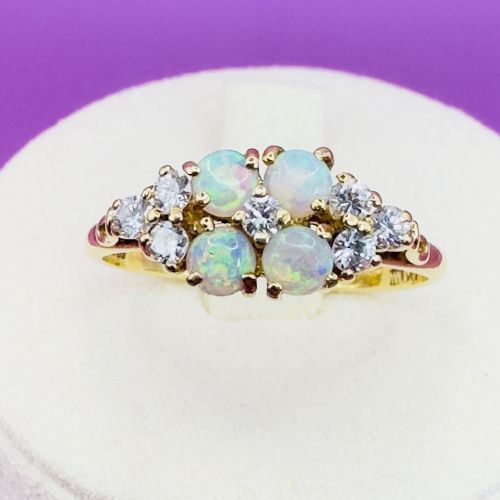
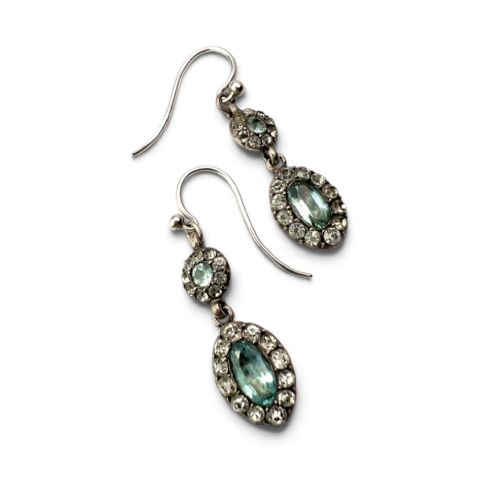
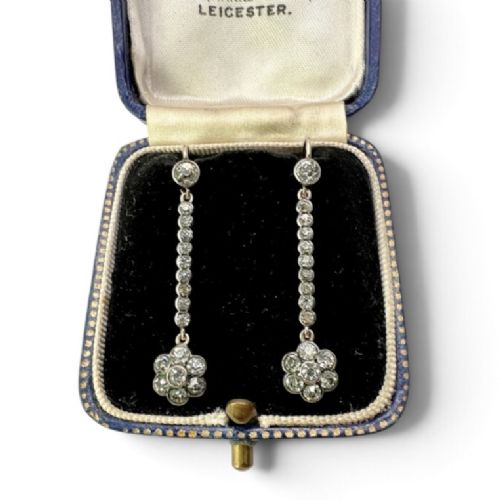
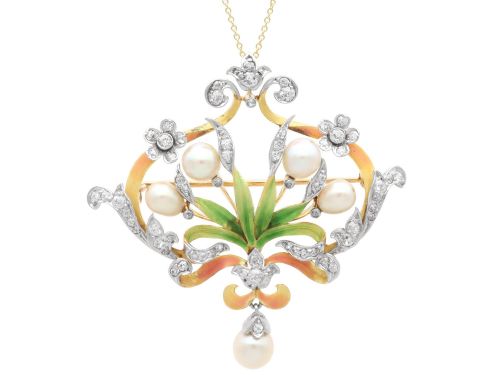
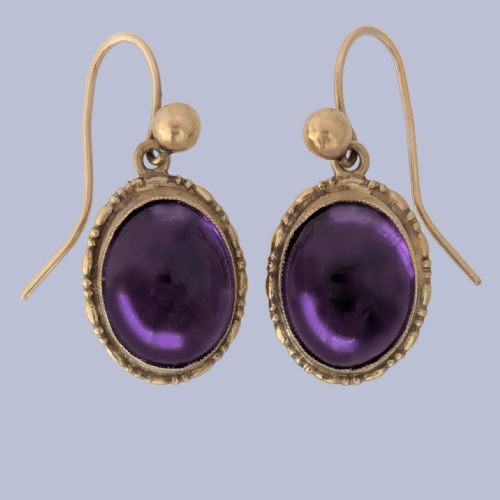
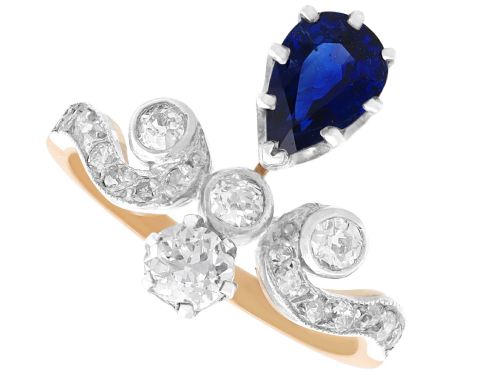
Victorian style jewellery encompasses distinctive rings, earrings, necklaces and brooches crafted across the nineteenth century and subsequent revival periods.
Victorian Style Jewellery
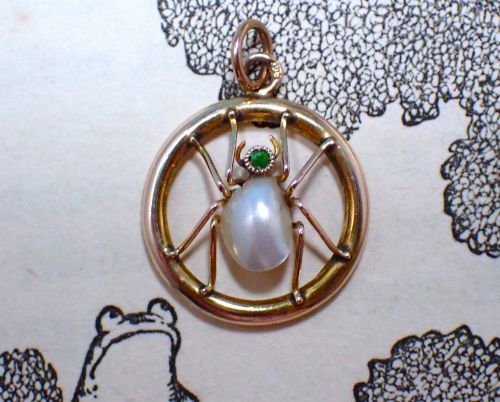
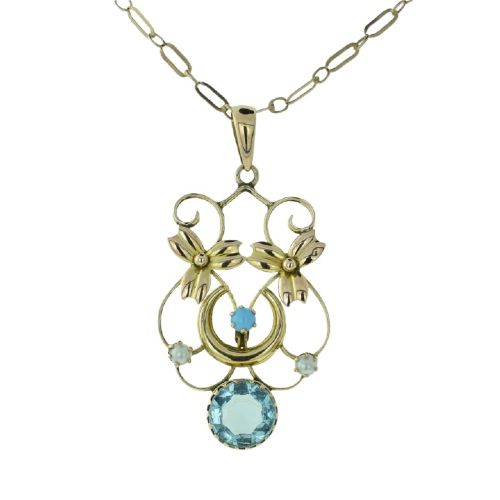
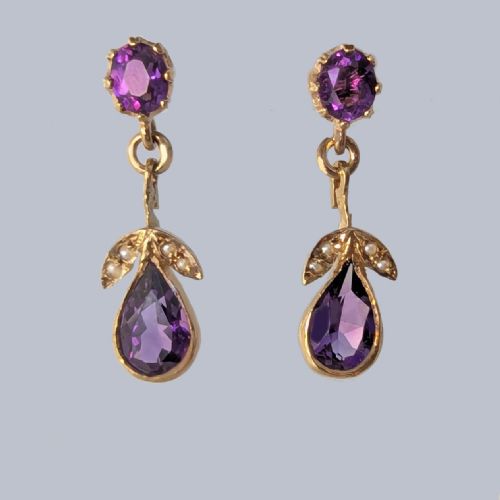
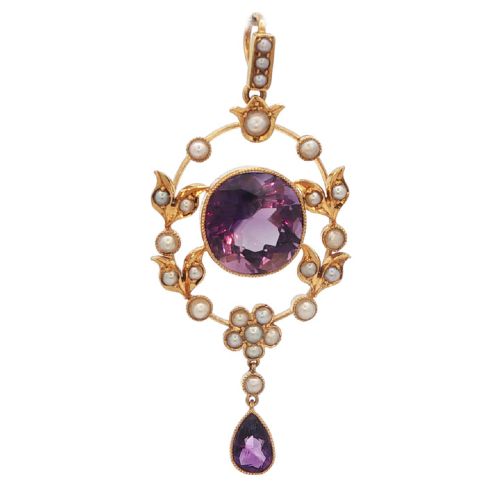
Victorian style jewellery brings together rings, drop earrings, pendants, and brooches drawing on nineteenth-century design vocabulary. Pieces range from authentic Victorian and Edwardian items to mid-twentieth-century revivals.
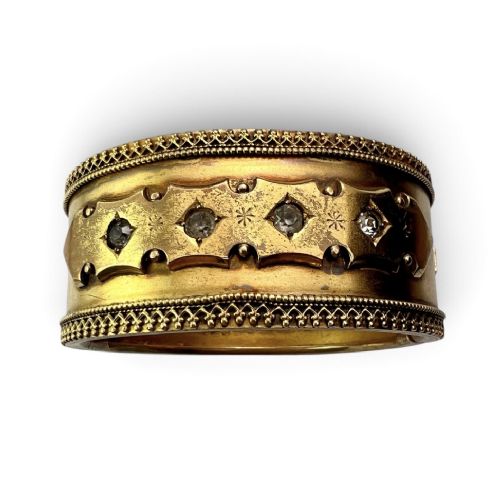
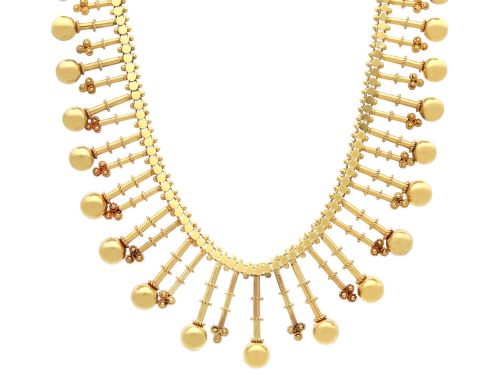
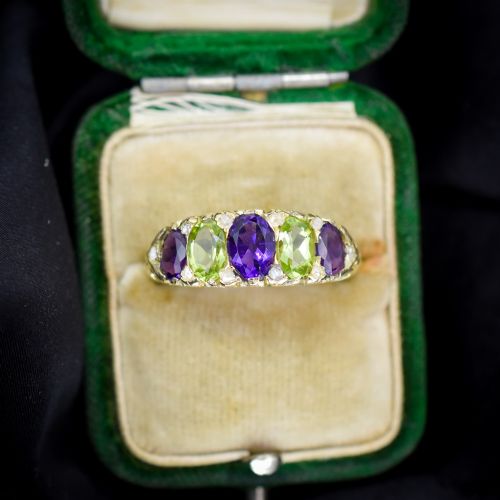
Buyers encounter traditional cluster rings, fringe necklaces, starburst brooches, and Etruscan revival bangles. These items reflect both original Victorian manufacture and later stylistic reinterpretations.
How they were made
Goldsmiths worked primarily in nine-carat, fifteen-carat, and eighteen-carat gold alongside silver, setting gemstones by hand into intricate cluster, boat, and navette arrangements. Seed pearls and turquoise cabochons frequently arrived secured with fine wire or peg settings.
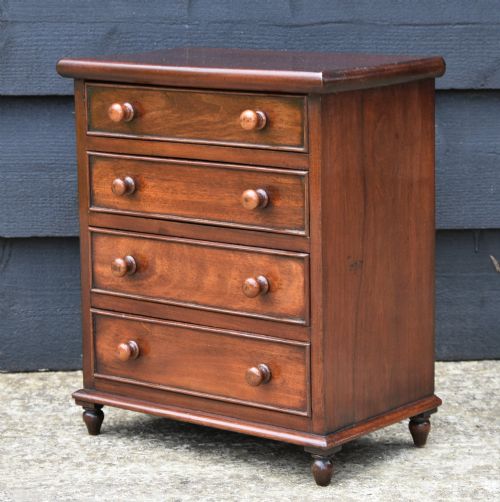
Surface decoration relied on detailed engraving, enamel work, and gilt detailing, particularly visible on lockets, charms, and porcelain boxes. Cabinet pieces combined mahogany and marquetry with glass and ormolu mounts.
Victorian Style Jewellery Retail Price Guide 2026
Typical asking prices for victorian style jewellery among the pieces listed under this phrase on Sellingantiques today, from the lower quarter to the upper quarter. They describe what is for sale here now, not the wider market.
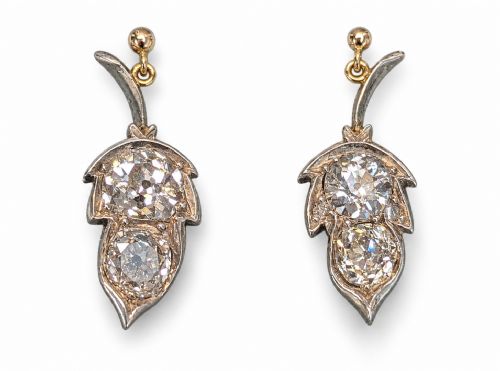
Listings incorporate items spanning the Victorian era through the Edwardian period, alongside twentieth-century revivals utilising gold, silver, diamonds, and amethysts.
What varies in quality
Quality rests in the precision of the metalwork and the integration of decorative elements such as enamel and hand-engraving. Finer examples display harmonious gemstone matching, particularly in multi-stone rings and fringe necklaces.
The calibre of original box construction, joinery in miniature furniture, and the preservation of delicate seed pearl arrangements distinguish superior pieces from standard production.
Knoll And Pregizer·William Comyns
The Victorian Style Jewellery Glossary
- Etruscan Revival
- A nineteenth-century design movement inspired by archaeological discoveries, featuring applied gold granules and wirework. This style dominated mid-to-late Victorian ornamentation.
- Navette
- A boat-shaped gemstone setting with pointed ends, popular in rings and pendants. The elongated silhouette flatters the hand.
- Seed Pearl
- Tiny, natural marine pearls utilised in starburst brooches and cluster rings. Their delicate scale requires precise drilling and placement.
- Pastel Paste
- High-refractory glass cut to imitate precious gemstones. Victorian jewellers employed paste for vibrant colour and sparkle.
- Fringe Necklace
- A necklace featuring graduated drops suspended from a central chain. This format showcased rows of diamonds or coloured stones.
Victorian Style Jewellery: Frequently Asked Questions
What defines Etruscan revival pieces?
This style draws directly from ancient archaeological excavations in Italy during the nineteenth century. Goldsmiths utilised granulation, wirework, and matte gold finishes to emulate classical antiquity.
Bangles and brooches from this movement showcase meticulous metal manipulation rather than heavy gemstone settings.
How can I distinguish original Victorian from revival pieces?
Examine the hallmarks, metal carats, and construction methods under magnification. Original Victorian gold often registers in fifteen-carat or lower standards, alongside distinct clasp mechanics.
Mid-twentieth-century revival items frequently carry modern assay office marks alongside stylistic nods to the nineteenth century.
Were lockets and charms worn daily?
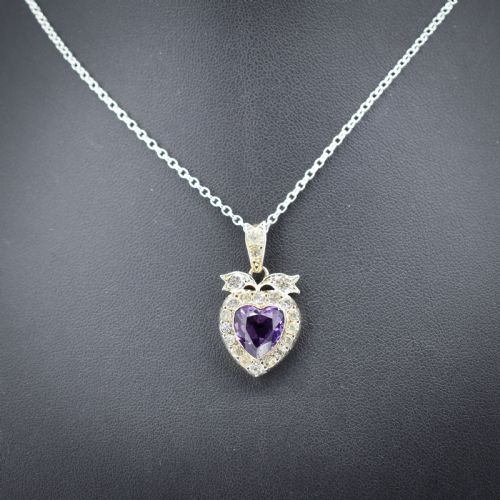
Engraved heart padlocks and locket pendants served as sentimental daily adornments throughout the Victorian and Edwardian eras. They frequently held miniature portraits, hair work, or personal ciphers.
These pieces were engineered for constant wear, suspended from heavy chatelaines, charm bracelets, or delicate neck chains.